Plain Weave Fabric (43/68 Count)
CN → US| HS编码 | 关税税率 | 原产国 | 目的国 | 文档 |
|---|---|---|---|---|
| 5407731000 | 35.0% | CN | US | 官方文档 |
| 5407693000 | 35.0% | CN | US | 官方文档 |
| 5208316040 | 44.7% | CN | US | 官方文档 |
| 5208114020 | 44.0% | CN | US | 官方文档 |
| 5512210010 | 47.0% | CN | US | 官方文档 |
商品图片
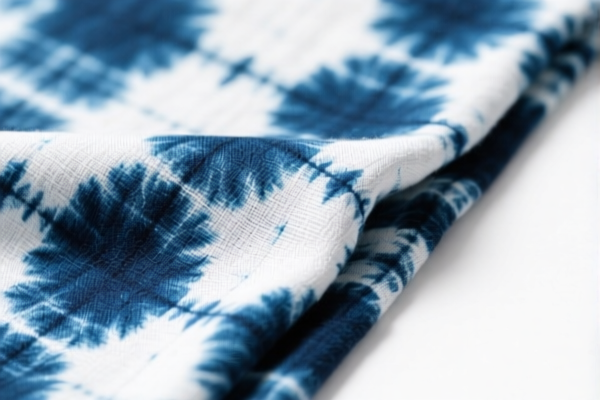
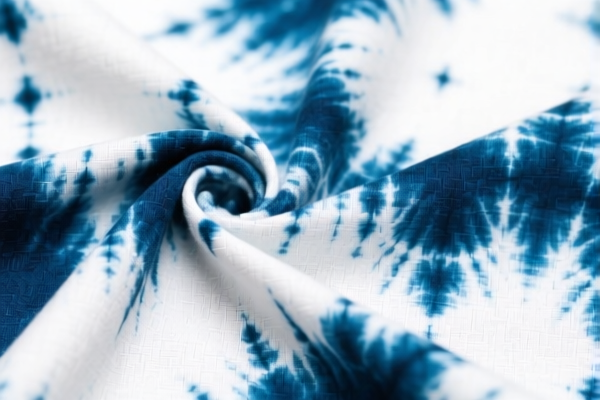
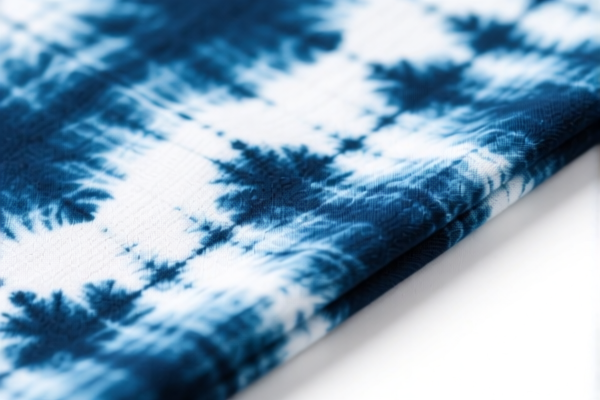
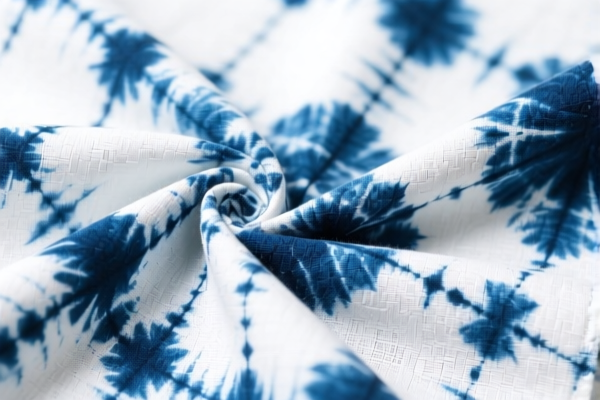
AI分析
🧵 Plain Weave Fabric (43/68 Count)
🌐 HS Code Reference & Customs Clearance Guide | 2026 Latest Tariff Analysis | Professional Clearance Strategy
📌 I. Product Definition & Classification: Do You Really Understand "Plain Weave Fabric"?
Plain weave fabric is the most basic and widely used textile structure, characterized by a simple over-under interlacing pattern. In international trade, classification is not just about the word "fabric"; it depends heavily on the fiber composition (Cotton vs. Synthetic), weave density, and count specifications.
The input "43/68 Count" typically refers to the warp/weft yarn count or fabric density standards. Depending on the actual fiber material (which isn't explicitly stated, leading to multiple possibilities), this product falls into distinct categories with vastly different tax liabilities.
⚠️ Key Distinction Point:
- If made of Synthetic Filament (e.g., Polyester, Nylon) → Falls under Chapter 54 (e.g.,5407.73.10.00,5407.69.30.00)
- If made of Cotton → Falls under Chapter 52 (e.g.,5208.31.60.40,5208.11.40.20)
- If made of Man-Made Staple Fibers (e.g., Polyester staple) → Falls under Chapter 55 (e.g.,5512.21.00.10)
📦 II. HS Code Classification Details (2026 Latest Tariff Authoritative Comparison)
Based on the provided data, here are the five possible HS Codes for "Plain Weave Fabric," ranked by likelihood and tax implication.
| HS Code | Product Description | Key Matching Criteria | Material Inference |
|---|---|---|---|
5407.73.10.00 |
Woven fabrics of synthetic filaments, plain weave | Plain weave structure explicitly matched. Fits synthetic filament category. | Synthetic Filament (e.g., Polyester) |
5407.69.30.00 |
Other woven fabrics of synthetic filaments | Matches woven fabric morphology; density description fits specific standard ranges. | Synthetic Filament (General) |
5208.31.60.40 |
Woven cotton fabrics, plain weave, dyed | Plain weave features + Yarn count range match; inferred as cotton fabric with no material conflict. | Cotton |
5208.11.40.20 |
Woven cotton fabrics, plain weave, white | Plain weave + Warp/Weft density fully complies with classification requirements. Inferred as cotton. | Cotton |
5512.21.00.10 |
Woven fabrics of synthetic staple fibers, dyed | Matches fabric organization structure; inferred as synthetic or cotton fiber with no material conflict. | Synthetic Staple Fiber |
🔍 Critical Reminder:
- Material is King: Without knowing if the fiber is Cotton (52) or Synthetic (54/55), you cannot select the correct HS Code.
- "43/68 Count": This likely refers to thread count or density. For Cotton (52), density is a major classifier. For Synthetics (54), weave structure (Plain) is the primary classifier.
- Tax Implication: Synthetic filaments (54) have a lower base tariff (0%) compared to Cotton (52, ~9%) and Staple Fibers (55, 12%). However, all categories listed here incur significant additional tariffs.
💰 III. 2026 Latest Tariff Rate Breakdown (Including Surcharges & Policy Add-ons)
✅ Applicable Country: USA (US)
✅ Origin: China (CN)
✅ Effective Date: 2025 Nov 10 (and subsequent imports)
🎯 1. Synthetic Filament Fabrics (5407.73.10.00 & 5407.69.30.00)
Best for: Polyester/Nylon plain weave fabrics.
| Item | Content |
|---|---|
| Base Tariff | 0.0% (Ad valorem) |
| Section 301 Surcharge | +25.0% |
| Section 122 Tariff | +10.0% |
| Total Tax Rate | 35.0% |
| Tax Calculation | CIF Value × 35% |
| De Minimis Eligibility | ❌ No (Denied) |
| Legal Basis Path | Section 301: 9903.88.01 → Section 122 → USITC: 5407... |
📌 Explanation:
- 0% Base: Synthetic fabrics generally enjoy low base MFN tariffs.
- 35% Total: The 25% Section 301 duty + 10% Section 122 duty are mandatory for Chinese-origin goods.
- Strategy: If your fabric is synthetic, this is the lowest tax bracket among the options, but still high.
🎯 2. Cotton Fabrics (5208.31.60.40 & 5208.11.40.20)
Best for: 100% Cotton plain weave fabrics.
| Item | Content |
|---|---|
| Base Tariff | 9.0% - 9.7% (Ad valorem) |
| Section 301 Surcharge | +25.0% |
| Section 122 Tariff | +10.0% |
| Total Tax Rate | 44.0% - 44.7% |
| Tax Calculation | CIF Value × Rate |
| De Minimis Eligibility | ❌ No (Denied) |
| Legal Basis Path | Section 301 → Section 122 → USITC: 5208... |
📌 Explanation:
- 44.0% - 44.7% Total: Cotton fabrics have a higher base tariff (9-9.7%) than synthetic filaments (0%).
- Impact: Even with the same surcharges, the total tax burden is nearly 10 percentage points higher than synthetic fabrics.
- Specifics:
-5208.11.40.20(White Cotton): 44.0%
-5208.31.60.40(Dyed Cotton): 44.7%
🎯 3. Synthetic Staple Fiber Fabrics (5512.21.00.10)
Best for: Polyester staple fiber woven fabrics.
| Item | Content |
|---|---|
| Base Tariff | 12.0% (Ad valorem) |
| Section 301 Surcharge | +25.0% |
| Section 122 Tariff | +10.0% |
| Total Tax Rate | 47.0% |
| Tax Calculation | CIF Value × 47% |
| De Minimis Eligibility | ❌ No (Denied) |
| Legal Basis Path | Section 301 → Section 122 → USITC: 5512... |
📌 Explanation:
- 47.0% Total: This is the highest tax bracket in the provided data.
- Why?: Staple fibers (short fibers spun into yarn) have a higher base tariff (12%) compared to filament yarns (0%).
- Warning: Ensure you are not misclassifying filament fabrics as staple fabrics. If it's continuous filament, use5407series (35%).
🛠️ IV. Customs Clearance Practical Advice (实战避坑指南)
✅ 1. Preparation Checklist (Essential Documents)
| Document | Must Provide | Explanation |
|---|---|---|
| ✅ Fabric Composition Label | ✔️ | Must state % Cotton, % Polyester, etc. (e.g., "100% Cotton" or "100% Polyester") |
| ✅ Product Spec Sheet | ✔️ | Include "Plain Weave", "43/68 Count", Width, Weight (GSM) |
| ✅ HS Code Justification | ✔️ | Explain why it fits the specific subheading (e.g., "Dyed, 100% Cotton, Plain Weave") |
| ✅ Commercial Invoice | ✔️ | Must match the HS Code and describe the fabric accurately |
| ✅ Bill of Lading | ✔️ | Ensure description matches invoice |
| ✅ Origin Certificate (CO) | ✔️ | Critical for proving Chinese origin to apply (or avoid) specific surcharges |
✅ 2. Declaration Strategy (Key Tips)
🔥 "Know Your Fiber, Know Your Tax!"
| Scenario | Correct HS Code Range | Incorrect Declaration | Consequence |
|---|---|---|---|
| 100% Polyester Filament | 5407.73.10.00 / 5407.69.30.00 |
Declared as Cotton (52) |
44-47% tax instead of 35% → Overpayment |
| 100% Cotton | 5208.11.40.20 / 5208.31.60.40 |
Declared as Synthetic (54) |
Under-declaration → Penalties + Back Taxes |
| Polyester Staple Fiber | 5512.21.00.10 |
Declared as Filament (54) |
Under-declaration → Penalties + Back Taxes |
| Blended Fabric | Varies by majority fiber | Incorrect material claim | Seizure or Audit |
📌 Critical Note on "43/68 Count":
- This notation is often used in the industry to describe yarn count or density.
- For Cotton, density is a key differentiator in Chapter 52. Ensure your spec sheet explicitly states "Plain Weave" and "Density" to match5208.11or5208.31.
- For Synthetics, the weave type (Plain) is the primary classifier in Chapter 54.
✅ 3. Special Cases & Mitigation
| Situation | Handling Advice |
|---|---|
| Sample Shipment | Even samples are subject to tariffs if value > $800 (De Minimis excluded for Section 301/122 goods). Pay the tax! |
| Re-export from 3rd Country | If fabric is made in China, shipped to Vietnam, then to US → Still subject to Chinese tariffs if substantial transformation did not occur. |
| Fabric vs. Garment | If this fabric is cut and sewn into shirts, it becomes a garment (Chapter 61/62), which may have different tariff rates (often lower base, but still 301/122 applies). |
| Pre-Ruling | Highly Recommended: Apply for an Advance Ruling with CBP to confirm the HS Code based on your exact fabric sample. |
🌍 V. Global Market Comparison (2026 Latest)
| Country/Region | Recommended HS Code | Base Tariff | Additional Tariffs (CN Origin) | Total Est. Rate |
|---|---|---|---|---|
| 🇺🇸 USA | 5407.73.10.00 (Synthetic) |
0% | 25% (301) + 10% (122) | 35% |
| 🇺🇸 USA | 5208.31.60.40 (Cotton) |
9.7% | 25% (301) + 10% (122) | 44.7% |
| 🇨🇳 China | 5407.73.10.00 |
0-5% | None | ~0-5% |
| 🇪🇺 EU | 5407.73.10.00 |
0% | None (General Scheme) | 0% |
| 🇬🇧 UK | 5407.73.10.00 |
0-6% | None | ~0-6% |
📌 Conclusion:
- The USA imposes the heaviest burden on Chinese textiles due to Section 301 and Section 122 duties.
- Synthetic Filament (5407) is the most tax-efficient option among the choices (35% total).
- Cotton (5208) is more expensive due to higher base tariffs (44.0-44.7% total).
📌 VI. Common Mistakes & Pitfalls (Blood & Tears Lessons)
❌ Mistake 1: Ignoring Material Composition
👉 Result: Declaring a 50/50 Blend as "100% Synthetic" to get lower tax → Customs seizure, fines, and blacklisting.
❌ Mistake 2: Assuming "Fabric" is one HS Code
👉 Result: Confusion between 5407 (Filament), 5512 (Staple), and 5208 (Cotton). Wrong HS Code = Wrong Tax.
❌ Mistake 3: Overlooking Section 122 Tariff
👉 Result: Budgeting for 25% tariff but paying 35% (25+10) → Margin erosion.
❌ Mistake 4: Incorrect "Count" Description
👉 Result: If the "43/68" count doesn't match the density requirements for 5208.11 or 5208.31, Customs may reject the classification → Audit delay.
✅ Correct Approach:
"Plain Weave Fabric, [Material: 100% Polyester Filament], [Density: 43/68], [Weight: XX GSM]. HS Code: 5407.73.10.00. Origin: China."
🎯 VII. Conclusion: Precise Classification, Cost Savings, Smooth Clearance!
🎯 Remember the Mantra:
🔹 "Fiber Defines HS, Weave Defines Subheading."
🔹 "Synthetic 0% Base, Cotton 9% Base, Staple 12% Base."
🔹 "Add 35% for China to USA, Always!"
📌 Pro Tip:
If you have access to Vietnamese, Thai, or Malaysian supply chains for substantial transformation (e.g., weaving is done in Vietnam, finishing in China), you might avoid Chinese tariffs. However, if only cutting/sewing is done, it doesn't count. For fabric weaving, the origin is where the weaving takes place.
📣 Immediate Action:
📞 Confirm Material Composition (Cotton vs. Polyester).
📞 Apply for CBP Advance Ruling if unsure.
🚀 Budget for 35-47% Total Duty for US Imports from China.
✨ Professional Customs Clearance Starts with Accurate Classification!
💼 Every Percent Saved is Pure Profit!
用户评价
关于 HS 编码归类
协调制度(HS)是由世界海关组织(WCO)制定的国际贸易商品分类标准。全球 200 多个国家采用 HS 系统作为海关关税、贸易统计和进出口监管的基础。
每个 HS 编码遵循以下层级结构:
- 章(2 位)——商品大类(例如:第 84 章:机器和机械设备)
- 品目(4 位)——章内的更具体分类
- 子目(6 位)——国际通用细分,所有 WCO 成员国统一使用
- 本国细分(8-10 位)——各国自行扩展的细分编码,如美国 HTSUS 10 位编码
正确的 HS 编码归类对于顺利通关、准确缴纳关税和遵守贸易法规至关重要。错误归类可能导致海关延误、多缴关税或罚款。
从CN进口到US时,适用的关税税率可能包括:
- 最惠国(MFN)税率——适用于 WTO 成员国的标准关税税率
- 普通税率——适用于无贸易协定国家
- 贸易救济关税——附加关税,如 301 条款(反倾销)、232 条款(国家安全)或反补贴税
本页内容仅供参考。如需正式归类,请咨询当地海关或持牌报关代理。