Plain Weave Fabric (per square meter)
CN → US| HS编码 | 关税税率 | 原产国 | 目的国 | 文档 |
|---|---|---|---|---|
| 5208424000 | 46.4% | CN | US | 官方文档 |
| 5512190090 | 48.6% | CN | US | 官方文档 |
| 5407912090 | 49.9% | CN | US | 官方文档 |
| 5208516040 | 46.4% | CN | US | 官方文档 |
| 5111196060 | 60.0% | CN | US | 官方文档 |
商品图片
AI分析
🧵 Plain Weave Fabric (per square meter)
🌐 HS Code Reference & Customs Clearance Guide | 2026 Latest Tariff Analysis | Professional Clearance Strategy
📌 1. Product Definition & Classification: What Exactly Is "Plain Weave Fabric"?
Plain weave is the simplest and most common textile structure, characterized by a regular "over-under" interlacing of warp and weft yarns. In international trade, plain weave fabrics are categorized primarily by their material composition (Cotton, Wool, Synthetic Fibers) and density/weight.
⚠️ Key Classification Logic:
- The primary driver for HS Code selection is Material (Natural vs. Synthetic) and Fiber Length (Staple vs. Filament).
- The term "Plain Weave" generally points to Chapter 50–55 or 52, depending on the fiber source.
- Common Pitfall: Misidentifying synthetic filaments as staple fibers can lead to significant tax discrepancies.
📦 2. HS Code Classification Matrix (Based on Provided Data)
| HS Code | Summary Description | Material Inference | Total Tax Rate |
|---|---|---|---|
5208.42.40.00 |
Plain weave fabric, no obvious material conflict based on common sense | Cotton (Likely Bleached/Printed) | 46.4% |
5512.19.00.90 |
Plain weave, inferred as synthetic fiber, general residual category | Synthetic Fiber (Polyester/Nylon Staple) | 48.6% |
5407.91.20.90 |
Plain weave, other fabrics, no conflict with synthetic filament fabrics | Synthetic Filament (Polyester/Nylon Yarn) | 49.9% |
5208.51.60.40 |
Plain weave, preliminarily determined as cotton or fiber fabric, no material conflict | Cotton (Likely Dyed/Colored) | 46.4% |
5111.19.60.60 |
Wool fabric, fits the definition of wool weave classification | Wool (Animal Fiber) | 60.0% |
🔍 Critical Insight:
- Cotton Fabrics (5208series): Typically have a base tariff of 11.4%.
- Wool Fabrics (5111series): Carry a significantly higher base tariff of 25.0%.
- Synthetics (5407&5512series): Vary based on filament vs. staple, with base tariffs ranging from 13.6% to 14.9%.
- All categories above are subject to additional US tariffs due to trade policy provisions.
💰 3. 2026 Latest Tariff Rate Breakdown (Including Surtaxes & Policy Add-ons)
✅ Applicable Country: United States (US)
✅ Country of Origin: China (CN)
✅ Effective Date: Current trade policies apply (Section 301 & IEEPA)
🎯 1. 5208.42.40.00 & 5208.51.60.40 —— Cotton Plain Weave Fabrics
| Item | Details |
|---|---|
| Base Tariff | 11.4% (Ad Valorem) |
| Section 301 Surtax | +25.0% (USITC Footnote related to textile/apparel categories) |
| IEEPA Section 122 Tariff | +10.0% (Specific provision for Chinese textiles) |
| Total Effective Rate | 46.4% |
| Tax Calculation | CIF Value × 46.4% |
| De Minimis Exemption | ❌ Not Applicable |
| Legal Path | Base Tariff: 11.4% → Surtax: 25.0% → 122 Tariff: 10% |
📌 Explanation:
- Cotton fabrics from China face high combined tariffs. The 11.4% base rate is standard, but the 25% Section 301 and 10% Section 122 surcharges push the total cost to 46.4%.
- Risk: If the cotton content is misdeclared (e.g., blended with synthetics), customs may reclassify to a higher bracket.
🎯 2. 5111.19.60.60 —— Wool Plain Weave Fabrics
| Item | Details |
|---|---|
| Base Tariff | 25.0% (Ad Valorem) |
| Section 301 Surtax | +25.0% |
| IEEPA Section 122 Tariff | +10.0% |
| Total Effective Rate | 60.0% |
| Tax Calculation | CIF Value × 60.0% |
| De Minimis Exemption | ❌ Not Applicable |
| Legal Path | Base Tariff: 25.0% → Surtax: 25.0% → 122 Tariff: 10% |
📌 Explanation:
- Wool is taxed more heavily than cotton or synthetics. The 25% base tariff is already high, and with the same 25% + 10% surcharges, the total hits 60.0%.
- Risk: Misclassifying wool as synthetic can lead to severe penalties for underpayment.
🎯 3. 5512.19.00.90 —— Synthetic Staple Fiber Fabrics
| Item | Details |
|---|---|
| Base Tariff | 13.6% (Ad Valorem) |
| Section 301 Surtax | +25.0% |
| IEEPA Section 122 Tariff | +10.0% |
| Total Effective Rate | 48.6% |
| Tax Calculation | CIF Value × 48.6% |
| De Minimis Exemption | ❌ Not Applicable |
| Legal Path | Base Tariff: 13.6% → Surtax: 25.0% → 122 Tariff: 10% |
📌 Explanation:
- This code is a "residual" category for synthetic fibers that don’t fit more specific subheadings.
- The 13.6% base rate is slightly higher than cotton’s 11.4%, resulting in a 48.6% total rate.
🎯 4. 5407.91.20.90 —— Synthetic Filament Fabrics
| Item | Details |
|---|---|
| Base Tariff | 14.9% (Ad Valorem) |
| Section 301 Surtax | +25.0% |
| IEEPA Section 122 Tariff | +10.0% |
| Total Effective Rate | 49.9% |
| Tax Calculation | CIF Value × 49.9% |
| De Minimis Exemption | ❌ Not Applicable |
| Legal Path | Base Tariff: 14.9% → Surtax: 25.0% → 122 Tariff: 10% |
📌 Explanation:
- Filament fabrics (continuous fibers) often have higher base tariffs than staple fibers or cotton.
- The 14.9% base rate leads to the highest total among synthetics at 49.9%.
🛠️ 4. Practical Customs Clearance Advice
✅ 1. Documentation Checklist (Mandatory)
| Document | Required | Notes |
|---|---|---|
| ✅ Fabric Specification Sheet | ✔️ | Must detail: Fiber content %, weave type (Plain), weight (GSM), width, and finishing (dyed/bleached). |
| ✅ Composition Certificate | ✔️ | Third-party lab report confirming cotton, wool, or synthetic content. Critical for HS Code determination. |
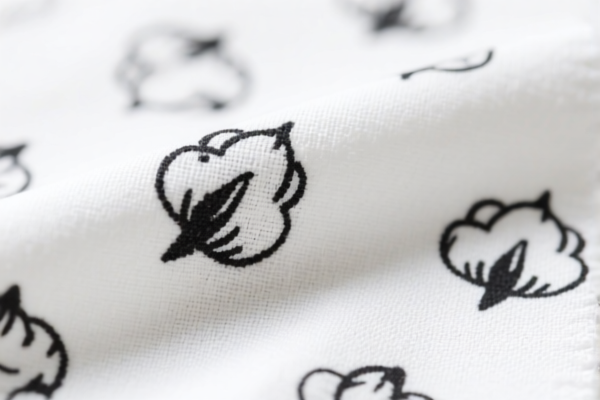
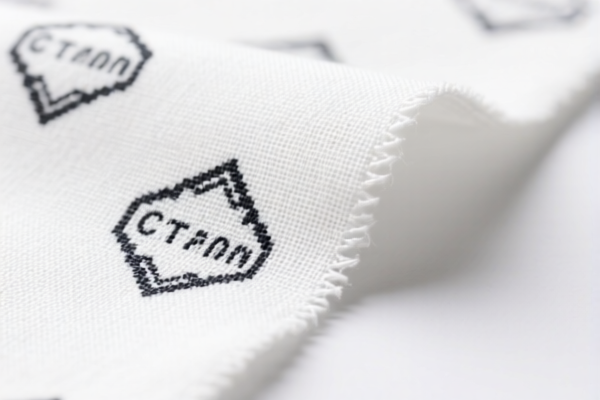
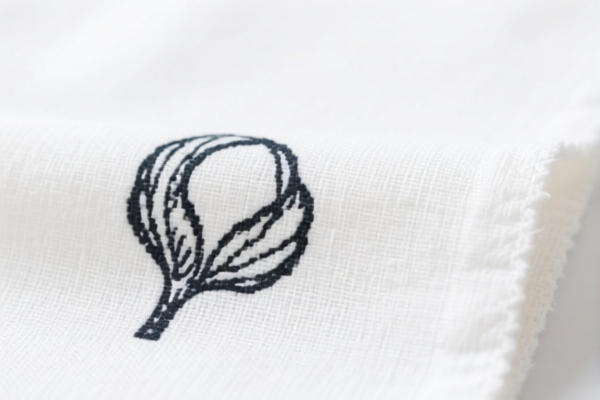
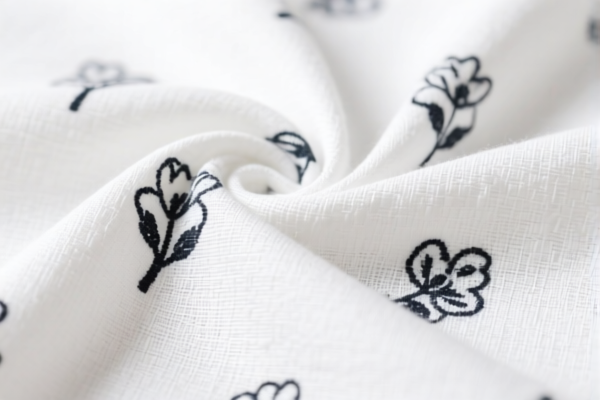
| ✅ Product Photos | ✔️ | Clear shots of the fabric texture, selvage, and any labels. |
| ✅ Commercial Invoice | ✔️ | Must clearly state "Plain Weave Fabric" and HS Code. |
| ✅ Packing List | ✔️ | Details on rolls, weight, and dimensions. |
| ✅ Origin Certificate | ✔️ | If claiming any potential exemptions (though unlikely for US/CN textiles). |
✅ 2. Declaration Tips
🔥 "Weave True, Fiber Clear, Code Precise, Tax Avoided!"
| Scenario | Correct Declaration | Incorrect Declaration |
|---|---|---|
| 100% Cotton | 5208.42.40.00 or 5208.51.60.40 |
Misdeclare as Synthetic → Higher Tax/Penalty |
| 100% Wool | 5111.19.60.60 |
Misdeclare as Cotton → Massive Underpayment Risk |
| Polyester Staple | 5512.19.00.90 |
Misdeclare as Filament → Higher Base Tariff |
| Polyester Filament | 5407.91.20.90 |
Misdeclare as Staple → Lower Base Tariff (But Risk of Rejection) |
✅ 3. Special Cases
| Situation | Advice |
|---|---|
| Blended Fabrics | If >50% cotton, likely 5208; if >50% synthetic, check 5512 or 5407. Blends can complicate classification. |
| Sample Shipments | Same rules apply. Do not assume "samples" are exempt from tariff classification scrutiny. |
| Finished Goods vs. Fabric | Ensure you are declaring "Fabric" (meter/roll), not "Garments" (shirts/pants), which fall under different chapters (e.g., 61/62) and have different tax structures. |
🌍 5. Global Market Comparison (2026)
| Country/Region | Recommended HS Code | Est. Tariff (China Origin) | Notes |
|---|---|---|---|
| 🇺🇸 USA | 5208.42.40.00 (Cotton) |
46.4% | High due to Section 301 + 122 |
| 🇨🇳 China | 5208.42.40.00 |
~10-14% | Standard MFN rate, no US surcharges |
| 🇪🇺 EU | 5208.42.40.00 |
~9.5% | Standard duty, no US-style surcharges |
| 🇬🇧 UK | 5208.42.40.00 |
~9.5% | Post-Brexit rates similar to EU |
| 🇻🇳 Vietnam | 5208.42.40.00 |
~0-10% | Potential benefits if assembled locally |
📌 Conclusion:
- The US market is significantly more expensive for Chinese textile imports due to political tariffs.
- Wool (5111) is the most heavily taxed category globally among these options.
- Cotton offers the lowest total tax rate among the provided options, but it is still high (46.4%).
📌 6. Common Errors & Pitfalls
❌ Error 1: Failing to specify Fiber Content in the description.
👉 Result: Customs may reclassify to the highest possible rate or demand extensive documentation, causing delays.
❌ Error 2: Confusing Staple vs. Filament synthetics.
👉 Result: Misclassification between 5512 and 5407 can lead to a 1.3% base tariff difference and potential compliance flags.
❌ Error 3: Assuming "Plain Weave" automatically means a single HS Code.
👉 Result: Ignoring material composition leads to incorrect HS codes (5208 vs. 5512 vs. 5407).
✅ Correct Practice:
"Plain Weave Fabric, 100% Cotton, Bleached, 200 GSM, Width 150cm, Roll Packing, Model XYZ"
🎯 7. Conclusion: Precision in Classification Saves Money
🎯 Key Takeaway:
🔹 "Material Defines Code, Code Defines Tax."
🔹 Cotton: 46.4% | Synthetics: 48.6–49.9% | Wool: 60.0%
🔹 Always provide accurate fiber composition certificates.
📌 Pro Tip:
If your fabric is blended or has special finishes, consider applying for a Binding Ruling (BBR) from US Customs before shipment to lock in the HS Code and tax rate, avoiding unexpected audits or penalties.
📣 Immediate Action:
📞 Consult with a licensed customs broker.
📄 Obtain a Third-Party Fiber Analysis Report.
🚀 Ensure your commercial invoice explicitly states "Plain Weave" and HS Code to prevent clearance delays.
✨ Accurate classification is the first step to efficient customs clearance.
💼 Every percentage point of tax savings is pure profit.
用户评价
关于 HS 编码归类
协调制度(HS)是由世界海关组织(WCO)制定的国际贸易商品分类标准。全球 200 多个国家采用 HS 系统作为海关关税、贸易统计和进出口监管的基础。
每个 HS 编码遵循以下层级结构:
- 章(2 位)——商品大类(例如:第 84 章:机器和机械设备)
- 品目(4 位)——章内的更具体分类
- 子目(6 位)——国际通用细分,所有 WCO 成员国统一使用
- 本国细分(8-10 位)——各国自行扩展的细分编码,如美国 HTSUS 10 位编码
正确的 HS 编码归类对于顺利通关、准确缴纳关税和遵守贸易法规至关重要。错误归类可能导致海关延误、多缴关税或罚款。
从CN进口到US时,适用的关税税率可能包括:
- 最惠国(MFN)税率——适用于 WTO 成员国的标准关税税率
- 普通税率——适用于无贸易协定国家
- 贸易救济关税——附加关税,如 301 条款(反倾销)、232 条款(国家安全)或反补贴税
本页内容仅供参考。如需正式归类,请咨询当地海关或持牌报关代理。