Plain Weave Fabric (per square meter)
CN → US| HS Code | Tariff Rate | Origin | Destination | Doc |
|---|---|---|---|---|
| 5208424000 | 46.4% | CN | US | Official Doc |
| 5512190090 | 48.6% | CN | US | Official Doc |
| 5407912090 | 49.9% | CN | US | Official Doc |
| 5208516040 | 46.4% | CN | US | Official Doc |
| 5111196060 | 60.0% | CN | US | Official Doc |
Product Images
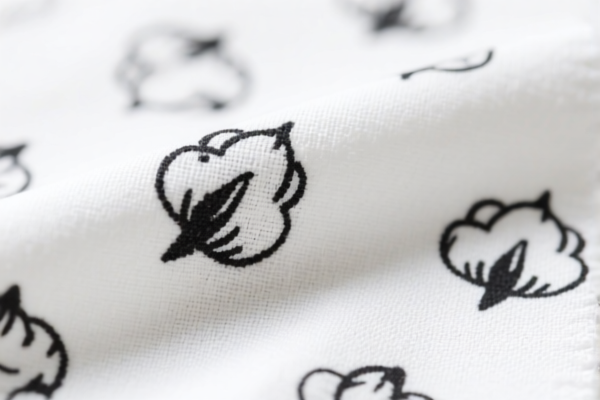
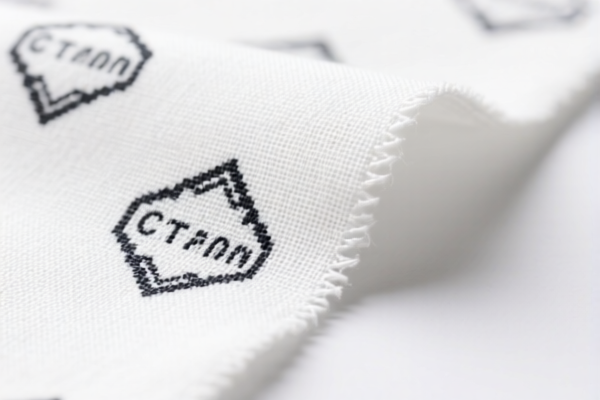
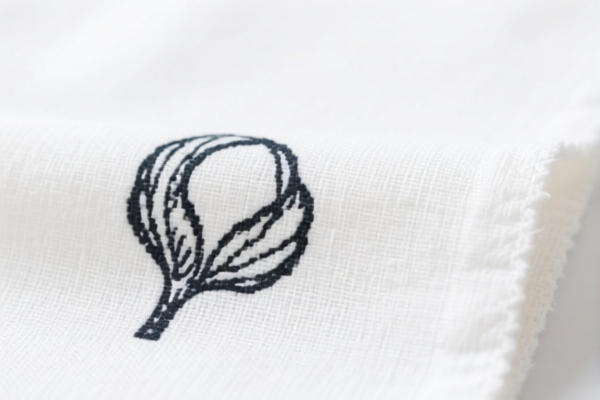
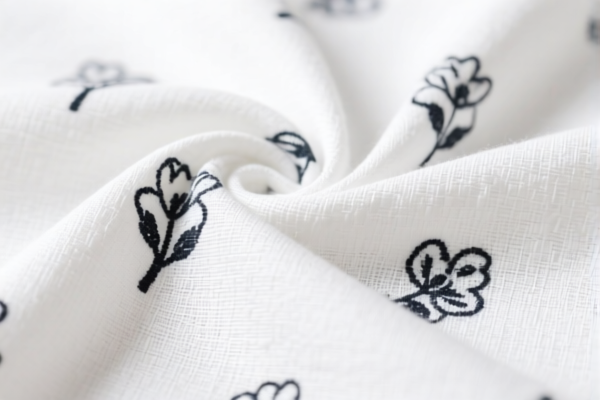
AI Analysis
🧵 Plain Weave Fabric (per square meter)
🌐 HS Code Reference & Customs Clearance Guide | 2026 Latest Tariff Analysis | Professional Clearance Strategy
📌 1. Product Definition & Classification: What Exactly Is "Plain Weave Fabric"?
Plain weave is the simplest and most common textile structure, characterized by a regular "over-under" interlacing of warp and weft yarns. In international trade, plain weave fabrics are categorized primarily by their material composition (Cotton, Wool, Synthetic Fibers) and density/weight.
⚠️ Key Classification Logic:
- The primary driver for HS Code selection is Material (Natural vs. Synthetic) and Fiber Length (Staple vs. Filament).
- The term "Plain Weave" generally points to Chapter 50–55 or 52, depending on the fiber source.
- Common Pitfall: Misidentifying synthetic filaments as staple fibers can lead to significant tax discrepancies.
📦 2. HS Code Classification Matrix (Based on Provided Data)
| HS Code | Summary Description | Material Inference | Total Tax Rate |
|---|---|---|---|
5208.42.40.00 |
Plain weave fabric, no obvious material conflict based on common sense | Cotton (Likely Bleached/Printed) | 46.4% |
5512.19.00.90 |
Plain weave, inferred as synthetic fiber, general residual category | Synthetic Fiber (Polyester/Nylon Staple) | 48.6% |
5407.91.20.90 |
Plain weave, other fabrics, no conflict with synthetic filament fabrics | Synthetic Filament (Polyester/Nylon Yarn) | 49.9% |
5208.51.60.40 |
Plain weave, preliminarily determined as cotton or fiber fabric, no material conflict | Cotton (Likely Dyed/Colored) | 46.4% |
5111.19.60.60 |
Wool fabric, fits the definition of wool weave classification | Wool (Animal Fiber) | 60.0% |
🔍 Critical Insight:
- Cotton Fabrics (5208series): Typically have a base tariff of 11.4%.
- Wool Fabrics (5111series): Carry a significantly higher base tariff of 25.0%.
- Synthetics (5407&5512series): Vary based on filament vs. staple, with base tariffs ranging from 13.6% to 14.9%.
- All categories above are subject to additional US tariffs due to trade policy provisions.
💰 3. 2026 Latest Tariff Rate Breakdown (Including Surtaxes & Policy Add-ons)
✅ Applicable Country: United States (US)
✅ Country of Origin: China (CN)
✅ Effective Date: Current trade policies apply (Section 301 & IEEPA)
🎯 1. 5208.42.40.00 & 5208.51.60.40 —— Cotton Plain Weave Fabrics
| Item | Details |
|---|---|
| Base Tariff | 11.4% (Ad Valorem) |
| Section 301 Surtax | +25.0% (USITC Footnote related to textile/apparel categories) |
| IEEPA Section 122 Tariff | +10.0% (Specific provision for Chinese textiles) |
| Total Effective Rate | 46.4% |
| Tax Calculation | CIF Value × 46.4% |
| De Minimis Exemption | ❌ Not Applicable |
| Legal Path | Base Tariff: 11.4% → Surtax: 25.0% → 122 Tariff: 10% |
📌 Explanation:
- Cotton fabrics from China face high combined tariffs. The 11.4% base rate is standard, but the 25% Section 301 and 10% Section 122 surcharges push the total cost to 46.4%.
- Risk: If the cotton content is misdeclared (e.g., blended with synthetics), customs may reclassify to a higher bracket.
🎯 2. 5111.19.60.60 —— Wool Plain Weave Fabrics
| Item | Details |
|---|---|
| Base Tariff | 25.0% (Ad Valorem) |
| Section 301 Surtax | +25.0% |
| IEEPA Section 122 Tariff | +10.0% |
| Total Effective Rate | 60.0% |
| Tax Calculation | CIF Value × 60.0% |
| De Minimis Exemption | ❌ Not Applicable |
| Legal Path | Base Tariff: 25.0% → Surtax: 25.0% → 122 Tariff: 10% |
📌 Explanation:
- Wool is taxed more heavily than cotton or synthetics. The 25% base tariff is already high, and with the same 25% + 10% surcharges, the total hits 60.0%.
- Risk: Misclassifying wool as synthetic can lead to severe penalties for underpayment.
🎯 3. 5512.19.00.90 —— Synthetic Staple Fiber Fabrics
| Item | Details |
|---|---|
| Base Tariff | 13.6% (Ad Valorem) |
| Section 301 Surtax | +25.0% |
| IEEPA Section 122 Tariff | +10.0% |
| Total Effective Rate | 48.6% |
| Tax Calculation | CIF Value × 48.6% |
| De Minimis Exemption | ❌ Not Applicable |
| Legal Path | Base Tariff: 13.6% → Surtax: 25.0% → 122 Tariff: 10% |
📌 Explanation:
- This code is a "residual" category for synthetic fibers that don’t fit more specific subheadings.
- The 13.6% base rate is slightly higher than cotton’s 11.4%, resulting in a 48.6% total rate.
🎯 4. 5407.91.20.90 —— Synthetic Filament Fabrics
| Item | Details |
|---|---|
| Base Tariff | 14.9% (Ad Valorem) |
| Section 301 Surtax | +25.0% |
| IEEPA Section 122 Tariff | +10.0% |
| Total Effective Rate | 49.9% |
| Tax Calculation | CIF Value × 49.9% |
| De Minimis Exemption | ❌ Not Applicable |
| Legal Path | Base Tariff: 14.9% → Surtax: 25.0% → 122 Tariff: 10% |
📌 Explanation:
- Filament fabrics (continuous fibers) often have higher base tariffs than staple fibers or cotton.
- The 14.9% base rate leads to the highest total among synthetics at 49.9%.
🛠️ 4. Practical Customs Clearance Advice
✅ 1. Documentation Checklist (Mandatory)
| Document | Required | Notes |
|---|---|---|
| ✅ Fabric Specification Sheet | ✔️ | Must detail: Fiber content %, weave type (Plain), weight (GSM), width, and finishing (dyed/bleached). |
| ✅ Composition Certificate | ✔️ | Third-party lab report confirming cotton, wool, or synthetic content. Critical for HS Code determination. |
| ✅ Product Photos | ✔️ | Clear shots of the fabric texture, selvage, and any labels. |
| ✅ Commercial Invoice | ✔️ | Must clearly state "Plain Weave Fabric" and HS Code. |
| ✅ Packing List | ✔️ | Details on rolls, weight, and dimensions. |
| ✅ Origin Certificate | ✔️ | If claiming any potential exemptions (though unlikely for US/CN textiles). |
✅ 2. Declaration Tips
🔥 "Weave True, Fiber Clear, Code Precise, Tax Avoided!"
| Scenario | Correct Declaration | Incorrect Declaration |
|---|---|---|
| 100% Cotton | 5208.42.40.00 or 5208.51.60.40 |
Misdeclare as Synthetic → Higher Tax/Penalty |
| 100% Wool | 5111.19.60.60 |
Misdeclare as Cotton → Massive Underpayment Risk |
| Polyester Staple | 5512.19.00.90 |
Misdeclare as Filament → Higher Base Tariff |
| Polyester Filament | 5407.91.20.90 |
Misdeclare as Staple → Lower Base Tariff (But Risk of Rejection) |
✅ 3. Special Cases
| Situation | Advice |
|---|---|
| Blended Fabrics | If >50% cotton, likely 5208; if >50% synthetic, check 5512 or 5407. Blends can complicate classification. |
| Sample Shipments | Same rules apply. Do not assume "samples" are exempt from tariff classification scrutiny. |
| Finished Goods vs. Fabric | Ensure you are declaring "Fabric" (meter/roll), not "Garments" (shirts/pants), which fall under different chapters (e.g., 61/62) and have different tax structures. |
🌍 5. Global Market Comparison (2026)
| Country/Region | Recommended HS Code | Est. Tariff (China Origin) | Notes |
|---|---|---|---|
| 🇺🇸 USA | 5208.42.40.00 (Cotton) |
46.4% | High due to Section 301 + 122 |
| 🇨🇳 China | 5208.42.40.00 |
~10-14% | Standard MFN rate, no US surcharges |
| 🇪🇺 EU | 5208.42.40.00 |
~9.5% | Standard duty, no US-style surcharges |
| 🇬🇧 UK | 5208.42.40.00 |
~9.5% | Post-Brexit rates similar to EU |
| 🇻🇳 Vietnam | 5208.42.40.00 |
~0-10% | Potential benefits if assembled locally |
📌 Conclusion:
- The US market is significantly more expensive for Chinese textile imports due to political tariffs.
- Wool (5111) is the most heavily taxed category globally among these options.
- Cotton offers the lowest total tax rate among the provided options, but it is still high (46.4%).
📌 6. Common Errors & Pitfalls
❌ Error 1: Failing to specify Fiber Content in the description.
👉 Result: Customs may reclassify to the highest possible rate or demand extensive documentation, causing delays.
❌ Error 2: Confusing Staple vs. Filament synthetics.
👉 Result: Misclassification between 5512 and 5407 can lead to a 1.3% base tariff difference and potential compliance flags.
❌ Error 3: Assuming "Plain Weave" automatically means a single HS Code.
👉 Result: Ignoring material composition leads to incorrect HS codes (5208 vs. 5512 vs. 5407).
✅ Correct Practice:
"Plain Weave Fabric, 100% Cotton, Bleached, 200 GSM, Width 150cm, Roll Packing, Model XYZ"
🎯 7. Conclusion: Precision in Classification Saves Money
🎯 Key Takeaway:
🔹 "Material Defines Code, Code Defines Tax."
🔹 Cotton: 46.4% | Synthetics: 48.6–49.9% | Wool: 60.0%
🔹 Always provide accurate fiber composition certificates.
📌 Pro Tip:
If your fabric is blended or has special finishes, consider applying for a Binding Ruling (BBR) from US Customs before shipment to lock in the HS Code and tax rate, avoiding unexpected audits or penalties.
📣 Immediate Action:
📞 Consult with a licensed customs broker.
📄 Obtain a Third-Party Fiber Analysis Report.
🚀 Ensure your commercial invoice explicitly states "Plain Weave" and HS Code to prevent clearance delays.
✨ Accurate classification is the first step to efficient customs clearance.
💼 Every percentage point of tax savings is pure profit.
Customer Reviews
About HS Code Classification
The Harmonized System (HS) is an internationally standardized nomenclature developed by the World Customs Organization (WCO) to classify traded products. Over 200 countries use the HS system as the basis for customs tariffs, trade statistics, and import/export regulations.
Each HS code follows a hierarchical structure:
- Chapter (2 digits) — Broad category of goods (e.g., Chapter 84: Machinery and Mechanical Appliances)
- Heading (4 digits) — More specific grouping within the chapter
- Subheading (6 digits) — Internationally standardized breakdown, used by all WCO member countries
- National subdivisions (8-10 digits) — Country-specific extensions for further classification, such as US HTSUS 10-digit codes
Correct HS code classification is essential for smooth customs clearance, accurate duty payment, and compliance with trade regulations. Misclassification can lead to customs delays, overpayment of duties, or penalties.
When importing from CN to US, the applicable tariff rates may include:
- Most-Favored-Nation (MFN) rate — The standard duty rate applied to WTO members
- General rate — Applied to countries without trade agreements
- Trade remedy duties — Additional tariffs such as Section 301 (anti-dumping), Section 232 (national security), or countervailing duties
The information provided on this page is for reference purposes only. For official classification, please consult with your local customs authority or a licensed customs broker.