Plastic Anti corrosion Film
CN → US| HS编码 | 关税税率 | 原产国 | 目的国 | 文档 |
|---|---|---|---|---|
| 3919905060 | 40.8% | CN | US | 官方文档 |
| 3926909989 | 22.8% | CN | US | 官方文档 |
| 3926909905 | 22.8% | CN | US | 官方文档 |
| 3920200055 | 39.2% | CN | US | 官方文档 |
| 3920100000 | 39.2% | CN | US | 官方文档 |
| 3919102055 | 40.8% | CN | US | 官方文档 |
商品图片
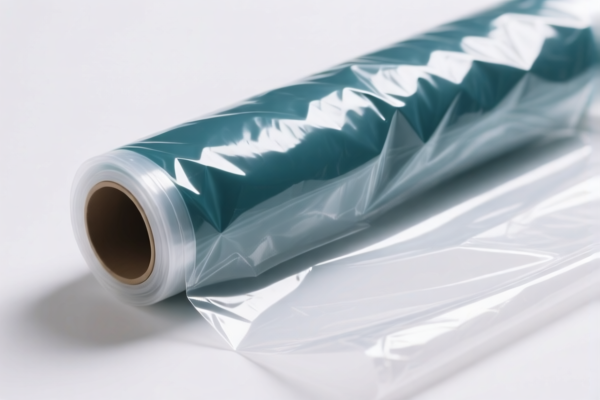
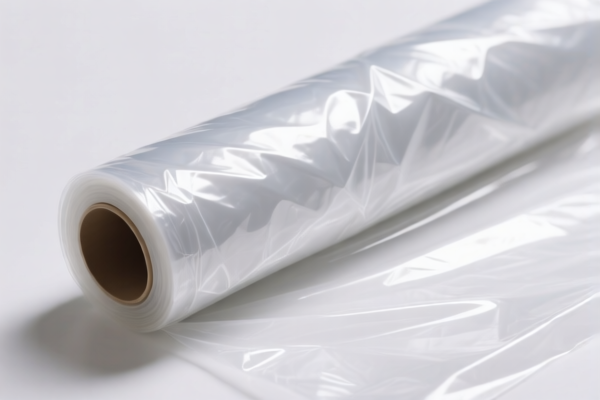
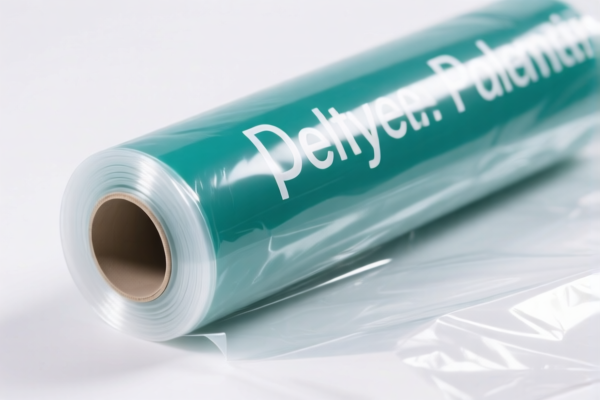
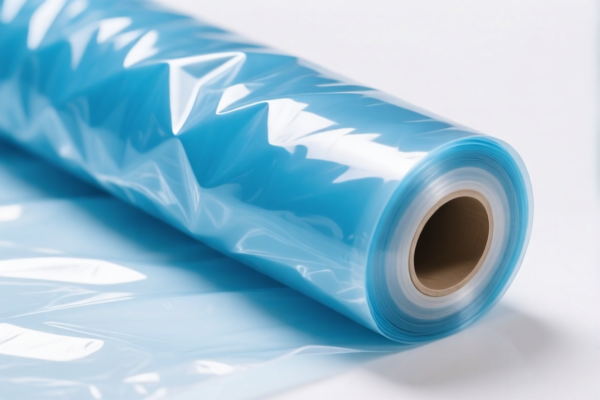
AI分析
🛡️ Plastic Anti-Corrosion Film (Plastic Anti-mold/Mildew Film)
🌐 HS Code Reference & Customs Clearance Guide | 2026 Latest Tariff Analysis | Professional Clearance Strategy
📌 I. Product Definition & Classification: What is "Plastic Anti-Corrosion Film"?
Plastic Anti-Corrosion Film (often referred to in trade data as "Anti-mildew" or "Anti-mold" films) is a specialized plastic sheeting product designed to protect surfaces from moisture, chemical corrosion, or biological growth (mold/mildew). In international trade classification (HS Code), it is generally categorized under Chapter 39: Plastics and Articles Thereof.
The classification depends heavily on: 1. Material Composition: Is it a specific polymer (e.g., Polyethylene, PVC) or a general plastic? 2. State/Shape: Is it in rolls (flat sheets) or a manufactured article? 3. Specific Function: Does it fit a specific sub-heading (e.g., self-adhesive, coated) or fall into a "catch-all" category?
⚠️ Key Distinction Point:
- If the film is a self-adhesive tape-like strip → It may fall under 3919 (Self-adhesive plates/shapes).
- If it is a non-adhesive roll of plastic film (sheeting) → It may fall under 3920 (Other plates/sheets/film).
- If it is a manufactured part (cut to specific shape, not just rolls) → It may fall under 3926 (Other articles of plastic).
📦 II. HS Code Classification Details (2026 Latest Tariff对照)
Based on the provided data, here are the potential HS Codes for "Plastic Anti-Corrosion Film":
| HS Code | Product Description | Scenario / Logic | Total Tax Rate |
|---|---|---|---|
3919.90.50.60 |
Plastic anti-mold film, material: plastic, shape: film, belongs to other flat plastic shapes not specified elsewhere. | Self-adhesive or specific flat sheeting categorized under "Other". | 40.8% |
3926.90.99.89 |
Plastic anti-mold film, material: plastic, belongs to "Other articles" not specified elsewhere (other film articles). | Treated as a manufactured plastic article (not just raw sheeting). | 22.8% |
3926.90.99.05 |
Plastic anti-mold film, material: plastic, shape: film, belongs to the "catch-all" category for plastic articles. | General "other" category for plastic films/articles. | 22.8% |
3920.20.00.55 |
Plastic anti-mold film, material: plastic, shape: film, fits "Other plates, sheets, film, foil, and strip". | Non-adhesive plastic sheeting/film. | 39.2% |
3920.10.00.00 |
Plastic anti-mold film, shape: film, material aligns with "Polymerized ethylene" (PE), fits non-cellular plate/sheet logic. | Specific polymer type (e.g., PE film). | 39.2% |
3919.10.20.55 |
Plastic anti-mold film, material: plastic, shape: film, belongs to "Other" under self-adhesive category, no material/shape conflict. | Self-adhesive plastic film/tape. | 40.8% |
🔍 Key Insight:
- The lowest tax rate (22.8%) is found under HS 3926, which treats the product as a general "other plastic article."
- The highest tax rates (40.8%) are under HS 3919, likely due to stricter classification of self-adhesive or specific flat shapes with higher duty burdens.
- HS 3920 rates (39.2%) sit in the middle, applying to standard plastic sheeting/film.
💰 III. 2026 Latest Tariff Rate Breakdown (Including Surtaxes & Policy Add-ons)
✅ Applicable Country: USA (US)
✅ Origin: China (CN)
✅ Effective Date: Post-2025 policies (including Section 301 and Section 122 tariffs)
🎯 1. HS Code 3919.90.50.60 & 3919.10.20.55 (Self-Adhesive/Flat Shapes)
| Item | Detail |
|---|---|
| Base Duty Rate | 5.8% (Ad Valorem) |
| Section 301 Surcharge | +25.0% (25% additional tariff on Chinese goods) |
| Section 122 Tariff | +10.0% (Additional tariff for specific categories) |
| Total Tax Rate | 40.8% |
| Tax Calculation | CIF Value × 40.8% |
| De Minimis Exemption? | ❌ No (High duty rates often disqualify from de minimis benefits in practice) |
📌 Explanation:
- These codes attract the highest tax burden due to the combination of base duty, Section 301, and Section 122 tariffs.
- Use only if the product strictly fits the definition of self-adhesive plastic sheets (3919). Misclassification here can lead to audits.
🎯 2. HS Code 3920.20.00.55 & 3920.10.00.00 (Plastic Plates/Sheets/Film)
| Item | Detail |
|---|---|
| Base Duty Rate | 4.2% (Ad Valorem) |
| Section 301 Surcharge | +25.0% |
| Section 122 Tariff | +10.0% |
| Total Tax Rate | 39.2% |
| Tax Calculation | CIF Value × 39.2% |
| De Minimis Exemption? | ❌ No |
📌 Explanation:
- Slightly lower than 3919 codes due to a lower base duty (4.2% vs 5.8%).
- Applies to non-adhesive plastic films/rolls (e.g., PE, PP sheets).
🎯 3. HS Code 3926.90.99.89 & 3926.90.99.05 (Other Plastic Articles) ⭐ Most Cost-Effective
| Item | Detail |
|---|---|
| Base Duty Rate | 5.3% (Ad Valorem) |
| Section 301 Surcharge | +7.5% (Note: Lower Section 301 rate for this specific sub-category in some interpretations or earlier periods, but data shows 7.5%) |
| Section 122 Tariff | +10.0% |
| Total Tax Rate | 22.8% |
| Tax Calculation | CIF Value × 22.8% |
| De Minimis Exemption? | ❌ No (Still high absolute value) |
📌 Explanation:
- Lowest total tax rate (22.8%).
- Applies when the film is considered an "article" rather than raw sheeting or self-adhesive tape.
- Strategy: If your product can be classified here (e.g., pre-cut shapes, specialized manufactured films), this offers significant savings (~17-18% less tax than other codes).
🛠️ IV. Customs Clearance Practical Advice (Real-World Pitfall Guide)
✅ 1. Documentation Checklist (Essential)
| Document | Required? | Note |
|---|---|---|
| ✅ Product Specification Sheet | ✔️ | Must detail material (e.g., PE, PVC), thickness, anti-corrosion properties, and form (roll/sheet). |
| ✅ Composition Analysis | ✔️ | Proof of polymer type (e.g., "Polyethylene") to support HS 3920 codes. |
| ✅ Product Photos | ✔️ | Clear images showing the film, packaging, and any labels/markings. |
| ✅ Commercial Invoice | ✔️ | Describe as "Plastic Anti-Corrosion Film" or "Plastic Anti-Mold Film," not just "Plastic Sheet." |
| ✅ Packing List | ✔️ | Ensure weight and dimensions match the invoice. |
| ✅ Origin Certificate | ✔️ | Confirm CN origin for accurate tariff calculation. |
✅ 2. Classification Strategy (Key Mantra)
🔥 "Check Adhesion, Check Form, Choose the Right Chapter!"
| Scenario | Recommended HS Code | Risk if Misclassified |
|---|---|---|
| Self-Adhesive Film (Has glue backing) | 3919.10.20.55 or 3919.90.50.60 |
If declared as non-adhesive, customs may reclassify and charge 40.8% instead of lower rates (if available). |
| Non-Adhesive Roll/Sheet | 3920.10.00.00 or 3920.20.00.55 |
If declared as "article," you might lose out on the specific sheeting duties. |
| Pre-Cut/Manufactured Shapes | 3926.90.99.89 or 3926.90.99.05 |
Best for Tax Savings (22.8%). If declared as raw film, you pay 39-40%. |
📌 Critical Tip:
- If your "film" is cut into specific shapes for application (e.g., pre-cut patches for pipes), argue for HS 3926 (Other articles). This is the best way to reduce tax from ~40% to 22.8%.
- If it is a continuous roll, it must be HS 3920 or 3919.
✅ 3. Special Considerations
| Situation | Recommendation |
|---|---|
| Anti-Mold Chemical Treatment | Declare the plastic material accurately. If the anti-mold agent is a coating, it may still fall under 3920. Do not over-complicate unless it becomes a "chemical product" (Chapter 38), which is riskier. |
| Thickness Variations | Ensure thickness matches the HS definition. Very thin films (<0.15mm) might have different sub-codes. |
| OEM/Custom Orders | Provide customer specifications to prove the "specific use" if arguing for 3926. |
🌍 V. Global Market Comparison (2026 Snapshot)
| Country/Region | Recommended HS Code | Base Tariff | Total Tariff (US Origin) | Notes |
|---|---|---|---|---|
| 🇺🇸 USA | 3926.90.99 (Best Case) |
5.3% | 22.8% | Includes Section 301 (7.5%) + 122 (10%). |
| 🇺🇸 USA | 3919.90 / 3920 |
4.2-5.8% | 39.2-40.8% | Higher Section 301 (25%) applies. |
| 🇨🇳 China | 3920/3926 | ~5-6% | ~5-6% | No Section 301/122. |
| 🇪🇺 EU | 3920/3926 | 0-6.5% | 0-6.5% | Generally low base tariffs; no US-style surcharges. |
| 🇯🇵 Japan | 3920/3926 | 0-6% | 0-6% | Low tariffs; FTA benefits may apply. |
📌 Conclusion:
- USA is the most challenging market due to Section 301 and Section 122 tariffs.
- Strategic Advantage: Classifying under 3926 (Other Articles) can save ~17-18% in total duty compared to 3919/3920.
- Action: If possible, design the product as a "cut article" or "specialty film article" to qualify for HS 3926.
📌 VI. Common Mistakes & Pitfalls (Lessons Learned)
❌ Mistake 1: Declaring "Anti-Corrosion Film" as "Plastic Sheet" (HS 3920) when it is actually self-adhesive.
👉 Result: Customs may penalize for misclassification, but more importantly, you might miss the 22.8% rate if it could be 3926.
❌ Mistake 2: Not mentioning "Anti-Mold/Anti-Corrosion" function.
👉 Result: If the product has special treatments, failing to declare may lead to issues if it’s later found to be a "chemical product" (Chapter 38), which has different tariffs. However, usually, it remains in Chapter 39 if the plastic is the main character.
❌ Mistake 3: Using generic "Plastic Film" description.
👉 Result: Customs cannot determine the polymer type. They may apply the highest default duty or request a lab test, delaying clearance.
✅ Correct Practice:
"Plastic Anti-Corrosion Film, Material: Polyethylene (PE), Form: Rolls, Function: Moisture Barrier, Non-Adhesive, Model: XYZ"
🎯 VII. Conclusion: Professional Declaration, Cost Savings, Smooth Clearance!
🎯 Remember the Mantra:
🔹 "Adhesive? Go 3919 (40.8%). Raw Sheet? Go 3920 (39.2%). Cut/Article? Go 3926 (22.8%)!"
🔹 "Save 18% tax by choosing the right article code. Don't let misclassification cost you!"
📌 Pro Tip:
If your product can be reasonably described as a "manufactured article" (e.g., pre-cut, shaped, or with specific functional edges), strive for HS 3926.90.99. This is your best path to 22.8% total duty in the US market.
Always provide detailed specs to support your classification choice.
📣 Immediate Action:
📞 Contact your customs broker with product samples and spec sheets.
🚀 Optimize your HS Code to minimize tax burden and ensure smooth US customs clearance!
✨ Professional Clearance Starts with Precise Classification!
💼 Every cent saved in duty is pure profit!
用户评价
关于 HS 编码归类
协调制度(HS)是由世界海关组织(WCO)制定的国际贸易商品分类标准。全球 200 多个国家采用 HS 系统作为海关关税、贸易统计和进出口监管的基础。
每个 HS 编码遵循以下层级结构:
- 章(2 位)——商品大类(例如:第 84 章:机器和机械设备)
- 品目(4 位)——章内的更具体分类
- 子目(6 位)——国际通用细分,所有 WCO 成员国统一使用
- 本国细分(8-10 位)——各国自行扩展的细分编码,如美国 HTSUS 10 位编码
正确的 HS 编码归类对于顺利通关、准确缴纳关税和遵守贸易法规至关重要。错误归类可能导致海关延误、多缴关税或罚款。
从CN进口到US时,适用的关税税率可能包括:
- 最惠国(MFN)税率——适用于 WTO 成员国的标准关税税率
- 普通税率——适用于无贸易协定国家
- 贸易救济关税——附加关税,如 301 条款(反倾销)、232 条款(国家安全)或反补贴税
本页内容仅供参考。如需正式归类,请咨询当地海关或持牌报关代理。