Plastic Anti corrosion Film
CN → US| HS Code | Tariff Rate | Origin | Destination | Doc |
|---|---|---|---|---|
| 3919905060 | 40.8% | CN | US | Official Doc |
| 3926909989 | 22.8% | CN | US | Official Doc |
| 3926909905 | 22.8% | CN | US | Official Doc |
| 3920200055 | 39.2% | CN | US | Official Doc |
| 3920100000 | 39.2% | CN | US | Official Doc |
| 3919102055 | 40.8% | CN | US | Official Doc |
Product Images
AI Analysis
🛡️ Plastic Anti-Corrosion Film (Plastic Anti-mold/Mildew Film)
🌐 HS Code Reference & Customs Clearance Guide | 2026 Latest Tariff Analysis | Professional Clearance Strategy
📌 I. Product Definition & Classification: What is "Plastic Anti-Corrosion Film"?
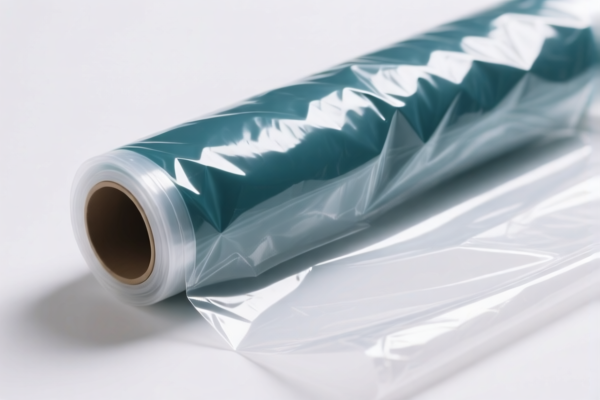
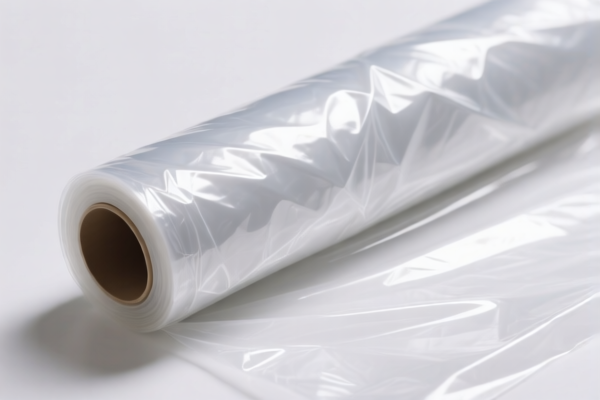
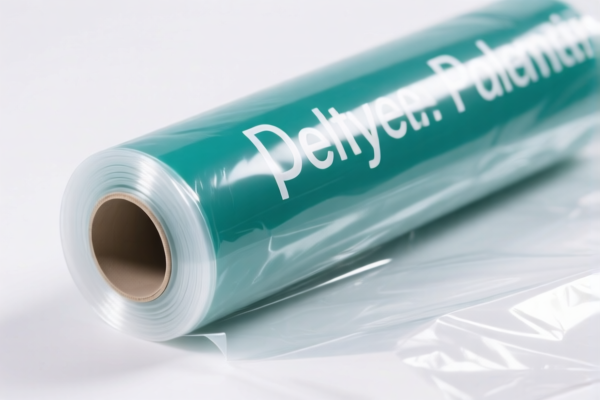
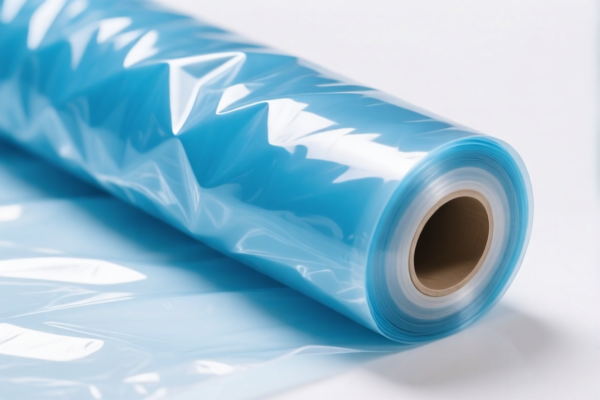
Plastic Anti-Corrosion Film (often referred to in trade data as "Anti-mildew" or "Anti-mold" films) is a specialized plastic sheeting product designed to protect surfaces from moisture, chemical corrosion, or biological growth (mold/mildew). In international trade classification (HS Code), it is generally categorized under Chapter 39: Plastics and Articles Thereof.
The classification depends heavily on: 1. Material Composition: Is it a specific polymer (e.g., Polyethylene, PVC) or a general plastic? 2. State/Shape: Is it in rolls (flat sheets) or a manufactured article? 3. Specific Function: Does it fit a specific sub-heading (e.g., self-adhesive, coated) or fall into a "catch-all" category?
⚠️ Key Distinction Point:
- If the film is a self-adhesive tape-like strip → It may fall under 3919 (Self-adhesive plates/shapes).
- If it is a non-adhesive roll of plastic film (sheeting) → It may fall under 3920 (Other plates/sheets/film).
- If it is a manufactured part (cut to specific shape, not just rolls) → It may fall under 3926 (Other articles of plastic).
📦 II. HS Code Classification Details (2026 Latest Tariff对照)
Based on the provided data, here are the potential HS Codes for "Plastic Anti-Corrosion Film":
| HS Code | Product Description | Scenario / Logic | Total Tax Rate |
|---|---|---|---|
3919.90.50.60 |
Plastic anti-mold film, material: plastic, shape: film, belongs to other flat plastic shapes not specified elsewhere. | Self-adhesive or specific flat sheeting categorized under "Other". | 40.8% |
3926.90.99.89 |
Plastic anti-mold film, material: plastic, belongs to "Other articles" not specified elsewhere (other film articles). | Treated as a manufactured plastic article (not just raw sheeting). | 22.8% |
3926.90.99.05 |
Plastic anti-mold film, material: plastic, shape: film, belongs to the "catch-all" category for plastic articles. | General "other" category for plastic films/articles. | 22.8% |
3920.20.00.55 |
Plastic anti-mold film, material: plastic, shape: film, fits "Other plates, sheets, film, foil, and strip". | Non-adhesive plastic sheeting/film. | 39.2% |
3920.10.00.00 |
Plastic anti-mold film, shape: film, material aligns with "Polymerized ethylene" (PE), fits non-cellular plate/sheet logic. | Specific polymer type (e.g., PE film). | 39.2% |
3919.10.20.55 |
Plastic anti-mold film, material: plastic, shape: film, belongs to "Other" under self-adhesive category, no material/shape conflict. | Self-adhesive plastic film/tape. | 40.8% |
🔍 Key Insight:
- The lowest tax rate (22.8%) is found under HS 3926, which treats the product as a general "other plastic article."
- The highest tax rates (40.8%) are under HS 3919, likely due to stricter classification of self-adhesive or specific flat shapes with higher duty burdens.
- HS 3920 rates (39.2%) sit in the middle, applying to standard plastic sheeting/film.
💰 III. 2026 Latest Tariff Rate Breakdown (Including Surtaxes & Policy Add-ons)
✅ Applicable Country: USA (US)
✅ Origin: China (CN)
✅ Effective Date: Post-2025 policies (including Section 301 and Section 122 tariffs)
🎯 1. HS Code 3919.90.50.60 & 3919.10.20.55 (Self-Adhesive/Flat Shapes)
| Item | Detail |
|---|---|
| Base Duty Rate | 5.8% (Ad Valorem) |
| Section 301 Surcharge | +25.0% (25% additional tariff on Chinese goods) |
| Section 122 Tariff | +10.0% (Additional tariff for specific categories) |
| Total Tax Rate | 40.8% |
| Tax Calculation | CIF Value × 40.8% |
| De Minimis Exemption? | ❌ No (High duty rates often disqualify from de minimis benefits in practice) |
📌 Explanation:
- These codes attract the highest tax burden due to the combination of base duty, Section 301, and Section 122 tariffs.
- Use only if the product strictly fits the definition of self-adhesive plastic sheets (3919). Misclassification here can lead to audits.
🎯 2. HS Code 3920.20.00.55 & 3920.10.00.00 (Plastic Plates/Sheets/Film)
| Item | Detail |
|---|---|
| Base Duty Rate | 4.2% (Ad Valorem) |
| Section 301 Surcharge | +25.0% |
| Section 122 Tariff | +10.0% |
| Total Tax Rate | 39.2% |
| Tax Calculation | CIF Value × 39.2% |
| De Minimis Exemption? | ❌ No |
📌 Explanation:
- Slightly lower than 3919 codes due to a lower base duty (4.2% vs 5.8%).
- Applies to non-adhesive plastic films/rolls (e.g., PE, PP sheets).
🎯 3. HS Code 3926.90.99.89 & 3926.90.99.05 (Other Plastic Articles) ⭐ Most Cost-Effective
| Item | Detail |
|---|---|
| Base Duty Rate | 5.3% (Ad Valorem) |
| Section 301 Surcharge | +7.5% (Note: Lower Section 301 rate for this specific sub-category in some interpretations or earlier periods, but data shows 7.5%) |
| Section 122 Tariff | +10.0% |
| Total Tax Rate | 22.8% |
| Tax Calculation | CIF Value × 22.8% |
| De Minimis Exemption? | ❌ No (Still high absolute value) |
📌 Explanation:
- Lowest total tax rate (22.8%).
- Applies when the film is considered an "article" rather than raw sheeting or self-adhesive tape.
- Strategy: If your product can be classified here (e.g., pre-cut shapes, specialized manufactured films), this offers significant savings (~17-18% less tax than other codes).
🛠️ IV. Customs Clearance Practical Advice (Real-World Pitfall Guide)
✅ 1. Documentation Checklist (Essential)
| Document | Required? | Note |
|---|---|---|
| ✅ Product Specification Sheet | ✔️ | Must detail material (e.g., PE, PVC), thickness, anti-corrosion properties, and form (roll/sheet). |
| ✅ Composition Analysis | ✔️ | Proof of polymer type (e.g., "Polyethylene") to support HS 3920 codes. |
| ✅ Product Photos | ✔️ | Clear images showing the film, packaging, and any labels/markings. |
| ✅ Commercial Invoice | ✔️ | Describe as "Plastic Anti-Corrosion Film" or "Plastic Anti-Mold Film," not just "Plastic Sheet." |
| ✅ Packing List | ✔️ | Ensure weight and dimensions match the invoice. |
| ✅ Origin Certificate | ✔️ | Confirm CN origin for accurate tariff calculation. |
✅ 2. Classification Strategy (Key Mantra)
🔥 "Check Adhesion, Check Form, Choose the Right Chapter!"
| Scenario | Recommended HS Code | Risk if Misclassified |
|---|---|---|
| Self-Adhesive Film (Has glue backing) | 3919.10.20.55 or 3919.90.50.60 |
If declared as non-adhesive, customs may reclassify and charge 40.8% instead of lower rates (if available). |
| Non-Adhesive Roll/Sheet | 3920.10.00.00 or 3920.20.00.55 |
If declared as "article," you might lose out on the specific sheeting duties. |
| Pre-Cut/Manufactured Shapes | 3926.90.99.89 or 3926.90.99.05 |
Best for Tax Savings (22.8%). If declared as raw film, you pay 39-40%. |
📌 Critical Tip:
- If your "film" is cut into specific shapes for application (e.g., pre-cut patches for pipes), argue for HS 3926 (Other articles). This is the best way to reduce tax from ~40% to 22.8%.
- If it is a continuous roll, it must be HS 3920 or 3919.
✅ 3. Special Considerations
| Situation | Recommendation |
|---|---|
| Anti-Mold Chemical Treatment | Declare the plastic material accurately. If the anti-mold agent is a coating, it may still fall under 3920. Do not over-complicate unless it becomes a "chemical product" (Chapter 38), which is riskier. |
| Thickness Variations | Ensure thickness matches the HS definition. Very thin films (<0.15mm) might have different sub-codes. |
| OEM/Custom Orders | Provide customer specifications to prove the "specific use" if arguing for 3926. |
🌍 V. Global Market Comparison (2026 Snapshot)
| Country/Region | Recommended HS Code | Base Tariff | Total Tariff (US Origin) | Notes |
|---|---|---|---|---|
| 🇺🇸 USA | 3926.90.99 (Best Case) |
5.3% | 22.8% | Includes Section 301 (7.5%) + 122 (10%). |
| 🇺🇸 USA | 3919.90 / 3920 |
4.2-5.8% | 39.2-40.8% | Higher Section 301 (25%) applies. |
| 🇨🇳 China | 3920/3926 | ~5-6% | ~5-6% | No Section 301/122. |
| 🇪🇺 EU | 3920/3926 | 0-6.5% | 0-6.5% | Generally low base tariffs; no US-style surcharges. |
| 🇯🇵 Japan | 3920/3926 | 0-6% | 0-6% | Low tariffs; FTA benefits may apply. |
📌 Conclusion:
- USA is the most challenging market due to Section 301 and Section 122 tariffs.
- Strategic Advantage: Classifying under 3926 (Other Articles) can save ~17-18% in total duty compared to 3919/3920.
- Action: If possible, design the product as a "cut article" or "specialty film article" to qualify for HS 3926.
📌 VI. Common Mistakes & Pitfalls (Lessons Learned)
❌ Mistake 1: Declaring "Anti-Corrosion Film" as "Plastic Sheet" (HS 3920) when it is actually self-adhesive.
👉 Result: Customs may penalize for misclassification, but more importantly, you might miss the 22.8% rate if it could be 3926.
❌ Mistake 2: Not mentioning "Anti-Mold/Anti-Corrosion" function.
👉 Result: If the product has special treatments, failing to declare may lead to issues if it’s later found to be a "chemical product" (Chapter 38), which has different tariffs. However, usually, it remains in Chapter 39 if the plastic is the main character.
❌ Mistake 3: Using generic "Plastic Film" description.
👉 Result: Customs cannot determine the polymer type. They may apply the highest default duty or request a lab test, delaying clearance.
✅ Correct Practice:
"Plastic Anti-Corrosion Film, Material: Polyethylene (PE), Form: Rolls, Function: Moisture Barrier, Non-Adhesive, Model: XYZ"
🎯 VII. Conclusion: Professional Declaration, Cost Savings, Smooth Clearance!
🎯 Remember the Mantra:
🔹 "Adhesive? Go 3919 (40.8%). Raw Sheet? Go 3920 (39.2%). Cut/Article? Go 3926 (22.8%)!"
🔹 "Save 18% tax by choosing the right article code. Don't let misclassification cost you!"
📌 Pro Tip:
If your product can be reasonably described as a "manufactured article" (e.g., pre-cut, shaped, or with specific functional edges), strive for HS 3926.90.99. This is your best path to 22.8% total duty in the US market.
Always provide detailed specs to support your classification choice.
📣 Immediate Action:
📞 Contact your customs broker with product samples and spec sheets.
🚀 Optimize your HS Code to minimize tax burden and ensure smooth US customs clearance!
✨ Professional Clearance Starts with Precise Classification!
💼 Every cent saved in duty is pure profit!
Customer Reviews
About HS Code Classification
The Harmonized System (HS) is an internationally standardized nomenclature developed by the World Customs Organization (WCO) to classify traded products. Over 200 countries use the HS system as the basis for customs tariffs, trade statistics, and import/export regulations.
Each HS code follows a hierarchical structure:
- Chapter (2 digits) — Broad category of goods (e.g., Chapter 84: Machinery and Mechanical Appliances)
- Heading (4 digits) — More specific grouping within the chapter
- Subheading (6 digits) — Internationally standardized breakdown, used by all WCO member countries
- National subdivisions (8-10 digits) — Country-specific extensions for further classification, such as US HTSUS 10-digit codes
Correct HS code classification is essential for smooth customs clearance, accurate duty payment, and compliance with trade regulations. Misclassification can lead to customs delays, overpayment of duties, or penalties.
When importing from CN to US, the applicable tariff rates may include:
- Most-Favored-Nation (MFN) rate — The standard duty rate applied to WTO members
- General rate — Applied to countries without trade agreements
- Trade remedy duties — Additional tariffs such as Section 301 (anti-dumping), Section 232 (national security), or countervailing duties
The information provided on this page is for reference purposes only. For official classification, please consult with your local customs authority or a licensed customs broker.