Plastic Anti static Film
CN → US| HS编码 | 关税税率 | 原产国 | 目的国 | 文档 |
|---|---|---|---|---|
| 3919905060 | 40.8% | CN | US | 官方文档 |
| 3926909989 | 22.8% | CN | US | 官方文档 |
| 3919102055 | 40.8% | CN | US | 官方文档 |
| 3926909400 | 35.0% | CN | US | 官方文档 |
| 3920992000 | 39.2% | CN | US | 官方文档 |
商品图片
AI分析
🛡️ Plastic Anti-Static Film (Electrostatic Dissipative Film)
🌐 HS Code Classification & Duty Analysis | 2026 US Import Guide | Anti-Static Plastic Films
📌 Product Category: Plastic Articles / Self-Adhesive Films / Flexible Sheets
🎯 Target Market: United States (US)
🇨🇳 Origin: China (CN)
⚠️ Critical Risk: High additional tariffs (Section 301 + IEEPA) due to Chinese origin.
📦 Product Definition: What is "Anti-Static Film"?
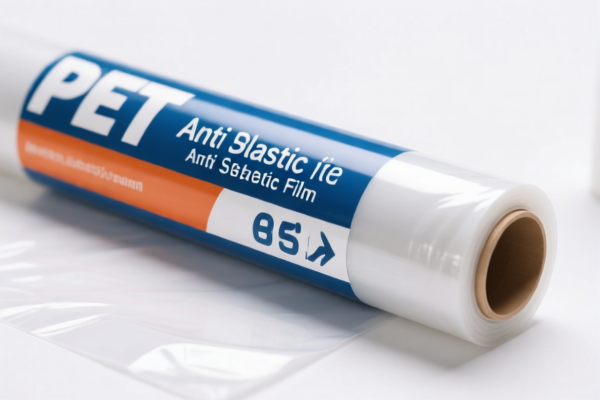
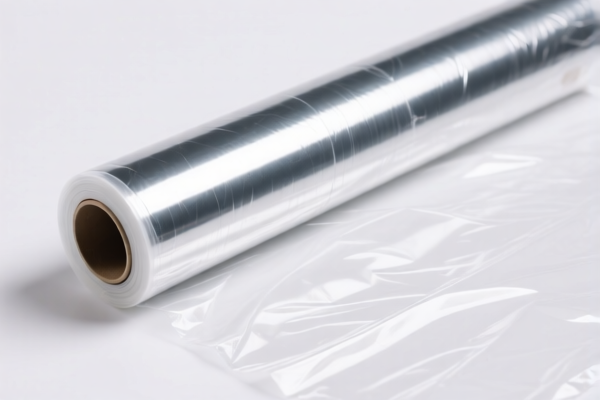
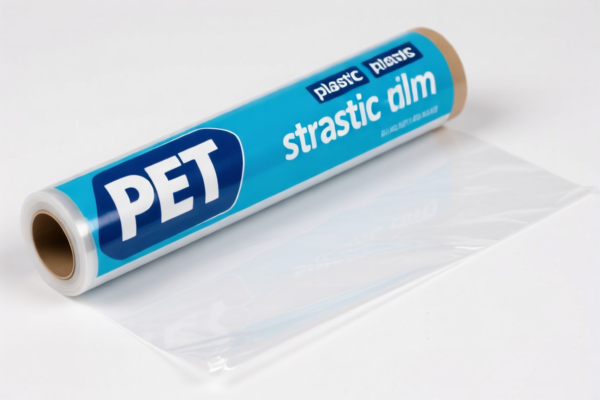
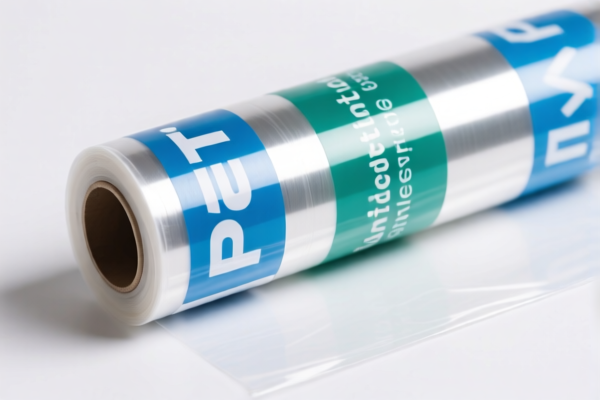
Plastic anti-static film is a flexible polymeric sheet designed to prevent the accumulation of static electricity, which can damage sensitive electronic components. It is commonly used in: * Electronics Packaging: Wrapping PCBs, chips, and circuit boards. * Industrial Manufacturing: Protecting surfaces during assembly. * Food & Pharma: Sometimes used for static control in specific processing lines.
Key Characteristics for Classification: 1. Material: Plastic (Polyethylene, PVC, PET, etc.). 2. Form: Roll/film (self-adhesive or non-adhesive). 3. Function: Electrostatic dissipation/protection. 4. Shape: Flat, flexible, non-rigid.
⚠️ Critical Distinction:
- Is it self-adhesive (has glue/coating)? → Look at 3919.
- Is it non-adhesive (plain film) or specialized sheet? → Look at 3926 or 3920.
📋 HS Code Classification Breakdown (Strictly Based on Provided Data)
Below are the 5 possible HS Codes from your data, ranked by likelihood and duty impact.
| HS Code | Product Description (Summary) | Key Classification Criteria | Total Duty Rate | Tax Details |
|---|---|---|---|---|
| 3919.90.50.60 | Plastic, Self-Adhesive Film | Fits definition of plastic self-adhesive film. Likely if the anti-static film has a glue layer or is a "self-adhesive tape/film" variant. | 40.8% | Base: 5.8% Section 301: 25.0% 122 Clause: 10% |
| 3919.10.20.55 | Plastic, Flat Self-Adhesive Film | Fits definition of plastic flat-shaped self-adhesive film. Similar to above, but specifies "flat shape". | 40.8% | Base: 5.8% Section 301: 25.0% 122 Clause: 10% |
| 3920.99.20.00 | Plastic, Non-Celled, Non-Reinforced Flexible Film | Fits definition of non-cellular, non-reinforced flexible plastic film. Likely if it is a plain anti-static film (no glue). | 39.2% | Base: 4.2% Section 301: 25.0% 122 Clause: 10% |
| 3926.90.94.00 | Plastic Articles, Specific Sheets | Fits definition of plastic articles and specific sheet properties. Used if it doesn't fit strictly as "film" under 3920/3919 but as a "sheet/article". | 35.0% | Base: 0.0% Section 301: 25.0% 122 Clause: 10% |
| 3926.90.99.89 | Plastic Articles, Other | Fits definition of plastic articles category. Catch-all for plastic items not specified elsewhere. | 22.8% | Base: 5.3% Section 301: 7.5% 122 Clause: 10% |
🔍 Analysis Note:
- The lowest duty (22.8%) is under 3926.90.99.89, but this is a "catch-all" for plastic articles. It requires proving the item is not a "film" (3920) or "self-adhesive" (3919).
- The highest duty (40.8%) applies to self-adhesive films (3919).
- The 3920 and 3926.94 codes represent non-adhesive films/sheets with moderate duties.
💰 Detailed Duty Structure Explanation
All HS Codes from the provided data include the following components:
-
Base Tariff (MFN Rate):
- Varies from 0.0% to 5.8% depending on the specific subheading.
- This is the standard WTO Most Favored Nation rate.
-
Section 301 Additional Tariff (China-Specific):
- 25.0% for HS Codes 3919 and 3920/3926.94.
- 7.5% for HS Code 3926.90.99.89.
- Reason: Retaliatory tariffs imposed by the US on Chinese goods under Section 301 of the Trade Act.
-
"122 Clause" Tariff (IEEPA/Executive Order):
- 10% for all listed codes.
- Reason: Additional tariffs imposed under specific executive orders targeting Chinese imports (often referred to as "122" in internal systems).
📊 Total Effective Duty Rate Summary
| HS Code | Base | Sec 301 | 122 Clause | TOTAL |
|---|---|---|---|---|
| 3919.90.50.60 | 5.8% | 25.0% | 10% | 40.8% |
| 3919.10.20.55 | 5.8% | 25.0% | 10% | 40.8% |
| 3920.99.20.00 | 4.2% | 25.0% | 10% | 39.2% |
| 3926.90.94.00 | 0.0% | 25.0% | 10% | 35.0% |
| 3926.90.99.89 | 5.3% | 7.5% | 10% | 22.8% |
⚠️ Warning:
- The 22.8% rate is the lowest but is only applicable if the item is not classified as a "film" (3920) or "self-adhesive" (3919).
- Misclassification can lead to penalties, interest, and retroactive duties.
🛠️ Customs Clearance Recommendations & Best Practices
✅ 1. Documentation Requirements
| Document | Purpose | Key Details to Include |
|---|---|---|
| Product Description | Clear identification | "Anti-Static Plastic Film", "Electrostatic Dissipative Sheet", Material (e.g., PE, PVC), Thickness, Width, Length. |
| Technical Data Sheet | Justify HS Code | Must specify: 1. Adhesive? (Yes/No) 2. Cellular? (Yes/No) 3. Reinforced? (Yes/No) |
| Commercial Invoice | Valuation & Origin | Must clearly state: - HS Code (preliminary) - Country of Origin: China - Total Value (CIF) |
| Packing List | Quantity & Weight | Net weight, gross weight, dimensions. |
| Bill of Lading/Air Waybill | Transport | Carrier info, vessel/flight details. |
| Certificate of Origin (CO) | Prove Origin | Mandatory for Chinese goods to verify Section 301 applicability. |
✅ 2. Classification Strategy: How to Choose the Right HS Code
🎯 Scenario A: Self-Adhesive Anti-Static Film
(e.g., Anti-static tape, film with glue backing)
Likely HS Code: 3919.90.50.60 or 3919.10.20.55
Duty: 40.8%
Why: The presence of adhesive places it in Chapter 39, Heading 3919.
Action: Confirm if the film has a pressure-sensitive adhesive layer.
🎯 Scenario B: Non-Adhesive, Flexible Plastic Film
(e.g., Plain anti-static polyethylene film, no glue)
Likely HS Code: 3920.99.20.00
Duty: 39.2%
Why: It is a "non-cellular, non-reinforced flexible plastic film".
Action: Provide material composition (e.g., "Low-Density Polyethylene, LDPE").
🎯 Scenario C: Anti-Static "Sheet" or "Article"
(e.g., Rigid anti-static sheets, or items not fitting "film" definition)
Likely HS Code: 3926.90.94.00 or 3926.90.99.89
Duty: 35.0% or 22.8%
Why: If it is not a "film" (too thick? rigid?) or not "self-adhesive", it may fall under "Other Plastic Articles".
Action:
- For 3926.90.94.00 (35%): Argue it fits "specific sheet properties".
- For 3926.90.99.89 (22.8%): Argue it is a "plastic article" not specified elsewhere. Note: This is the lowest duty, but highest risk of challenge. Use only if the item is clearly not a film or self-adhesive.
✅ 3. Clearance Tips to Avoid Delays
-
Avoid Ambiguous Descriptions:
- ❌ Bad: "Plastic Film"
- ✅ Good: "Anti-Static Electrostatic Dissipative Polyethylene Film, Non-Adhesive, Roll Form, Width 50cm"
-
Declare Material Composition:
- Customs officers need to know if it is "cellular" (foam) or "non-cellular". Anti-static films are typically non-cellular.
-
Highlight Non-Adhesive Status (If Applicable):
- If using 3920 or 3926, explicitly state "NON-ADHESIVE" on the invoice to avoid misclassification under 3919.
-
Prepare for Section 301 Scrutiny:
- Ensure the Certificate of Origin is valid and clearly states "China". Any ambiguity can lead to delays in applying the correct tariff.
-
Consider Pre-Ruling (Advance Ruling):
- If the duty savings between 3926.90.99.89 (22.8%) and 3920.99.20.00 (39.2%) are significant, apply for a CBP Pre-Ruling to get a binding classification decision.
🚫 Common Mistakes to Avoid
| Mistake | Consequence | Solution |
|---|---|---|
| Mislabeling Self-Adhesive as Non-Adhesive | Underpayment of duty (40.8% vs 39.2% or 22.8%) + Penalties | Clearly state "Self-Adhesive" or "Non-Adhesive" on invoice. |
| Using 3926.90.99.89 Without Justification | CBP may reclassify to 3919 or 3920, adding 17-18% in duties | Only use if the item is truly a "plastic article" and not a "film". |
| Omitting Material Composition | CBP may assign a "highest duty" default rate | Always include "Polyethylene", "PVC", etc. |
| Incorrect Country of Origin | Failure to apply Section 301 correctly → Audit risk | Ensure CO matches the product's actual manufacturing origin. |
📌 Conclusion & Final Recommendation
For Plastic Anti-Static Film:
- If Self-Adhesive: Expect 40.8% total duty (HS 3919).
- If Non-Adhesive Film: Expect 39.2% total duty (HS 3920).
- If Non-Adhesive Sheet/Article: Consider 35.0% (HS 3926.94) or 22.8% (HS 3926.99), but be prepared to justify why it is not a "film".
💡 Pro Tip:
The 22.8% rate (3926.90.99.89) is the most attractive but requires strong justification that the product is not a "film" or "self-adhesive". If your product is a standard flexible roll, it is likely classified under 3919 or 3920.Recommendation:
- If your product is plain anti-static film, use 3920.99.20.00 (39.2%).
- If your product has adhesive, use 3919.90.50.60 (40.8%).
- Only use 3926 codes if the product is a rigid sheet or has unique properties that exclude it from "film" definitions.
📣 Immediate Action:
📞 Contact your customs broker with the exact material composition and adhesive status of your anti-static film.
📄 Request a Pre-Ruling if the duty difference is significant.
🚀 Accurate classification saves thousands in duties.
✨ Professional Clearance Starts with Precision!
💼 Every percentage point counts in cross-border trade.
用户评价
关于 HS 编码归类
协调制度(HS)是由世界海关组织(WCO)制定的国际贸易商品分类标准。全球 200 多个国家采用 HS 系统作为海关关税、贸易统计和进出口监管的基础。
每个 HS 编码遵循以下层级结构:
- 章(2 位)——商品大类(例如:第 84 章:机器和机械设备)
- 品目(4 位)——章内的更具体分类
- 子目(6 位)——国际通用细分,所有 WCO 成员国统一使用
- 本国细分(8-10 位)——各国自行扩展的细分编码,如美国 HTSUS 10 位编码
正确的 HS 编码归类对于顺利通关、准确缴纳关税和遵守贸易法规至关重要。错误归类可能导致海关延误、多缴关税或罚款。
从CN进口到US时,适用的关税税率可能包括:
- 最惠国(MFN)税率——适用于 WTO 成员国的标准关税税率
- 普通税率——适用于无贸易协定国家
- 贸易救济关税——附加关税,如 301 条款(反倾销)、232 条款(国家安全)或反补贴税
本页内容仅供参考。如需正式归类,请咨询当地海关或持牌报关代理。