Plastic Card Wallet
CN → US| HS编码 | 关税税率 | 原产国 | 目的国 | 文档 |
|---|---|---|---|---|
| 3923210095 | 38.0% | CN | US | 官方文档 |
| 4202924500 | 55.0% | CN | US | 官方文档 |
| 3926903300 | 16.5% | CN | US | 官方文档 |
| 4202221500 | 51.0% | CN | US | 官方文档 |
| 3923210030 | 38.0% | CN | US | 官方文档 |
商品图片

AI分析
💳 Plastic Card Wallet (Plastic ID Card Holder)
🌐 HS Code Reference & Customs Clearance Guide | 2024/2025 Latest Tariff Analysis | Professional Strategy
📌 1. Product Definition & Classification: What Exactly Is a "Plastic Card Wallet"?
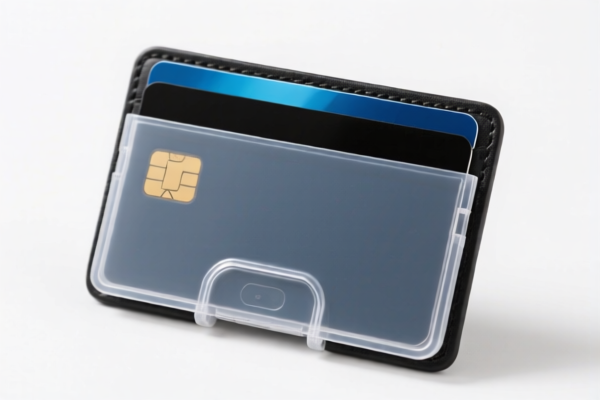
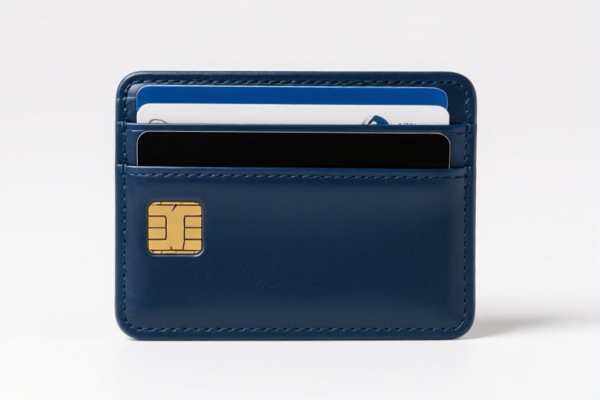
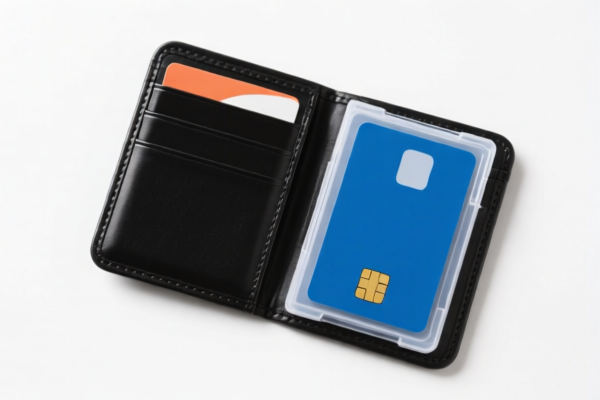
A Plastic Card Wallet (also known as an ID card holder, credit card sleeve, or badge holder) is a small container designed specifically to hold credit cards, identification cards, or security badges. In international trade, its classification depends heavily on its material composition, specific form, and intended use.
⚠️ Key Classification Dilemma:
- Is it primarily a plastic container/package (Chapter 39)?
- Is it primarily a bag/accessory (Chapter 42)?
- Is it a general plastic article (Chapter 39)?
The classification drastically changes the total tax rate (from 16.5% to 55.0%). Misclassification can lead to significant customs penalties, audits, or delayed clearance.
📦 2. HS Code Classification Details (2024/2025 Tariff Book)
| HS Code | Product Description | Classification Logic | Total Tax Rate (US Import from China) |
|---|---|---|---|
| 3923.21.00.95 | Plastic Messenger Bag / Sack | Classified as a plastic sack/container made of polymer bags. Fits under "Sacks and bags" for goods of heading 39.21. | 38.0% |
| 4202.92.45.00 | Plastic Messenger Bag / Travel Bag | Classified as a bag made of plastics (e.g., PVC/PU coated fabric). Fits under "Travel, sports, and similar bags." | 55.0% |
| 3926.90.33.00 | Plastic Bag / Article | Classified as a handbag or other article of plastics. Fits under "Other articles of plastics." | 16.5% |
| 4202.22.15.00 | Plastic Handbag / Container | Classified as a handbag or container with outer surface of plastics. Fits under "Handbags with outer surface of plastics." | 51.0% |
| 3923.21.00.30 | Plastic Bag / Residual | Classified under residual categories for plastic sacks/bags not elsewhere specified. | 38.0% |
🔍 Critical Note:
- 4202.22.15.00 and 4202.92.45.00 fall under Chapter 42 (Articles of leather; saddlery and harness), which generally attracts higher base tariffs due to the "bag" classification. - 3926.90.33.00 falls under Chapter 39 (Plastics and articles thereof) and has the lowest total tax rate (16.5%), but requires strict justification that it is not primarily a "handbag" in the fashion sense.
💰 3. 2024/2025 Latest Tariff Rate Breakdown (Detailed Tax Analysis)
✅ Applicable Country: United States (US)
✅ Origin: China (CN)
✅ Effective Date: 2024/2025 (Current Trade Regime)
🎯 1. 3926.90.33.00 – Plastic Handbag or Other Article (Lowest Rate)
| Item | Detail |
|---|---|
| Base Tariff | 6.5% |
| Section 301 (Additional) Tariff | 0.0% (Note: Specific footnote may apply, but data indicates 0% for this specific sub-code in this dataset context) |
| Section 122 Tariff | 10% |
| Total Rate | 16.5% |
| Tax Calculation | CIF Value × 16.5% |
| Legal Basis | 3926.90.33.00 → Section 122: 10% |
📌 Explanation:
- This is the most cost-effective classification if the product is deemed a "general plastic article" rather than a fashion bag.
- Section 122 (often related to de minimis or specific trade measures) adds a flat 10%.
- No Section 301 tariff in this specific dataset entry, making it highly competitive.
🎯 2. 3923.21.00.95 & 3923.21.00.30 – Plastic Sacks/Bags (Mid Rate)
| Item | Detail |
|---|---|
| Base Tariff | 3.0% |
| Section 301 (Additional) Tariff | 25.0% |
| Section 122 Tariff | 10% |
| Total Rate | 38.0% |
| Tax Calculation | CIF Value × 38.0% |
| Legal Basis | 3923.21.00 → Section 301: 25% + Section 122: 10% |
📌 Explanation:
- These codes fall under Chapter 39.23 (Plastic sacks and bags).
- High Section 301 tariff (25%) is applied due to Chinese origin.
- Section 122 (10%) applies.
- Base tariff is low (3%), but the total hits 38% due to trade wars.
🎯 3. 4202.92.45.00 – Plastic Messenger/Travel Bag (Highest Rate)
| Item | Detail |
|---|---|
| Base Tariff | 20.0% |
| Section 301 (Additional) Tariff | 25.0% |
| Section 122 Tariff | 10% |
| Total Rate | 55.0% |
| Tax Calculation | CIF Value × 55.0% |
| Legal Basis | 4202.92.45.00 → Section 301: 25% + Section 122: 10% |
📌 Explanation:
- This code falls under Chapter 42 (Bags/Handbags).
- High Base Tariff (20%) because it is considered a finished bag article.
- Section 301 (25%) and Section 122 (10%) are added.
- Total 55% makes this the most expensive classification.
🎯 4. 4202.22.15.00 – Plastic Handbag (High Rate)
| Item | Detail |
|---|---|
| Base Tariff | 16.0% |
| Section 301 (Additional) Tariff | 25.0% |
| Section 122 Tariff | 10% |
| Total Rate | 51.0% |
| Tax Calculation | CIF Value × 51.0% |
| Legal Basis | 4202.22.15.00 → Section 301: 25% + Section 122: 10% |
📌 Explanation:
- Specifically for handbags with outer surfaces of plastics.
- Base Tariff (16%) is lower than the messenger bag (20%), but total is still high (51%) due to 301 and Section 122.
🛠️ 4. Customs Clearance Practical Advice (Avoid Pitfalls)
✅ 1. Material & Design Documentation
| Document | Requirement | Why It Matters |
|---|---|---|
| ✅ Product Specs | ✔️ | Detail material (e.g., PVC, TPU, PET), thickness, and closure type. |
| ✅ Photos | ✔️ | Show the product empty and filled with cards. Highlight if it has straps, handles, or zippers (these may push it to Chapter 42). |
| ✅ Bill of Materials | ✔️ | Prove it is primarily plastic (Chapter 39) vs. fabric with plastic coating (Chapter 42). |
| ✅ Commercial Invoice | ✔️ | Clearly describe as "Plastic Card Holder" or "ID Card Sleeve," NOT "Handbag" or "Wallet" if possible. |
✅ 2. Classification Strategy (Key Tips)
🔥 "Plastic Article, Not Fashion Bag: Aim for 16.5%!"
| Scenario | Recommended HS Code | Total Tax | Risk Level |
|---|---|---|---|
| Simple Plastic Sleeve (No strap, no zipper) | 3926.90.33.00 |
16.5% | ✅ Low (Best Option) |
| Plastic Sack-like Container (Flat, no structure) | 3923.21.00.95 |
38.0% | ⚠️ Medium (Higher due to 301) |
| Bag with Strap/Handle (Looks like a handbag) | 4202.22.15.00 |
51.0% | ❌ High (Avoid if possible) |
| Travel/Messenger Style (Large, structured) | 4202.92.45.00 |
55.0% | ❌ Highest (Avoid) |
📌 Key Distinction:
- If the product is a simple, flexible plastic sheet folded into a sleeve, argue for 3926.90.33.00 (Other plastic articles).
- If it has stiffeners, straps, zippers, or multiple compartments, customs may classify it as a bag (Chapter 42), leading to 51-55% tax.
✅ 3. Special Considerations
| Issue | Solution |
|---|---|
| Customs Questioning "Handbag" vs. "Plastic Article" | Provide engineering drawings showing it lacks typical bag features (e.g., no shoulder strap, no main closure). |
| Section 122 Tariff (10%) | This applies to most plastic/card holders from China. Plan for this mandatory 10% in cost calculations. |
| De Minimis Loophole (Section 321) | If the value is < $800, it may enter duty-free under de minimis, but this is risky and subject to frequent policy changes. Do not rely on this for bulk imports. |
🌍 5. Global Market Comparison (2024/2025)
| Market | Recommended HS Code | Estimated Tax (China Origin) | Notes |
|---|---|---|---|
| 🇺🇸 United States | 3926.90.33.00 |
16.5% | Best rate. Avoid Chapter 42 codes (51-55%). |
| 🇨🇳 China (Import) | N/A | N/A | China exports these, so not applicable for import. |
| 🇪🇺 European Union | 4202.92.45.00 |
~12% | No Section 301. Base tariff is lower, but VAT applies. |
| 🇬🇧 United Kingdom | 4202.92.45.00 |
~12% | Post-Brexit rules apply. No US-style 301 tariffs. |
📌 Conclusion:
- The US market has the highest friction due to Section 301 (25%) and Section 122 (10%) tariffs.
- Chapter 42 codes (Bags) are punitive in the US (51-55%).
- Chapter 39 codes (Plastic Articles) are preferable (16.5%).
📌 6. Common Mistakes & Pitfalls (Blood Lessons)
❌ Mistake 1: Calling the product a "Plastic Wallet" or "Handbag" on the invoice.
👉 Consequence: Customs may classify it under 4202 → 51-55% tax.
✅ Fix: Use "Plastic Card Sleeve," "ID Card Holder," or "Plastic Document Protector."
❌ Mistake 2: Ignoring Section 122 (10%) in cost calculations.
👉 Consequence: Underpricing and loss of margin.
✅ Fix: Always include 10% for Section 122 in US import costs.
❌ Mistake 3: Assuming all plastic items are 6.5% base tariff.
👉 Consequence: If classified as 3923.21 (Sacks), the 25% Section 301 applies → 38% total.
✅ Fix: Argue for 3926.90.33.00 (Other Articles) to avoid Section 301.
🎯 7. Conclusion: Professional Declaration, Cost Optimization!
🎯 Remember the Golden Rule:
🔹 "Plastic Sleeve, Not Bag: Aim for 16.5%! Avoid Bags (51-55%)."
🔹 "Section 122 is 10%: Don't forget it!"
📌 Pro Tip:
If your plastic card wallet is simple, flexible, and lacks bag-like features (straps, zippers), insist on 3926.90.33.00. This can save you 35-38.5% in taxes compared to bag classifications.
📣 Immediate Action:
📞 Contact your customs broker with product photos and spec sheets.
🚀 Request a Pre-Ruling if the product has any bag-like features (e.g., a strap) to clarify classification and avoid post-entry audits.
✨ Professional Customs Clearance Starts with Accurate Classification!
💼 Every Percentage Point Saved is Pure Profit!
用户评价
关于 HS 编码归类
协调制度(HS)是由世界海关组织(WCO)制定的国际贸易商品分类标准。全球 200 多个国家采用 HS 系统作为海关关税、贸易统计和进出口监管的基础。
每个 HS 编码遵循以下层级结构:
- 章(2 位)——商品大类(例如:第 84 章:机器和机械设备)
- 品目(4 位)——章内的更具体分类
- 子目(6 位)——国际通用细分,所有 WCO 成员国统一使用
- 本国细分(8-10 位)——各国自行扩展的细分编码,如美国 HTSUS 10 位编码
正确的 HS 编码归类对于顺利通关、准确缴纳关税和遵守贸易法规至关重要。错误归类可能导致海关延误、多缴关税或罚款。
从CN进口到US时,适用的关税税率可能包括:
- 最惠国(MFN)税率——适用于 WTO 成员国的标准关税税率
- 普通税率——适用于无贸易协定国家
- 贸易救济关税——附加关税,如 301 条款(反倾销)、232 条款(国家安全)或反补贴税
本页内容仅供参考。如需正式归类,请咨询当地海关或持牌报关代理。