Plastic Card Wallet
CN → US| HS Code | Tariff Rate | Origin | Destination | Doc |
|---|---|---|---|---|
| 3923210095 | 38.0% | CN | US | Official Doc |
| 4202924500 | 55.0% | CN | US | Official Doc |
| 3926903300 | 16.5% | CN | US | Official Doc |
| 4202221500 | 51.0% | CN | US | Official Doc |
| 3923210030 | 38.0% | CN | US | Official Doc |
Product Images
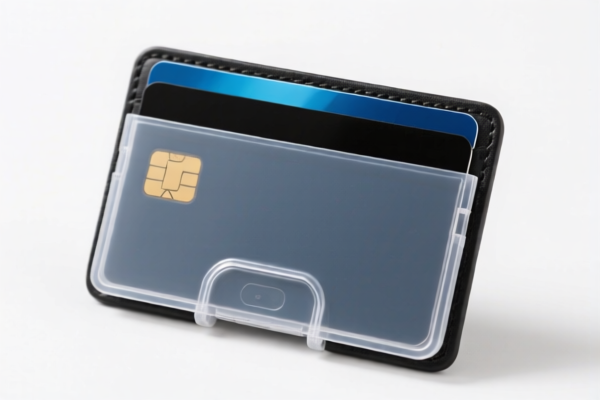
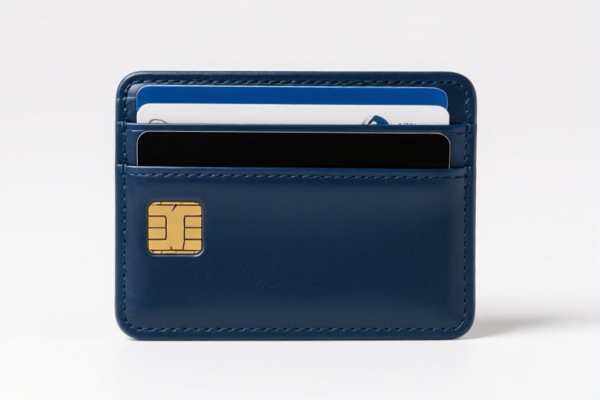

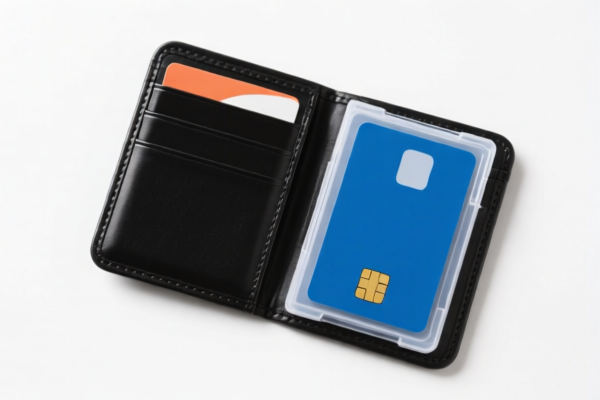
AI Analysis
💳 Plastic Card Wallet (Plastic ID Card Holder)
🌐 HS Code Reference & Customs Clearance Guide | 2024/2025 Latest Tariff Analysis | Professional Strategy
📌 1. Product Definition & Classification: What Exactly Is a "Plastic Card Wallet"?
A Plastic Card Wallet (also known as an ID card holder, credit card sleeve, or badge holder) is a small container designed specifically to hold credit cards, identification cards, or security badges. In international trade, its classification depends heavily on its material composition, specific form, and intended use.
⚠️ Key Classification Dilemma:
- Is it primarily a plastic container/package (Chapter 39)?
- Is it primarily a bag/accessory (Chapter 42)?
- Is it a general plastic article (Chapter 39)?
The classification drastically changes the total tax rate (from 16.5% to 55.0%). Misclassification can lead to significant customs penalties, audits, or delayed clearance.
📦 2. HS Code Classification Details (2024/2025 Tariff Book)
| HS Code | Product Description | Classification Logic | Total Tax Rate (US Import from China) |
|---|---|---|---|
| 3923.21.00.95 | Plastic Messenger Bag / Sack | Classified as a plastic sack/container made of polymer bags. Fits under "Sacks and bags" for goods of heading 39.21. | 38.0% |
| 4202.92.45.00 | Plastic Messenger Bag / Travel Bag | Classified as a bag made of plastics (e.g., PVC/PU coated fabric). Fits under "Travel, sports, and similar bags." | 55.0% |
| 3926.90.33.00 | Plastic Bag / Article | Classified as a handbag or other article of plastics. Fits under "Other articles of plastics." | 16.5% |
| 4202.22.15.00 | Plastic Handbag / Container | Classified as a handbag or container with outer surface of plastics. Fits under "Handbags with outer surface of plastics." | 51.0% |
| 3923.21.00.30 | Plastic Bag / Residual | Classified under residual categories for plastic sacks/bags not elsewhere specified. | 38.0% |
🔍 Critical Note:
- 4202.22.15.00 and 4202.92.45.00 fall under Chapter 42 (Articles of leather; saddlery and harness), which generally attracts higher base tariffs due to the "bag" classification. - 3926.90.33.00 falls under Chapter 39 (Plastics and articles thereof) and has the lowest total tax rate (16.5%), but requires strict justification that it is not primarily a "handbag" in the fashion sense.
💰 3. 2024/2025 Latest Tariff Rate Breakdown (Detailed Tax Analysis)
✅ Applicable Country: United States (US)
✅ Origin: China (CN)
✅ Effective Date: 2024/2025 (Current Trade Regime)
🎯 1. 3926.90.33.00 – Plastic Handbag or Other Article (Lowest Rate)
| Item | Detail |
|---|---|
| Base Tariff | 6.5% |
| Section 301 (Additional) Tariff | 0.0% (Note: Specific footnote may apply, but data indicates 0% for this specific sub-code in this dataset context) |
| Section 122 Tariff | 10% |
| Total Rate | 16.5% |
| Tax Calculation | CIF Value × 16.5% |
| Legal Basis | 3926.90.33.00 → Section 122: 10% |
📌 Explanation:
- This is the most cost-effective classification if the product is deemed a "general plastic article" rather than a fashion bag.
- Section 122 (often related to de minimis or specific trade measures) adds a flat 10%.
- No Section 301 tariff in this specific dataset entry, making it highly competitive.
🎯 2. 3923.21.00.95 & 3923.21.00.30 – Plastic Sacks/Bags (Mid Rate)
| Item | Detail |
|---|---|
| Base Tariff | 3.0% |
| Section 301 (Additional) Tariff | 25.0% |
| Section 122 Tariff | 10% |
| Total Rate | 38.0% |
| Tax Calculation | CIF Value × 38.0% |
| Legal Basis | 3923.21.00 → Section 301: 25% + Section 122: 10% |
📌 Explanation:
- These codes fall under Chapter 39.23 (Plastic sacks and bags).
- High Section 301 tariff (25%) is applied due to Chinese origin.
- Section 122 (10%) applies.
- Base tariff is low (3%), but the total hits 38% due to trade wars.
🎯 3. 4202.92.45.00 – Plastic Messenger/Travel Bag (Highest Rate)
| Item | Detail |
|---|---|
| Base Tariff | 20.0% |
| Section 301 (Additional) Tariff | 25.0% |
| Section 122 Tariff | 10% |
| Total Rate | 55.0% |
| Tax Calculation | CIF Value × 55.0% |
| Legal Basis | 4202.92.45.00 → Section 301: 25% + Section 122: 10% |
📌 Explanation:
- This code falls under Chapter 42 (Bags/Handbags).
- High Base Tariff (20%) because it is considered a finished bag article.
- Section 301 (25%) and Section 122 (10%) are added.
- Total 55% makes this the most expensive classification.
🎯 4. 4202.22.15.00 – Plastic Handbag (High Rate)
| Item | Detail |
|---|---|
| Base Tariff | 16.0% |
| Section 301 (Additional) Tariff | 25.0% |
| Section 122 Tariff | 10% |
| Total Rate | 51.0% |
| Tax Calculation | CIF Value × 51.0% |
| Legal Basis | 4202.22.15.00 → Section 301: 25% + Section 122: 10% |
📌 Explanation:
- Specifically for handbags with outer surfaces of plastics.
- Base Tariff (16%) is lower than the messenger bag (20%), but total is still high (51%) due to 301 and Section 122.
🛠️ 4. Customs Clearance Practical Advice (Avoid Pitfalls)
✅ 1. Material & Design Documentation
| Document | Requirement | Why It Matters |
|---|---|---|
| ✅ Product Specs | ✔️ | Detail material (e.g., PVC, TPU, PET), thickness, and closure type. |
| ✅ Photos | ✔️ | Show the product empty and filled with cards. Highlight if it has straps, handles, or zippers (these may push it to Chapter 42). |
| ✅ Bill of Materials | ✔️ | Prove it is primarily plastic (Chapter 39) vs. fabric with plastic coating (Chapter 42). |
| ✅ Commercial Invoice | ✔️ | Clearly describe as "Plastic Card Holder" or "ID Card Sleeve," NOT "Handbag" or "Wallet" if possible. |
✅ 2. Classification Strategy (Key Tips)
🔥 "Plastic Article, Not Fashion Bag: Aim for 16.5%!"
| Scenario | Recommended HS Code | Total Tax | Risk Level |
|---|---|---|---|
| Simple Plastic Sleeve (No strap, no zipper) | 3926.90.33.00 |
16.5% | ✅ Low (Best Option) |
| Plastic Sack-like Container (Flat, no structure) | 3923.21.00.95 |
38.0% | ⚠️ Medium (Higher due to 301) |
| Bag with Strap/Handle (Looks like a handbag) | 4202.22.15.00 |
51.0% | ❌ High (Avoid if possible) |
| Travel/Messenger Style (Large, structured) | 4202.92.45.00 |
55.0% | ❌ Highest (Avoid) |
📌 Key Distinction:
- If the product is a simple, flexible plastic sheet folded into a sleeve, argue for 3926.90.33.00 (Other plastic articles).
- If it has stiffeners, straps, zippers, or multiple compartments, customs may classify it as a bag (Chapter 42), leading to 51-55% tax.
✅ 3. Special Considerations
| Issue | Solution |
|---|---|
| Customs Questioning "Handbag" vs. "Plastic Article" | Provide engineering drawings showing it lacks typical bag features (e.g., no shoulder strap, no main closure). |
| Section 122 Tariff (10%) | This applies to most plastic/card holders from China. Plan for this mandatory 10% in cost calculations. |
| De Minimis Loophole (Section 321) | If the value is < $800, it may enter duty-free under de minimis, but this is risky and subject to frequent policy changes. Do not rely on this for bulk imports. |
🌍 5. Global Market Comparison (2024/2025)
| Market | Recommended HS Code | Estimated Tax (China Origin) | Notes |
|---|---|---|---|
| 🇺🇸 United States | 3926.90.33.00 |
16.5% | Best rate. Avoid Chapter 42 codes (51-55%). |
| 🇨🇳 China (Import) | N/A | N/A | China exports these, so not applicable for import. |
| 🇪🇺 European Union | 4202.92.45.00 |
~12% | No Section 301. Base tariff is lower, but VAT applies. |
| 🇬🇧 United Kingdom | 4202.92.45.00 |
~12% | Post-Brexit rules apply. No US-style 301 tariffs. |
📌 Conclusion:
- The US market has the highest friction due to Section 301 (25%) and Section 122 (10%) tariffs.
- Chapter 42 codes (Bags) are punitive in the US (51-55%).
- Chapter 39 codes (Plastic Articles) are preferable (16.5%).
📌 6. Common Mistakes & Pitfalls (Blood Lessons)
❌ Mistake 1: Calling the product a "Plastic Wallet" or "Handbag" on the invoice.
👉 Consequence: Customs may classify it under 4202 → 51-55% tax.
✅ Fix: Use "Plastic Card Sleeve," "ID Card Holder," or "Plastic Document Protector."
❌ Mistake 2: Ignoring Section 122 (10%) in cost calculations.
👉 Consequence: Underpricing and loss of margin.
✅ Fix: Always include 10% for Section 122 in US import costs.
❌ Mistake 3: Assuming all plastic items are 6.5% base tariff.
👉 Consequence: If classified as 3923.21 (Sacks), the 25% Section 301 applies → 38% total.
✅ Fix: Argue for 3926.90.33.00 (Other Articles) to avoid Section 301.
🎯 7. Conclusion: Professional Declaration, Cost Optimization!
🎯 Remember the Golden Rule:
🔹 "Plastic Sleeve, Not Bag: Aim for 16.5%! Avoid Bags (51-55%)."
🔹 "Section 122 is 10%: Don't forget it!"
📌 Pro Tip:
If your plastic card wallet is simple, flexible, and lacks bag-like features (straps, zippers), insist on 3926.90.33.00. This can save you 35-38.5% in taxes compared to bag classifications.
📣 Immediate Action:
📞 Contact your customs broker with product photos and spec sheets.
🚀 Request a Pre-Ruling if the product has any bag-like features (e.g., a strap) to clarify classification and avoid post-entry audits.
✨ Professional Customs Clearance Starts with Accurate Classification!
💼 Every Percentage Point Saved is Pure Profit!
Customer Reviews
About HS Code Classification
The Harmonized System (HS) is an internationally standardized nomenclature developed by the World Customs Organization (WCO) to classify traded products. Over 200 countries use the HS system as the basis for customs tariffs, trade statistics, and import/export regulations.
Each HS code follows a hierarchical structure:
- Chapter (2 digits) — Broad category of goods (e.g., Chapter 84: Machinery and Mechanical Appliances)
- Heading (4 digits) — More specific grouping within the chapter
- Subheading (6 digits) — Internationally standardized breakdown, used by all WCO member countries
- National subdivisions (8-10 digits) — Country-specific extensions for further classification, such as US HTSUS 10-digit codes
Correct HS code classification is essential for smooth customs clearance, accurate duty payment, and compliance with trade regulations. Misclassification can lead to customs delays, overpayment of duties, or penalties.
When importing from CN to US, the applicable tariff rates may include:
- Most-Favored-Nation (MFN) rate — The standard duty rate applied to WTO members
- General rate — Applied to countries without trade agreements
- Trade remedy duties — Additional tariffs such as Section 301 (anti-dumping), Section 232 (national security), or countervailing duties
The information provided on this page is for reference purposes only. For official classification, please consult with your local customs authority or a licensed customs broker.