Plastic Coated Firefighter Clothing
CN → US| HS编码 | 关税税率 | 原产国 | 目的国 | 文档 |
|---|---|---|---|---|
| 6210203000 | 13.8% | CN | US | 官方文档 |
| 3926206000 | 35.0% | CN | US | 官方文档 |
| 6210207000 | 13.3% | CN | US | 官方文档 |
| 3921901500 | 41.5% | CN | US | 官方文档 |
商品图片
AI分析
🧯 Plastic Coated Firefighter Clothing (Protective Gear)
🌐 HS Code Reference & Customs Clearance Guide | 2026 Latest Tariff Analysis | Professional Compliance Strategy
📌 I. Product Definition & Classification: Is it a Garment or a Plastic Sheet?
"Plastic Coated Firefighter Clothing" represents a complex intersection of textile apparel and plastic manufacturing. In international trade, the classification hinges on whether the product is viewed primarily as a garment (Chapter 62) or as a plastic article (Chapter 39).
Key Distinctions: 1. Textile-Based (Chapter 62): The underlying structure is fabric (woven/knit), and the plastic coating/lamination is merely a surface treatment for protection. This is the most common and favorable classification for firefighter suits. 2. Plastic-Based (Chapter 39): The item is considered a finished plastic article, potentially with textile backing, but classified under "other" plastic goods due to specific material composition or lack of specific garment features.
⚠️ Critical Differentiator:
- If the item is conformed to garment shape (e.g., sleeves, collar, legs) and primarily used as clothing → Classify under 6210.20.
- If the item is a plastic sheet/cover with minimal textile integration or considered a generic "protective gear" not fitting specific textile definitions → Classify under 3926 or 3921.
📦 II. HS Code Classification Details (2026 Latest Tariff Authority Comparison)
| HS Code | Product Description | Application Scenario | Material Composition |
|---|---|---|---|
6210.20.30.00 |
Garment-type protective clothing: Plastic coated/laminated over textile fabric. | Standard firefighter suits, rain suits with textile base. | Plastic + Textile (Garment form) |
6210.20.70.00 |
Garment-type protective clothing: Outer surface covered with plastic material. | Firefighter suits where plastic coating is the dominant outer feature. | Plastic-covered Textile (Garment form) |
3926.20.60.00 |
Other plastic clothing/articles: General protective gear, not specifically textile garments. | Generic plastic coveralls, non-woven protective suits. | Primarily Plastic (Garment-like but plastic-focused) |
3921.90.15.00 |
Other plastic plates/sheets/film: Composite materials including textiles. | Plastic sheets combined with textiles, inferred as consumer goods. | Plastic + Textile (Not clearly garment-shaped) |
🔍 Important Reminder:
- Garment Shape is Key: Codes6210.20.30and6210.20.70apply only if the item is clearly a garment (sleeves, legs, etc.).
- Generic Protective Gear: If the item is a simple plastic cover or lacks specific textile garment features, it may fall under3926.20.60or3921.90.15.
- Misclassification Risk: Declaring a textile-based suit as a plastic sheet (3921) can lead to penalties; declaring a plastic sheet as a garment (6210) may be rejected if no textile base exists.
💰 III. 2026 Latest Tariff Rate Breakdown (Including Surtaxes & Policy Add-ons)
✅ Applicable Country: United States (US)
✅ Origin: China (CN)
✅ Effective Date: Post-November 2025 (Current Regulatory Environment)
🎯 1. 6210.20.30.00 & 6210.20.70.00 —— Garment-Type Protective Clothing (Favorable)
| Item | Content |
|---|---|
| Base Tariff | 3.3% - 3.8% (Ad Valorem) |
| Section 301 Surtax | 0.0% (No Section 301 for these subheadings) |
| Section 122 Tax | +10% (Retaliatory/Specific Policy Tax) |
| Total Effective Rate | 13.3% - 13.8% |
| Calculation Method | CIF Value × 13.3%~13.8% |
| De Minimis Eligibility | ❌ No (Deny De Minimis for Chapter 62 with Surtaxes) |
| Legal Basis Path | HTSUS:6210.20 → USITC Footnotes → Section 122 Directive |
📌 Explanation:
- Base Rate: Low (3.3-3.8%) because these are considered protective textiles.
- Section 301: Exempt from the 25% Section 301 tariff, which is a significant advantage over plastic sheets.
- Section 122: A 10% surtax is applied as part of specific trade measures.
- Total: 13.3% to 13.8%. This is the most cost-effective classification if the product is a true garment.
🎯 2. 3926.20.60.00 —— Other Plastic Clothing (High Risk)
| Item | Content |
|---|---|
| Base Tariff | 0.0% |
| Section 301 Surtax | +25.0% (High Surcharge) |
| Section 122 Tax | +10.0% |
| Total Effective Rate | 35.0% |
| Calculation Method | CIF Value × 35.0% |
| De Minimis Eligibility | ❌ No |
| Legal Basis Path | HTSUS:3926.20 → Section 301 List → Section 122 Directive |
📌 Warning:
- High Tariff Burden: Even though the base rate is 0%, the 25% Section 301 surtax applies to plastic articles from China.
- Total: 35.0%. This is more than double the garment classification.
- Risk: If customs determines the suit is primarily a "plastic article" rather than a "textile garment," you will pay this higher rate.
🎯 3. 3921.90.15.00 —— Plastic Textile Composites (Highest Risk)
| Item | Content |
|---|---|
| Base Tariff | 6.5% |
| Section 301 Surtax | +25.0% |
| Section 122 Tax | +10.0% |
| Total Effective Rate | 41.5% |
| Calculation Method | CIF Value × 41.5% |
| De Minimis Eligibility | ❌ No |
| Legal Basis Path | HTSUS:3921.90 → Section 301 List → Section 122 Directive |
📌 Warning:
- Highest Cost: This classification incurs both a high base tariff (6.5%) and the 25% Section 301 surtax.
- Total: 41.5%.
- Scenario: This applies if the product is deemed a "plastic sheet with textile" rather than a garment, or if the textile content is insufficient to justify Chapter 62.
🛠️ IV. Customs Clearance Practical Advice (Real-World Pitfall Avoidance)
✅ 1. Documentation Checklist (Non-Negotiable)
| Document | Required? | Explanation |
|---|---|---|
| ✅ Product Specification Sheet | ✔️ | Must detail: Layer structure (e.g., Outer Shell: PVC-coated Nylon; Lining: Mesh). |
| ✅ Material Composition Label | ✔️ | Clearly state % of textile vs. plastic. Textile dominance favors Chapter 62. |
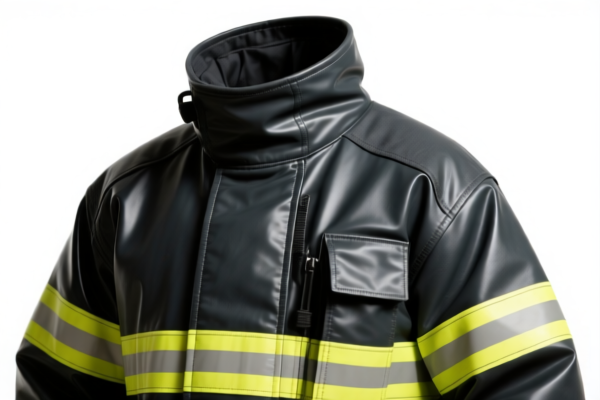
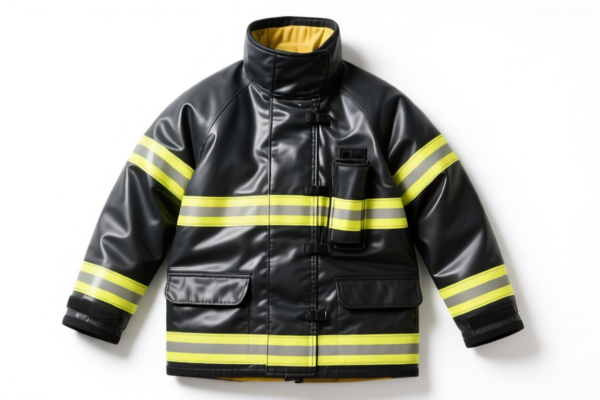
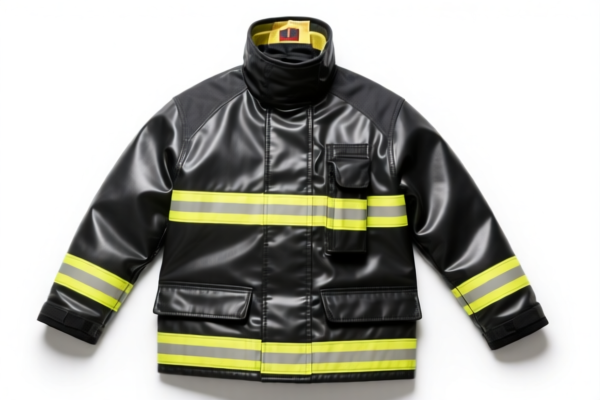
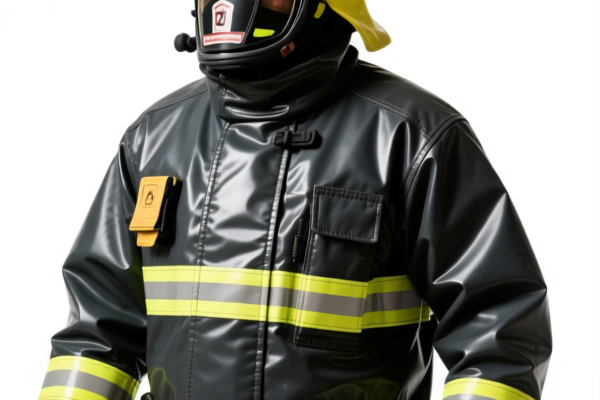
| ✅ Product Photos (Worn & Flat) | ✔️ | Show garment features: Zippers, pockets, seams, collar, cuffs. Proves "Garment" status. |
| ✅ Third-Party Test Reports | ✔️ | Flame retardant, water resistance, tensile strength (for firefighter certification). |
| ✅ Commercial Invoice | ✔️ | Describe as "Firefighter Protective Garment" (NOT "Plastic Sheet" or "Coverall"). |
| ✅ Packing List | ✔️ | Ensure no separation of garment parts (e.g., don't ship jacket and pants separately if they form a suit). |
✅ 2. Declaration Strategy (Key Mantra)
🔥 “Garment Form, Textile Base, Declare as Clothing, Avoid Plastic Pit!”
| Scenario | Correct Declaration | Wrong Declaration |
|---|---|---|
| Suit with Nylon Base + PVC Coating | 6210.20.30.00 (Garment) | 3926.20.60.00 (Plastic) → Tax Jump 35% |
| Suit with Plastic Outer Layer + Mesh Lining | 6210.20.70.00 (Garment) | 3921.90.15.00 (Sheet) → Tax Jump 41.5% |
| Plain Plastic Raincoat (No Textile) | 3926.20.60.00 (Plastic) | 6210.20.30.00 (Garment) → Customs Rejection/Penalty |
| Firefighter Suit (Textile-Based) | 6210.20.30.00 or 70.00 | 3926.20.60.00 → Unnecessary 21-28% Extra Tax |
✅ 3. Special Cases & Mitigation
| Situation | Handling Advice |
|---|---|
| OEM Custom Fire Suits | Provide design blueprints showing textile layers. Emphasize "Protective Apparel" not "Plastic Gear." |
| Mixed Materials (e.g., Kevlar + PVC) | Still falls under 6210 if textile/fiber-based. Declare as "Textile-Based Protective Garment." |
| Plastic Overalls (No Fire Rating) | If no textile base, must use 3926. No avoidance possible; factor into cost. |
| Firefighter Helmets/Gloves | Often classified separately (e.g., 6506 for helmets). Do not lump into clothing if different Chapter. |
🌍 V. Global Market Customs Comparison (2026 Latest)
| Country/Region | Recommended HS Code | Tariff Rate (China Origin) | Key Certification | Note |
|---|---|---|---|---|
| 🇺🇸 USA | 6210.20.30 / 70 |
13.3% - 13.8% (with Surtaxes) | NFPA 1971, OSHA | Best rate if garment-shaped. Avoid Chapter 39. |
| 🇨🇳 China | 6210.20.30 |
5% - 8% (Import Tariff) | GB Standard | Lower base rate, no Section 301. |
| 🇪🇺 EU | 6210.10 / 20 |
0% - 4% (General MFN) | EN 469 (Fire) | No punitive surtaxes. Strict EN standards. |
| 🇬🇧 UK | 6210.20 |
0% - 4% | UKCA Mark | Post-Brexit rules apply. |
| 🇯🇵 Japan | 6210.20 |
0% - 12% | JIS Standards | Low base, but strict safety tests. |
📌 Conclusion:
- USA is the most complex market due to Section 301 and Section 122.
- Classification as Chapter 62 (Garment) saves 21-28% in duties compared to Chapter 39 (Plastic).
- Chapter 62 is the optimal path for firefighter suits if they are textile-based.
📌 VI. Common Errors & Pitfall Guide (Lessons Learned)
❌ Error 1: Describing the item as "Plastic Protective Coverall" in the commercial invoice.
👉 Consequence: Customs may default to 3926.20.60.00 → 35% Tax.
👉 Fix: Use "Protective Garment" or "Firefighter Suit".
❌ Error 2: Shipping unsewn plastic sheets and claiming they are garments.
👉 Consequence: Customs rejects Chapter 62 claim → Back taxes + Penalty.
👉 Fix: Ensure products are cut and sewn into garment shapes before export.
❌ Error 3: Ignoring Section 122 Tax.
👉 Consequence: Underpayment → Seizure or Delay.
👉 Fix: Account for the additional 10% in all cost calculations for Chapter 62.
❌ Error 4: Failing to provide NFPA/EN Certifications.
👉 Consequence: Clearance delay due to safety regulatory checks.
👉 Fix: Include test reports from accredited labs (e.g., UL, Intertek) showing fire/water resistance.
✅ Correct Practice:
“Firefighter Protective Garment, Class 1, NFPA 1971 Compliant, Outer Layer: PVC-Coated Nomex Fabric, Inner Lining: Moisture Barrier.”
🎯 VII. Conclusion: Precision Classification Saves Money!
🎯 Remember the Mantra:
🔹 “Garment Shape + Textile Base = Chapter 62”
🔹 “Plastic Sheet + No Sewing = Chapter 39”
🔹 Chapter 62 Tax: ~13.5% vs. Chapter 39 Tax: 35-41.5%
🔹 Save over $20,000 per $100,000 shipment by classifying correctly!
📌 Pro Tip:
- If your product has minimal textile content (e.g., <50% by weight), it might still be forced into Chapter 39.
- For high-value firefighter gear, invest in a Pre-Ruling (Advance Ruling) from US Customs (CBP) to confirm Chapter 62 status.
- Document the sewing process and material composition meticulously to withstand audits.
📣 Immediate Action:
📞 Consult a customs broker with expertise in textile/apparel classification.
📄 Prepare material composition certificates and garment structure diagrams.
🚀 Optimize your supply chain: Classify as Garment to minimize duty burden and ensure smooth clearance.
✨ Professional Clearance Starts with Accurate Classification!
💼 Every percentage point of duty affects your bottom line!
用户评价
关于 HS 编码归类
协调制度(HS)是由世界海关组织(WCO)制定的国际贸易商品分类标准。全球 200 多个国家采用 HS 系统作为海关关税、贸易统计和进出口监管的基础。
每个 HS 编码遵循以下层级结构:
- 章(2 位)——商品大类(例如:第 84 章:机器和机械设备)
- 品目(4 位)——章内的更具体分类
- 子目(6 位)——国际通用细分,所有 WCO 成员国统一使用
- 本国细分(8-10 位)——各国自行扩展的细分编码,如美国 HTSUS 10 位编码
正确的 HS 编码归类对于顺利通关、准确缴纳关税和遵守贸易法规至关重要。错误归类可能导致海关延误、多缴关税或罚款。
从CN进口到US时,适用的关税税率可能包括:
- 最惠国(MFN)税率——适用于 WTO 成员国的标准关税税率
- 普通税率——适用于无贸易协定国家
- 贸易救济关税——附加关税,如 301 条款(反倾销)、232 条款(国家安全)或反补贴税
本页内容仅供参考。如需正式归类,请咨询当地海关或持牌报关代理。