Plastic Coated Medicine Bag
CN → US| HS编码 | 关税税率 | 原产国 | 目的国 | 文档 |
|---|---|---|---|---|
| 4823908680 | 35.0% | CN | US | 官方文档 |
| 3923210095 | 38.0% | CN | US | 官方文档 |
| 3923290000 | 38.0% | CN | US | 官方文档 |
| 3923210030 | 38.0% | CN | US | 官方文档 |
| 4202221500 | 51.0% | CN | US | 官方文档 |
商品图片
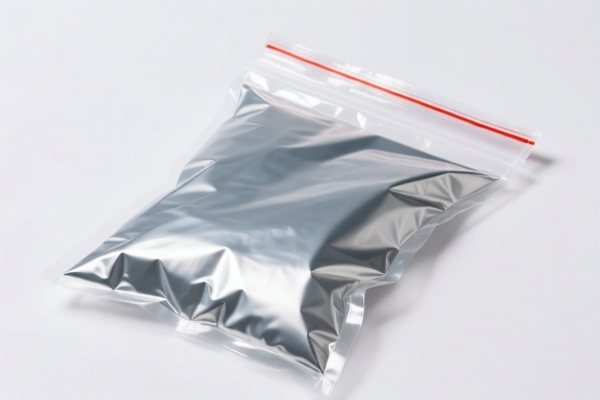
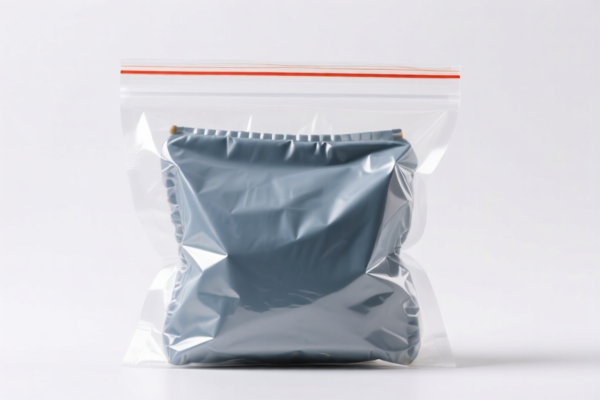
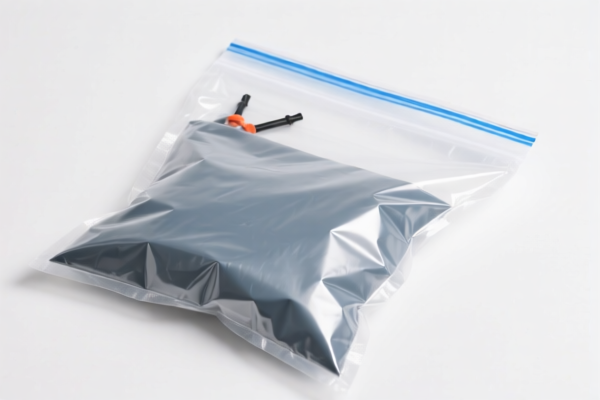
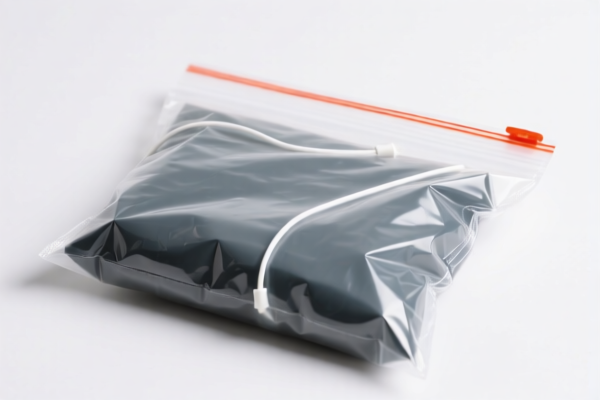
AI分析
📦 Plastic Coated Medicine Bag
🌐 HS Code Reference & Customs Clearance Guide | 2026 Latest Tariff Analysis | Professional Clearance Strategy
📌 One: Product Definition & Classification: What Exactly is a "Plastic Coated Medicine Bag"?
In international trade, the term "Plastic Coated Medicine Bag" is ambiguous. It can refer to: 1. Paper-based bags with a plastic coating (e.g., for dry powders, teas, or bulk medicine packaging). 2. Plastic-based pouches/sachets (e.g., for liquid medicines, pills, or sterile packaging).
The material composition and manufacturing process determine the HS Code. Misclassification leads to severe tariff penalties due to US-China trade tensions.
⚠️ Critical Distinction:
- If the base material is Paper/Cardboard with a plastic coating → Look at Chapter 48.
- If the base material is Plastic (Polymers) → Look at Chapter 39.
- If it is a finished retail package with specific plastic film properties → Look at Chapter 39.
📦 Two: HS Code Classification Details (2026 Latest Tariff Authority Comparison)
| HS Code | Product Description | Applicable Scenario | Material Basis |
|---|---|---|---|
4823.90.86.80 |
Other paper articles, coated with plastics | Paper bags coated with plastic (e.g., for dry goods, bulk medicine) | Paper + Plastic Coating |
3923.21.00.95 |
Sacks and bags, of polymers of ethylene | Plastic sacks/pouches made from Ethylene Polymers | Polyethylene (PE) |
3923.29.00.00 |
Other sacks and bags | Plastic medicine bags (not PE-based, e.g., PVC, PP) | Other Plastics |
3923.21.00.30 |
Sacks and bags, of polymers of ethylene (Base category) | Plastic bags falling under residual "catch-all" for PE | Polyethylene (PE) |
4202.22.15.00 |
Handbags with outer surface of plastic sheets | Small plastic cosmetic/medicine pouches used as handbags/cases | Plastic Sheets (Finished Container) |
🔍 Key Reminder:
- Paper-based: If the bag is primarily paper with a thin plastic layer for moisture resistance → 4823.90.86.80.
- Pure Plastic: If the bag is made entirely of plastic film (sachet/pouch) → 3923.21/3923.29.
- Finished Container: If it is a rigid or semi-rigid plastic case/bag for carrying medicines/cosmetics → 4202.22.15.00.
💰 Three: 2026 Latest Tariff Rate Breakdown (Including Additional Taxes & Policy Surcharges)
✅ Applicable Country: United States (US)
✅ Country of Origin: China (CN)
✅ Effective Date: November 10, 2025 (and onwards)
🎯 1. 4823.90.86.80 – Other Paper Articles (Plastic-Coated Paper Bags)
| Item | Details |
|---|---|
| Base Tariff | 0% |
| USITC Additional Tariff | +25% (Section 301) |
| IEEPA Additional Tariff | +10% (China-specific, effective Nov 10, 2025) |
| Total Tariff | 35% |
| Calculation | CIF Value × 35% |
| De Minimis Exemption | ❌ Not Allowed (deny_de_minimis) |
| Legal Basis Path | IEEPA:9903.01.25 → USITC:4823.90.86.80 → FOOTNOTE:301 |
📌 Explanation:
- This HS code falls under "Other Paper Articles."
- Despite the low base tariff (0%), the 25% Section 301 + 10% IEEPA tariffs apply, resulting in a 35% total duty.
- Warning: Do not confuse with pure plastic bags. If customs determines it is plastic, it may be reclassified to Chapter 39.
🎯 2. 3923.21.00.95 – Sacks and Bags, of Polymers of Ethylene
| Item | Details |
|---|---|
| Base Tariff | 3% |
| USITC Additional Tariff | +25% (Section 301) |
| IEEPA Additional Tariff | +10% (China-specific) |
| Total Tariff | 38% |
| Calculation | CIF Value × 38% |
| De Minimis Exemption | ❌ Not Allowed (deny_de_minimis) |
| Legal Basis Path | IEEPA:9903.01.25 → USITC:3923.21.00.95 → FOOTNOTE:301 |
📌 Explanation:
- Applies to polyethylene (PE) plastic bags/pouches.
- The 38% total tariff is significantly higher than the paper alternative (35%).
- Common Use: Sterile plastic sachets for pills, liquid medicine packaging.
🎯 3. 3923.29.00.00 – Other Sacks and Bags (Non-PE Plastic)
| Item | Details |
|---|---|
| Base Tariff | 3% |
| USITC Additional Tariff | +25% (Section 301) |
| IEEPA Additional Tariff | +10% (China-specific) |
| Total Tariff | 38% |
| Calculation | CIF Value × 38% |
| De Minimis Exemption | ❌ Not Allowed (deny_de_minimis) |
| Legal Basis Path | IEEPA:9903.01.25 → USITC:3923.29.00.00 → FOOTNOTE:301 |
📌 Explanation:
- Applies to plastic bags made from PP, PVC, PET, etc. (non-ethylene polymers).
- Same tariff burden as PE bags (38%).
- Common Use: PVC blister packs, PP woven bags with inner lining.
🎯 4. 3923.21.00.30 – Sacks and Bags, of Polymers of Ethylene (Base Category)
| Item | Details |
|---|---|
| Base Tariff | 3% |
| USITC Additional Tariff | +25% (Section 301) |
| IEEPA Additional Tariff | +10% (China-specific) |
| Total Tariff | 38% |
| Calculation | CIF Value × 38% |
| De Minimis Exemption | ❌ Not Allowed (deny_de_minimis) |
| Legal Basis Path | IEEPA:9901.25 → USITC:3923.21.00.30 → FOOTNOTE:301 |
📌 Note:
- This is a "catch-all" for PE bags not covered under more specific subcategories.
- Tariff rate is identical to3923.21.00.95.
- Risk: If the bag is not made of PE, this HS code is incorrect and may lead to misdeclaration penalties.
🎯 5. 4202.22.15.00 – Handbags with Outer Surface of Plastic Sheets
| Item | Details |
|---|---|
| Base Tariff | 16% |
| USITC Additional Tariff | +25% (Section 301) |
| IEEPA Additional Tariff | +10% (China-specific) |
| Total Tariff | 51% |
| Calculation | CIF Value × 51% |
| De Minimis Exemption | ❌ Not Allowed (deny_de_minimis) |
| Legal Basis Path | IEEPA:9903.01.25 → USITC:4202.22.15.00 → FOOTNOTE:301 |
📌 Explanation:
- Applies to finished plastic bags/pouches that are treated as handbags/cases (e.g., cosmetic bags, toiletry bags containing medicine samples).
- Highest Tax Rate: 51% total.
- Caution: Do not use this for simple packaging bags. Only use if the item is a reusable carrier bag with handles, zippers, or structured design.
🛠️ Four: Customs Clearance Practical Advice (Real-World Pitfall Guide)
✅ 1. Required Documentation Checklist (Non-Negotiable)
| Document | Required | Description |
|---|---|---|
| ✅ Product Specification Sheet | ✔️ | Must clearly state: Base Material (Paper/Plastic), Coating Type (Plastic/PE/PVC), Dimensions. |
| ✅ Material Composition Report | ✔️ | Lab test or manufacturer declaration confirming % of paper vs. plastic. |
| ✅ Product Photos | ✔️ | Clear images of the bag, including seams, handles, and any labels. |
| ✅ Commercial Invoice | ✔️ | Accurate description: "Paper Bag, Plastic-Coated, for Medicine Packaging" OR "Plastic Sachet, PE, for Medicine." |
| ✅ Packing List | ✔️ | Detailed weight and quantity. |
| ✅ Certificate of Origin (CO) | ✔️ | If applicable, to check for any FTZ exemptions (rare for China-US). |
✅ 2. Declaration Strategy (Key Mantras)
🔥 “Material is King, Base Determines Code, Plastic Coating ≠ Plastic Bag!”
| Scenario | Correct HS Code | Wrong Approach |
|---|---|---|
| Paper bag with plastic lining | 4823.90.86.80 (35%) |
Declaring as 3923.29.00.00 (38%) → Higher Tax |
| Pure Plastic Sachet (PE) | 3923.21.00.95 (38%) |
Declaring as 4823.90.86.80 (35%) → Misclassification Risk |
| Pure Plastic Sachet (Non-PE) | 3923.29.00.00 (38%) |
Declaring as 3923.21.00.95 → Discrepancy |
| Plastic Toiletry Bag | 4202.22.15.00 (51%) |
Declaring as 3923.29.00.00 (38%) → High Risk of Audit |
✅ 3. Special Situation Handling
| Situation | Handling Advice |
|---|---|
| Mixed Materials | If paper and plastic are inseparable, customs may look at the essential character. Usually, if plastic >50% by weight, it’s Chapter 39. |
| Sterile Packaging | If it’s a medical sterile bag, ensure it’s not classified as a "medical device" component (Chapter 90) unless it’s a critical part. Usually, packaging is Chapter 39 or 48. |
| Retail vs. Industrial | Retail-ready plastic bags are still 3923. Only 4202 if it’s a reusable carrier. |
| Sample Shipments | Even samples are subject to 35%-51% tariffs. Do not assume de minimis ($800) applies to China-origin goods post-Nov 2025. |
🌍 Five: Global Market Customs Clearance Comparison (2026 Latest)
| Country/Region | Recommended HS Code | Tariff Rate (China Origin) | Certification Requirements | Notes |
|---|---|---|---|---|
| 🇺🇸 USA | 4823.90.86.80 or 3923.2x |
35% - 51% | FDA (if food/med contact), Prop 65 | High Tariff Risk. 122 Clause + 301 + IEEPA. |
| 🇨🇳 China | 4823.90.86.80 |
10-13% | None | Lower duty, but focus on export. |
| 🇪🇺 EU | 4823.90 or 3923.29 |
6-12% | REACH, LFGB (Food Contact) | No Section 301 tariffs, but strict chemical regulations. |
| 🇯🇵 Japan | 4823.90 or 3923.29 |
8-10% | JIS, PMDA (if medical) | Moderate tariff, strict hygiene checks. |
📌 Conclusion:
- USA is the most expensive market due to叠加 tariffs (301 + IEEPA).
- EU/Japan have lower tariffs but stricter health/safety standards for medicine packaging.
- Strategic Advice: For US-bound plastic bags, consider 35% (Paper-Coated) vs. 38% (Pure Plastic) cost-benefit analysis. If possible, optimize design to use paper-based coating to save 3%.
📌 Six: Common Mistakes & Pitfall Guide (Blood-Tears Lessons)
❌ Mistake 1: Calling a "Plastic Sachet" a "Paper Bag" to get 35% tax
👉 Consequence: Customs inspection reveals plastic composition → Back taxes + Penalties.
❌ Mistake 2: Using 4202.22.15.00 for simple plastic packaging bags
👉 Consequence: Over-declared as "Handbag" → 51% Tax instead of 38%. Customs will reclassify and demand additional duty.
❌ Mistake 3: Assuming "De Minimis" ($800) applies
👉 Consequence: No Exemption for China-origin goods under current IEEPA rules. All shipments are taxable.
❌ Mistake 4: Ignoring "Plastic Coating" vs. "Plastic Material"
👉 Consequence: Misclassification between Chapter 48 and 39 → Audit Trigger.
✅ Correct Practice:
"Paper Bag, Coated with Polyethylene, for Medicine Packaging" →
4823.90.86.80
"Polyethylene Sachet, for Liquid Medicine" →3923.21.00.95
"Plastic Toiletry Bag with Zipper" →4202.22.15.00
🎯 Seven: Conclusion: Professional Declaration, Time-Saving, Cost-Reducing!
🎯 Remember the Mantra:
🔹 "Base Material Rules All: Paper-Coated 35%, Plastic 38%, Bag 51%."
🔹 "No De Minimis for China: Prepare for 35-51% Duty."
🔹 "Accurate Description Saves Money: Don’t Guess, Verify!"
📌 Pro Tip:
If your product is a paper bag with plastic coating, it offers the lowest tariff (35%) among the options.
If you must use plastic, ensure the polymer type (PE vs. Non-PE) is correctly declared to avoid penalties.
Always request a Pre-Ruling from CBP if the material composition is complex.
📣 Immediate Action:
📞 Contact a licensed customs broker
📄 Provide material test reports
🚀 Optimize packaging design to qualify for lower tariff HS Codes
✨ Professional Clearance Starts with Accurate Classification!
💼 Every percentage point saved is pure profit!
用户评价
关于 HS 编码归类
协调制度(HS)是由世界海关组织(WCO)制定的国际贸易商品分类标准。全球 200 多个国家采用 HS 系统作为海关关税、贸易统计和进出口监管的基础。
每个 HS 编码遵循以下层级结构:
- 章(2 位)——商品大类(例如:第 84 章:机器和机械设备)
- 品目(4 位)——章内的更具体分类
- 子目(6 位)——国际通用细分,所有 WCO 成员国统一使用
- 本国细分(8-10 位)——各国自行扩展的细分编码,如美国 HTSUS 10 位编码
正确的 HS 编码归类对于顺利通关、准确缴纳关税和遵守贸易法规至关重要。错误归类可能导致海关延误、多缴关税或罚款。
从CN进口到US时,适用的关税税率可能包括:
- 最惠国(MFN)税率——适用于 WTO 成员国的标准关税税率
- 普通税率——适用于无贸易协定国家
- 贸易救济关税——附加关税,如 301 条款(反倾销)、232 条款(国家安全)或反补贴税
本页内容仅供参考。如需正式归类,请咨询当地海关或持牌报关代理。