Plastic Coated Medicine Bag
CN → US| HS Code | Tariff Rate | Origin | Destination | Doc |
|---|---|---|---|---|
| 4823908680 | 35.0% | CN | US | Official Doc |
| 3923210095 | 38.0% | CN | US | Official Doc |
| 3923290000 | 38.0% | CN | US | Official Doc |
| 3923210030 | 38.0% | CN | US | Official Doc |
| 4202221500 | 51.0% | CN | US | Official Doc |
Product Images
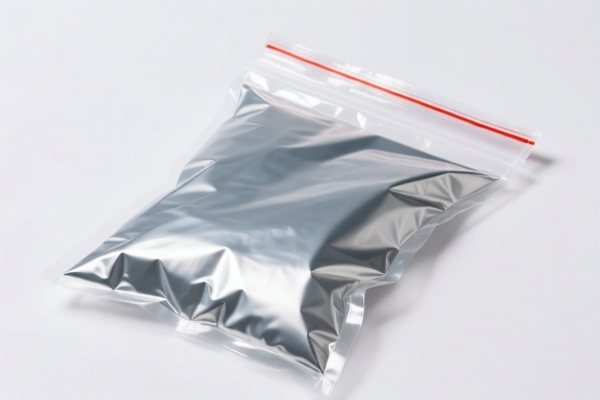
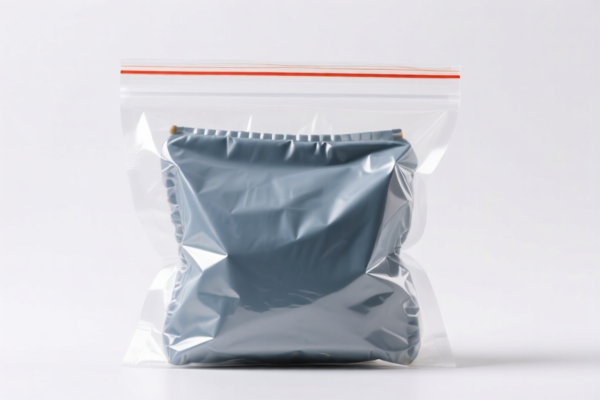
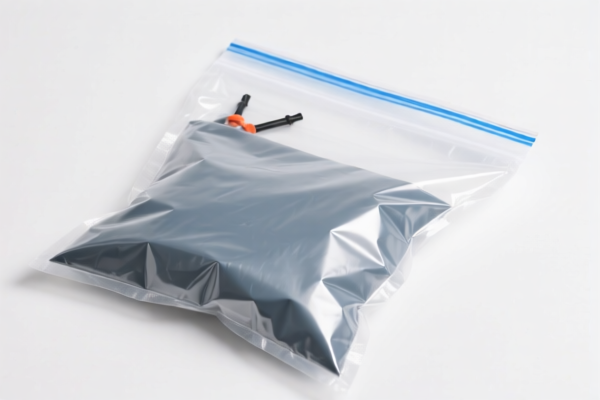
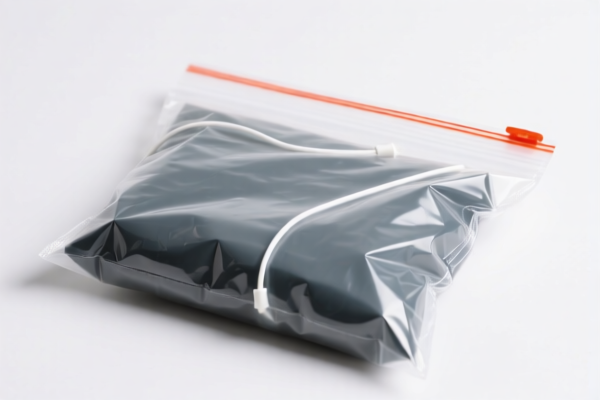
AI Analysis
📦 Plastic Coated Medicine Bag
🌐 HS Code Reference & Customs Clearance Guide | 2026 Latest Tariff Analysis | Professional Clearance Strategy
📌 One: Product Definition & Classification: What Exactly is a "Plastic Coated Medicine Bag"?
In international trade, the term "Plastic Coated Medicine Bag" is ambiguous. It can refer to: 1. Paper-based bags with a plastic coating (e.g., for dry powders, teas, or bulk medicine packaging). 2. Plastic-based pouches/sachets (e.g., for liquid medicines, pills, or sterile packaging).
The material composition and manufacturing process determine the HS Code. Misclassification leads to severe tariff penalties due to US-China trade tensions.
⚠️ Critical Distinction:
- If the base material is Paper/Cardboard with a plastic coating → Look at Chapter 48.
- If the base material is Plastic (Polymers) → Look at Chapter 39.
- If it is a finished retail package with specific plastic film properties → Look at Chapter 39.
📦 Two: HS Code Classification Details (2026 Latest Tariff Authority Comparison)
| HS Code | Product Description | Applicable Scenario | Material Basis |
|---|---|---|---|
4823.90.86.80 |
Other paper articles, coated with plastics | Paper bags coated with plastic (e.g., for dry goods, bulk medicine) | Paper + Plastic Coating |
3923.21.00.95 |
Sacks and bags, of polymers of ethylene | Plastic sacks/pouches made from Ethylene Polymers | Polyethylene (PE) |
3923.29.00.00 |
Other sacks and bags | Plastic medicine bags (not PE-based, e.g., PVC, PP) | Other Plastics |
3923.21.00.30 |
Sacks and bags, of polymers of ethylene (Base category) | Plastic bags falling under residual "catch-all" for PE | Polyethylene (PE) |
4202.22.15.00 |
Handbags with outer surface of plastic sheets | Small plastic cosmetic/medicine pouches used as handbags/cases | Plastic Sheets (Finished Container) |
🔍 Key Reminder:
- Paper-based: If the bag is primarily paper with a thin plastic layer for moisture resistance → 4823.90.86.80.
- Pure Plastic: If the bag is made entirely of plastic film (sachet/pouch) → 3923.21/3923.29.
- Finished Container: If it is a rigid or semi-rigid plastic case/bag for carrying medicines/cosmetics → 4202.22.15.00.
💰 Three: 2026 Latest Tariff Rate Breakdown (Including Additional Taxes & Policy Surcharges)
✅ Applicable Country: United States (US)
✅ Country of Origin: China (CN)
✅ Effective Date: November 10, 2025 (and onwards)
🎯 1. 4823.90.86.80 – Other Paper Articles (Plastic-Coated Paper Bags)
| Item | Details |
|---|---|
| Base Tariff | 0% |
| USITC Additional Tariff | +25% (Section 301) |
| IEEPA Additional Tariff | +10% (China-specific, effective Nov 10, 2025) |
| Total Tariff | 35% |
| Calculation | CIF Value × 35% |
| De Minimis Exemption | ❌ Not Allowed (deny_de_minimis) |
| Legal Basis Path | IEEPA:9903.01.25 → USITC:4823.90.86.80 → FOOTNOTE:301 |
📌 Explanation:
- This HS code falls under "Other Paper Articles."
- Despite the low base tariff (0%), the 25% Section 301 + 10% IEEPA tariffs apply, resulting in a 35% total duty.
- Warning: Do not confuse with pure plastic bags. If customs determines it is plastic, it may be reclassified to Chapter 39.
🎯 2. 3923.21.00.95 – Sacks and Bags, of Polymers of Ethylene
| Item | Details |
|---|---|
| Base Tariff | 3% |
| USITC Additional Tariff | +25% (Section 301) |
| IEEPA Additional Tariff | +10% (China-specific) |
| Total Tariff | 38% |
| Calculation | CIF Value × 38% |
| De Minimis Exemption | ❌ Not Allowed (deny_de_minimis) |
| Legal Basis Path | IEEPA:9903.01.25 → USITC:3923.21.00.95 → FOOTNOTE:301 |
📌 Explanation:
- Applies to polyethylene (PE) plastic bags/pouches.
- The 38% total tariff is significantly higher than the paper alternative (35%).
- Common Use: Sterile plastic sachets for pills, liquid medicine packaging.
🎯 3. 3923.29.00.00 – Other Sacks and Bags (Non-PE Plastic)
| Item | Details |
|---|---|
| Base Tariff | 3% |
| USITC Additional Tariff | +25% (Section 301) |
| IEEPA Additional Tariff | +10% (China-specific) |
| Total Tariff | 38% |
| Calculation | CIF Value × 38% |
| De Minimis Exemption | ❌ Not Allowed (deny_de_minimis) |
| Legal Basis Path | IEEPA:9903.01.25 → USITC:3923.29.00.00 → FOOTNOTE:301 |
📌 Explanation:
- Applies to plastic bags made from PP, PVC, PET, etc. (non-ethylene polymers).
- Same tariff burden as PE bags (38%).
- Common Use: PVC blister packs, PP woven bags with inner lining.
🎯 4. 3923.21.00.30 – Sacks and Bags, of Polymers of Ethylene (Base Category)
| Item | Details |
|---|---|
| Base Tariff | 3% |
| USITC Additional Tariff | +25% (Section 301) |
| IEEPA Additional Tariff | +10% (China-specific) |
| Total Tariff | 38% |
| Calculation | CIF Value × 38% |
| De Minimis Exemption | ❌ Not Allowed (deny_de_minimis) |
| Legal Basis Path | IEEPA:9901.25 → USITC:3923.21.00.30 → FOOTNOTE:301 |
📌 Note:
- This is a "catch-all" for PE bags not covered under more specific subcategories.
- Tariff rate is identical to3923.21.00.95.
- Risk: If the bag is not made of PE, this HS code is incorrect and may lead to misdeclaration penalties.
🎯 5. 4202.22.15.00 – Handbags with Outer Surface of Plastic Sheets
| Item | Details |
|---|---|
| Base Tariff | 16% |
| USITC Additional Tariff | +25% (Section 301) |
| IEEPA Additional Tariff | +10% (China-specific) |
| Total Tariff | 51% |
| Calculation | CIF Value × 51% |
| De Minimis Exemption | ❌ Not Allowed (deny_de_minimis) |
| Legal Basis Path | IEEPA:9903.01.25 → USITC:4202.22.15.00 → FOOTNOTE:301 |
📌 Explanation:
- Applies to finished plastic bags/pouches that are treated as handbags/cases (e.g., cosmetic bags, toiletry bags containing medicine samples).
- Highest Tax Rate: 51% total.
- Caution: Do not use this for simple packaging bags. Only use if the item is a reusable carrier bag with handles, zippers, or structured design.
🛠️ Four: Customs Clearance Practical Advice (Real-World Pitfall Guide)
✅ 1. Required Documentation Checklist (Non-Negotiable)
| Document | Required | Description |
|---|---|---|
| ✅ Product Specification Sheet | ✔️ | Must clearly state: Base Material (Paper/Plastic), Coating Type (Plastic/PE/PVC), Dimensions. |
| ✅ Material Composition Report | ✔️ | Lab test or manufacturer declaration confirming % of paper vs. plastic. |
| ✅ Product Photos | ✔️ | Clear images of the bag, including seams, handles, and any labels. |
| ✅ Commercial Invoice | ✔️ | Accurate description: "Paper Bag, Plastic-Coated, for Medicine Packaging" OR "Plastic Sachet, PE, for Medicine." |
| ✅ Packing List | ✔️ | Detailed weight and quantity. |
| ✅ Certificate of Origin (CO) | ✔️ | If applicable, to check for any FTZ exemptions (rare for China-US). |
✅ 2. Declaration Strategy (Key Mantras)
🔥 “Material is King, Base Determines Code, Plastic Coating ≠ Plastic Bag!”
| Scenario | Correct HS Code | Wrong Approach |
|---|---|---|
| Paper bag with plastic lining | 4823.90.86.80 (35%) |
Declaring as 3923.29.00.00 (38%) → Higher Tax |
| Pure Plastic Sachet (PE) | 3923.21.00.95 (38%) |
Declaring as 4823.90.86.80 (35%) → Misclassification Risk |
| Pure Plastic Sachet (Non-PE) | 3923.29.00.00 (38%) |
Declaring as 3923.21.00.95 → Discrepancy |
| Plastic Toiletry Bag | 4202.22.15.00 (51%) |
Declaring as 3923.29.00.00 (38%) → High Risk of Audit |
✅ 3. Special Situation Handling
| Situation | Handling Advice |
|---|---|
| Mixed Materials | If paper and plastic are inseparable, customs may look at the essential character. Usually, if plastic >50% by weight, it’s Chapter 39. |
| Sterile Packaging | If it’s a medical sterile bag, ensure it’s not classified as a "medical device" component (Chapter 90) unless it’s a critical part. Usually, packaging is Chapter 39 or 48. |
| Retail vs. Industrial | Retail-ready plastic bags are still 3923. Only 4202 if it’s a reusable carrier. |
| Sample Shipments | Even samples are subject to 35%-51% tariffs. Do not assume de minimis ($800) applies to China-origin goods post-Nov 2025. |
🌍 Five: Global Market Customs Clearance Comparison (2026 Latest)
| Country/Region | Recommended HS Code | Tariff Rate (China Origin) | Certification Requirements | Notes |
|---|---|---|---|---|
| 🇺🇸 USA | 4823.90.86.80 or 3923.2x |
35% - 51% | FDA (if food/med contact), Prop 65 | High Tariff Risk. 122 Clause + 301 + IEEPA. |
| 🇨🇳 China | 4823.90.86.80 |
10-13% | None | Lower duty, but focus on export. |
| 🇪🇺 EU | 4823.90 or 3923.29 |
6-12% | REACH, LFGB (Food Contact) | No Section 301 tariffs, but strict chemical regulations. |
| 🇯🇵 Japan | 4823.90 or 3923.29 |
8-10% | JIS, PMDA (if medical) | Moderate tariff, strict hygiene checks. |
📌 Conclusion:
- USA is the most expensive market due to叠加 tariffs (301 + IEEPA).
- EU/Japan have lower tariffs but stricter health/safety standards for medicine packaging.
- Strategic Advice: For US-bound plastic bags, consider 35% (Paper-Coated) vs. 38% (Pure Plastic) cost-benefit analysis. If possible, optimize design to use paper-based coating to save 3%.
📌 Six: Common Mistakes & Pitfall Guide (Blood-Tears Lessons)
❌ Mistake 1: Calling a "Plastic Sachet" a "Paper Bag" to get 35% tax
👉 Consequence: Customs inspection reveals plastic composition → Back taxes + Penalties.
❌ Mistake 2: Using 4202.22.15.00 for simple plastic packaging bags
👉 Consequence: Over-declared as "Handbag" → 51% Tax instead of 38%. Customs will reclassify and demand additional duty.
❌ Mistake 3: Assuming "De Minimis" ($800) applies
👉 Consequence: No Exemption for China-origin goods under current IEEPA rules. All shipments are taxable.
❌ Mistake 4: Ignoring "Plastic Coating" vs. "Plastic Material"
👉 Consequence: Misclassification between Chapter 48 and 39 → Audit Trigger.
✅ Correct Practice:
"Paper Bag, Coated with Polyethylene, for Medicine Packaging" →
4823.90.86.80
"Polyethylene Sachet, for Liquid Medicine" →3923.21.00.95
"Plastic Toiletry Bag with Zipper" →4202.22.15.00
🎯 Seven: Conclusion: Professional Declaration, Time-Saving, Cost-Reducing!
🎯 Remember the Mantra:
🔹 "Base Material Rules All: Paper-Coated 35%, Plastic 38%, Bag 51%."
🔹 "No De Minimis for China: Prepare for 35-51% Duty."
🔹 "Accurate Description Saves Money: Don’t Guess, Verify!"
📌 Pro Tip:
If your product is a paper bag with plastic coating, it offers the lowest tariff (35%) among the options.
If you must use plastic, ensure the polymer type (PE vs. Non-PE) is correctly declared to avoid penalties.
Always request a Pre-Ruling from CBP if the material composition is complex.
📣 Immediate Action:
📞 Contact a licensed customs broker
📄 Provide material test reports
🚀 Optimize packaging design to qualify for lower tariff HS Codes
✨ Professional Clearance Starts with Accurate Classification!
💼 Every percentage point saved is pure profit!
Customer Reviews
About HS Code Classification
The Harmonized System (HS) is an internationally standardized nomenclature developed by the World Customs Organization (WCO) to classify traded products. Over 200 countries use the HS system as the basis for customs tariffs, trade statistics, and import/export regulations.
Each HS code follows a hierarchical structure:
- Chapter (2 digits) — Broad category of goods (e.g., Chapter 84: Machinery and Mechanical Appliances)
- Heading (4 digits) — More specific grouping within the chapter
- Subheading (6 digits) — Internationally standardized breakdown, used by all WCO member countries
- National subdivisions (8-10 digits) — Country-specific extensions for further classification, such as US HTSUS 10-digit codes
Correct HS code classification is essential for smooth customs clearance, accurate duty payment, and compliance with trade regulations. Misclassification can lead to customs delays, overpayment of duties, or penalties.
When importing from CN to US, the applicable tariff rates may include:
- Most-Favored-Nation (MFN) rate — The standard duty rate applied to WTO members
- General rate — Applied to countries without trade agreements
- Trade remedy duties — Additional tariffs such as Section 301 (anti-dumping), Section 232 (national security), or countervailing duties
The information provided on this page is for reference purposes only. For official classification, please consult with your local customs authority or a licensed customs broker.