Plastic Fence Panel
CN → US| HS编码 | 关税税率 | 原产国 | 目的国 | 文档 |
|---|---|---|---|---|
| 3925900000 | 40.3% | CN | US | 官方文档 |
| 3917290050 | 38.1% | CN | US | 官方文档 |
| 3925200091 | 22.8% | CN | US | 官方文档 |
| 3917290090 | 38.1% | CN | US | 官方文档 |
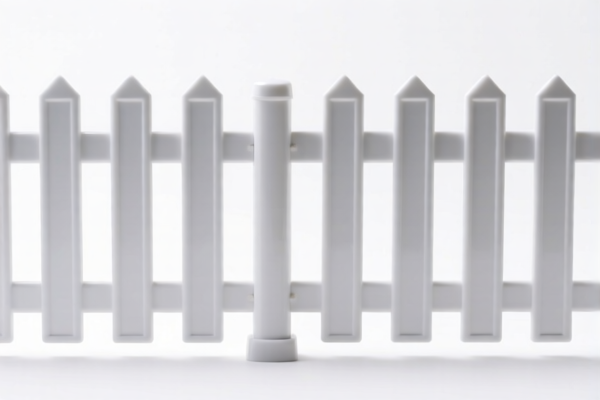
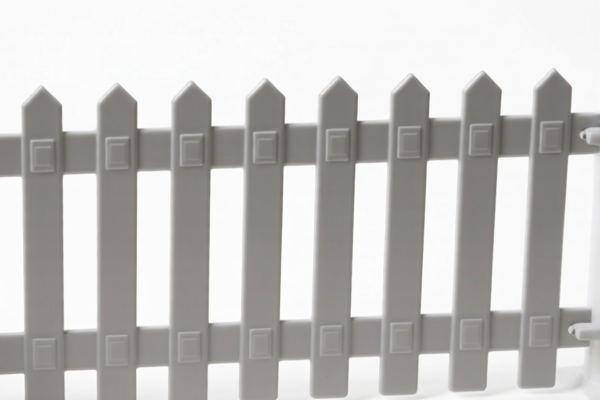
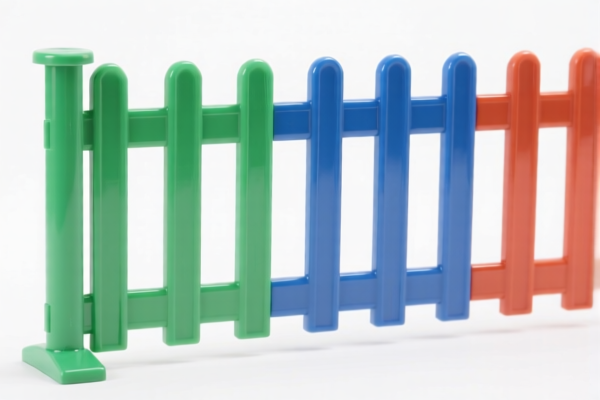
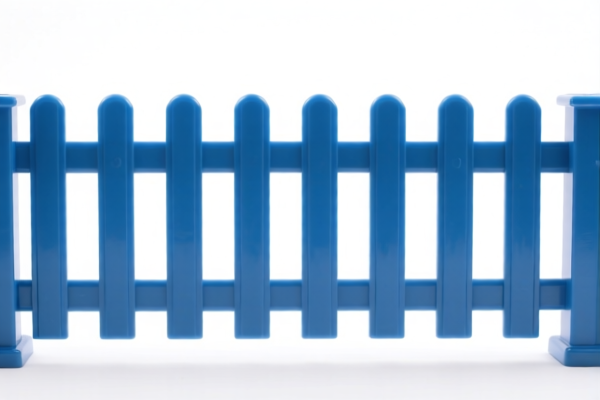
商品图片
AI分析
🛡️ Plastic Fence Panel (塑料围栏/护栏)
🌐 HS Code Reference & Customs Clearance Guide | 2026 Latest Tariff Analysis | Strategic Entry Strategies
📌 Part 1: Product Definition & Classification – Why the Ambiguity?
Plastic fence panels are versatile construction and security components. However, in international trade, they are often caught between two major chapters: Chapter 39 (Plastics and Articles Thereof) and Chapter 84/85 (Machinery/Electrical) or Chapter 94 (Furniture/Bedding).
For Plastic Fence Panels, the classification largely depends on their structural form and intended application:
1. As Building Accessories (Chapter 3925):
If the fence is treated as a fixed architectural element, wall, or permanent installation component, it falls under "Other articles of plastics for walls, partitions..."
2. As Tubular/Plumbing Accessories (Chapter 3917):
If the fence is constructed from rigid plastic pipes, tubes, or fittings (even if assembled into a fence shape), it may be classified as "Other tubes, pipes, and hoses, and fittings therefor."
⚠️ Critical Distinction Point:
- If the fence is a solid panel or designed as a building partition/wall → HS 3925.xx
- If the fence is made of rigid pipes/tubes acting as structural legs or rails → HS 3917.xx
📦 Part 2: Detailed HS Code Breakdown (2026 Latest Tariff Authority Comparison)
| HS Code | Product Description | Application Scenario | Classification Logic |
|---|---|---|---|
3925.90.00.00 |
Other articles of plastics for walls, partitions, roofs... | Solid plastic panels, decorative fences, architectural barriers | ✅ Building Component |
3917.29.00.50 |
Other tubes, pipes, and hoses, rigid, of plastics | Fences made entirely of rigid plastic pipes/tubes | ✅ Piping System Extension |
3925.20.00.91 |
Other articles of plastics for doors, windows, stairs... | Fences classified as building accessories/fixtures | ✅ Building Accessory |
3917.29.00.90 |
Other tubes, pipes, and hoses, rigid, of plastics | General rigid plastic tubular structures not specified elsewhere | ✅ General Tubular Plastic |
🔍 Key Reminder:
- Structure is King: If your fence is a single flat sheet → 3925. If it is a network of pipes → 3917.
- Customs Scrutiny: US Customs and Border Protection (CBP) often challenges "Fence" classifications. Ensure your technical specs match the HS Code (e.g., if claiming 3917, show pipe diameter, wall thickness, and joint details).
💰 Part 3: 2026 Latest Tariff Rate Breakdown (Including Surcharges & Policy Add-ons)
✅ Applicable Country: United States (US)
✅ Country of Origin: China (CN)
✅ Effective Date: Post-2025 Trade Policy Updates (Including Section 301, 122, and Base Rates)
🎯 1. 3925.90.00.00 —— Plastic Building Components (Solid Panels)
| Item | Details |
|---|---|
| Base Duty | 5.3% (General Rate) |
| Section 301 Surcharge | +25.0% (Trade Enactment Act) |
| Section 122 Surcharge | +10.0% (Bipartisan Policy on Specific Plastic Imports) |
| Total Tax Rate | 40.3% |
| Calculation Base | CIF Value × 40.3% |
| De Minimis Eligibility | ❌ None (High tax threshold) |
| Legal Path | USITC:3925.90.00.00 → SECTION 301:9903.01.25 → SECTION 122:122 |
📌 Explanation:
- This is the highest risk category for solid plastic fences. The 25% Section 301 tax is standard for Chinese plastics, but the additional 10% (Section 122) and 5.3% base rate make it expensive.
- Why 40.3%? = 5.3% (Base) + 25% (Sec 301) + 10% (Sec 122).
🎯 2. 3917.29.00.50 —— Rigid Plastic Pipes/Tubes (Tubular Fences)
| Item | Details |
|---|---|
| Base Duty | 3.1% |
| Section 301 Surcharge | +25.0% |
| Section 122 Surcharge | +10.0% |
| Total Tax Rate | 38.1% |
| Calculation Base | CIF Value × 38.1% |
| De Minimis Eligibility | ❌ None |
| Legal Path | USITC:3917.29.00.50 → SECTION 301:9903.01.25 → SECTION 122:122 |
📌 Explanation:
- Slightly cheaper than solid panels due to a lower base duty (3.1% vs 5.3%), but still heavily taxed.
- Strategy: If your fence is modular and made of pipes, this code is preferable to 3925.90.00.00, saving 2.2% on the total value.
🎯 3. 3925.20.00.91 —— Plastic Building Accessories (Doors/Windows/Fences)
| Item | Details |
|---|---|
| Base Duty | 5.3% |
| Section 301 Surcharge | +7.5% (Reduced Rate Category) |
| Section 122 Surcharge | +10.0% |
| Total Tax Rate | 22.8% |
| Calculation Base | CIF Value × 22.8% |
| De Minimis Eligibility | ❌ None |
| Legal Path | USITC:3925.20.00.91 → SECTION 301:9903.01.24 → SECTION 122:122 |
📌 Explanation:
- 💰 THE GOLDEN TICKET! This code offers the lowest total tax rate (22.8%).
- Why? It benefits from a reduced Section 301 surcharge (7.5% instead of 25%).
- Condition: You must justify that the fence is a "building accessory" (like a door or window frame component) rather than a generic "building material." This often requires specific design documentation showing integration with residential/commercial structures.
🎯 4. 3917.29.00.90 —— Other Rigid Plastic Tubes (General)
| Item | Details |
|---|---|
| Base Duty | 3.1% |
| Section 301 Surcharge | +25.0% |
| Section 122 Surcharge | +10.0% |
| Total Tax Rate | 38.1% |
| Calculation Base | CIF Value × 38.1% |
| De Minimis Eligibility | ❌ None |
| Legal Path | USITC:3917.29.00.90 → SECTION 301:9903.01.25 → SECTION 122:122 |
📌 Explanation:
- Same high tax rate as3917.29.00.50.
- Use this only if3917.29.00.50is deemed too specific for your product form.
🛠️ Part 4: Customs Clearance Practical Advice (Battle-Tested Pitfall Guide)
✅ 1. Document Checklist (Non-Negotiable)
| Document | Required? | Purpose |
|---|---|---|
| ✅ Product Photos | ✔️ | Show if it’s a solid panel (3925) or pipe assembly (3917). |
| ✅ Technical Specs | ✔️ | Detail dimensions, material (PVC/PE/PP), and assembly method. |
| ✅ Bill of Lading | ✔️ | Ensure description matches HS Code logic (e.g., "Plastic Pipe Fences" vs "Plastic Wall Panels"). |
| ✅ Commercial Invoice | ✔️ | Value must include freight and insurance (CIF). |
| ✅ Origin Certificate | ✔️ | Confirm China origin to apply correct Section 301/122 rates. |
| ✅ Import License | ✔️ | Check if specific plastic recycling or environmental licenses are needed. |
✅ 2. Declaration Strategy (The "Save Money" Mantra)
🔥 "Solid Panel = 3925.90 (40.3%); Pipe Structure = 3917 (38.1%); Building Accessory = 3925.20 (22.8%)"
| Scenario | Recommended HS Code | Total Tax | Risk Level |
|---|---|---|---|
| Solid PVC Fence Panel (no pipes) | 3925.90.00.00 |
40.3% | ⚠️ High (Verify "Building Component") |
| Pipe-Based Fence (metal/plastic pipes) | 3917.29.00.50 |
38.1% | ⚠️ Medium (Verify "Rigid Tube") |
| Integrated Fence System (with posts/frames) | 3925.20.00.91 |
22.8% | ✅ Low (Best Value!) |
| Generic Plastic Tubing | 3917.29.00.90 |
38.1% | ⚠️ Medium |
📌 Key Insight:
- Claim3925.20.00.91if possible. Argue that your fence is a "fixed architectural fixture" similar to window frames or balcony railings. Provide engineering drawings showing how it attaches to buildings/structures. This can save you ~17.5% in taxes compared to the standard 3925.90 classification.
✅ 3. Special Situations & Troubleshooting
| Situation | Advice |
|---|---|
| Mixed Materials (Plastic + Aluminum) | If metal parts are >50% by weight, it may shift to Chapter 76 or 84. Keep plastic dominant to stay in Chapter 39. |
| Pre-Assembled vs. Knock-Down (KD) | KD kits are often viewed as "parts." Ensure the kit is "complete" to avoid being taxed as individual components (which could be higher). |
| Recycled Plastic Content | If >95% recycled, check for Green Trade incentives, though Section 301/122 still apply. |
| Section 122 Exemptions | Currently, no exemptions for Chinese plastic fences under Section 122. Budget accordingly. |
🌍 Part 5: Global Market Comparison (2026 Outlook)
| Country/Region | Preferred HS Code | Estimated Duty (China Origin) | Key Certifications | Notes |
|---|---|---|---|---|
| 🇺🇸 USA | 3925.20.00.91 |
22.8% (if qualified) | None specific | Highest priority on tax optimization. |
| 🇨🇳 China | 3925.90.00.00 |
5.3% (Import Duty) | CCC (if applicable) | No Section 301/122. Low risk. |
| 🇪🇺 EU | 3925.90 |
6.5% | CE, REACH | No massive surcharges, but high ESG scrutiny. |
| 🇬🇧 UK | 3925.90 |
6.5% | UKCA, REACH | Post-Brexit rules mirror EU closely. |
| 🇦🇺 Australia | 3925.90 |
5.0% | ACCC, RCM | Low duty, but strict safety standards. |
📌 Conclusion:
- The USA is the most complex market due to Section 301 + 122 taxes.
- EU/UK are easier on duty rates but stricter on chemical compliance (REACH).
- Strategy: For US imports, always fight for3925.20.00.91to reduce the 25% Section 301 burden to 7.5%.
📌 Part 6: Common Errors & Pitfalls (Lessons Learned)
❌ Error 1: Declaring all plastic fences under 3925.90.00.00
👉 Consequence: Paying 40.3% tax when you could have paid 22.8% by justifying it as a building accessory (3925.20.00.91).
👉 Solution: Provide architectural integration photos.
❌ Error 2: Declaring pipe fences under 3925.90.00.00
👉 Consequence: Customs may reclassify as 3917 (38.1%) or demand higher duties if misdescribed.
👉 Solution: Be consistent. If it’s pipes, use 3917. If it’s panels, use 3925.
❌ Error 3: Ignoring Section 122 (10%)
👉 Consequence: Unexpected 10% hit on all Chinese plastic imports.
👉 Solution: Factor this into your Landed Cost calculation immediately.
❌ Error 4: Missing "De Minimis" Awareness
👉 Consequence: Thinking small shipments are tax-free.
👉 Reality: For China-origin goods under Section 301/122, Section 321 (De Minimis) is often blocked for these categories. Expect to pay taxes on even small volumes.
🎯 Part 7: Conclusion – Professional Declaration Saves Thousands!
🎯 Remember the Mantra:
🔹 "Solid Panel = 40.3%; Pipe Tube = 38.1%; Building Accessory = 22.8%!"
🔹 "HS Code is Destiny. A 17.5% difference can make or break your profit margin!"
📌 Pro Tip:
If your fence is modular, prefabricated, and integrates with residential structures, aggressively pursue
3925.20.00.91.
Submit a Pre-Ruling Request to US CBP with technical diagrams showing "Building Attachment Points" to secure the lower tax rate.
📣 Immediate Action:
📞 Consult a Customs Broker: Provide product images and technical specs.
🚀 Optimize Your Declaration: Use precise language ("Plastic Building Accessory Fence" vs "Plastic Fence") to support the lower tax code.
💼 Your Bottom Line Depends on Precision!
✨ Smart Classification is Smart Business!
💼 Don't Leave 17.5% on the Table!
用户评价
关于 HS 编码归类
协调制度(HS)是由世界海关组织(WCO)制定的国际贸易商品分类标准。全球 200 多个国家采用 HS 系统作为海关关税、贸易统计和进出口监管的基础。
每个 HS 编码遵循以下层级结构:
- 章(2 位)——商品大类(例如:第 84 章:机器和机械设备)
- 品目(4 位)——章内的更具体分类
- 子目(6 位)——国际通用细分,所有 WCO 成员国统一使用
- 本国细分(8-10 位)——各国自行扩展的细分编码,如美国 HTSUS 10 位编码
正确的 HS 编码归类对于顺利通关、准确缴纳关税和遵守贸易法规至关重要。错误归类可能导致海关延误、多缴关税或罚款。
从CN进口到US时,适用的关税税率可能包括:
- 最惠国(MFN)税率——适用于 WTO 成员国的标准关税税率
- 普通税率——适用于无贸易协定国家
- 贸易救济关税——附加关税,如 301 条款(反倾销)、232 条款(国家安全)或反补贴税
本页内容仅供参考。如需正式归类,请咨询当地海关或持牌报关代理。