Plastic Fence Panel
CN → US| HS Code | Tariff Rate | Origin | Destination | Doc |
|---|---|---|---|---|
| 3925900000 | 40.3% | CN | US | Official Doc |
| 3917290050 | 38.1% | CN | US | Official Doc |
| 3925200091 | 22.8% | CN | US | Official Doc |
| 3917290090 | 38.1% | CN | US | Official Doc |
Product Images
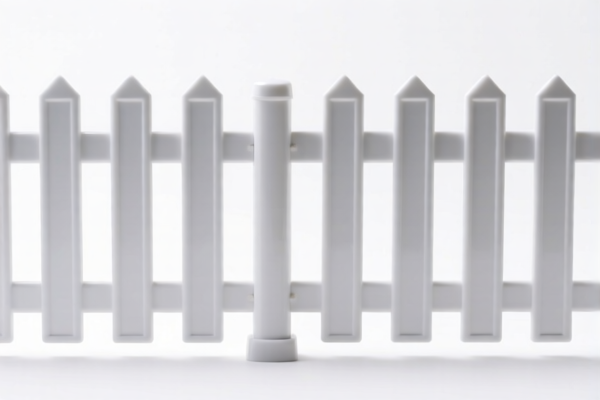
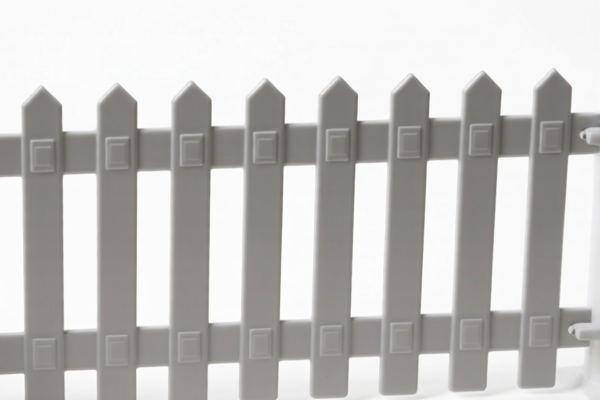
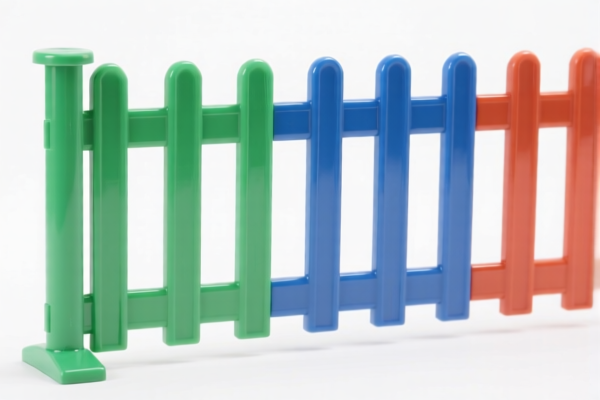
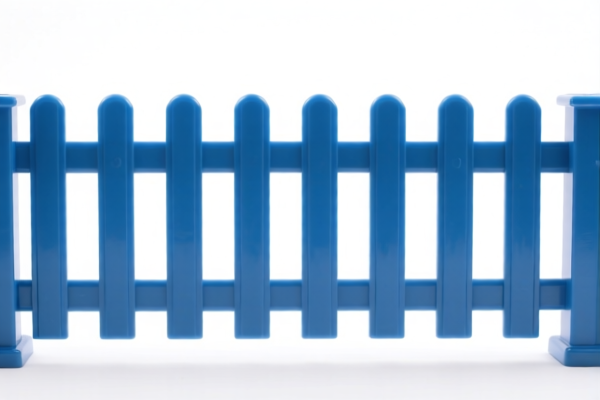
AI Analysis
🛡️ Plastic Fence Panel (塑料围栏/护栏)
🌐 HS Code Reference & Customs Clearance Guide | 2026 Latest Tariff Analysis | Strategic Entry Strategies
📌 Part 1: Product Definition & Classification – Why the Ambiguity?
Plastic fence panels are versatile construction and security components. However, in international trade, they are often caught between two major chapters: Chapter 39 (Plastics and Articles Thereof) and Chapter 84/85 (Machinery/Electrical) or Chapter 94 (Furniture/Bedding).
For Plastic Fence Panels, the classification largely depends on their structural form and intended application:
1. As Building Accessories (Chapter 3925):
If the fence is treated as a fixed architectural element, wall, or permanent installation component, it falls under "Other articles of plastics for walls, partitions..."
2. As Tubular/Plumbing Accessories (Chapter 3917):
If the fence is constructed from rigid plastic pipes, tubes, or fittings (even if assembled into a fence shape), it may be classified as "Other tubes, pipes, and hoses, and fittings therefor."
⚠️ Critical Distinction Point:
- If the fence is a solid panel or designed as a building partition/wall → HS 3925.xx
- If the fence is made of rigid pipes/tubes acting as structural legs or rails → HS 3917.xx
📦 Part 2: Detailed HS Code Breakdown (2026 Latest Tariff Authority Comparison)
| HS Code | Product Description | Application Scenario | Classification Logic |
|---|---|---|---|
3925.90.00.00 |
Other articles of plastics for walls, partitions, roofs... | Solid plastic panels, decorative fences, architectural barriers | ✅ Building Component |
3917.29.00.50 |
Other tubes, pipes, and hoses, rigid, of plastics | Fences made entirely of rigid plastic pipes/tubes | ✅ Piping System Extension |
3925.20.00.91 |
Other articles of plastics for doors, windows, stairs... | Fences classified as building accessories/fixtures | ✅ Building Accessory |
3917.29.00.90 |
Other tubes, pipes, and hoses, rigid, of plastics | General rigid plastic tubular structures not specified elsewhere | ✅ General Tubular Plastic |
🔍 Key Reminder:
- Structure is King: If your fence is a single flat sheet → 3925. If it is a network of pipes → 3917.
- Customs Scrutiny: US Customs and Border Protection (CBP) often challenges "Fence" classifications. Ensure your technical specs match the HS Code (e.g., if claiming 3917, show pipe diameter, wall thickness, and joint details).
💰 Part 3: 2026 Latest Tariff Rate Breakdown (Including Surcharges & Policy Add-ons)
✅ Applicable Country: United States (US)
✅ Country of Origin: China (CN)
✅ Effective Date: Post-2025 Trade Policy Updates (Including Section 301, 122, and Base Rates)
🎯 1. 3925.90.00.00 —— Plastic Building Components (Solid Panels)
| Item | Details |
|---|---|
| Base Duty | 5.3% (General Rate) |
| Section 301 Surcharge | +25.0% (Trade Enactment Act) |
| Section 122 Surcharge | +10.0% (Bipartisan Policy on Specific Plastic Imports) |
| Total Tax Rate | 40.3% |
| Calculation Base | CIF Value × 40.3% |
| De Minimis Eligibility | ❌ None (High tax threshold) |
| Legal Path | USITC:3925.90.00.00 → SECTION 301:9903.01.25 → SECTION 122:122 |
📌 Explanation:
- This is the highest risk category for solid plastic fences. The 25% Section 301 tax is standard for Chinese plastics, but the additional 10% (Section 122) and 5.3% base rate make it expensive.
- Why 40.3%? = 5.3% (Base) + 25% (Sec 301) + 10% (Sec 122).
🎯 2. 3917.29.00.50 —— Rigid Plastic Pipes/Tubes (Tubular Fences)
| Item | Details |
|---|---|
| Base Duty | 3.1% |
| Section 301 Surcharge | +25.0% |
| Section 122 Surcharge | +10.0% |
| Total Tax Rate | 38.1% |
| Calculation Base | CIF Value × 38.1% |
| De Minimis Eligibility | ❌ None |
| Legal Path | USITC:3917.29.00.50 → SECTION 301:9903.01.25 → SECTION 122:122 |
📌 Explanation:
- Slightly cheaper than solid panels due to a lower base duty (3.1% vs 5.3%), but still heavily taxed.
- Strategy: If your fence is modular and made of pipes, this code is preferable to 3925.90.00.00, saving 2.2% on the total value.
🎯 3. 3925.20.00.91 —— Plastic Building Accessories (Doors/Windows/Fences)
| Item | Details |
|---|---|
| Base Duty | 5.3% |
| Section 301 Surcharge | +7.5% (Reduced Rate Category) |
| Section 122 Surcharge | +10.0% |
| Total Tax Rate | 22.8% |
| Calculation Base | CIF Value × 22.8% |
| De Minimis Eligibility | ❌ None |
| Legal Path | USITC:3925.20.00.91 → SECTION 301:9903.01.24 → SECTION 122:122 |
📌 Explanation:
- 💰 THE GOLDEN TICKET! This code offers the lowest total tax rate (22.8%).
- Why? It benefits from a reduced Section 301 surcharge (7.5% instead of 25%).
- Condition: You must justify that the fence is a "building accessory" (like a door or window frame component) rather than a generic "building material." This often requires specific design documentation showing integration with residential/commercial structures.
🎯 4. 3917.29.00.90 —— Other Rigid Plastic Tubes (General)
| Item | Details |
|---|---|
| Base Duty | 3.1% |
| Section 301 Surcharge | +25.0% |
| Section 122 Surcharge | +10.0% |
| Total Tax Rate | 38.1% |
| Calculation Base | CIF Value × 38.1% |
| De Minimis Eligibility | ❌ None |
| Legal Path | USITC:3917.29.00.90 → SECTION 301:9903.01.25 → SECTION 122:122 |
📌 Explanation:
- Same high tax rate as3917.29.00.50.
- Use this only if3917.29.00.50is deemed too specific for your product form.
🛠️ Part 4: Customs Clearance Practical Advice (Battle-Tested Pitfall Guide)
✅ 1. Document Checklist (Non-Negotiable)
| Document | Required? | Purpose |
|---|---|---|
| ✅ Product Photos | ✔️ | Show if it’s a solid panel (3925) or pipe assembly (3917). |
| ✅ Technical Specs | ✔️ | Detail dimensions, material (PVC/PE/PP), and assembly method. |
| ✅ Bill of Lading | ✔️ | Ensure description matches HS Code logic (e.g., "Plastic Pipe Fences" vs "Plastic Wall Panels"). |
| ✅ Commercial Invoice | ✔️ | Value must include freight and insurance (CIF). |
| ✅ Origin Certificate | ✔️ | Confirm China origin to apply correct Section 301/122 rates. |
| ✅ Import License | ✔️ | Check if specific plastic recycling or environmental licenses are needed. |
✅ 2. Declaration Strategy (The "Save Money" Mantra)
🔥 "Solid Panel = 3925.90 (40.3%); Pipe Structure = 3917 (38.1%); Building Accessory = 3925.20 (22.8%)"
| Scenario | Recommended HS Code | Total Tax | Risk Level |
|---|---|---|---|
| Solid PVC Fence Panel (no pipes) | 3925.90.00.00 |
40.3% | ⚠️ High (Verify "Building Component") |
| Pipe-Based Fence (metal/plastic pipes) | 3917.29.00.50 |
38.1% | ⚠️ Medium (Verify "Rigid Tube") |
| Integrated Fence System (with posts/frames) | 3925.20.00.91 |
22.8% | ✅ Low (Best Value!) |
| Generic Plastic Tubing | 3917.29.00.90 |
38.1% | ⚠️ Medium |
📌 Key Insight:
- Claim3925.20.00.91if possible. Argue that your fence is a "fixed architectural fixture" similar to window frames or balcony railings. Provide engineering drawings showing how it attaches to buildings/structures. This can save you ~17.5% in taxes compared to the standard 3925.90 classification.
✅ 3. Special Situations & Troubleshooting
| Situation | Advice |
|---|---|
| Mixed Materials (Plastic + Aluminum) | If metal parts are >50% by weight, it may shift to Chapter 76 or 84. Keep plastic dominant to stay in Chapter 39. |
| Pre-Assembled vs. Knock-Down (KD) | KD kits are often viewed as "parts." Ensure the kit is "complete" to avoid being taxed as individual components (which could be higher). |
| Recycled Plastic Content | If >95% recycled, check for Green Trade incentives, though Section 301/122 still apply. |
| Section 122 Exemptions | Currently, no exemptions for Chinese plastic fences under Section 122. Budget accordingly. |
🌍 Part 5: Global Market Comparison (2026 Outlook)
| Country/Region | Preferred HS Code | Estimated Duty (China Origin) | Key Certifications | Notes |
|---|---|---|---|---|
| 🇺🇸 USA | 3925.20.00.91 |
22.8% (if qualified) | None specific | Highest priority on tax optimization. |
| 🇨🇳 China | 3925.90.00.00 |
5.3% (Import Duty) | CCC (if applicable) | No Section 301/122. Low risk. |
| 🇪🇺 EU | 3925.90 |
6.5% | CE, REACH | No massive surcharges, but high ESG scrutiny. |
| 🇬🇧 UK | 3925.90 |
6.5% | UKCA, REACH | Post-Brexit rules mirror EU closely. |
| 🇦🇺 Australia | 3925.90 |
5.0% | ACCC, RCM | Low duty, but strict safety standards. |
📌 Conclusion:
- The USA is the most complex market due to Section 301 + 122 taxes.
- EU/UK are easier on duty rates but stricter on chemical compliance (REACH).
- Strategy: For US imports, always fight for3925.20.00.91to reduce the 25% Section 301 burden to 7.5%.
📌 Part 6: Common Errors & Pitfalls (Lessons Learned)
❌ Error 1: Declaring all plastic fences under 3925.90.00.00
👉 Consequence: Paying 40.3% tax when you could have paid 22.8% by justifying it as a building accessory (3925.20.00.91).
👉 Solution: Provide architectural integration photos.
❌ Error 2: Declaring pipe fences under 3925.90.00.00
👉 Consequence: Customs may reclassify as 3917 (38.1%) or demand higher duties if misdescribed.
👉 Solution: Be consistent. If it’s pipes, use 3917. If it’s panels, use 3925.
❌ Error 3: Ignoring Section 122 (10%)
👉 Consequence: Unexpected 10% hit on all Chinese plastic imports.
👉 Solution: Factor this into your Landed Cost calculation immediately.
❌ Error 4: Missing "De Minimis" Awareness
👉 Consequence: Thinking small shipments are tax-free.
👉 Reality: For China-origin goods under Section 301/122, Section 321 (De Minimis) is often blocked for these categories. Expect to pay taxes on even small volumes.
🎯 Part 7: Conclusion – Professional Declaration Saves Thousands!
🎯 Remember the Mantra:
🔹 "Solid Panel = 40.3%; Pipe Tube = 38.1%; Building Accessory = 22.8%!"
🔹 "HS Code is Destiny. A 17.5% difference can make or break your profit margin!"
📌 Pro Tip:
If your fence is modular, prefabricated, and integrates with residential structures, aggressively pursue
3925.20.00.91.
Submit a Pre-Ruling Request to US CBP with technical diagrams showing "Building Attachment Points" to secure the lower tax rate.
📣 Immediate Action:
📞 Consult a Customs Broker: Provide product images and technical specs.
🚀 Optimize Your Declaration: Use precise language ("Plastic Building Accessory Fence" vs "Plastic Fence") to support the lower tax code.
💼 Your Bottom Line Depends on Precision!
✨ Smart Classification is Smart Business!
💼 Don't Leave 17.5% on the Table!
Customer Reviews
About HS Code Classification
The Harmonized System (HS) is an internationally standardized nomenclature developed by the World Customs Organization (WCO) to classify traded products. Over 200 countries use the HS system as the basis for customs tariffs, trade statistics, and import/export regulations.
Each HS code follows a hierarchical structure:
- Chapter (2 digits) — Broad category of goods (e.g., Chapter 84: Machinery and Mechanical Appliances)
- Heading (4 digits) — More specific grouping within the chapter
- Subheading (6 digits) — Internationally standardized breakdown, used by all WCO member countries
- National subdivisions (8-10 digits) — Country-specific extensions for further classification, such as US HTSUS 10-digit codes
Correct HS code classification is essential for smooth customs clearance, accurate duty payment, and compliance with trade regulations. Misclassification can lead to customs delays, overpayment of duties, or penalties.
When importing from CN to US, the applicable tariff rates may include:
- Most-Favored-Nation (MFN) rate — The standard duty rate applied to WTO members
- General rate — Applied to countries without trade agreements
- Trade remedy duties — Additional tariffs such as Section 301 (anti-dumping), Section 232 (national security), or countervailing duties
The information provided on this page is for reference purposes only. For official classification, please consult with your local customs authority or a licensed customs broker.