Plastic Flooring Glossy
CN → US| HS编码 | 关税税率 | 原产国 | 目的国 | 文档 |
|---|---|---|---|---|
| 3925900000 | 40.3% | CN | US | 官方文档 |
| 5904909000 | 35.0% | CN | US | 官方文档 |
| 3918101040 | 40.3% | CN | US | 官方文档 |
| 3926906090 | 39.2% | CN | US | 官方文档 |
| 3926909989 | 22.8% | CN | US | 官方文档 |
| 5904901000 | 35.0% | CN | US | 官方文档 |
商品图片
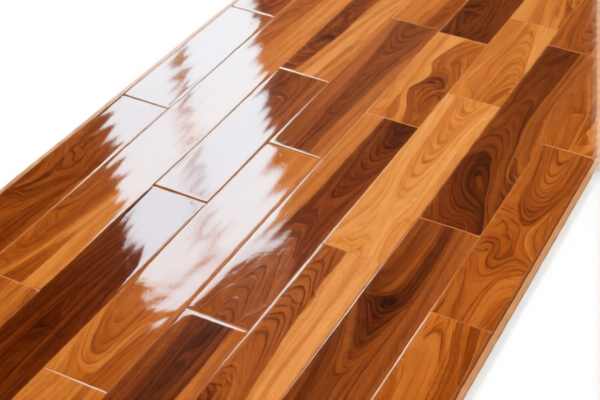
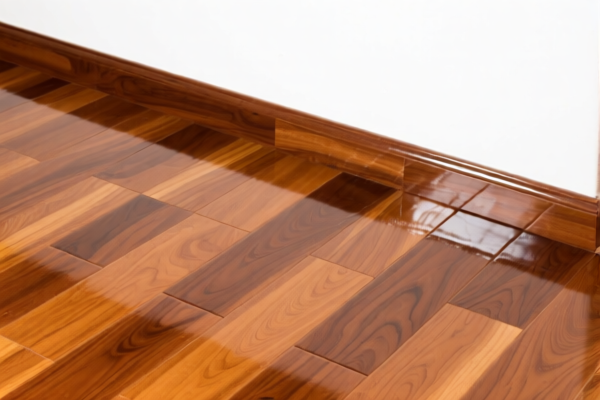
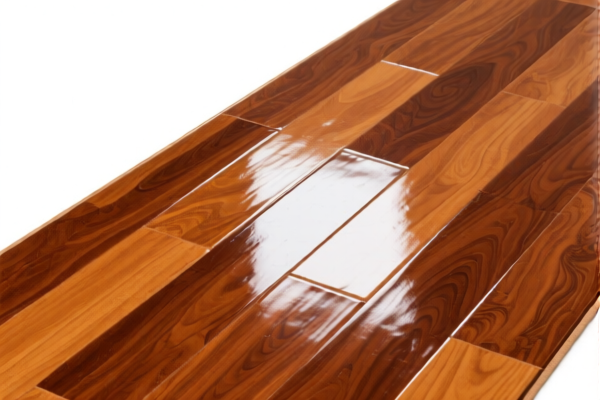
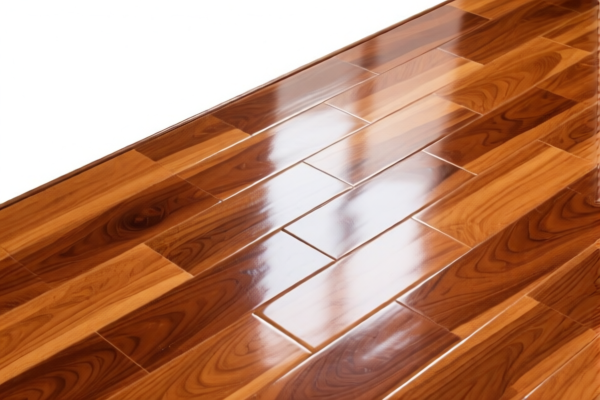
AI分析
🏠 Plastic Flooring Glossy (High-Gloss Vinyl/Laminate Flooring)
🌐 HS Code Reference & Customs Clearance Guide | 2026 Latest Tariff Analysis | Professional Clearance Strategy
📌 I. Product Definition & Classification: What is "Glossy Plastic Flooring"?
Glossy plastic flooring refers to surface coverings primarily made from plastic materials (such as PVC, PE, or composite plastics) with a high-gloss finish, used for indoor or outdoor construction. In international trade, its classification depends heavily on whether it is considered a "construction component" or a "textile/carpet covering."
Key Distinction: * Construction Material (Plastic): If the flooring is rigid, semi-rigid, or behaves like a building material (e.g., vinyl planks, rigid core flooring) → Falls under Chapter 39 (Plastics). * Covering Material (Textile-like): If the flooring is flexible, installed like a carpet/rug, or coated on a fabric backing → Falls under Chapter 59 (Impregnated Textiles).
⚠️ Critical Classification Point:
- If it is a rigid or semi-rigid plastic tile/plank → Classify under 3925.90 or 3918.10.
- If it is a flexible sheet/roll coated on a backing → Classify under 5904.90.
- Misclassification Risk: Declaring a rigid PVC floor as a "carpet" (5904) to lower duties is a common compliance error.
📦 II. HS Code Classification Details (2026 Latest Tariff Authoritative Comparison)
| HS Code | Product Description | Applicable Scenario | Tax Rate (Total) | Tax Breakdown |
|---|---|---|---|---|
3925.90.00.00 |
Plastic building components, other | Plastic flooring classified as building construction materials (e.g., rigid vinyl planks, siding-style flooring) | 40.3% | Base: 5.3%, Section 301: 25%, Section 122: 10% |
5904.90.90.00 |
Other floor coverings, carpet/rug category | Plastic flooring classified as flexible coverings/carpet (e.g., rolled vinyl, flexible sheets) | 35.0% | Base: 0.0%, Section 301: 25%, Section 122: 10% |
3918.10.10.40 |
Plastic floor coverings, specific subheading | PVC plastic flooring (specifically categorized under "Plastic Flooring") | 40.3% | Base: 5.3%, Section 301: 25%, Section 122: 10% |
3926.90.60.90 |
Plastic articles, other | General plastic flooring parts/accessories not elsewhere specified | 39.2% | Base: 4.2%, Section 301: 25%, Section 122: 10% |
3926.90.99.89 |
Plastic articles, other (bottom line) | Plastic flooring items falling under general "other plastic articles" | 22.8% | Base: 5.3%, Section 301: 7.5%, Section 122: 10% |
5904.90.10.00 |
Floor coverings, coated on backing | Flooring with coating/applied layer on a substrate, plastic properties do not conflict with textile logic | 35.0% | Base: 0.0%, Section 301: 25%, Section 122: 10% |
🔍 Key Observation:
- The lowest total tax rate is 22.8% (3926.90.99.89), which applies if the flooring can be classified as a general "other plastic article" rather than a specific construction material or textile.
- The highest tax rate is 40.3% (3925.90.00.00,3918.10.10.40), typical for rigid plastic building materials.
- Section 301 (25%) is applied to most plastic and textile-based floorings, but Section 122 (10%) also adds a significant layer of cost.
💰 III. 2026 Latest Tariff Rate Detail (Including Surcharges & Policy Add-ons)
✅ Applicable Country: United States (US)
✅ Origin: China (CN)
✅ Effective Time: Post-November 2025 (Current Regulations)
🎯 1. 3925.90.00.00 & 3918.10.10.40 – Rigid Plastic Flooring / Construction Material
| Item | Content |
|---|---|
| Base Tariff | 5.3% (ad valorem) |
| USITC Surcharge (Section 301) | +25.0% (USITC Footnote 301.1) |
| Section 122 Surcharge | +10.0% (Trade Remedies) |
| Total Tariff | 40.3% |
| Tax Calculation | CIF Value × 40.3% |
| De Minimis Eligibility | ❌ Not Eligible (High duty rate disqualifies from de minimis exemption in many cases) |
| Legal Basis Path | HTSUS:3918.10.10.40 / 3925.90.00.00 → USITC:Section 301 → Section 122 |
📌 Explanation:
- These codes classify the flooring as building components or specific plastic flooring.
- The 5.3% base rate is standard for plastic construction items.
- 35% in additional duties (25% + 10%) makes this category very expensive for importers.
🎯 2. 5904.90.90.00 & 5904.90.10.00 – Flexible Flooring / Carpet-like
| Item | Content |
|---|---|
| Base Tariff | 0.0% (ad valorem) |
| USITC Surcharge (Section 301) | +25.0% |
| Section 122 Surcharge | +10.0% |
| Total Tariff | 35.0% |
| Tax Calculation | CIF Value × 35.0% |
| De Minimis Eligibility | ❌ Not Eligible |
| Legal Basis Path | HTSUS:5904.90.10.00 / 5904.90.90.00 → USITC:Section 301 → Section 122 |
📌 Note:
- The base tariff is 0%, which is attractive.
- However, the 25% + 10% surcharges still bring the total to 35%, which is lower than the rigid plastic options but still significant.
🎯 3. 3926.90.99.89 – Other Plastic Articles (Lowest Rate Option)
| Item | Content |
|---|---|
| Base Tariff | 5.3% (ad valorem) |
| USITC Surcharge (Section 301) | +7.5% (Reduced rate for certain plastic articles) |
| Section 122 Surcharge | +10.0% |
| Total Tariff | 22.8% |
| Tax Calculation | CIF Value × 22.8% |
| De Minimis Eligibility | ❌ Not Eligible |
| Legal Basis Path | HTSUS:3926.90.99.89 → USITC:Section 301 (7.5%) → Section 122 |
📌 Strategic Insight:
- This code offers the lowest total duty of 22.8%.
- It applies if the flooring is considered a general plastic article rather than a specific construction material or textile.
- Challenge: Justifying this classification requires proving the product does not fit the specific definitions of 3918 (plastic flooring) or 5904 (carpet).
🛠️ IV. Customs Clearance Practical Advice (Real-World Pitfall Guide)
✅ 1. Required Documents Checklist (Must-Haves)
| Document | Required | Notes |
|---|---|---|
| ✅ Product Specification Sheet | ✔️ | Must specify material (PVC, PE, etc.), thickness, installation type (click-lock, glue-down, loose-lay) |
| ✅ Product Photos | ✔️ | Show texture (glossy finish), edge details, and backing material |
| ✅ Commercial Invoice | ✔️ | Clearly describe as "Plastic Flooring" or "Vinyl Flooring," avoid vague terms like "Plastic Sheet" |
| ✅ Packing List | ✔️ | Indicate if products are rolled or planks |
| ✅ Certificate of Origin (CO) | ✔️ | If applicable for preferential rates (unlikely for China) |
| ✅ Third-Party Test Report | ✔️ | Flammability, VOC, Formaldehyde content (required for residential use) |
✅ 2. Declaration Strategy (Key Mantras)
🔥 "Material Determines Code, Structure Determines Rate, Be Specific to Save Money!"
| Scenario | Correct Declaration | Incorrect Declaration | Risk |
|---|---|---|---|
| Rigid PVC Planks (Click-Lock) | 3918.10.10.40 or 3925.90.00.00 |
"Plastic Floor Mats" | May be reclassified to 3918, triggering 40.3% tax |
| Flexible Vinyl Rolls | 5904.90.10.00 or 5904.90.90.00 |
"Plastic Boards" | Misclassification penalty + back taxes |
| Composite Flooring with Plastic Surface | 3926.90.99.89 (if justified) |
"Wood Flooring" | Major violation, severe fines |
| Flooring Tiles (Loose Lay) | 3926.90.99.89 (Best Rate) |
"Carpet Tiles" | If not textile-backed, 5904 may be rejected |
✅ 3. Special Handling Cases
| Case | Handling Advice |
|---|---|
| Glossy Finish | Ensure the description includes "High-Gloss Finish" to match sample, but do not let it override material classification |
| Underlayment Attached | If foam underlayment is pre-attached, it may still be classified under flooring codes, not as a separate accessory |
| Mixed Materials | If flooring has wood veneer + plastic layer, it may be classified under wood chapters → Higher scrutiny |
| Section 122 Impact | Since 10% is added to almost all codes, even the "low" rate codes are subject to this. Budget accordingly. |
🌍 V. Global Market Clearance Comparison (2026 Latest)
| Country/Region | Recommended HS Code | Tariff Rate | Certification | Notes |
|---|---|---|---|---|
| 🇺🇸 USA | 3918.10.10.40 or 3926.90.99.89 |
22.8% - 40.3% | FCC (if electronic), CA Prop 65 | High duties due to Section 301 & 122 |
| 🇨🇳 China | 3918.10.10.40 |
~5-7% | CCC (if applicable) | Low base duty, no Section 301 |
| 🇪🇺 EU | 3918.10.00 |
0-3.7% | CE, REACH | No Section 122 equivalent, lower overall cost |
| 🇬🇧 UK | 3918.10.00 |
3.7% | UKCA, REACH | Post-Brexit rules apply |
| 🇦🇺 Australia | 3918.10.00 |
5% | ACMA (if electronic) | Moderate duties |
📌 Conclusion:
- USA has the highest total landed cost due to multiple surcharges.
- EU/UK/Australia are more cost-effective for plastic flooring imports.
- For US imports,3926.90.99.89(22.8%) is the most strategic if defensible.
📌 VI. Common Errors & Pitfalls (Lessons Learned)
❌ Error 1: Classifying rigid vinyl planks as "Carpet" (5904)
👉 Consequence: CBP may reject, assess back taxes at 40.3% + penalties.
❌ Error 2: Ignoring Section 122 (10%) in cost calculation
👉 Consequence: Profit margins eroded by unexpected 10% duty on top of Section 301.
❌ Error 3: Vague description "Plastic Floor"
👉 Consequence: CBP may select code 3926.90.99.89 (22.8%) or 3925.90.00.00 (40.3%) based on their interpretation, creating uncertainty.
❌ Error 4: Not disclosing "Glossy" finish when required for safety standards
👉 Consequence: Rejection due to missing flammability/VOC tests.
✅ Correct Approach:
"PVC Plastic Flooring Tiles, High-Gloss Finish, Click-Lock Installation, Thickness 4mm, for Indoor Residential Use, Model XYZ, CA Prop 65 Compliant"
🎯 VII. Conclusion: Precision Classification Saves Money!
🎯 Remember the Mantra:
🔹 "Rigid = 3918/3925 (40.3%), Flexible = 5904 (35%), General = 3926 (22.8%)!"
🔹 "Section 301 & 122 are always on the table – Plan for the 35-40% hit!"
🔹 "Don't guess the code – Justify it with structure and material!"
📌 Pro Tip:
If you are importing large volumes, consider Applying for a Binding Ruling (CBP Ruling) before shipment. This provides legal certainty on whether your glossy plastic flooring falls under 3918 or 3926, potentially saving 17.5% in duties if you can justify 3926.90.99.89.
📣 Take Action Now:
📞 Contact a licensed Customs Broker
📄 Provide detailed product specs & photos
🚀 Secure your HS Code classification before shipping!
✨ Professional Clearance Starts with Accurate Classification!
💼 Your Cost Efficiency Depends on the Right HS Code!
用户评价
关于 HS 编码归类
协调制度(HS)是由世界海关组织(WCO)制定的国际贸易商品分类标准。全球 200 多个国家采用 HS 系统作为海关关税、贸易统计和进出口监管的基础。
每个 HS 编码遵循以下层级结构:
- 章(2 位)——商品大类(例如:第 84 章:机器和机械设备)
- 品目(4 位)——章内的更具体分类
- 子目(6 位)——国际通用细分,所有 WCO 成员国统一使用
- 本国细分(8-10 位)——各国自行扩展的细分编码,如美国 HTSUS 10 位编码
正确的 HS 编码归类对于顺利通关、准确缴纳关税和遵守贸易法规至关重要。错误归类可能导致海关延误、多缴关税或罚款。
从CN进口到US时,适用的关税税率可能包括:
- 最惠国(MFN)税率——适用于 WTO 成员国的标准关税税率
- 普通税率——适用于无贸易协定国家
- 贸易救济关税——附加关税,如 301 条款(反倾销)、232 条款(国家安全)或反补贴税
本页内容仅供参考。如需正式归类,请咨询当地海关或持牌报关代理。