Plastic Flooring Glossy
CN → US| HS Code | Tariff Rate | Origin | Destination | Doc |
|---|---|---|---|---|
| 3925900000 | 40.3% | CN | US | Official Doc |
| 5904909000 | 35.0% | CN | US | Official Doc |
| 3918101040 | 40.3% | CN | US | Official Doc |
| 3926906090 | 39.2% | CN | US | Official Doc |
| 3926909989 | 22.8% | CN | US | Official Doc |
| 5904901000 | 35.0% | CN | US | Official Doc |
Product Images
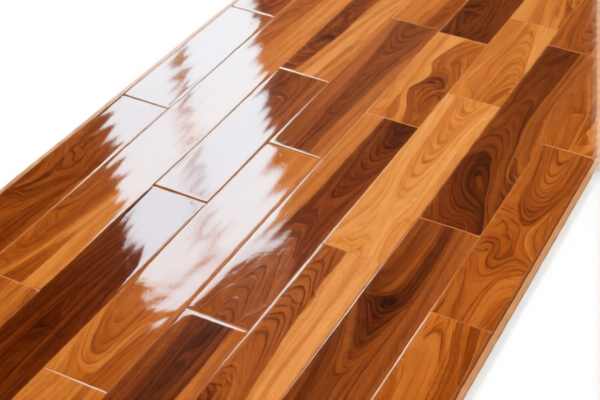
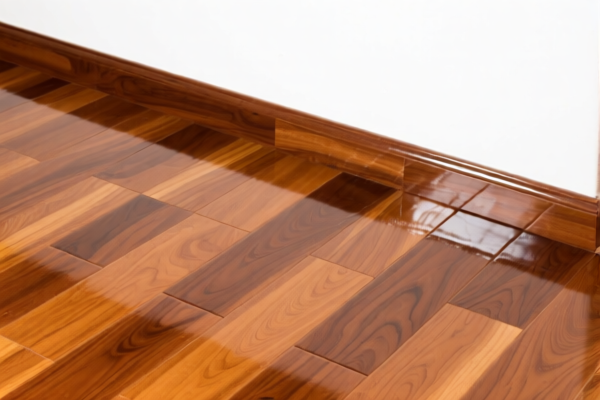
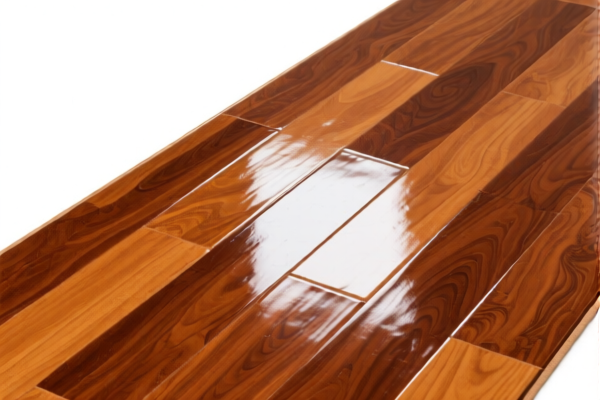
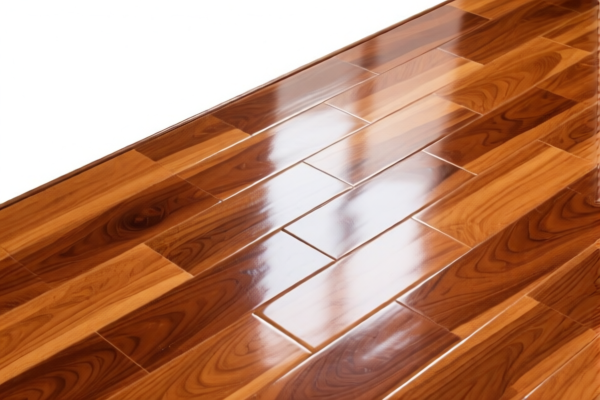
AI Analysis
🏠 Plastic Flooring Glossy (High-Gloss Vinyl/Laminate Flooring)
🌐 HS Code Reference & Customs Clearance Guide | 2026 Latest Tariff Analysis | Professional Clearance Strategy
📌 I. Product Definition & Classification: What is "Glossy Plastic Flooring"?
Glossy plastic flooring refers to surface coverings primarily made from plastic materials (such as PVC, PE, or composite plastics) with a high-gloss finish, used for indoor or outdoor construction. In international trade, its classification depends heavily on whether it is considered a "construction component" or a "textile/carpet covering."
Key Distinction: * Construction Material (Plastic): If the flooring is rigid, semi-rigid, or behaves like a building material (e.g., vinyl planks, rigid core flooring) → Falls under Chapter 39 (Plastics). * Covering Material (Textile-like): If the flooring is flexible, installed like a carpet/rug, or coated on a fabric backing → Falls under Chapter 59 (Impregnated Textiles).
⚠️ Critical Classification Point:
- If it is a rigid or semi-rigid plastic tile/plank → Classify under 3925.90 or 3918.10.
- If it is a flexible sheet/roll coated on a backing → Classify under 5904.90.
- Misclassification Risk: Declaring a rigid PVC floor as a "carpet" (5904) to lower duties is a common compliance error.
📦 II. HS Code Classification Details (2026 Latest Tariff Authoritative Comparison)
| HS Code | Product Description | Applicable Scenario | Tax Rate (Total) | Tax Breakdown |
|---|---|---|---|---|
3925.90.00.00 |
Plastic building components, other | Plastic flooring classified as building construction materials (e.g., rigid vinyl planks, siding-style flooring) | 40.3% | Base: 5.3%, Section 301: 25%, Section 122: 10% |
5904.90.90.00 |
Other floor coverings, carpet/rug category | Plastic flooring classified as flexible coverings/carpet (e.g., rolled vinyl, flexible sheets) | 35.0% | Base: 0.0%, Section 301: 25%, Section 122: 10% |
3918.10.10.40 |
Plastic floor coverings, specific subheading | PVC plastic flooring (specifically categorized under "Plastic Flooring") | 40.3% | Base: 5.3%, Section 301: 25%, Section 122: 10% |
3926.90.60.90 |
Plastic articles, other | General plastic flooring parts/accessories not elsewhere specified | 39.2% | Base: 4.2%, Section 301: 25%, Section 122: 10% |
3926.90.99.89 |
Plastic articles, other (bottom line) | Plastic flooring items falling under general "other plastic articles" | 22.8% | Base: 5.3%, Section 301: 7.5%, Section 122: 10% |
5904.90.10.00 |
Floor coverings, coated on backing | Flooring with coating/applied layer on a substrate, plastic properties do not conflict with textile logic | 35.0% | Base: 0.0%, Section 301: 25%, Section 122: 10% |
🔍 Key Observation:
- The lowest total tax rate is 22.8% (3926.90.99.89), which applies if the flooring can be classified as a general "other plastic article" rather than a specific construction material or textile.
- The highest tax rate is 40.3% (3925.90.00.00,3918.10.10.40), typical for rigid plastic building materials.
- Section 301 (25%) is applied to most plastic and textile-based floorings, but Section 122 (10%) also adds a significant layer of cost.
💰 III. 2026 Latest Tariff Rate Detail (Including Surcharges & Policy Add-ons)
✅ Applicable Country: United States (US)
✅ Origin: China (CN)
✅ Effective Time: Post-November 2025 (Current Regulations)
🎯 1. 3925.90.00.00 & 3918.10.10.40 – Rigid Plastic Flooring / Construction Material
| Item | Content |
|---|---|
| Base Tariff | 5.3% (ad valorem) |
| USITC Surcharge (Section 301) | +25.0% (USITC Footnote 301.1) |
| Section 122 Surcharge | +10.0% (Trade Remedies) |
| Total Tariff | 40.3% |
| Tax Calculation | CIF Value × 40.3% |
| De Minimis Eligibility | ❌ Not Eligible (High duty rate disqualifies from de minimis exemption in many cases) |
| Legal Basis Path | HTSUS:3918.10.10.40 / 3925.90.00.00 → USITC:Section 301 → Section 122 |
📌 Explanation:
- These codes classify the flooring as building components or specific plastic flooring.
- The 5.3% base rate is standard for plastic construction items.
- 35% in additional duties (25% + 10%) makes this category very expensive for importers.
🎯 2. 5904.90.90.00 & 5904.90.10.00 – Flexible Flooring / Carpet-like
| Item | Content |
|---|---|
| Base Tariff | 0.0% (ad valorem) |
| USITC Surcharge (Section 301) | +25.0% |
| Section 122 Surcharge | +10.0% |
| Total Tariff | 35.0% |
| Tax Calculation | CIF Value × 35.0% |
| De Minimis Eligibility | ❌ Not Eligible |
| Legal Basis Path | HTSUS:5904.90.10.00 / 5904.90.90.00 → USITC:Section 301 → Section 122 |
📌 Note:
- The base tariff is 0%, which is attractive.
- However, the 25% + 10% surcharges still bring the total to 35%, which is lower than the rigid plastic options but still significant.
🎯 3. 3926.90.99.89 – Other Plastic Articles (Lowest Rate Option)
| Item | Content |
|---|---|
| Base Tariff | 5.3% (ad valorem) |
| USITC Surcharge (Section 301) | +7.5% (Reduced rate for certain plastic articles) |
| Section 122 Surcharge | +10.0% |
| Total Tariff | 22.8% |
| Tax Calculation | CIF Value × 22.8% |
| De Minimis Eligibility | ❌ Not Eligible |
| Legal Basis Path | HTSUS:3926.90.99.89 → USITC:Section 301 (7.5%) → Section 122 |
📌 Strategic Insight:
- This code offers the lowest total duty of 22.8%.
- It applies if the flooring is considered a general plastic article rather than a specific construction material or textile.
- Challenge: Justifying this classification requires proving the product does not fit the specific definitions of 3918 (plastic flooring) or 5904 (carpet).
🛠️ IV. Customs Clearance Practical Advice (Real-World Pitfall Guide)
✅ 1. Required Documents Checklist (Must-Haves)
| Document | Required | Notes |
|---|---|---|
| ✅ Product Specification Sheet | ✔️ | Must specify material (PVC, PE, etc.), thickness, installation type (click-lock, glue-down, loose-lay) |
| ✅ Product Photos | ✔️ | Show texture (glossy finish), edge details, and backing material |
| ✅ Commercial Invoice | ✔️ | Clearly describe as "Plastic Flooring" or "Vinyl Flooring," avoid vague terms like "Plastic Sheet" |
| ✅ Packing List | ✔️ | Indicate if products are rolled or planks |
| ✅ Certificate of Origin (CO) | ✔️ | If applicable for preferential rates (unlikely for China) |
| ✅ Third-Party Test Report | ✔️ | Flammability, VOC, Formaldehyde content (required for residential use) |
✅ 2. Declaration Strategy (Key Mantras)
🔥 "Material Determines Code, Structure Determines Rate, Be Specific to Save Money!"
| Scenario | Correct Declaration | Incorrect Declaration | Risk |
|---|---|---|---|
| Rigid PVC Planks (Click-Lock) | 3918.10.10.40 or 3925.90.00.00 |
"Plastic Floor Mats" | May be reclassified to 3918, triggering 40.3% tax |
| Flexible Vinyl Rolls | 5904.90.10.00 or 5904.90.90.00 |
"Plastic Boards" | Misclassification penalty + back taxes |
| Composite Flooring with Plastic Surface | 3926.90.99.89 (if justified) |
"Wood Flooring" | Major violation, severe fines |
| Flooring Tiles (Loose Lay) | 3926.90.99.89 (Best Rate) |
"Carpet Tiles" | If not textile-backed, 5904 may be rejected |
✅ 3. Special Handling Cases
| Case | Handling Advice |
|---|---|
| Glossy Finish | Ensure the description includes "High-Gloss Finish" to match sample, but do not let it override material classification |
| Underlayment Attached | If foam underlayment is pre-attached, it may still be classified under flooring codes, not as a separate accessory |
| Mixed Materials | If flooring has wood veneer + plastic layer, it may be classified under wood chapters → Higher scrutiny |
| Section 122 Impact | Since 10% is added to almost all codes, even the "low" rate codes are subject to this. Budget accordingly. |
🌍 V. Global Market Clearance Comparison (2026 Latest)
| Country/Region | Recommended HS Code | Tariff Rate | Certification | Notes |
|---|---|---|---|---|
| 🇺🇸 USA | 3918.10.10.40 or 3926.90.99.89 |
22.8% - 40.3% | FCC (if electronic), CA Prop 65 | High duties due to Section 301 & 122 |
| 🇨🇳 China | 3918.10.10.40 |
~5-7% | CCC (if applicable) | Low base duty, no Section 301 |
| 🇪🇺 EU | 3918.10.00 |
0-3.7% | CE, REACH | No Section 122 equivalent, lower overall cost |
| 🇬🇧 UK | 3918.10.00 |
3.7% | UKCA, REACH | Post-Brexit rules apply |
| 🇦🇺 Australia | 3918.10.00 |
5% | ACMA (if electronic) | Moderate duties |
📌 Conclusion:
- USA has the highest total landed cost due to multiple surcharges.
- EU/UK/Australia are more cost-effective for plastic flooring imports.
- For US imports,3926.90.99.89(22.8%) is the most strategic if defensible.
📌 VI. Common Errors & Pitfalls (Lessons Learned)
❌ Error 1: Classifying rigid vinyl planks as "Carpet" (5904)
👉 Consequence: CBP may reject, assess back taxes at 40.3% + penalties.
❌ Error 2: Ignoring Section 122 (10%) in cost calculation
👉 Consequence: Profit margins eroded by unexpected 10% duty on top of Section 301.
❌ Error 3: Vague description "Plastic Floor"
👉 Consequence: CBP may select code 3926.90.99.89 (22.8%) or 3925.90.00.00 (40.3%) based on their interpretation, creating uncertainty.
❌ Error 4: Not disclosing "Glossy" finish when required for safety standards
👉 Consequence: Rejection due to missing flammability/VOC tests.
✅ Correct Approach:
"PVC Plastic Flooring Tiles, High-Gloss Finish, Click-Lock Installation, Thickness 4mm, for Indoor Residential Use, Model XYZ, CA Prop 65 Compliant"
🎯 VII. Conclusion: Precision Classification Saves Money!
🎯 Remember the Mantra:
🔹 "Rigid = 3918/3925 (40.3%), Flexible = 5904 (35%), General = 3926 (22.8%)!"
🔹 "Section 301 & 122 are always on the table – Plan for the 35-40% hit!"
🔹 "Don't guess the code – Justify it with structure and material!"
📌 Pro Tip:
If you are importing large volumes, consider Applying for a Binding Ruling (CBP Ruling) before shipment. This provides legal certainty on whether your glossy plastic flooring falls under 3918 or 3926, potentially saving 17.5% in duties if you can justify 3926.90.99.89.
📣 Take Action Now:
📞 Contact a licensed Customs Broker
📄 Provide detailed product specs & photos
🚀 Secure your HS Code classification before shipping!
✨ Professional Clearance Starts with Accurate Classification!
💼 Your Cost Efficiency Depends on the Right HS Code!
Customer Reviews
About HS Code Classification
The Harmonized System (HS) is an internationally standardized nomenclature developed by the World Customs Organization (WCO) to classify traded products. Over 200 countries use the HS system as the basis for customs tariffs, trade statistics, and import/export regulations.
Each HS code follows a hierarchical structure:
- Chapter (2 digits) — Broad category of goods (e.g., Chapter 84: Machinery and Mechanical Appliances)
- Heading (4 digits) — More specific grouping within the chapter
- Subheading (6 digits) — Internationally standardized breakdown, used by all WCO member countries
- National subdivisions (8-10 digits) — Country-specific extensions for further classification, such as US HTSUS 10-digit codes
Correct HS code classification is essential for smooth customs clearance, accurate duty payment, and compliance with trade regulations. Misclassification can lead to customs delays, overpayment of duties, or penalties.
When importing from CN to US, the applicable tariff rates may include:
- Most-Favored-Nation (MFN) rate — The standard duty rate applied to WTO members
- General rate — Applied to countries without trade agreements
- Trade remedy duties — Additional tariffs such as Section 301 (anti-dumping), Section 232 (national security), or countervailing duties
The information provided on this page is for reference purposes only. For official classification, please consult with your local customs authority or a licensed customs broker.