Plastic Food Packaging Box
CN → US| HS编码 | 关税税率 | 原产国 | 目的国 | 文档 |
|---|---|---|---|---|
| 3923109000 | 38.0% | CN | US | 官方文档 |
| 3923102000 | 35.0% | CN | US | 官方文档 |
| 7326901000 | 85.0% | CN | US | 官方文档 |
| 4819200020 | 35.0% | CN | US | 官方文档 |
| 4819100020 | 35.0% | CN | US | 官方文档 |
商品图片
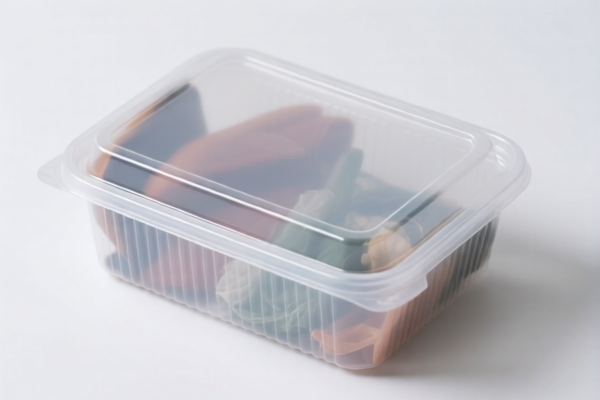
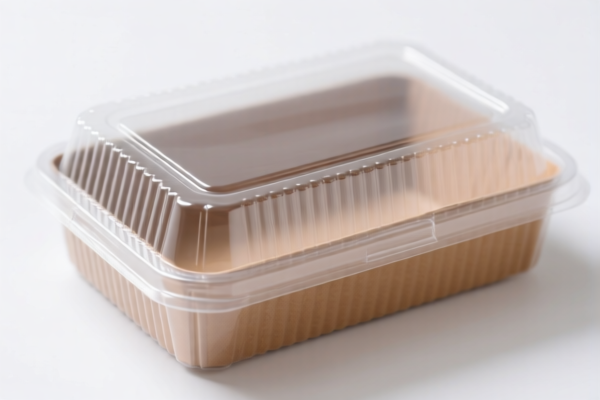
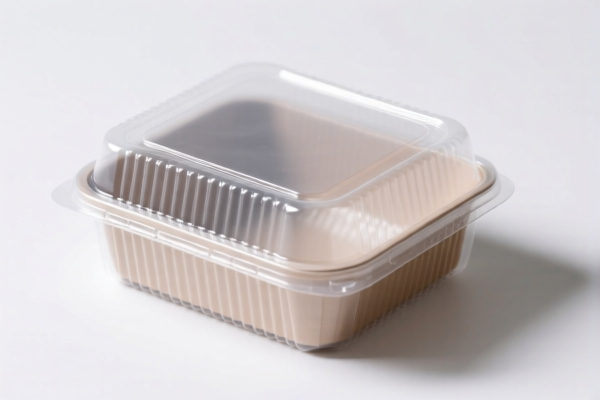
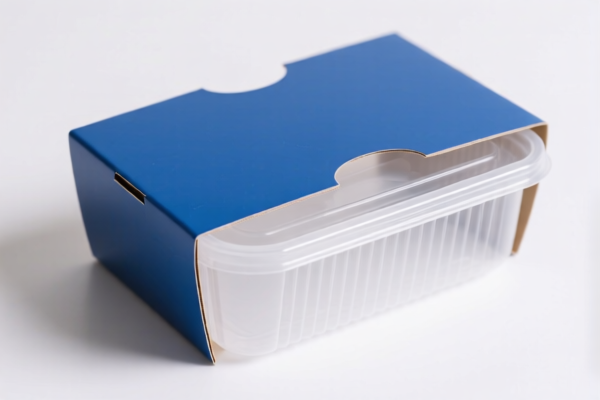
AI分析
📦 Plastic Food Packaging Box (Food Containers)
🌐 HS Code Reference & Customs Clearance Guide | 2026 Latest Tariff Analysis | Professional Entry Strategy
📌 I. Product Definition & Classification: Do You Really Understand "Plastic Food Packaging"?
Plastic food packaging boxes are essential components in the global food supply chain, ranging from takeaway containers to vacuum-sealed storage solutions. In international trade, their classification hinges on three critical factors:
1. Material Composition: Pure plastic vs. composite (e.g., plastic-lined cardboard).
2. Form Factor: Rigid boxes, trays, or flexible pouches.
3. End-Use: Direct food contact, storage, or secondary packaging.
⚠️ Key Classification Distinctions:
- Pure Plastic Containers (e.g., PET, PP, PS trays): Usually fall under Chapter 39 (Plastics).
- Paper-Based Containers with Plastic Coating: May fall under Chapter 48 (Paperboard).
- Metal Tins with Plastic Linings: Risk being classified as Chapter 73 (Iron/Steel) if the metal structure is dominant.
📊 II. HS Code Classification Details (2026 Latest Tariff Authority Match)
Based on the provided dataset, here are the 5 primary HS Code candidates for Plastic Food Packaging Boxes, along with their tax implications and classification logic.
| HS Code | Product Description | Classification Logic | Total Tax Rate |
|---|---|---|---|
3923.10.90.00 |
Plastic Packaging Articles | Pure plastic material; forms boxes/containers for food packaging. Fits the general category of plastic packaging goods. | 38.0% |
3923.10.20.00 |
Plastic Containers (Boxes/Cases) | Plastic material; rigid form (box/box-like); used for food storage. Clearly defined as plastic制品. | 35.0% |
7326.90.10.00 |
Other Articles of Iron/Steel | Inferred as Tinplate. If the box appears to be a metal tin (e.g., cookie tin) with a plastic liner, it may default to this "catch-all" for iron制品. | 85.0% |
4819.20.00.20 |
Paper/Cardboard Boxes | Inferred as Paper. If the box is primarily paper/cardboard with a thin plastic coating, it falls under non-corrugated paper boxes. | 35.0% |
4819.10.00.20 |
Food & Beverage Hygiene Containers | Inferred as Corrugated Paper. If the box is made of corrugated paperboard/cardboard and intended for food/beverage hygiene, it fits this category. | 35.0% |
🔍 Critical Warning:
- Plastic vs. Paper: Misclassifying a plastic-coated paper box as pure plastic (3923) can lead to audits. However, pure plastic boxes MUST go to Chapter 39.
- Metal Risk: If the box is a metal tin (even with plastic interior), declaring it as plastic (3923) is high-risk. It may be reclassified as7326.90.10.00with a 85% tax rate!
💰 III. 2026 Latest Tariff Rate Breakdown (Including Surtaxes & Policy Add-ons)
✅ Applicable Country: United States (US)
✅ Origin: China (CN)
✅ Effective Date: Post-2025 Policy Framework (Section 301 + IEEPA)
🎯 1. 3923.10.90.00 —— Plastic Packaging Articles
| Item | Detail |
|---|---|
| Base Tariff | 3.0% (Ad Valorem) |
| Section 301 Surtax | +25.0% (USITC Footnote 9903.88.01) |
| 122 Clause Tax | +10.0% (Specific trade restriction/add-on) |
| Total Tax Rate | 38.0% |
| De Minimis Exemption | ❌ Not Eligible (High tariff goods typically excluded from Section 321) |
| Legal Path | USITC:3923.10.90.00 → SECTION 301: 25% → 122 CLAUSE: 10% |
📌 Explanation:
- Base rate is low (3%), but the 25% Section 301 surtax is standard for Chinese plastics.
- The 10% 122 Clause is a specific additional levy, pushing the total to 38%.
- Cost Impact: On a $10,000 shipment, expect $3,800 in duties.
🎯 2. 3923.10.20.00 —— Plastic Containers (Boxes/Cases)
| Item | Detail |
|---|---|
| Base Tariff | 0.0% |
| Section 301 Surtax | +25.0% |
| 122 Clause Tax | +10.0% |
| Total Tax Rate | 35.0% |
| De Minimis Exemption | ❌ Not Eligible |
| Legal Path | USITC:3923.10.20.00 → SECTION 301: 25% → 122 CLAUSE: 10% |
📌 Optimization Tip:
- This code has a 0% base tariff, making it 3% cheaper than3923.10.90.00.
- If your product is a rigid container (box/box-like), prioritize this code if technically accurate.
🎯 3. 7326.90.10.00 —— Other Articles of Iron/Steel (Tinplate Risk)
| Item | Detail |
|---|---|
| Base Tariff | 0.0% |
| Section 301 Surtax | +25.0% |
| 122 Clause Tax | +10.0% |
| Steel/Aluminum/Copper Surcharge | +50.0% (Critical Add-on for Steel Products) |
| Total Tax Rate | 85.0% |
| De Minimis Exemption | ❌ Not Eligible |
| Legal Path | USITC:7326.90.10.00 → SECTION 301: 25% → 122 CLAUSE: 10% → STEEL SURCHARGE: 50% |
⚠️ DANGER ZONE:
- If the box is metal (tinplate), the 50% Steel Surcharge applies on top of the 35% standard surtaxes.
- Total 85% is catastrophic for margins.
- Avoid unless the product is explicitly metal. Do not misclassify plastic boxes as steel to "save" costs; customs will reject and audit.
🎯 4. 4819.20.00.20 —— Paper Boxes (Non-Corrugated)
| Item | Detail |
|---|---|
| Base Tariff | 0.0% |
| Section 301 Surtax | +25.0% |
| 122 Clause Tax | +10.0% |
| Total Tax Rate | 35.0% |
| De Minimis Exemption | ❌ Not Eligible |
| Legal Path | USITC:4819.20.00.20 → SECTION 301: 25% → 122 CLAUSE: 10% |
📌 Applicability:
- Only if the box is paper-based (e.g., fast-food packaging boxes with plastic lining).
- If declared as "Plastic" but is actually paper, you face compliance risks.
🎯 5. 4819.10.00.20 —— Corrugated Paper Food Containers
| Item | Detail |
|---|---|
| Base Tariff | 0.0% |
| Section 301 Surtax | +25.0% |
| 122 Clause Tax | +10.0% |
| Total Tax Rate | 35.0% |
| De Minimis Exemption | ❌ Not Eligible |
| Legal Path | USITC:4819.10.00.20 → SECTION 301: 25% → 122 CLAUSE: 10% |
📌 Applicability:
- For corrugated cardboard food containers (e.g., pizza boxes, takeout boxes).
- Tax rate is same as paper (35%), but classification must be accurate.
🛠️ IV. Customs Clearance Practical Advice (Battle-Tested Pitfall Guide)
✅ 1. Material Verification Checklist (Mandatory)
| Document | Required | Purpose |
|---|---|---|
| Material Safety Data Sheet (MSDS) | ✔️ | Confirms plastic type (PET, PP, PS) vs. composite materials. |
| Product Diagrams | ✔️ | Shows if the box is pure plastic or has metal/paper layers. |
| Photo of Label/Marking | ✔️ | Look for recycling symbols (#1 PET, #5 PP) or "Tinplate" marks. |
| Commercial Invoice | ✔️ | Must specify "Plastic Food Container" OR "Paper Food Box" clearly. |
| Food Contact Compliance | ✔️ | FDA LFGB or equivalent certification for food safety. |
✅ 2. Declaration Strategy (Key Mnemonics)
🔥 “Plastic is Chapter 39, Paper is 48, Steel is 73. Don’t Mix, Don’t Risk!”
| Scenario | Correct HS Code | Wrong Code | Consequence |
|---|---|---|---|
| Pure Plastic Tupperware-style Box | 3923.10.20.00 (35%) |
4819... (35%) |
Similar tax, but compliance risk. |
| Plastic Box with Metal Lid | 3923.10.20.00 (if plastic dominant) |
7326.90.10.00 (85%) |
Avoid 85% tax! Prove plastic dominance. |
| Paper Box with Plastic Window | 4819.20.00.20 (35%) |
3923... (38%) |
Save 3% and stay compliant. |
| Tinplate Food Can | 7326.90.10.00 (85%) |
3923... (38%) |
Huge Penalty Risk. Must pay 85%. |
✅ 3. Special Handling Tips
| Situation | Recommendation |
|---|---|
| Clear Plastic vs. White Plastic | Both fall under 3923. No tax difference, but ensure "Plastic" is specified. |
| Stackable Containers | Emphasize "Container" in description to support 3923.10.20.00. |
| Single-Use Takeout Boxes | If paper-based, use 4819 codes. If plastic, use 3923. |
| Mixed Containers (Plastic + Paper) | Determine dominant material. If >50% by value/weight, classify accordingly. |
🌍 V. Global Market Comparison (2026 Latest)
| Country/Region | Recommended HS Code | Tax Rate (China Origin) | Key Certification | Notes |
|---|---|---|---|---|
| 🇺🇸 USA | 3923.10.20.00 |
35% (Plastic) 85% (Steel) |
FDA, LFGB | High surtaxes apply. Avoid steel misclassification. |
| 🇨🇳 China | 3923.10.90.00 |
5-10% (Import) | GB Standards | No Section 301 taxes. |
| 🇪🇺 EU | 3923.10.20.00 |
6.5% | REACH, LFGB | No 25% surtax. Much cheaper entry. |
| 🇬🇧 UK | 3923.10.20.00 |
6.5% | UKCA, FSA | Post-Brexit rules apply. |
| 🇯🇵 Japan | 3923.10.20.00 |
6-10% | JFSL, Food Sanitation | Strict food contact laws. |
📌 Conclusion:
- USA is the most expensive market due to Section 301 (+25%) and 122 Clause (+10%).
- Steel classification (7326) is a tax trap (85%). Ensure accurate material declaration.
- Plastic (3923) is the standard for pure plastic food boxes.
📌 VI. Common Errors & Pitfalls (Lessons Learned)
❌ Error 1: Declaring a Tinplate Box as "Plastic Packaging" (3923)
👉 Result: Customs seizes cargo, charges 85% retroactively + fines.
✅ Fix: Always declare material. If metal, use 7326.
❌ Error 2: Using "Box" without specifying material in invoice
👉 Result: Customs assigns worst-case scenario or delays inspection.
✅ Fix: Use "Plastic Food Container" or "Paper Food Box".
❌ Error 3: Ignoring the 122 Clause
👉 Result: Under-declaration by 10%.
✅ Fix: Include 10% 122 Clause in all cost calculations for US imports from China.
❌ Error 4: Misclassifying Paper Boxes as Plastic
👉 Result: Compliance audit for FDA/Food Contact materials mismatch.
✅ Fix: Use 4819 for paper-based packaging.
🎯 VII. Conclusion: Precision in Classification Saves Money!
🎯 Remember the Golden Rules:
🔹 "Plastic is 39, Paper is 48, Steel is 73."
🔹 "Steel attracts 85%, Plastic attracts 35%, Paper attracts 35%."
🔹 "Always declare material. Never guess."
📌 Pro Tip:
- For US Imports, calculate duty based on 35% for plastic/paper and 85% for steel.
- If your box is plastic-lined paper, ensure the plastic layer is <50% by weight to stay in Chapter 48.
- Pre-clearance: Submit sample photos and material specs to your customs broker BEFORE shipping.
📣 Action Plan:
📞 Contact Broker: Provide clear product photos and material composition.
📝 Invoice Description: "Plastic Food Container, PP Material, FDA Compliant"
🚀 Goal: Smooth clearance, avoid 85% steel tax, minimize 35% plastic tax.
✨ Professional Customs Clearance Starts with Accurate HS Codes!
💼 Every Percentage Point of Tax Saves Matters to Your Bottom Line!
用户评价
关于 HS 编码归类
协调制度(HS)是由世界海关组织(WCO)制定的国际贸易商品分类标准。全球 200 多个国家采用 HS 系统作为海关关税、贸易统计和进出口监管的基础。
每个 HS 编码遵循以下层级结构:
- 章(2 位)——商品大类(例如:第 84 章:机器和机械设备)
- 品目(4 位)——章内的更具体分类
- 子目(6 位)——国际通用细分,所有 WCO 成员国统一使用
- 本国细分(8-10 位)——各国自行扩展的细分编码,如美国 HTSUS 10 位编码
正确的 HS 编码归类对于顺利通关、准确缴纳关税和遵守贸易法规至关重要。错误归类可能导致海关延误、多缴关税或罚款。
从CN进口到US时,适用的关税税率可能包括:
- 最惠国(MFN)税率——适用于 WTO 成员国的标准关税税率
- 普通税率——适用于无贸易协定国家
- 贸易救济关税——附加关税,如 301 条款(反倾销)、232 条款(国家安全)或反补贴税
本页内容仅供参考。如需正式归类,请咨询当地海关或持牌报关代理。