Plastic Food Packaging Box
CN → US| HS Code | Tariff Rate | Origin | Destination | Doc |
|---|---|---|---|---|
| 3923109000 | 38.0% | CN | US | Official Doc |
| 3923102000 | 35.0% | CN | US | Official Doc |
| 7326901000 | 85.0% | CN | US | Official Doc |
| 4819200020 | 35.0% | CN | US | Official Doc |
| 4819100020 | 35.0% | CN | US | Official Doc |
Product Images
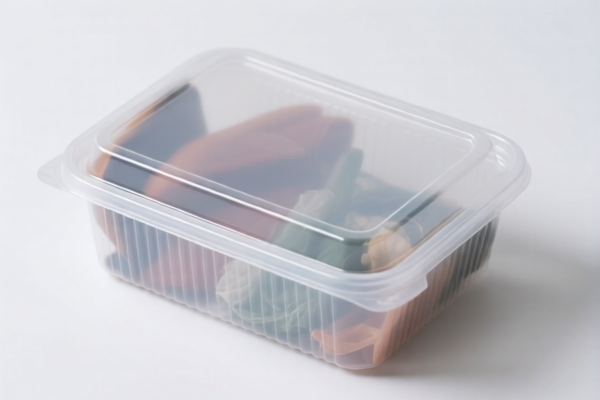
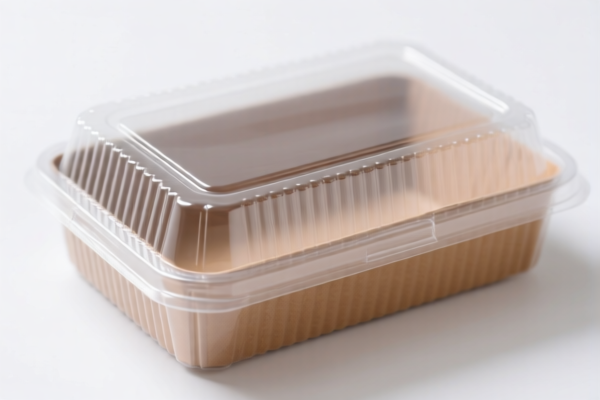
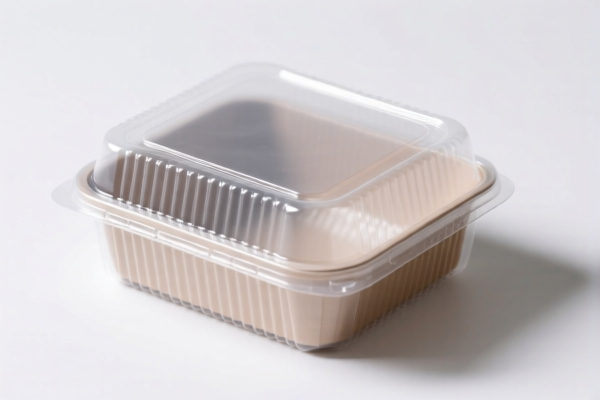
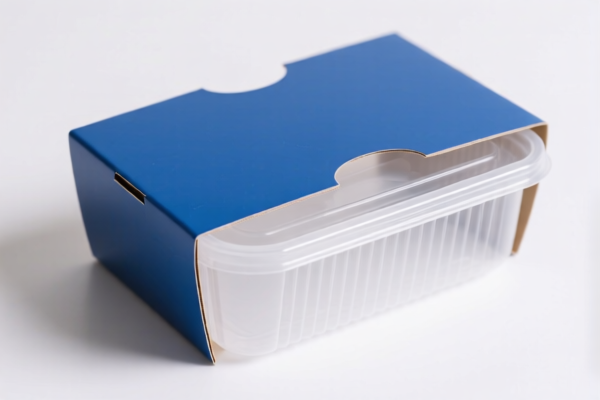
AI Analysis
📦 Plastic Food Packaging Box (Food Containers)
🌐 HS Code Reference & Customs Clearance Guide | 2026 Latest Tariff Analysis | Professional Entry Strategy
📌 I. Product Definition & Classification: Do You Really Understand "Plastic Food Packaging"?
Plastic food packaging boxes are essential components in the global food supply chain, ranging from takeaway containers to vacuum-sealed storage solutions. In international trade, their classification hinges on three critical factors:
1. Material Composition: Pure plastic vs. composite (e.g., plastic-lined cardboard).
2. Form Factor: Rigid boxes, trays, or flexible pouches.
3. End-Use: Direct food contact, storage, or secondary packaging.
⚠️ Key Classification Distinctions:
- Pure Plastic Containers (e.g., PET, PP, PS trays): Usually fall under Chapter 39 (Plastics).
- Paper-Based Containers with Plastic Coating: May fall under Chapter 48 (Paperboard).
- Metal Tins with Plastic Linings: Risk being classified as Chapter 73 (Iron/Steel) if the metal structure is dominant.
📊 II. HS Code Classification Details (2026 Latest Tariff Authority Match)
Based on the provided dataset, here are the 5 primary HS Code candidates for Plastic Food Packaging Boxes, along with their tax implications and classification logic.
| HS Code | Product Description | Classification Logic | Total Tax Rate |
|---|---|---|---|
3923.10.90.00 |
Plastic Packaging Articles | Pure plastic material; forms boxes/containers for food packaging. Fits the general category of plastic packaging goods. | 38.0% |
3923.10.20.00 |
Plastic Containers (Boxes/Cases) | Plastic material; rigid form (box/box-like); used for food storage. Clearly defined as plastic制品. | 35.0% |
7326.90.10.00 |
Other Articles of Iron/Steel | Inferred as Tinplate. If the box appears to be a metal tin (e.g., cookie tin) with a plastic liner, it may default to this "catch-all" for iron制品. | 85.0% |
4819.20.00.20 |
Paper/Cardboard Boxes | Inferred as Paper. If the box is primarily paper/cardboard with a thin plastic coating, it falls under non-corrugated paper boxes. | 35.0% |
4819.10.00.20 |
Food & Beverage Hygiene Containers | Inferred as Corrugated Paper. If the box is made of corrugated paperboard/cardboard and intended for food/beverage hygiene, it fits this category. | 35.0% |
🔍 Critical Warning:
- Plastic vs. Paper: Misclassifying a plastic-coated paper box as pure plastic (3923) can lead to audits. However, pure plastic boxes MUST go to Chapter 39.
- Metal Risk: If the box is a metal tin (even with plastic interior), declaring it as plastic (3923) is high-risk. It may be reclassified as7326.90.10.00with a 85% tax rate!
💰 III. 2026 Latest Tariff Rate Breakdown (Including Surtaxes & Policy Add-ons)
✅ Applicable Country: United States (US)
✅ Origin: China (CN)
✅ Effective Date: Post-2025 Policy Framework (Section 301 + IEEPA)
🎯 1. 3923.10.90.00 —— Plastic Packaging Articles
| Item | Detail |
|---|---|
| Base Tariff | 3.0% (Ad Valorem) |
| Section 301 Surtax | +25.0% (USITC Footnote 9903.88.01) |
| 122 Clause Tax | +10.0% (Specific trade restriction/add-on) |
| Total Tax Rate | 38.0% |
| De Minimis Exemption | ❌ Not Eligible (High tariff goods typically excluded from Section 321) |
| Legal Path | USITC:3923.10.90.00 → SECTION 301: 25% → 122 CLAUSE: 10% |
📌 Explanation:
- Base rate is low (3%), but the 25% Section 301 surtax is standard for Chinese plastics.
- The 10% 122 Clause is a specific additional levy, pushing the total to 38%.
- Cost Impact: On a $10,000 shipment, expect $3,800 in duties.
🎯 2. 3923.10.20.00 —— Plastic Containers (Boxes/Cases)
| Item | Detail |
|---|---|
| Base Tariff | 0.0% |
| Section 301 Surtax | +25.0% |
| 122 Clause Tax | +10.0% |
| Total Tax Rate | 35.0% |
| De Minimis Exemption | ❌ Not Eligible |
| Legal Path | USITC:3923.10.20.00 → SECTION 301: 25% → 122 CLAUSE: 10% |
📌 Optimization Tip:
- This code has a 0% base tariff, making it 3% cheaper than3923.10.90.00.
- If your product is a rigid container (box/box-like), prioritize this code if technically accurate.
🎯 3. 7326.90.10.00 —— Other Articles of Iron/Steel (Tinplate Risk)
| Item | Detail |
|---|---|
| Base Tariff | 0.0% |
| Section 301 Surtax | +25.0% |
| 122 Clause Tax | +10.0% |
| Steel/Aluminum/Copper Surcharge | +50.0% (Critical Add-on for Steel Products) |
| Total Tax Rate | 85.0% |
| De Minimis Exemption | ❌ Not Eligible |
| Legal Path | USITC:7326.90.10.00 → SECTION 301: 25% → 122 CLAUSE: 10% → STEEL SURCHARGE: 50% |
⚠️ DANGER ZONE:
- If the box is metal (tinplate), the 50% Steel Surcharge applies on top of the 35% standard surtaxes.
- Total 85% is catastrophic for margins.
- Avoid unless the product is explicitly metal. Do not misclassify plastic boxes as steel to "save" costs; customs will reject and audit.
🎯 4. 4819.20.00.20 —— Paper Boxes (Non-Corrugated)
| Item | Detail |
|---|---|
| Base Tariff | 0.0% |
| Section 301 Surtax | +25.0% |
| 122 Clause Tax | +10.0% |
| Total Tax Rate | 35.0% |
| De Minimis Exemption | ❌ Not Eligible |
| Legal Path | USITC:4819.20.00.20 → SECTION 301: 25% → 122 CLAUSE: 10% |
📌 Applicability:
- Only if the box is paper-based (e.g., fast-food packaging boxes with plastic lining).
- If declared as "Plastic" but is actually paper, you face compliance risks.
🎯 5. 4819.10.00.20 —— Corrugated Paper Food Containers
| Item | Detail |
|---|---|
| Base Tariff | 0.0% |
| Section 301 Surtax | +25.0% |
| 122 Clause Tax | +10.0% |
| Total Tax Rate | 35.0% |
| De Minimis Exemption | ❌ Not Eligible |
| Legal Path | USITC:4819.10.00.20 → SECTION 301: 25% → 122 CLAUSE: 10% |
📌 Applicability:
- For corrugated cardboard food containers (e.g., pizza boxes, takeout boxes).
- Tax rate is same as paper (35%), but classification must be accurate.
🛠️ IV. Customs Clearance Practical Advice (Battle-Tested Pitfall Guide)
✅ 1. Material Verification Checklist (Mandatory)
| Document | Required | Purpose |
|---|---|---|
| Material Safety Data Sheet (MSDS) | ✔️ | Confirms plastic type (PET, PP, PS) vs. composite materials. |
| Product Diagrams | ✔️ | Shows if the box is pure plastic or has metal/paper layers. |
| Photo of Label/Marking | ✔️ | Look for recycling symbols (#1 PET, #5 PP) or "Tinplate" marks. |
| Commercial Invoice | ✔️ | Must specify "Plastic Food Container" OR "Paper Food Box" clearly. |
| Food Contact Compliance | ✔️ | FDA LFGB or equivalent certification for food safety. |
✅ 2. Declaration Strategy (Key Mnemonics)
🔥 “Plastic is Chapter 39, Paper is 48, Steel is 73. Don’t Mix, Don’t Risk!”
| Scenario | Correct HS Code | Wrong Code | Consequence |
|---|---|---|---|
| Pure Plastic Tupperware-style Box | 3923.10.20.00 (35%) |
4819... (35%) |
Similar tax, but compliance risk. |
| Plastic Box with Metal Lid | 3923.10.20.00 (if plastic dominant) |
7326.90.10.00 (85%) |
Avoid 85% tax! Prove plastic dominance. |
| Paper Box with Plastic Window | 4819.20.00.20 (35%) |
3923... (38%) |
Save 3% and stay compliant. |
| Tinplate Food Can | 7326.90.10.00 (85%) |
3923... (38%) |
Huge Penalty Risk. Must pay 85%. |
✅ 3. Special Handling Tips
| Situation | Recommendation |
|---|---|
| Clear Plastic vs. White Plastic | Both fall under 3923. No tax difference, but ensure "Plastic" is specified. |
| Stackable Containers | Emphasize "Container" in description to support 3923.10.20.00. |
| Single-Use Takeout Boxes | If paper-based, use 4819 codes. If plastic, use 3923. |
| Mixed Containers (Plastic + Paper) | Determine dominant material. If >50% by value/weight, classify accordingly. |
🌍 V. Global Market Comparison (2026 Latest)
| Country/Region | Recommended HS Code | Tax Rate (China Origin) | Key Certification | Notes |
|---|---|---|---|---|
| 🇺🇸 USA | 3923.10.20.00 |
35% (Plastic) 85% (Steel) |
FDA, LFGB | High surtaxes apply. Avoid steel misclassification. |
| 🇨🇳 China | 3923.10.90.00 |
5-10% (Import) | GB Standards | No Section 301 taxes. |
| 🇪🇺 EU | 3923.10.20.00 |
6.5% | REACH, LFGB | No 25% surtax. Much cheaper entry. |
| 🇬🇧 UK | 3923.10.20.00 |
6.5% | UKCA, FSA | Post-Brexit rules apply. |
| 🇯🇵 Japan | 3923.10.20.00 |
6-10% | JFSL, Food Sanitation | Strict food contact laws. |
📌 Conclusion:
- USA is the most expensive market due to Section 301 (+25%) and 122 Clause (+10%).
- Steel classification (7326) is a tax trap (85%). Ensure accurate material declaration.
- Plastic (3923) is the standard for pure plastic food boxes.
📌 VI. Common Errors & Pitfalls (Lessons Learned)
❌ Error 1: Declaring a Tinplate Box as "Plastic Packaging" (3923)
👉 Result: Customs seizes cargo, charges 85% retroactively + fines.
✅ Fix: Always declare material. If metal, use 7326.
❌ Error 2: Using "Box" without specifying material in invoice
👉 Result: Customs assigns worst-case scenario or delays inspection.
✅ Fix: Use "Plastic Food Container" or "Paper Food Box".
❌ Error 3: Ignoring the 122 Clause
👉 Result: Under-declaration by 10%.
✅ Fix: Include 10% 122 Clause in all cost calculations for US imports from China.
❌ Error 4: Misclassifying Paper Boxes as Plastic
👉 Result: Compliance audit for FDA/Food Contact materials mismatch.
✅ Fix: Use 4819 for paper-based packaging.
🎯 VII. Conclusion: Precision in Classification Saves Money!
🎯 Remember the Golden Rules:
🔹 "Plastic is 39, Paper is 48, Steel is 73."
🔹 "Steel attracts 85%, Plastic attracts 35%, Paper attracts 35%."
🔹 "Always declare material. Never guess."
📌 Pro Tip:
- For US Imports, calculate duty based on 35% for plastic/paper and 85% for steel.
- If your box is plastic-lined paper, ensure the plastic layer is <50% by weight to stay in Chapter 48.
- Pre-clearance: Submit sample photos and material specs to your customs broker BEFORE shipping.
📣 Action Plan:
📞 Contact Broker: Provide clear product photos and material composition.
📝 Invoice Description: "Plastic Food Container, PP Material, FDA Compliant"
🚀 Goal: Smooth clearance, avoid 85% steel tax, minimize 35% plastic tax.
✨ Professional Customs Clearance Starts with Accurate HS Codes!
💼 Every Percentage Point of Tax Saves Matters to Your Bottom Line!
Customer Reviews
About HS Code Classification
The Harmonized System (HS) is an internationally standardized nomenclature developed by the World Customs Organization (WCO) to classify traded products. Over 200 countries use the HS system as the basis for customs tariffs, trade statistics, and import/export regulations.
Each HS code follows a hierarchical structure:
- Chapter (2 digits) — Broad category of goods (e.g., Chapter 84: Machinery and Mechanical Appliances)
- Heading (4 digits) — More specific grouping within the chapter
- Subheading (6 digits) — Internationally standardized breakdown, used by all WCO member countries
- National subdivisions (8-10 digits) — Country-specific extensions for further classification, such as US HTSUS 10-digit codes
Correct HS code classification is essential for smooth customs clearance, accurate duty payment, and compliance with trade regulations. Misclassification can lead to customs delays, overpayment of duties, or penalties.
When importing from CN to US, the applicable tariff rates may include:
- Most-Favored-Nation (MFN) rate — The standard duty rate applied to WTO members
- General rate — Applied to countries without trade agreements
- Trade remedy duties — Additional tariffs such as Section 301 (anti-dumping), Section 232 (national security), or countervailing duties
The information provided on this page is for reference purposes only. For official classification, please consult with your local customs authority or a licensed customs broker.