Plastic Handbag
CN → US| HS编码 | 关税税率 | 原产国 | 目的国 | 文档 |
|---|---|---|---|---|
| 3923210030 | 38.0% | CN | US | 官方文档 |
| 4202929700 | 52.6% | CN | US | 官方文档 |
| 4202221500 | 51.0% | CN | US | 官方文档 |
| 4202999000 | 55.0% | CN | US | 官方文档 |
| 4819400040 | 35.0% | CN | US | 官方文档 |
商品图片
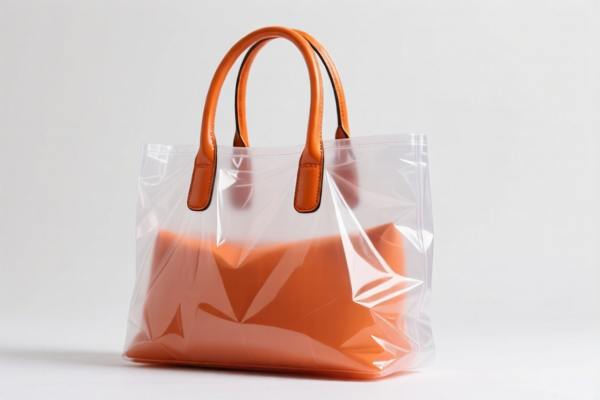
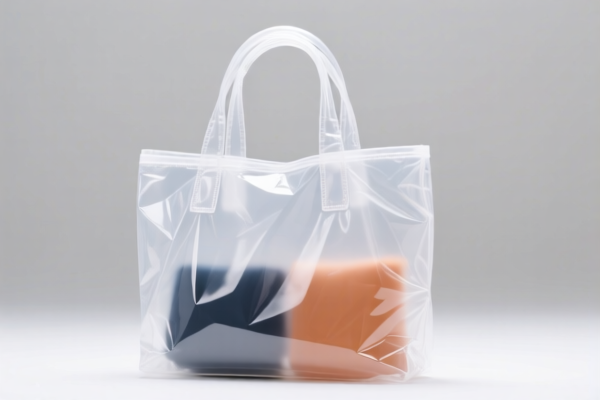
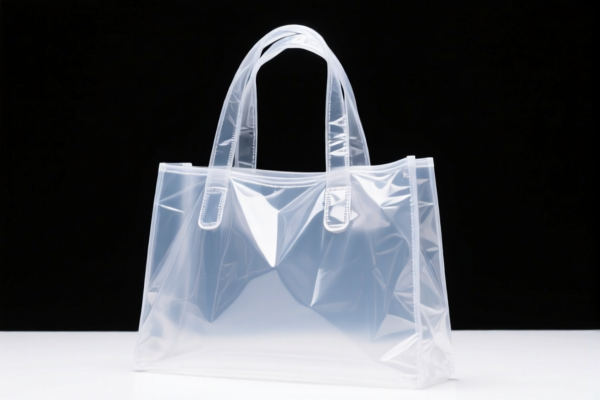
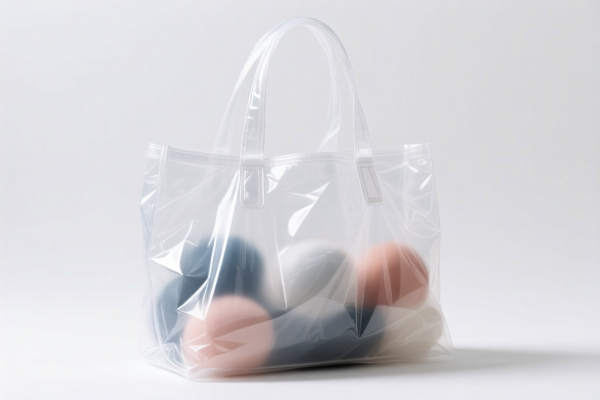
AI分析
🛍️ Plastic Handbags (Plastic Bags/Pouches)
🌐 HS Code Reference & Customs Clearance Guide | 2026 Latest Tariff Analysis | Professional Clearance Strategy
📌 I. Product Definition: What Exactly is a "Plastic Handbag"?
In international trade, the term "Plastic Handbag" is ambiguous. It can refer to: 1. Disposable Plastic Bags: Thin polymer bags (e.g., shopping bags, ziplock bags) without rigid handles. 2. Structured Plastic Containers: Bags with defined shape, possibly including stiffened bottoms or integrated handles, falling under article 42.
The classification depends heavily on Material Composition, Form (Shape), and End-Use. Misclassification leads to massive duty discrepancies.
📦 II. HS Code Classification Matrix (Based on Provided Data)
Below are the 5 possible classifications for "Plastic Handbags" derived from the input data. Each carries a significantly different tax burden.
| HS Code | Summary of Classification Logic | Total Tax Rate | Tax Composition Details |
|---|---|---|---|
3923.21.00.30 |
Plastic Bags/Pouches: Material is plastic/vinyl polymer; Form is bag/pouch. Classified under residual provisions for other articles. | 38.0% | Base Duty: 3.0% Add'l Duty (Section 301): 25.0% Section 122 Duty: 10% |
4202.92.97.00 |
Articles of Apparel/Accessories: Material is plastic; Form is bag. Fits description of shopping bags, bottle carriers, and similar containers. | 52.6% | Base Duty: 17.6% Add'l Duty (Section 301): 25.0% Section 122 Duty: 10% |
4202.22.15.00 |
Handbags with Outer Surface of Plastic Sheet: Material is plastic sheet; Form is bag. Fits attributes of handbags/containers. | 51.0% | Base Duty: 16.0% Add'l Duty (Section 301): 25.0% Section 122 Duty: 10% |
4202.99.90.00 |
Other Made-Up Articles: Material fits plastic/film requirements; Use belongs to handbag containers. Consistent with other bags/cases. | 55.0% | Base Duty: 20.0% Add'l Duty (Section 301): 25.0% Section 122 Duty: 10% |
4819.40.00.40 |
Paper/Cardboard Bags (Misclassified/Mixed): Form is handbag; Material inferred as paper/plastic composite. Fits category of bags and cases. | 35.0% | Base Duty: 0.0% Add'l Duty (Section 301): 25.0% Section 122 Duty: 10% |
⚠️ Key Insight:
- Cheapest Option:3923.21.00.30(38%) or4819.40.00.40(35% - if truly paper-based).
- Most Expensive:4202.99.90.00(55%).
- The "Plastic Sheet" Trap: If the bag looks like a structured handbag (4202series), you face ~51-55% duty. If it’s a simple flexible pouch (3923), you pay 38%.
💰 III. Detailed Tariff Breakdown (US Market Focus)
✅ Applicable Country: USA
✅ Origin: Likely China (given Section 122 and high add'l duties)
✅ Effective Date: Current/2026 Framework
🎯 1. The "Disposable/Thin Plastic" Route: 3923.21.00.30
Best for: Simple ziplock bags, thin shopping bags, non-structured pouches.
| Item | Detail |
|---|---|
| Base Duty | 3.0% |
| Section 301 Add'l Duty | 25.0% |
| Section 122 Duty | 10.0% |
| Total Effective Rate | 38.0% |
| Calculation | CIF Value × 38% |
| De Minimis Exemption | ❌ Not Eligible (Deny de minimis for Section 301/122 goods) |
| Legal Path | USITC:3923.21.00.30 → FOOTNOTE:301.99.03 → EO:12249/12249b |
📌 Explanation:
- This code falls under Chapter 39 (Plastics).
- The 25% Section 301 duty applies to most Chinese plastics.
- The 10% Section 122 duty is an additional tariff often applied to specific imports from targeted regions.
- Total 38% is the baseline for simple plastic bags.
🎯 2. The "Structured Handbag" Route: 4202.22.15.00 / 4202.92.97.00
Best for: Bags with stiffeners, fabric handles, or structured shapes intended for fashion/reuse.
| Item | Detail |
|---|---|
| Base Duty | 16.0% – 17.6% |
| Section 301 Add'l Duty | 25.0% |
| Section 122 Duty | 10.0% |
| Total Effective Rate | 51.0% – 52.6% |
| Calculation | CIF Value × ~52% |
| De Minimis Exemption | ❌ Not Eligible |
📌 Explanation:
- Chapter 42 covers articles of leather/plastics, but these are treated as "Articles of Apparel" or "Travel Goods."
- Higher base duties (16-17.6%) reflect the "fashion" or "durable goods" classification.
- Risk: If US Customs determines your "plastic handbag" is actually a fashion accessory (e.g., a stiff PVC tote), you will be reclassified here, adding ~14-15% more tax than the simple bag classification.
🎯 3. The "Paper/Composite" Wildcard: 4819.40.00.40
Best for: Bags that are primarily paper but have plastic lining, or vice-versa.
| Item | Detail |
|---|---|
| Base Duty | 0.0% |
| Section 301 Add'l Duty | 25.0% |
| Section 122 Duty | 10.0% |
| Total Effective Rate | 35.0% |
| Calculation | CIF Value × 35% |
| De Minimis Exemption | ❌ Not Eligible |
📌 Explanation:
- If the bag is predominantly paper (even with plastic coating), it falls under Chapter 48.
- Base duty is 0%, making this the cheapest option (35%).
- Warning: You must prove the "essential character" is paper. If it’s mostly plastic, Customs will reject this code.
🛠️ IV. Customs Clearance Strategy (Practical Tips)
✅ 1. Documentation Checklist (Critical for Clearance)
| Document | Required? | Purpose |
|---|---|---|
| Product Photos | ✅ Yes | To prove if it’s a "thin bag" (3923) or "structured handbag" (4202). |
| Material Composition Statement | ✅ Yes | Specify % of Plastic vs. Paper vs. Fabric. Essential for 4819 vs 3923. |
| Commercial Invoice | ✅ Yes | Must clearly state "Plastic Bags" or "Handbags" consistently with HS Code. |
| Packing List | ✅ Yes | Show weight/volume to support "disposable" vs "durable" claim. |
| FCC/CPSC Certs | ❓ If applicable | If bags contain electronic components (e.g., LED bags), FCC is needed. |
✅ 2. Classification Strategy: How to Minimize Duty
| Scenario | Recommended HS Code | Why? |
|---|---|---|
| Thin, Flexible Bags (Ziplock, Grocery, Trash) | 3923.21.00.30 |
Lowest base duty (3%). Avoids Chapter 42 "Fashion" taxes. |
| Structured PVC Tote with Handles | 4202.22.15.00 |
Must declare as fashion/accessory. Higher base duty but defensible if structured. |
| Paper Bag with Plastic Lining | 4819.40.00.40 |
Best Tax Savings (35% total). Proving "paper essential character" is key. |
| Mixed Material Bag (Plastic + Fabric) | 4202.92.97.00 |
Complex classification. Prepare for dispute. |
🔥 Golden Rule:
"If it bends easily and has no stiff structure, fight for3923. If it stands up like a purse, accept4202."
✅ 3. Red Flags & Avoidance
| Risk | Consequence | Prevention |
|---|---|---|
Under-declaring as Paper (4819) when it’s Plastic |
Customs reclassification + Penalties | Ensure paper content >50% by weight. |
Under-declaring as 3923 when it’s Structured |
Duty increase from 38% to 55% | Provide photos showing structure/handles. |
| Missing Section 122 Compliance | Seizure or Delay | Ensure origin declaration matches Section 122 rules. |
| De Minimis Abuse | Package Held at Border | Remember: Section 301/122 goods DO NOT qualify for $800 de minimis exemption. |
🌍 V. Global Market Comparison (2026)
| Market | Typical HS Code | Est. Total Duty | Notes |
|---|---|---|---|
| 🇺🇸 USA | 3923.21.00.30 or 4202.22.15.00 |
38% - 55% | High Section 301 (25%) + Section 122 (10%). |
| 🇨🇳 China | 3923.21.00.00 |
~5-10% | Lower base duty. No Section 122. |
| 🇪🇺 EU | 3923.21.00.00 |
6.5% + VAT | No Section 301. Lower base duty. |
| 🇬🇧 UK | 3923.21.00.00 |
6.5% + VAT | Post-Brexit alignment with EU mostly. |
📌 Conclusion:
- USA is the most expensive market for plastic bags due to geopolitical tariffs.
- EU/UK are significantly cheaper for plastic imports.
- Strategy: If selling to the US, consider duty minimization by:
1. Proving paper-based composition (4819).
2. Ensuring proper classification as3923(not4202) for simple bags.
📌 VI. Common Mistakes & Pitfalls (Lessons Learned)
❌ Mistake 1: Using "Plastic Handbag" generically without specifying structure.
👉 Result: Customs may choose the highest duty code (4202.99.90.00 @ 55%).
✅ Fix: Specify "Flexible Plastic Bag" or "Structured PVC Handbag" in description.
❌ Mistake 2: Assuming De Minimis applies.
👉 Result: Package seized because Section 301/122 goods are excluded from the $800 exemption.
✅ Fix: File formal entry for all shipments from China.
❌ Mistake 3: Mislabeling Plastic Bags as "Textiles" to avoid plastic duties.
👉 Result: Audit failure + Back Taxes + Penalties.
✅ Fix: Accurate material declaration.
🎯 VII. Final Recommendation: Action Plan
- Audit Your Product: Is it flexible (
3923) or structured (4202)? Is it paper-based (4819)? - Choose the Lowest Valid Code:
- If Paper: Go for
4819.40.00.40(35%). - If Plastic & Flexible: Go for
3923.21.00.30(38%). - If Plastic & Structured: Expect
4202.22.15.00(51%). - Prepare Evidence: Photos, Material Specs, and Composition Statements.
- File Correctly: Do NOT use de minimis for US-bound plastic/paper goods from China.
🚀 Pro Tip:
"Structure dictates duty. Paper beats plastic. Flexibility saves money!"
📌 Disclaimer:
This guide is for informational purposes only. Tariff rates and regulations change frequently. Always consult a licensed customs broker for final classification.
✨ Clearance starts with precision.
💼 Your profit margin depends on your HS Code.
用户评价
关于 HS 编码归类
协调制度(HS)是由世界海关组织(WCO)制定的国际贸易商品分类标准。全球 200 多个国家采用 HS 系统作为海关关税、贸易统计和进出口监管的基础。
每个 HS 编码遵循以下层级结构:
- 章(2 位)——商品大类(例如:第 84 章:机器和机械设备)
- 品目(4 位)——章内的更具体分类
- 子目(6 位)——国际通用细分,所有 WCO 成员国统一使用
- 本国细分(8-10 位)——各国自行扩展的细分编码,如美国 HTSUS 10 位编码
正确的 HS 编码归类对于顺利通关、准确缴纳关税和遵守贸易法规至关重要。错误归类可能导致海关延误、多缴关税或罚款。
从CN进口到US时,适用的关税税率可能包括:
- 最惠国(MFN)税率——适用于 WTO 成员国的标准关税税率
- 普通税率——适用于无贸易协定国家
- 贸易救济关税——附加关税,如 301 条款(反倾销)、232 条款(国家安全)或反补贴税
本页内容仅供参考。如需正式归类,请咨询当地海关或持牌报关代理。