Plastic Handbag
CN → US| HS Code | Tariff Rate | Origin | Destination | Doc |
|---|---|---|---|---|
| 3923210030 | 38.0% | CN | US | Official Doc |
| 4202929700 | 52.6% | CN | US | Official Doc |
| 4202221500 | 51.0% | CN | US | Official Doc |
| 4202999000 | 55.0% | CN | US | Official Doc |
| 4819400040 | 35.0% | CN | US | Official Doc |
Product Images
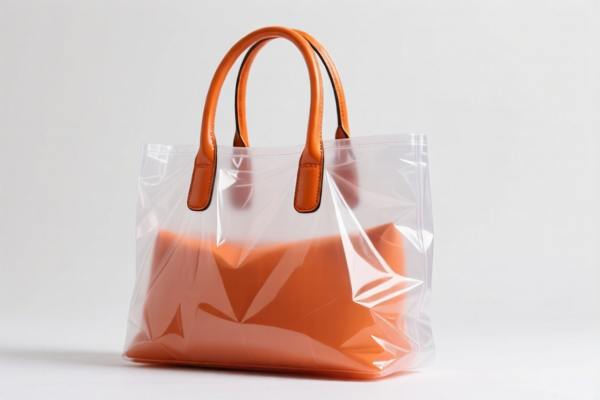
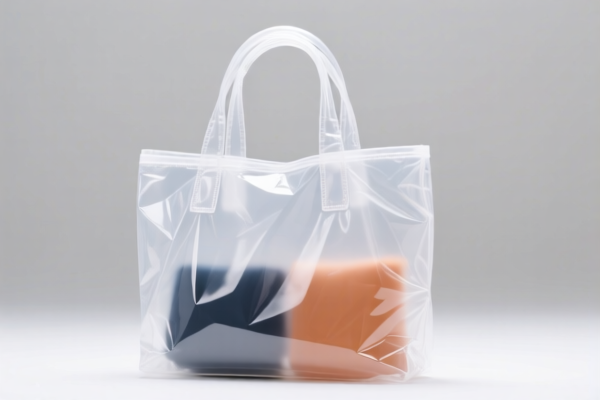
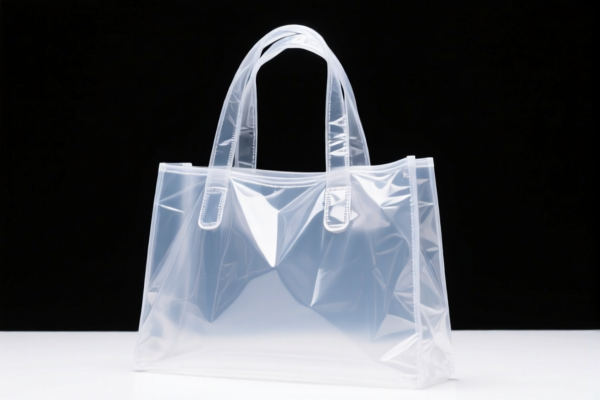

AI Analysis
🛍️ Plastic Handbags (Plastic Bags/Pouches)
🌐 HS Code Reference & Customs Clearance Guide | 2026 Latest Tariff Analysis | Professional Clearance Strategy
📌 I. Product Definition: What Exactly is a "Plastic Handbag"?
In international trade, the term "Plastic Handbag" is ambiguous. It can refer to: 1. Disposable Plastic Bags: Thin polymer bags (e.g., shopping bags, ziplock bags) without rigid handles. 2. Structured Plastic Containers: Bags with defined shape, possibly including stiffened bottoms or integrated handles, falling under article 42.
The classification depends heavily on Material Composition, Form (Shape), and End-Use. Misclassification leads to massive duty discrepancies.
📦 II. HS Code Classification Matrix (Based on Provided Data)
Below are the 5 possible classifications for "Plastic Handbags" derived from the input data. Each carries a significantly different tax burden.
| HS Code | Summary of Classification Logic | Total Tax Rate | Tax Composition Details |
|---|---|---|---|
3923.21.00.30 |
Plastic Bags/Pouches: Material is plastic/vinyl polymer; Form is bag/pouch. Classified under residual provisions for other articles. | 38.0% | Base Duty: 3.0% Add'l Duty (Section 301): 25.0% Section 122 Duty: 10% |
4202.92.97.00 |
Articles of Apparel/Accessories: Material is plastic; Form is bag. Fits description of shopping bags, bottle carriers, and similar containers. | 52.6% | Base Duty: 17.6% Add'l Duty (Section 301): 25.0% Section 122 Duty: 10% |
4202.22.15.00 |
Handbags with Outer Surface of Plastic Sheet: Material is plastic sheet; Form is bag. Fits attributes of handbags/containers. | 51.0% | Base Duty: 16.0% Add'l Duty (Section 301): 25.0% Section 122 Duty: 10% |
4202.99.90.00 |
Other Made-Up Articles: Material fits plastic/film requirements; Use belongs to handbag containers. Consistent with other bags/cases. | 55.0% | Base Duty: 20.0% Add'l Duty (Section 301): 25.0% Section 122 Duty: 10% |
4819.40.00.40 |
Paper/Cardboard Bags (Misclassified/Mixed): Form is handbag; Material inferred as paper/plastic composite. Fits category of bags and cases. | 35.0% | Base Duty: 0.0% Add'l Duty (Section 301): 25.0% Section 122 Duty: 10% |
⚠️ Key Insight:
- Cheapest Option:3923.21.00.30(38%) or4819.40.00.40(35% - if truly paper-based).
- Most Expensive:4202.99.90.00(55%).
- The "Plastic Sheet" Trap: If the bag looks like a structured handbag (4202series), you face ~51-55% duty. If it’s a simple flexible pouch (3923), you pay 38%.
💰 III. Detailed Tariff Breakdown (US Market Focus)
✅ Applicable Country: USA
✅ Origin: Likely China (given Section 122 and high add'l duties)
✅ Effective Date: Current/2026 Framework
🎯 1. The "Disposable/Thin Plastic" Route: 3923.21.00.30
Best for: Simple ziplock bags, thin shopping bags, non-structured pouches.
| Item | Detail |
|---|---|
| Base Duty | 3.0% |
| Section 301 Add'l Duty | 25.0% |
| Section 122 Duty | 10.0% |
| Total Effective Rate | 38.0% |
| Calculation | CIF Value × 38% |
| De Minimis Exemption | ❌ Not Eligible (Deny de minimis for Section 301/122 goods) |
| Legal Path | USITC:3923.21.00.30 → FOOTNOTE:301.99.03 → EO:12249/12249b |
📌 Explanation:
- This code falls under Chapter 39 (Plastics).
- The 25% Section 301 duty applies to most Chinese plastics.
- The 10% Section 122 duty is an additional tariff often applied to specific imports from targeted regions.
- Total 38% is the baseline for simple plastic bags.
🎯 2. The "Structured Handbag" Route: 4202.22.15.00 / 4202.92.97.00
Best for: Bags with stiffeners, fabric handles, or structured shapes intended for fashion/reuse.
| Item | Detail |
|---|---|
| Base Duty | 16.0% – 17.6% |
| Section 301 Add'l Duty | 25.0% |
| Section 122 Duty | 10.0% |
| Total Effective Rate | 51.0% – 52.6% |
| Calculation | CIF Value × ~52% |
| De Minimis Exemption | ❌ Not Eligible |
📌 Explanation:
- Chapter 42 covers articles of leather/plastics, but these are treated as "Articles of Apparel" or "Travel Goods."
- Higher base duties (16-17.6%) reflect the "fashion" or "durable goods" classification.
- Risk: If US Customs determines your "plastic handbag" is actually a fashion accessory (e.g., a stiff PVC tote), you will be reclassified here, adding ~14-15% more tax than the simple bag classification.
🎯 3. The "Paper/Composite" Wildcard: 4819.40.00.40
Best for: Bags that are primarily paper but have plastic lining, or vice-versa.
| Item | Detail |
|---|---|
| Base Duty | 0.0% |
| Section 301 Add'l Duty | 25.0% |
| Section 122 Duty | 10.0% |
| Total Effective Rate | 35.0% |
| Calculation | CIF Value × 35% |
| De Minimis Exemption | ❌ Not Eligible |
📌 Explanation:
- If the bag is predominantly paper (even with plastic coating), it falls under Chapter 48.
- Base duty is 0%, making this the cheapest option (35%).
- Warning: You must prove the "essential character" is paper. If it’s mostly plastic, Customs will reject this code.
🛠️ IV. Customs Clearance Strategy (Practical Tips)
✅ 1. Documentation Checklist (Critical for Clearance)
| Document | Required? | Purpose |
|---|---|---|
| Product Photos | ✅ Yes | To prove if it’s a "thin bag" (3923) or "structured handbag" (4202). |
| Material Composition Statement | ✅ Yes | Specify % of Plastic vs. Paper vs. Fabric. Essential for 4819 vs 3923. |
| Commercial Invoice | ✅ Yes | Must clearly state "Plastic Bags" or "Handbags" consistently with HS Code. |
| Packing List | ✅ Yes | Show weight/volume to support "disposable" vs "durable" claim. |
| FCC/CPSC Certs | ❓ If applicable | If bags contain electronic components (e.g., LED bags), FCC is needed. |
✅ 2. Classification Strategy: How to Minimize Duty
| Scenario | Recommended HS Code | Why? |
|---|---|---|
| Thin, Flexible Bags (Ziplock, Grocery, Trash) | 3923.21.00.30 |
Lowest base duty (3%). Avoids Chapter 42 "Fashion" taxes. |
| Structured PVC Tote with Handles | 4202.22.15.00 |
Must declare as fashion/accessory. Higher base duty but defensible if structured. |
| Paper Bag with Plastic Lining | 4819.40.00.40 |
Best Tax Savings (35% total). Proving "paper essential character" is key. |
| Mixed Material Bag (Plastic + Fabric) | 4202.92.97.00 |
Complex classification. Prepare for dispute. |
🔥 Golden Rule:
"If it bends easily and has no stiff structure, fight for3923. If it stands up like a purse, accept4202."
✅ 3. Red Flags & Avoidance
| Risk | Consequence | Prevention |
|---|---|---|
Under-declaring as Paper (4819) when it’s Plastic |
Customs reclassification + Penalties | Ensure paper content >50% by weight. |
Under-declaring as 3923 when it’s Structured |
Duty increase from 38% to 55% | Provide photos showing structure/handles. |
| Missing Section 122 Compliance | Seizure or Delay | Ensure origin declaration matches Section 122 rules. |
| De Minimis Abuse | Package Held at Border | Remember: Section 301/122 goods DO NOT qualify for $800 de minimis exemption. |
🌍 V. Global Market Comparison (2026)
| Market | Typical HS Code | Est. Total Duty | Notes |
|---|---|---|---|
| 🇺🇸 USA | 3923.21.00.30 or 4202.22.15.00 |
38% - 55% | High Section 301 (25%) + Section 122 (10%). |
| 🇨🇳 China | 3923.21.00.00 |
~5-10% | Lower base duty. No Section 122. |
| 🇪🇺 EU | 3923.21.00.00 |
6.5% + VAT | No Section 301. Lower base duty. |
| 🇬🇧 UK | 3923.21.00.00 |
6.5% + VAT | Post-Brexit alignment with EU mostly. |
📌 Conclusion:
- USA is the most expensive market for plastic bags due to geopolitical tariffs.
- EU/UK are significantly cheaper for plastic imports.
- Strategy: If selling to the US, consider duty minimization by:
1. Proving paper-based composition (4819).
2. Ensuring proper classification as3923(not4202) for simple bags.
📌 VI. Common Mistakes & Pitfalls (Lessons Learned)
❌ Mistake 1: Using "Plastic Handbag" generically without specifying structure.
👉 Result: Customs may choose the highest duty code (4202.99.90.00 @ 55%).
✅ Fix: Specify "Flexible Plastic Bag" or "Structured PVC Handbag" in description.
❌ Mistake 2: Assuming De Minimis applies.
👉 Result: Package seized because Section 301/122 goods are excluded from the $800 exemption.
✅ Fix: File formal entry for all shipments from China.
❌ Mistake 3: Mislabeling Plastic Bags as "Textiles" to avoid plastic duties.
👉 Result: Audit failure + Back Taxes + Penalties.
✅ Fix: Accurate material declaration.
🎯 VII. Final Recommendation: Action Plan
- Audit Your Product: Is it flexible (
3923) or structured (4202)? Is it paper-based (4819)? - Choose the Lowest Valid Code:
- If Paper: Go for
4819.40.00.40(35%). - If Plastic & Flexible: Go for
3923.21.00.30(38%). - If Plastic & Structured: Expect
4202.22.15.00(51%). - Prepare Evidence: Photos, Material Specs, and Composition Statements.
- File Correctly: Do NOT use de minimis for US-bound plastic/paper goods from China.
🚀 Pro Tip:
"Structure dictates duty. Paper beats plastic. Flexibility saves money!"
📌 Disclaimer:
This guide is for informational purposes only. Tariff rates and regulations change frequently. Always consult a licensed customs broker for final classification.
✨ Clearance starts with precision.
💼 Your profit margin depends on your HS Code.
Customer Reviews
About HS Code Classification
The Harmonized System (HS) is an internationally standardized nomenclature developed by the World Customs Organization (WCO) to classify traded products. Over 200 countries use the HS system as the basis for customs tariffs, trade statistics, and import/export regulations.
Each HS code follows a hierarchical structure:
- Chapter (2 digits) — Broad category of goods (e.g., Chapter 84: Machinery and Mechanical Appliances)
- Heading (4 digits) — More specific grouping within the chapter
- Subheading (6 digits) — Internationally standardized breakdown, used by all WCO member countries
- National subdivisions (8-10 digits) — Country-specific extensions for further classification, such as US HTSUS 10-digit codes
Correct HS code classification is essential for smooth customs clearance, accurate duty payment, and compliance with trade regulations. Misclassification can lead to customs delays, overpayment of duties, or penalties.
When importing from CN to US, the applicable tariff rates may include:
- Most-Favored-Nation (MFN) rate — The standard duty rate applied to WTO members
- General rate — Applied to countries without trade agreements
- Trade remedy duties — Additional tariffs such as Section 301 (anti-dumping), Section 232 (national security), or countervailing duties
The information provided on this page is for reference purposes only. For official classification, please consult with your local customs authority or a licensed customs broker.