Plastic Paper Covered Small Capacity Handbags
CN → US| HS编码 | 关税税率 | 原产国 | 目的国 | 文档 |
|---|---|---|---|---|
| 3923210095 | 38.0% | CN | US | 官方文档 |
| 3923210085 | 38.0% | CN | US | 官方文档 |
| 4202999000 | 55.0% | CN | US | 官方文档 |
| 4819400040 | 35.0% | CN | US | 官方文档 |
| 4819400020 | 35.0% | CN | US | 官方文档 |
商品图片
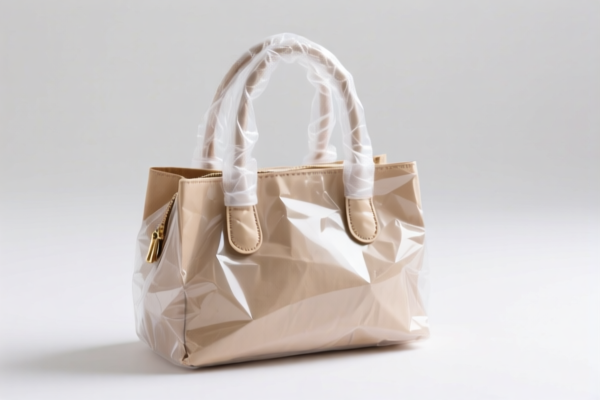
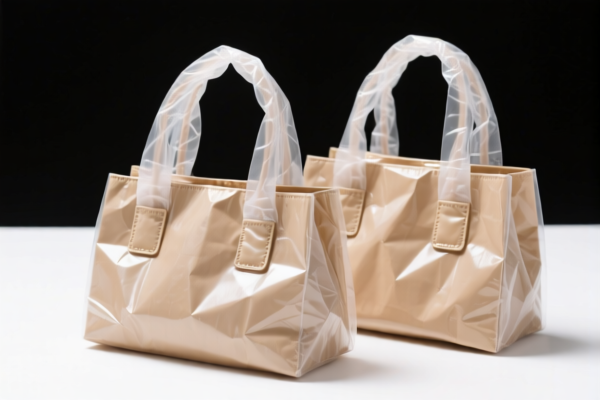
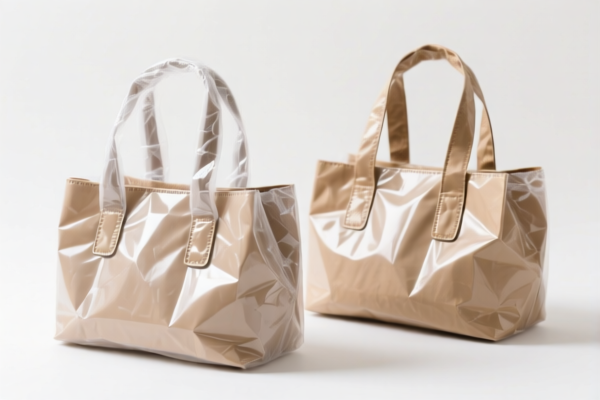
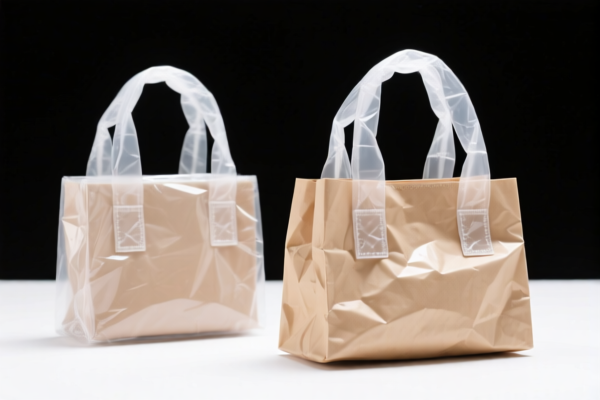
AI分析
👜 Plastic Paper Covered Small Capacity Handbags
(Material: Plastic/Film/Composite | Form: Handbags/Pouches with Handles)
🌐 HS Code Reference & Customs Clearance Guide | 2026 Latest Tariff Analysis | Professional Clearance Strategy
📌 I. Product Definition & Classification: What Exactly is a "Plastic Paper Covered Handbag"?
A "Plastic Paper Covered Small Capacity Handbag" is a versatile retail packaging or consumer accessory item. In international trade, its classification depends heavily on the primary material, structure, and intended use.
The term "Plastic Paper Covered" implies a composite structure, but customs authorities often classify based on the essential character or the outermost layer.
Key Categories: 1. Plastic Bags/Pouches: If the plastic film/paper is merely a thin coating on a plastic base, it may be classified as a plastic article. 2. Paper Bags: If the paper layer is the primary structural component and the plastic is just a lining or thin coating, it falls under paper goods. 3. Textile/Luggage Articles: If the item is constructed like a durable handbag (with handles, gussets, and shape retention) and is not merely a disposable shopping bag, it may fall under Chapter 42 (Articles of Textile Materials or Other Materials).
⚠️ Critical Distinction:
- Disposable/Thin Plastic Bags → Chapter 39 (Plastics)
- Durable Handbags (Non-disposable) → Chapter 42 (Articles of Luggage/Handbags)
- Paper Shopping Bags → Chapter 48 (Paper/Paperboard)
📦 II. HS Code Classification Details (2026 Latest Tariff Authority Comparison)
| HS Code | Product Description | Primary Material | Tax Rate | Applicable Scenario |
|---|---|---|---|---|
3923.21.00.95 |
Plastic Bags, Sacks & Bags (Plastic Material) | Plastic (Polymer) | 38.0% | Thin plastic bags, pouches, or bags where plastic is the essential material. "Small capacity" implies disposable retail packaging. |
3923.21.00.85 |
Plastic Bags with Handles (Plastic/Polyethylene) | Plastic (Polyethylene) | 38.0% | Retail shopping bags with handles, made primarily of plastic. Fits "plastic covered" if the handle and structure are plastic-based. |
4202.99.90.00 |
Handbags, Shopping Bags & Similar Containers (Other Materials) | Plastic/Film/Luggage Material | 55.0% | Durable handbags or structured containers made of plastic sheeting/film, designed to resemble traditional handbags (not disposable). |
4819.40.00.40 |
Shopping Bags & Similar Containers (Paper/Paperboard) | Paper/Composite | 35.0% | Handbags made of paper or paper-plastic composite where paper is the primary material. Used for retail advertising or general carrying. |
4819.40.00.20 |
Advertising/Carrier Bags (Paper/Composite) | Paper/Composite | 35.0% | Paper-based handbags or composite bags used for advertising, retail carry, or lightweight storage. |
🔍 Key Insight:
- Chapter 39 applies to plastic-dominated items (even if coated).
- Chapter 42 applies to durable, structured handbags that retain shape and are not disposable.
- Chapter 48 applies to paper-dominated items or paper-plastic composites where paper is the essential character.
💰 III. 2026 Latest Tariff Rate Breakdown (Including Surtaxes & Policy Surcharges)
✅ Applicable Country: USA (US)
✅ Country of Origin: China (CN)
✅ Effective Date: 2025-11-10 onwards (including subsequent imports)
🎯 1. 3923.21.00.95 & 3923.21.00.85 — Plastic Bags & Pouches
| Item | Content |
|---|---|
| Base Tariff | 3.0% (Ad valorem) |
| Section 301 Surtax | +25.0% |
| Section 122 Surtax | +10.0% |
| Total Tariff Rate | 38.0% |
| Tax Calculation | CIF Value × 38.0% |
| De Minimis Eligibility | ❌ No (Deny De Minimis for Chinese origin) |
| Legal Basis Path | IEEPA:9903.01.25 → USITC:3923.21.00 → SECTION:301 → SECTION:122 |
📌 Explanation:
- 3% Base: Standard MFN tariff for plastic bags.
- 25% Section 301: Retaliatory tariff on Chinese goods.
- 10% Section 122: National security tariff on plastic materials.
- Total: 38%. This is a high-cost category.
🎯 2. 4202.99.90.00 — Durable Handbags (Plastic/Film)
| Item | Content |
|---|---|
| Base Tariff | 20.0% (Ad valorem) |
| Section 301 Surtax | +25.0% |
| Section 122 Surtax | +10.0% |
| Total Tariff Rate | 55.0% |
| Tax Calculation | CIF Value × 55.0% |
| De Minimis Eligibility | ❌ No |
| Legal Basis Path | IEEPA:9901.25 → USITC:4202.99.90 → SECTION:301 → SECTION:122 |
📌 Explanation:
- 20% Base: Higher base tariff for finished articles of luggage/handbags.
- 25% + 10% Surtaxes: Same aggressive tariffs apply.
- Total: 55%. This is the highest tariff bracket for this product.
- Risk: Misclassifying a disposable plastic bag as a durable handbag to avoid lower base rates is risky. However, if it is durable, you must pay the base rate.
🎯 3. 4819.40.00.40 & 4819.40.00.20 — Paper/Composite Handbags
| Item | Content |
|---|---|
| Base Tariff | 0.0% (Ad valorem) |
| Section 301 Surtax | +25.0% |
| Section 122 Surtax | +10.0% |
| Total Tariff Rate | 35.0% |
| Tax Calculation | CIF Value × 35.0% |
| De Minimis Eligibility | ❌ No |
| Legal Basis Path | IEEPA:9901.25 → USITC:4819.40.00 → SECTION:301 → SECTION:122 |
📌 Explanation:
- 0% Base: Paper products often have lower or zero base tariffs.
- 25% + 10% Surtaxes: Still subject to heavy surcharges.
- Total: 35%. This is the most cost-effective option among the choices, but only if the product is predominantly paper.
🛠️ IV. Customs Clearance Practical Advice (Avoid Pitfalls)
✅ 1. Preparation Checklist (Mandatory)
| Document | Required | Description |
|---|---|---|
| ✅ Product Specifications | ✔️ | Detail materials: % of plastic, % of paper, lining, handle type. |
| ✅ Product Photos | ✔️ | Show the bag from all angles, including handles, interior lining, and any logos. |
| ✅ Material Breakdown | ✔️ | Explicitly state: "Outer layer: Paper; Lining: Plastic film" or vice versa. |
| ✅ Intended Use Statement | ✔️ | Is it for single-use retail packaging (Plastic/Paper Ch. 39/48) or durable handbag (Ch. 42)? |
| ✅ Commercial Invoice | ✔️ | Clear description: "Plastic Coated Paper Handbags, for Retail Use" |
| ✅ Packing List | ✔️ | Weight, dimensions, and quantity. |
| ✅ Origin Certificate | ✔️ | Required for origin verification; CN origin triggers surtaxes. |
✅ 2. Declaration Strategy (Key Mantra)
🔥 "Material Determines Chapter, Structure Determines Rate!"
| Scenario | Correct HS Code | Risk if Misclassified |
|---|---|---|
| Disposble Plastic Bag (Thin, no shape retention) | 3923.21.00.95 |
Misclassified as 4202 → 55% (Overpaid) or 4819 → 35% (Undeclared plastic, underpaid → Penalty) |
| Durable Plastic Handbag (Structured, handles, non-disposable) | 4202.99.90.00 |
Misclassified as 3923 → 38% (Underpaid → Audit/Fine) |
| Paper Shopping Bag (Paper dominant, plastic lining) | 4819.40.00.40 |
Misclassified as 3923 → 38% (Overpaid) |
| Composite Bag (Hard to distinguish primary material) | Apply for Advance Ruling | Risk of arbitrary classification by CBP. |
✅ 3. Special Considerations
| Situation | Advice |
|---|---|
| Plastic-Coated Paper | If the plastic layer is <5% or merely a coating, declare as Paper (Ch. 48) for lower base rate (0%). |
| Paper-Lined Plastic | If the plastic is the outer layer, declare as Plastic (Ch. 39). |
| Reusable Handbag | If designed for long-term use, argue for Chapter 42 (Handbags), but expect 55% total rate. |
| Small Capacity | Emphasize "retail packaging" if using Ch. 39/48. If "handbag," emphasize "durable" for Ch. 42. |
🌍 V. Global Market Comparison (2026 Latest)
| Country/Region | Recommended HS Code | Tariff (China Origin) | Certification | Notes |
|---|---|---|---|---|
| 🇺🇸 USA | 4819.40.00.40 (if paper) |
35.0% | None specific | Paper bags are cheaper than plastic ones in total duty. |
| 🇺🇸 USA | 3923.21.00.95 (if plastic) |
38.0% | None specific | Plastic bags face higher base rate. |
| 🇺🇸 USA | 4202.99.90.00 (if durable) |
55.0% | None specific | Highest duty; avoid unless product is clearly luxury/durable. |
| 🇨🇳 China | 4819.40.00.40 |
0% - 5% | None | No surtaxes. |
| 🇪🇺 EU | 4819.40.00 |
0% | EPR (Extended Producer Responsibility) | Paper bags are eco-friendly; may qualify for lower eco-taxes. |
📌 Conclusion:
- USA is the most expensive market due to 301/122 surtaxes.
- Paper-based bags (4819.40.00.40) offer the lowest total duty (35%) compared to plastic (38%) or durable handbags (55%).
- Strategy: If the product allows, design with paper dominance to qualify for Chapter 48.
📌 VI. Common Errors & Pitfalls (Lessons Learned)
❌ Error 1: Classifying a disposable plastic bag as a handbag (4202) to claim "luxury" status.
👉 Consequence: CBP will inspect and reclassify to 3923 or 4819, leading to underpayment penalties if 3923 is correct, or overpayment if 4819 was possible.
❌ Error 2: Not specifying material composition on the invoice.
👉 Consequence: CBP may choose the highest duty rate (4202 at 55%) or require a CBP Form 5106 (Request for Information), causing delays.
❌ Error 3: Ignoring Section 122 surtaxes.
👉 Consequence: Even if base rate is low, 10% + 25% = 35%+ total. Budgeting only for base rate leads to cash flow issues.
✅ Correct Approach:
"Paper Handbags with Plastic Lining, for Retail Use, Non-Reusable, Model XYZ"
🎯 VII. Conclusion: Professional Declaration Saves Money!
🎯 Remember:
🔹 "Paper wins on base rate (0%), Plastic pays more (3%). Durable handbags pay the most (20%). Surtaxes add 35% to all."
🔹 "Total Duty: Paper 35%, Plastic 38%, Handbag 55%."
🔹 "Be honest about materials to avoid audits and penalties!"
📌 Pro Tip:
If your product is plastic-coated paper, ensure the paper layer is structurally dominant to qualify for Chapter 48. This saves 3% compared to pure plastic bags.
For reusable items, consider if the durable handbag classification (4202) is truly justified, as the 55% total duty is very high.
📣 Immediate Action:
📞 Consult a Customs Broker for an Advance Ruling if the product is a composite.
📸 Provide clear photos of the material texture and handle construction.
🚀 Optimize product design to lean towards Paper (Ch. 48) for the lowest total duty (35%).
✨ Professional Clearance Starts with Accurate Classification!
💼 Every percentage point in duty is a point of profit!
用户评价
关于 HS 编码归类
协调制度(HS)是由世界海关组织(WCO)制定的国际贸易商品分类标准。全球 200 多个国家采用 HS 系统作为海关关税、贸易统计和进出口监管的基础。
每个 HS 编码遵循以下层级结构:
- 章(2 位)——商品大类(例如:第 84 章:机器和机械设备)
- 品目(4 位)——章内的更具体分类
- 子目(6 位)——国际通用细分,所有 WCO 成员国统一使用
- 本国细分(8-10 位)——各国自行扩展的细分编码,如美国 HTSUS 10 位编码
正确的 HS 编码归类对于顺利通关、准确缴纳关税和遵守贸易法规至关重要。错误归类可能导致海关延误、多缴关税或罚款。
从CN进口到US时,适用的关税税率可能包括:
- 最惠国(MFN)税率——适用于 WTO 成员国的标准关税税率
- 普通税率——适用于无贸易协定国家
- 贸易救济关税——附加关税,如 301 条款(反倾销)、232 条款(国家安全)或反补贴税
本页内容仅供参考。如需正式归类,请咨询当地海关或持牌报关代理。