Plastic Paper Covered Small Capacity Handbags
CN → US| HS Code | Tariff Rate | Origin | Destination | Doc |
|---|---|---|---|---|
| 3923210095 | 38.0% | CN | US | Official Doc |
| 3923210085 | 38.0% | CN | US | Official Doc |
| 4202999000 | 55.0% | CN | US | Official Doc |
| 4819400040 | 35.0% | CN | US | Official Doc |
| 4819400020 | 35.0% | CN | US | Official Doc |
Product Images
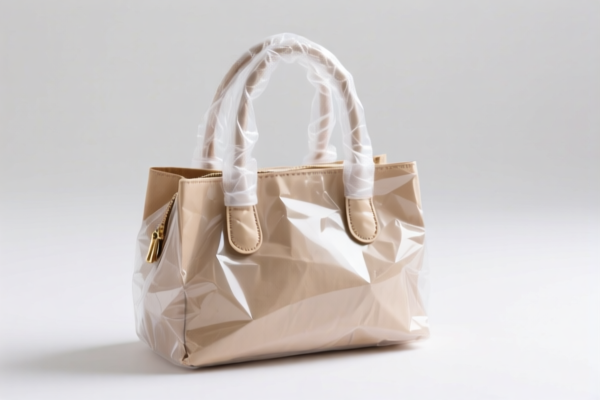
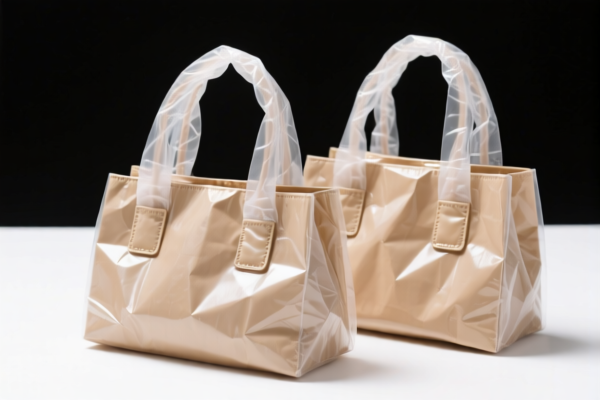
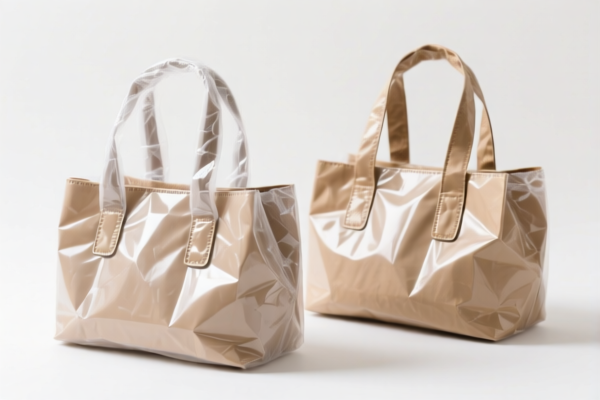
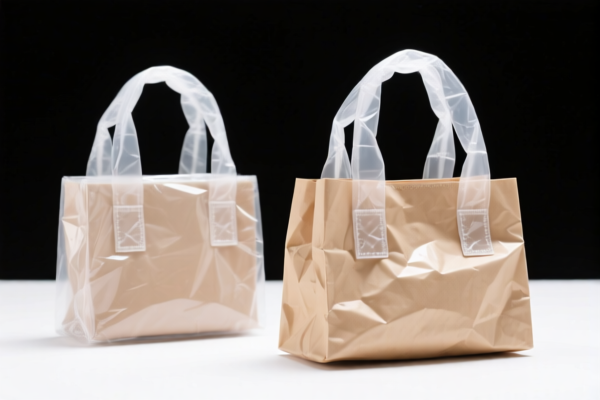
AI Analysis
👜 Plastic Paper Covered Small Capacity Handbags
(Material: Plastic/Film/Composite | Form: Handbags/Pouches with Handles)
🌐 HS Code Reference & Customs Clearance Guide | 2026 Latest Tariff Analysis | Professional Clearance Strategy
📌 I. Product Definition & Classification: What Exactly is a "Plastic Paper Covered Handbag"?
A "Plastic Paper Covered Small Capacity Handbag" is a versatile retail packaging or consumer accessory item. In international trade, its classification depends heavily on the primary material, structure, and intended use.
The term "Plastic Paper Covered" implies a composite structure, but customs authorities often classify based on the essential character or the outermost layer.
Key Categories: 1. Plastic Bags/Pouches: If the plastic film/paper is merely a thin coating on a plastic base, it may be classified as a plastic article. 2. Paper Bags: If the paper layer is the primary structural component and the plastic is just a lining or thin coating, it falls under paper goods. 3. Textile/Luggage Articles: If the item is constructed like a durable handbag (with handles, gussets, and shape retention) and is not merely a disposable shopping bag, it may fall under Chapter 42 (Articles of Textile Materials or Other Materials).
⚠️ Critical Distinction:
- Disposable/Thin Plastic Bags → Chapter 39 (Plastics)
- Durable Handbags (Non-disposable) → Chapter 42 (Articles of Luggage/Handbags)
- Paper Shopping Bags → Chapter 48 (Paper/Paperboard)
📦 II. HS Code Classification Details (2026 Latest Tariff Authority Comparison)
| HS Code | Product Description | Primary Material | Tax Rate | Applicable Scenario |
|---|---|---|---|---|
3923.21.00.95 |
Plastic Bags, Sacks & Bags (Plastic Material) | Plastic (Polymer) | 38.0% | Thin plastic bags, pouches, or bags where plastic is the essential material. "Small capacity" implies disposable retail packaging. |
3923.21.00.85 |
Plastic Bags with Handles (Plastic/Polyethylene) | Plastic (Polyethylene) | 38.0% | Retail shopping bags with handles, made primarily of plastic. Fits "plastic covered" if the handle and structure are plastic-based. |
4202.99.90.00 |
Handbags, Shopping Bags & Similar Containers (Other Materials) | Plastic/Film/Luggage Material | 55.0% | Durable handbags or structured containers made of plastic sheeting/film, designed to resemble traditional handbags (not disposable). |
4819.40.00.40 |
Shopping Bags & Similar Containers (Paper/Paperboard) | Paper/Composite | 35.0% | Handbags made of paper or paper-plastic composite where paper is the primary material. Used for retail advertising or general carrying. |
4819.40.00.20 |
Advertising/Carrier Bags (Paper/Composite) | Paper/Composite | 35.0% | Paper-based handbags or composite bags used for advertising, retail carry, or lightweight storage. |
🔍 Key Insight:
- Chapter 39 applies to plastic-dominated items (even if coated).
- Chapter 42 applies to durable, structured handbags that retain shape and are not disposable.
- Chapter 48 applies to paper-dominated items or paper-plastic composites where paper is the essential character.
💰 III. 2026 Latest Tariff Rate Breakdown (Including Surtaxes & Policy Surcharges)
✅ Applicable Country: USA (US)
✅ Country of Origin: China (CN)
✅ Effective Date: 2025-11-10 onwards (including subsequent imports)
🎯 1. 3923.21.00.95 & 3923.21.00.85 — Plastic Bags & Pouches
| Item | Content |
|---|---|
| Base Tariff | 3.0% (Ad valorem) |
| Section 301 Surtax | +25.0% |
| Section 122 Surtax | +10.0% |
| Total Tariff Rate | 38.0% |
| Tax Calculation | CIF Value × 38.0% |
| De Minimis Eligibility | ❌ No (Deny De Minimis for Chinese origin) |
| Legal Basis Path | IEEPA:9903.01.25 → USITC:3923.21.00 → SECTION:301 → SECTION:122 |
📌 Explanation:
- 3% Base: Standard MFN tariff for plastic bags.
- 25% Section 301: Retaliatory tariff on Chinese goods.
- 10% Section 122: National security tariff on plastic materials.
- Total: 38%. This is a high-cost category.
🎯 2. 4202.99.90.00 — Durable Handbags (Plastic/Film)
| Item | Content |
|---|---|
| Base Tariff | 20.0% (Ad valorem) |
| Section 301 Surtax | +25.0% |
| Section 122 Surtax | +10.0% |
| Total Tariff Rate | 55.0% |
| Tax Calculation | CIF Value × 55.0% |
| De Minimis Eligibility | ❌ No |
| Legal Basis Path | IEEPA:9901.25 → USITC:4202.99.90 → SECTION:301 → SECTION:122 |
📌 Explanation:
- 20% Base: Higher base tariff for finished articles of luggage/handbags.
- 25% + 10% Surtaxes: Same aggressive tariffs apply.
- Total: 55%. This is the highest tariff bracket for this product.
- Risk: Misclassifying a disposable plastic bag as a durable handbag to avoid lower base rates is risky. However, if it is durable, you must pay the base rate.
🎯 3. 4819.40.00.40 & 4819.40.00.20 — Paper/Composite Handbags
| Item | Content |
|---|---|
| Base Tariff | 0.0% (Ad valorem) |
| Section 301 Surtax | +25.0% |
| Section 122 Surtax | +10.0% |
| Total Tariff Rate | 35.0% |
| Tax Calculation | CIF Value × 35.0% |
| De Minimis Eligibility | ❌ No |
| Legal Basis Path | IEEPA:9901.25 → USITC:4819.40.00 → SECTION:301 → SECTION:122 |
📌 Explanation:
- 0% Base: Paper products often have lower or zero base tariffs.
- 25% + 10% Surtaxes: Still subject to heavy surcharges.
- Total: 35%. This is the most cost-effective option among the choices, but only if the product is predominantly paper.
🛠️ IV. Customs Clearance Practical Advice (Avoid Pitfalls)
✅ 1. Preparation Checklist (Mandatory)
| Document | Required | Description |
|---|---|---|
| ✅ Product Specifications | ✔️ | Detail materials: % of plastic, % of paper, lining, handle type. |
| ✅ Product Photos | ✔️ | Show the bag from all angles, including handles, interior lining, and any logos. |
| ✅ Material Breakdown | ✔️ | Explicitly state: "Outer layer: Paper; Lining: Plastic film" or vice versa. |
| ✅ Intended Use Statement | ✔️ | Is it for single-use retail packaging (Plastic/Paper Ch. 39/48) or durable handbag (Ch. 42)? |
| ✅ Commercial Invoice | ✔️ | Clear description: "Plastic Coated Paper Handbags, for Retail Use" |
| ✅ Packing List | ✔️ | Weight, dimensions, and quantity. |
| ✅ Origin Certificate | ✔️ | Required for origin verification; CN origin triggers surtaxes. |
✅ 2. Declaration Strategy (Key Mantra)
🔥 "Material Determines Chapter, Structure Determines Rate!"
| Scenario | Correct HS Code | Risk if Misclassified |
|---|---|---|
| Disposble Plastic Bag (Thin, no shape retention) | 3923.21.00.95 |
Misclassified as 4202 → 55% (Overpaid) or 4819 → 35% (Undeclared plastic, underpaid → Penalty) |
| Durable Plastic Handbag (Structured, handles, non-disposable) | 4202.99.90.00 |
Misclassified as 3923 → 38% (Underpaid → Audit/Fine) |
| Paper Shopping Bag (Paper dominant, plastic lining) | 4819.40.00.40 |
Misclassified as 3923 → 38% (Overpaid) |
| Composite Bag (Hard to distinguish primary material) | Apply for Advance Ruling | Risk of arbitrary classification by CBP. |
✅ 3. Special Considerations
| Situation | Advice |
|---|---|
| Plastic-Coated Paper | If the plastic layer is <5% or merely a coating, declare as Paper (Ch. 48) for lower base rate (0%). |
| Paper-Lined Plastic | If the plastic is the outer layer, declare as Plastic (Ch. 39). |
| Reusable Handbag | If designed for long-term use, argue for Chapter 42 (Handbags), but expect 55% total rate. |
| Small Capacity | Emphasize "retail packaging" if using Ch. 39/48. If "handbag," emphasize "durable" for Ch. 42. |
🌍 V. Global Market Comparison (2026 Latest)
| Country/Region | Recommended HS Code | Tariff (China Origin) | Certification | Notes |
|---|---|---|---|---|
| 🇺🇸 USA | 4819.40.00.40 (if paper) |
35.0% | None specific | Paper bags are cheaper than plastic ones in total duty. |
| 🇺🇸 USA | 3923.21.00.95 (if plastic) |
38.0% | None specific | Plastic bags face higher base rate. |
| 🇺🇸 USA | 4202.99.90.00 (if durable) |
55.0% | None specific | Highest duty; avoid unless product is clearly luxury/durable. |
| 🇨🇳 China | 4819.40.00.40 |
0% - 5% | None | No surtaxes. |
| 🇪🇺 EU | 4819.40.00 |
0% | EPR (Extended Producer Responsibility) | Paper bags are eco-friendly; may qualify for lower eco-taxes. |
📌 Conclusion:
- USA is the most expensive market due to 301/122 surtaxes.
- Paper-based bags (4819.40.00.40) offer the lowest total duty (35%) compared to plastic (38%) or durable handbags (55%).
- Strategy: If the product allows, design with paper dominance to qualify for Chapter 48.
📌 VI. Common Errors & Pitfalls (Lessons Learned)
❌ Error 1: Classifying a disposable plastic bag as a handbag (4202) to claim "luxury" status.
👉 Consequence: CBP will inspect and reclassify to 3923 or 4819, leading to underpayment penalties if 3923 is correct, or overpayment if 4819 was possible.
❌ Error 2: Not specifying material composition on the invoice.
👉 Consequence: CBP may choose the highest duty rate (4202 at 55%) or require a CBP Form 5106 (Request for Information), causing delays.
❌ Error 3: Ignoring Section 122 surtaxes.
👉 Consequence: Even if base rate is low, 10% + 25% = 35%+ total. Budgeting only for base rate leads to cash flow issues.
✅ Correct Approach:
"Paper Handbags with Plastic Lining, for Retail Use, Non-Reusable, Model XYZ"
🎯 VII. Conclusion: Professional Declaration Saves Money!
🎯 Remember:
🔹 "Paper wins on base rate (0%), Plastic pays more (3%). Durable handbags pay the most (20%). Surtaxes add 35% to all."
🔹 "Total Duty: Paper 35%, Plastic 38%, Handbag 55%."
🔹 "Be honest about materials to avoid audits and penalties!"
📌 Pro Tip:
If your product is plastic-coated paper, ensure the paper layer is structurally dominant to qualify for Chapter 48. This saves 3% compared to pure plastic bags.
For reusable items, consider if the durable handbag classification (4202) is truly justified, as the 55% total duty is very high.
📣 Immediate Action:
📞 Consult a Customs Broker for an Advance Ruling if the product is a composite.
📸 Provide clear photos of the material texture and handle construction.
🚀 Optimize product design to lean towards Paper (Ch. 48) for the lowest total duty (35%).
✨ Professional Clearance Starts with Accurate Classification!
💼 Every percentage point in duty is a point of profit!
Customer Reviews
About HS Code Classification
The Harmonized System (HS) is an internationally standardized nomenclature developed by the World Customs Organization (WCO) to classify traded products. Over 200 countries use the HS system as the basis for customs tariffs, trade statistics, and import/export regulations.
Each HS code follows a hierarchical structure:
- Chapter (2 digits) — Broad category of goods (e.g., Chapter 84: Machinery and Mechanical Appliances)
- Heading (4 digits) — More specific grouping within the chapter
- Subheading (6 digits) — Internationally standardized breakdown, used by all WCO member countries
- National subdivisions (8-10 digits) — Country-specific extensions for further classification, such as US HTSUS 10-digit codes
Correct HS code classification is essential for smooth customs clearance, accurate duty payment, and compliance with trade regulations. Misclassification can lead to customs delays, overpayment of duties, or penalties.
When importing from CN to US, the applicable tariff rates may include:
- Most-Favored-Nation (MFN) rate — The standard duty rate applied to WTO members
- General rate — Applied to countries without trade agreements
- Trade remedy duties — Additional tariffs such as Section 301 (anti-dumping), Section 232 (national security), or countervailing duties
The information provided on this page is for reference purposes only. For official classification, please consult with your local customs authority or a licensed customs broker.