Plastic Paper Laminated Small Capacity Handbag
CN → US| HS编码 | 关税税率 | 原产国 | 目的国 | 文档 |
|---|---|---|---|---|
| 3923210095 | 38.0% | CN | US | 官方文档 |
| 3923210085 | 38.0% | CN | US | 官方文档 |
| 4202999000 | 55.0% | CN | US | 官方文档 |
| 4819400040 | 35.0% | CN | US | 官方文档 |
| 4819400020 | 35.0% | CN | US | 官方文档 |
商品图片
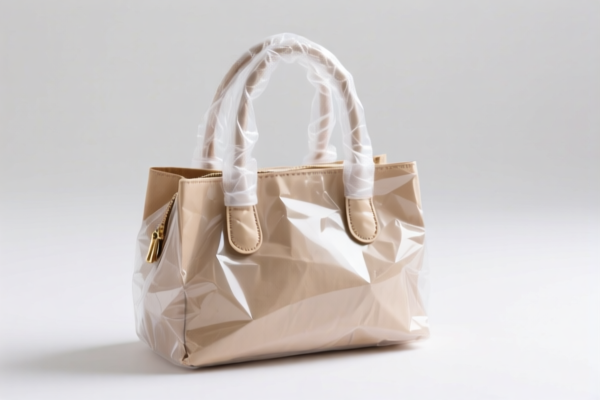
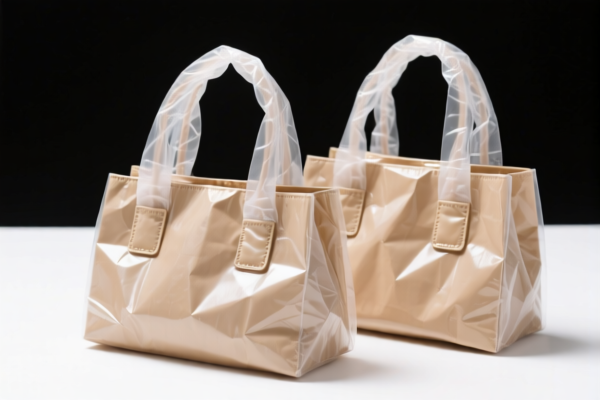
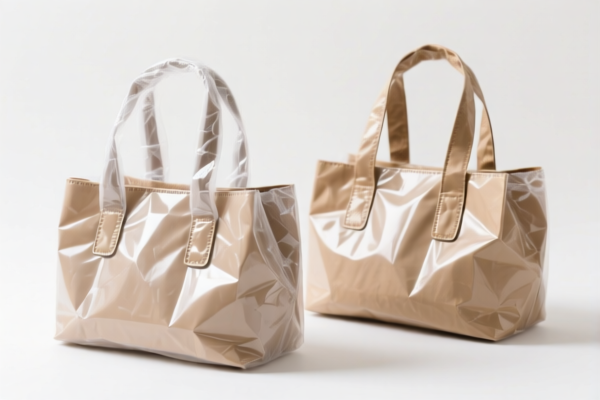
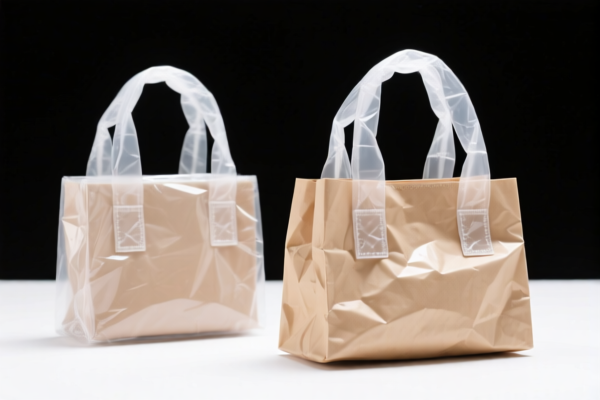
AI分析
🛍️ Plastic Paper Laminated Small Capacity Handbag
(Note: "Plastic Paper" typically refers to Paper-Laminated Plastic or Plastic-Coated Paper materials. The classification varies significantly based on whether the primary characteristic is plastic or paper.)
🌐 HS Code Reference & Clearance Guide | 2026 Latest Tariff Analysis | Professional Customs Strategy
📌 I. Product Definition & Classification: What Exactly Is This Bag?
In international trade, "Plastic Paper Laminated Handbags" are ambiguous. They can fall under Chapter 39 (Plastics) or Chapter 48 (Paper/Cardboard) depending on the principal material and manufacturing process.
- Plastic Dominant (Chapter 39): If the bag is made of plastic film/layers with a paper lamination for printing/adhesion, it is classified as a plastic article.
- Paper Dominant (Chapter 48): If the bag is primarily paper/cardboard with a thin plastic coating for water resistance, it is classified as a paper article.
- Other Materials (Chapter 42): If it’s a specialized plastic film bag not meeting the strict definition of 39.23 (e.g., complex structural design), it might fall into "Other" containers.
⚠️ Key Distinction Point: - If the plastic film/layer provides the structural integrity and water resistance → Chapter 39. - If the paper/cardboard provides the structure and plastic is just a thin coating → Chapter 48.
📦 II. HS Code Classification Details (2026 Latest Tariff Authority Comparison)
| HS Code | Product Description | Application Scenario | Material Dominance |
|---|---|---|---|
3923.21.00.95 |
Sacks and bags (including cones), of plastics, with woven surface or surface coated with plastics or with plastics or textile material laminated to plastics. | Promotional Plastic Bags: Plastic base with paper lamination for ads. | ✅ Plastic |
3923.21.00.85 |
Sacks and bags, of plastics, with handles. | Retail Plastic Handbags: Polyethylene/Plastic bags with handles, possibly paper-laminated for print. | ✅ Plastic |
4202.99.90.00 |
Articles of apparel and clothing accessories, including gloves, mittens and mits, not elsewhere specified or included; other articles of plastics. | Specialty Plastic Handbags: Plastic/film bags not fitting standard "sacks/bags" definitions, e.g., complex laminated structures for advertising. | ✅ Plastic (Special) |
4819.40.00.40 |
Paper bags (including envelopes), of paper, paperboard, cellulose wadding or webs of cellulose fibers, with handles. | Paper Handbags: Paper/Cardboard base with thin plastic coating, used for advertising/gifts. | ✅ Paper |
4819.40.00.20 |
Paper bags, with handles, of paper, paperboard, cellulose wadding or webs of cellulose fibers. | Ad/Carry Paper Bags: Primarily paper, used for carrying goods, advertising, or retail. | ✅ Paper |
🔍 Crucial Reminder: - Chapter 39 bags are generally taxed lower in base tariff but subject to Section 301 and Section 122 duties. - Chapter 48 bags have 0% base tariff but are still subject to high supplementary duties. - Chapter 42 is a catch-all with a higher base tariff (20%) if it doesn't fit 39.23 or 48.19.
💰 III. 2026 Latest Tariff Rate Breakdown (Including Supplementary Taxes & Policy Add-ons)
✅ Applicable Country: United States (US)
✅ Origin: China (CN)
✅ Effective Time: Current applicable rates including Section 301, Section 232 (if applicable), and Section 122 (de minimis)
🎯 1. 3923.21.00.95 & 3923.21.00.85 —— Plastic Sacks/Bags (Laminated/Coin-operated)
| Item | Content |
|---|---|
| Base Tariff | 3.0% (ad valorem) |
| Section 301 Tariff | +25.0% (List 4A/4B depending on exact classification) |
| Section 122 Tariff | +10.0% (De Minimis/Small Value Shipment provision for China) |
| Total Tariff | 38.0% |
| Calculation | CIF Value × 38% |
| De Minimis Exemption | ❌ Not Applicable (These items are explicitly listed or treated as commercial goods regardless of value if declared as such) |
| Legal Basis Path | HTSUS:3923.21.00 → Section 301: Footnote 9903.88.01 → Section 122: 19 U.S.C. 1321 |
📌 Explanation: - The 3% base is the standard MFN rate for plastic bags. - The 25% Section 301 duty applies to most Chinese plastic products. - The 10% Section 122 is a critical add-on for small packages from China, often overlooked but mandatory. - Total 38% is a high-cost item. Must be factored into pricing.
🎯 2. 4202.99.90.00 —— Other Plastic/Articles (Specialty Handbags)
| Item | Content |
|---|---|
| Base Tariff | 20.0% (ad valorem) |
| Section 301 Tariff | +25.0% |
| Section 122 Tariff | +10.0% |
| Total Tariff | 55.0% |
| Calculation | CIF Value × 55% |
| De Minimis Exemption | ❌ Not Applicable |
| Legal Basis Path | HTSUS:4202.99.90 → Section 301: Footnote 9903.88.01 → Section 122 |
📌 Warning: - This is the most expensive option. It applies if the bag is considered a "finished article" not fitting the "bag" definition of 39.23 or 48.19. - Avoid this classification if possible. Ensure the bag fits the "sack/bag" definition in 39.23 or 48.19 to reduce tax from 55% to 35-38%.
🎯 3. 4819.40.00.40 & 4819.40.00.20 —— Paper Bags with Handles
| Item | Content |
|---|---|
| Base Tariff | 0.0% (ad valorem) |
| Section 301 Tariff | +25.0% |
| Section 122 Tariff | +10.0% |
| Total Tariff | 35.0% |
| Calculation | CIF Value × 35% |
| De Minimis Exemption | ❌ Not Applicable (Due to Section 122/301 coverage) |
| Legal Basis Path | HTSUS:4819.40.00 → Section 301: Footnote 9903.88.01 → Section 122 |
📌 Advantage: - 0% Base Tariff makes this the most competitive option compared to plastics. - If your product is primarily paper (even with plastic lamination), argue for Chapter 48. - Total 35% is lower than plastics (38% or 55%).
🛠️ IV. Customs Clearance Practical Advice (实战避坑指南)
✅ 1. Preparation Checklist (Indispensable)
| Document | Required | Explanation |
|---|---|---|
| ✅ Product Specifications | ✔️ | Detail material composition: % of paper vs. plastic, thickness, lamination type. |
| ✅ Photos | ✔️ | Clear images of the bag, handles, and any printing/lamination. Show if paper is the main structural layer. |
| ✅ Commercial Invoice | ✔️ | Describe as "Paper Handbag with Plastic Coating" or "Plastic Bag with Paper Lamination" consistently. |
| ✅ Packing List | ✔️ | Indicate weight and dimensions. |
| ✅ Material Safety Data Sheet (MSDS) | If applicable | For inks or adhesives used in lamination. |
✅ 2. Declaration Strategy (Key Mnemonic)
🔥 "Paper First, Plastic Second. Zero Base Saves You!"
| Scenario | Correct Declaration | Wrong Action |
|---|---|---|
| Paper Base + Plastic Coating | 4819.40.00.20/40 (0% Base) |
Declare as Plastic → 38% Tax |
| Plastic Base + Paper Lamination | 3923.21.00.85/95 (3% Base) |
Declare as Paper → 0% Base (Audit Risk!) |
| Complex/Unusual Structure | 4202.99.90.00 (20% Base) |
Try to force into 39 or 48 → Rejection/Seizure |
| Small Quantity (De Minimis) | Still declare correctly | Assume $800 exemption applies → Section 122 applies regardless |
✅ 3. Special Cases Handling
| Situation | Handling Advice |
|---|---|
| Hybrid Material | If >50% by weight or principal function is paper, use 4819. If plastic, use 3923. |
| Advertising Bags | Often paper-based. Use 4819.40.00.20 for lower tax. |
| Retail Plastic Bags | Use 3923.21.00.85. Ensure "with handles" is declared. |
| Non-Standard Bags | If it doesn't look like a sack/bag (e.g., rigid structure), may fall to 4202. Avoid if possible. |
🌍 V. Global Market Clearance Comparison (2026 Latest)
| Country/Region | Recommended HS Code | Base Tariff | Total Tax (China Origin) | Remarks |
|---|---|---|---|---|
| 🇺🇸 USA | 4819.40.00.20 |
0% | 35% (incl. 25%+10%) | Best for Paper-based |
| 🇺🇸 USA | 3923.21.00.85 |
3% | 38% (incl. 25%+10%) | Best for Plastic-based |
| 🇺🇸 USA | 4202.99.90.00 |
20% | 55% (incl. 25%+10%) | Avoid |
| 🇪🇺 EU | 4819.40.00 |
0% | 0-6% | No Section 301/122 |
| 🇨🇳 China | 4819.40.00 |
0% | 0% | No extra duties |
| 🇬🇧 UK | 4819.40.00 |
0% | 0-5% | Post-Brexit tariffs vary |
📌 Conclusion: - For US Imports: Argue for Paper Classification (4819) to save 3% base tariff and reduce total cost from 38% to 35%. - Section 122 (10%) applies to all Chinese-origin small packages regardless of HS code. Do not ignore it. - Section 301 (25%) applies to all Chinese plastic and paper goods.
📌 VI. Common Mistakes & Pitfalls (Blood Lessons)
❌ Mistake 1: Declaring a Plastic Bag as a Paper Bag to avoid 3% base tariff. 👉 Consequence: Customs audit reveals plastic content. Back taxes + penalties + seizure risk.
❌ Mistake 2: Ignoring Section 122 (10%) for small packages. 👉 Consequence: Underpayment by 10%. Late fees + interest.
❌ Mistake 3: Using 4202 when the bag fits 3923 or 4819. 👉 Consequence: 55% tax instead of 35-38%. Unnecessary cost.
✅ Correct Approach:
"Paper Shopping Bag, Water-Resistant Plastic Coating, 20cm x 30cm, with Twine Handles, For Retail Use."
🎯 VII. Conclusion: Precise Classification Saves Money!
🎯 Remember the Mnemonic:
🔹 "Paper Base, Zero Base, 35% Total. Plastic Base, 3% Base, 38% Total. Wrong Class, 55% Cost!" 🔹 "Section 122 is Mandatory for China. Section 301 is Inevitable. Choose Paper if Possible."
📌 Pro Tip: If your handbag is exclusively paper (even with thin plastic lamination), insist on 4819.40.00.20. This saves 3% on base tariff and 2% on total effective rate compared to plastic. For plastic-laminated paper bags, the 35% total tax is the optimal strategy.
📣 Immediate Action:
📞 Contact your customs broker + Provide material composition ratio + Apply for Pre-Ruling if volume is high. 🚀 Clearance smoothly, reduce costs, maximize profit!
✨ Professional Clearance Starts with Accurate Classification!
💼 Every Dollar of Tax Saved is Pure Profit!
用户评价
关于 HS 编码归类
协调制度(HS)是由世界海关组织(WCO)制定的国际贸易商品分类标准。全球 200 多个国家采用 HS 系统作为海关关税、贸易统计和进出口监管的基础。
每个 HS 编码遵循以下层级结构:
- 章(2 位)——商品大类(例如:第 84 章:机器和机械设备)
- 品目(4 位)——章内的更具体分类
- 子目(6 位)——国际通用细分,所有 WCO 成员国统一使用
- 本国细分(8-10 位)——各国自行扩展的细分编码,如美国 HTSUS 10 位编码
正确的 HS 编码归类对于顺利通关、准确缴纳关税和遵守贸易法规至关重要。错误归类可能导致海关延误、多缴关税或罚款。
从CN进口到US时,适用的关税税率可能包括:
- 最惠国(MFN)税率——适用于 WTO 成员国的标准关税税率
- 普通税率——适用于无贸易协定国家
- 贸易救济关税——附加关税,如 301 条款(反倾销)、232 条款(国家安全)或反补贴税
本页内容仅供参考。如需正式归类,请咨询当地海关或持牌报关代理。