Plastic Paper Laminated Small Capacity Handbag
CN → US| HS Code | Tariff Rate | Origin | Destination | Doc |
|---|---|---|---|---|
| 3923210095 | 38.0% | CN | US | Official Doc |
| 3923210085 | 38.0% | CN | US | Official Doc |
| 4202999000 | 55.0% | CN | US | Official Doc |
| 4819400040 | 35.0% | CN | US | Official Doc |
| 4819400020 | 35.0% | CN | US | Official Doc |
Product Images
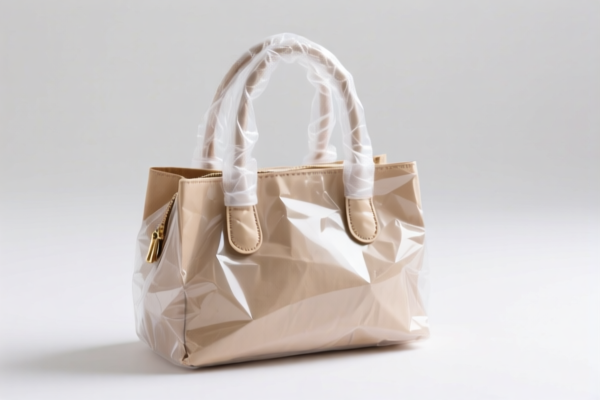
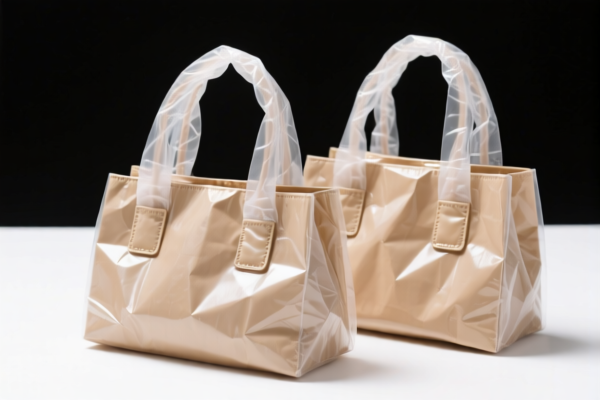
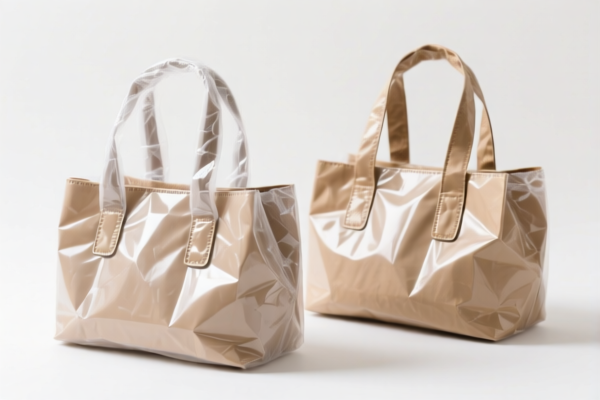
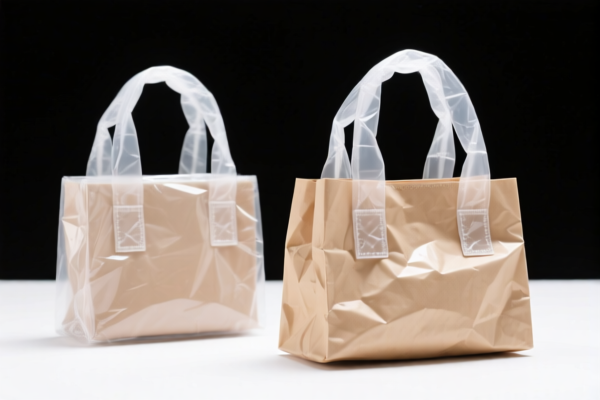
AI Analysis
🛍️ Plastic Paper Laminated Small Capacity Handbag
(Note: "Plastic Paper" typically refers to Paper-Laminated Plastic or Plastic-Coated Paper materials. The classification varies significantly based on whether the primary characteristic is plastic or paper.)
🌐 HS Code Reference & Clearance Guide | 2026 Latest Tariff Analysis | Professional Customs Strategy
📌 I. Product Definition & Classification: What Exactly Is This Bag?
In international trade, "Plastic Paper Laminated Handbags" are ambiguous. They can fall under Chapter 39 (Plastics) or Chapter 48 (Paper/Cardboard) depending on the principal material and manufacturing process.
- Plastic Dominant (Chapter 39): If the bag is made of plastic film/layers with a paper lamination for printing/adhesion, it is classified as a plastic article.
- Paper Dominant (Chapter 48): If the bag is primarily paper/cardboard with a thin plastic coating for water resistance, it is classified as a paper article.
- Other Materials (Chapter 42): If it’s a specialized plastic film bag not meeting the strict definition of 39.23 (e.g., complex structural design), it might fall into "Other" containers.
⚠️ Key Distinction Point: - If the plastic film/layer provides the structural integrity and water resistance → Chapter 39. - If the paper/cardboard provides the structure and plastic is just a thin coating → Chapter 48.
📦 II. HS Code Classification Details (2026 Latest Tariff Authority Comparison)
| HS Code | Product Description | Application Scenario | Material Dominance |
|---|---|---|---|
3923.21.00.95 |
Sacks and bags (including cones), of plastics, with woven surface or surface coated with plastics or with plastics or textile material laminated to plastics. | Promotional Plastic Bags: Plastic base with paper lamination for ads. | ✅ Plastic |
3923.21.00.85 |
Sacks and bags, of plastics, with handles. | Retail Plastic Handbags: Polyethylene/Plastic bags with handles, possibly paper-laminated for print. | ✅ Plastic |
4202.99.90.00 |
Articles of apparel and clothing accessories, including gloves, mittens and mits, not elsewhere specified or included; other articles of plastics. | Specialty Plastic Handbags: Plastic/film bags not fitting standard "sacks/bags" definitions, e.g., complex laminated structures for advertising. | ✅ Plastic (Special) |
4819.40.00.40 |
Paper bags (including envelopes), of paper, paperboard, cellulose wadding or webs of cellulose fibers, with handles. | Paper Handbags: Paper/Cardboard base with thin plastic coating, used for advertising/gifts. | ✅ Paper |
4819.40.00.20 |
Paper bags, with handles, of paper, paperboard, cellulose wadding or webs of cellulose fibers. | Ad/Carry Paper Bags: Primarily paper, used for carrying goods, advertising, or retail. | ✅ Paper |
🔍 Crucial Reminder: - Chapter 39 bags are generally taxed lower in base tariff but subject to Section 301 and Section 122 duties. - Chapter 48 bags have 0% base tariff but are still subject to high supplementary duties. - Chapter 42 is a catch-all with a higher base tariff (20%) if it doesn't fit 39.23 or 48.19.
💰 III. 2026 Latest Tariff Rate Breakdown (Including Supplementary Taxes & Policy Add-ons)
✅ Applicable Country: United States (US)
✅ Origin: China (CN)
✅ Effective Time: Current applicable rates including Section 301, Section 232 (if applicable), and Section 122 (de minimis)
🎯 1. 3923.21.00.95 & 3923.21.00.85 —— Plastic Sacks/Bags (Laminated/Coin-operated)
| Item | Content |
|---|---|
| Base Tariff | 3.0% (ad valorem) |
| Section 301 Tariff | +25.0% (List 4A/4B depending on exact classification) |
| Section 122 Tariff | +10.0% (De Minimis/Small Value Shipment provision for China) |
| Total Tariff | 38.0% |
| Calculation | CIF Value × 38% |
| De Minimis Exemption | ❌ Not Applicable (These items are explicitly listed or treated as commercial goods regardless of value if declared as such) |
| Legal Basis Path | HTSUS:3923.21.00 → Section 301: Footnote 9903.88.01 → Section 122: 19 U.S.C. 1321 |
📌 Explanation: - The 3% base is the standard MFN rate for plastic bags. - The 25% Section 301 duty applies to most Chinese plastic products. - The 10% Section 122 is a critical add-on for small packages from China, often overlooked but mandatory. - Total 38% is a high-cost item. Must be factored into pricing.
🎯 2. 4202.99.90.00 —— Other Plastic/Articles (Specialty Handbags)
| Item | Content |
|---|---|
| Base Tariff | 20.0% (ad valorem) |
| Section 301 Tariff | +25.0% |
| Section 122 Tariff | +10.0% |
| Total Tariff | 55.0% |
| Calculation | CIF Value × 55% |
| De Minimis Exemption | ❌ Not Applicable |
| Legal Basis Path | HTSUS:4202.99.90 → Section 301: Footnote 9903.88.01 → Section 122 |
📌 Warning: - This is the most expensive option. It applies if the bag is considered a "finished article" not fitting the "bag" definition of 39.23 or 48.19. - Avoid this classification if possible. Ensure the bag fits the "sack/bag" definition in 39.23 or 48.19 to reduce tax from 55% to 35-38%.
🎯 3. 4819.40.00.40 & 4819.40.00.20 —— Paper Bags with Handles
| Item | Content |
|---|---|
| Base Tariff | 0.0% (ad valorem) |
| Section 301 Tariff | +25.0% |
| Section 122 Tariff | +10.0% |
| Total Tariff | 35.0% |
| Calculation | CIF Value × 35% |
| De Minimis Exemption | ❌ Not Applicable (Due to Section 122/301 coverage) |
| Legal Basis Path | HTSUS:4819.40.00 → Section 301: Footnote 9903.88.01 → Section 122 |
📌 Advantage: - 0% Base Tariff makes this the most competitive option compared to plastics. - If your product is primarily paper (even with plastic lamination), argue for Chapter 48. - Total 35% is lower than plastics (38% or 55%).
🛠️ IV. Customs Clearance Practical Advice (实战避坑指南)
✅ 1. Preparation Checklist (Indispensable)
| Document | Required | Explanation |
|---|---|---|
| ✅ Product Specifications | ✔️ | Detail material composition: % of paper vs. plastic, thickness, lamination type. |
| ✅ Photos | ✔️ | Clear images of the bag, handles, and any printing/lamination. Show if paper is the main structural layer. |
| ✅ Commercial Invoice | ✔️ | Describe as "Paper Handbag with Plastic Coating" or "Plastic Bag with Paper Lamination" consistently. |
| ✅ Packing List | ✔️ | Indicate weight and dimensions. |
| ✅ Material Safety Data Sheet (MSDS) | If applicable | For inks or adhesives used in lamination. |
✅ 2. Declaration Strategy (Key Mnemonic)
🔥 "Paper First, Plastic Second. Zero Base Saves You!"
| Scenario | Correct Declaration | Wrong Action |
|---|---|---|
| Paper Base + Plastic Coating | 4819.40.00.20/40 (0% Base) |
Declare as Plastic → 38% Tax |
| Plastic Base + Paper Lamination | 3923.21.00.85/95 (3% Base) |
Declare as Paper → 0% Base (Audit Risk!) |
| Complex/Unusual Structure | 4202.99.90.00 (20% Base) |
Try to force into 39 or 48 → Rejection/Seizure |
| Small Quantity (De Minimis) | Still declare correctly | Assume $800 exemption applies → Section 122 applies regardless |
✅ 3. Special Cases Handling
| Situation | Handling Advice |
|---|---|
| Hybrid Material | If >50% by weight or principal function is paper, use 4819. If plastic, use 3923. |
| Advertising Bags | Often paper-based. Use 4819.40.00.20 for lower tax. |
| Retail Plastic Bags | Use 3923.21.00.85. Ensure "with handles" is declared. |
| Non-Standard Bags | If it doesn't look like a sack/bag (e.g., rigid structure), may fall to 4202. Avoid if possible. |
🌍 V. Global Market Clearance Comparison (2026 Latest)
| Country/Region | Recommended HS Code | Base Tariff | Total Tax (China Origin) | Remarks |
|---|---|---|---|---|
| 🇺🇸 USA | 4819.40.00.20 |
0% | 35% (incl. 25%+10%) | Best for Paper-based |
| 🇺🇸 USA | 3923.21.00.85 |
3% | 38% (incl. 25%+10%) | Best for Plastic-based |
| 🇺🇸 USA | 4202.99.90.00 |
20% | 55% (incl. 25%+10%) | Avoid |
| 🇪🇺 EU | 4819.40.00 |
0% | 0-6% | No Section 301/122 |
| 🇨🇳 China | 4819.40.00 |
0% | 0% | No extra duties |
| 🇬🇧 UK | 4819.40.00 |
0% | 0-5% | Post-Brexit tariffs vary |
📌 Conclusion: - For US Imports: Argue for Paper Classification (4819) to save 3% base tariff and reduce total cost from 38% to 35%. - Section 122 (10%) applies to all Chinese-origin small packages regardless of HS code. Do not ignore it. - Section 301 (25%) applies to all Chinese plastic and paper goods.
📌 VI. Common Mistakes & Pitfalls (Blood Lessons)
❌ Mistake 1: Declaring a Plastic Bag as a Paper Bag to avoid 3% base tariff. 👉 Consequence: Customs audit reveals plastic content. Back taxes + penalties + seizure risk.
❌ Mistake 2: Ignoring Section 122 (10%) for small packages. 👉 Consequence: Underpayment by 10%. Late fees + interest.
❌ Mistake 3: Using 4202 when the bag fits 3923 or 4819. 👉 Consequence: 55% tax instead of 35-38%. Unnecessary cost.
✅ Correct Approach:
"Paper Shopping Bag, Water-Resistant Plastic Coating, 20cm x 30cm, with Twine Handles, For Retail Use."
🎯 VII. Conclusion: Precise Classification Saves Money!
🎯 Remember the Mnemonic:
🔹 "Paper Base, Zero Base, 35% Total. Plastic Base, 3% Base, 38% Total. Wrong Class, 55% Cost!" 🔹 "Section 122 is Mandatory for China. Section 301 is Inevitable. Choose Paper if Possible."
📌 Pro Tip: If your handbag is exclusively paper (even with thin plastic lamination), insist on 4819.40.00.20. This saves 3% on base tariff and 2% on total effective rate compared to plastic. For plastic-laminated paper bags, the 35% total tax is the optimal strategy.
📣 Immediate Action:
📞 Contact your customs broker + Provide material composition ratio + Apply for Pre-Ruling if volume is high. 🚀 Clearance smoothly, reduce costs, maximize profit!
✨ Professional Clearance Starts with Accurate Classification!
💼 Every Dollar of Tax Saved is Pure Profit!
Customer Reviews
About HS Code Classification
The Harmonized System (HS) is an internationally standardized nomenclature developed by the World Customs Organization (WCO) to classify traded products. Over 200 countries use the HS system as the basis for customs tariffs, trade statistics, and import/export regulations.
Each HS code follows a hierarchical structure:
- Chapter (2 digits) — Broad category of goods (e.g., Chapter 84: Machinery and Mechanical Appliances)
- Heading (4 digits) — More specific grouping within the chapter
- Subheading (6 digits) — Internationally standardized breakdown, used by all WCO member countries
- National subdivisions (8-10 digits) — Country-specific extensions for further classification, such as US HTSUS 10-digit codes
Correct HS code classification is essential for smooth customs clearance, accurate duty payment, and compliance with trade regulations. Misclassification can lead to customs delays, overpayment of duties, or penalties.
When importing from CN to US, the applicable tariff rates may include:
- Most-Favored-Nation (MFN) rate — The standard duty rate applied to WTO members
- General rate — Applied to countries without trade agreements
- Trade remedy duties — Additional tariffs such as Section 301 (anti-dumping), Section 232 (national security), or countervailing duties
The information provided on this page is for reference purposes only. For official classification, please consult with your local customs authority or a licensed customs broker.