Plastic Pipe Fitting Pressure Reducing Valve
CN → US| HS编码 | 关税税率 | 原产国 | 目的国 | 文档 |
|---|---|---|---|---|
| 3917400095 | 40.3% | CN | US | 官方文档 |
| 3917400080 | 40.3% | CN | US | 官方文档 |
| 8479899599 | 87.5% | CN | US | 官方文档 |
| 8479896500 | 20.3% | CN | US | 官方文档 |
| 8481100090 | 37.0% | CN | US | 官方文档 |
商品图片
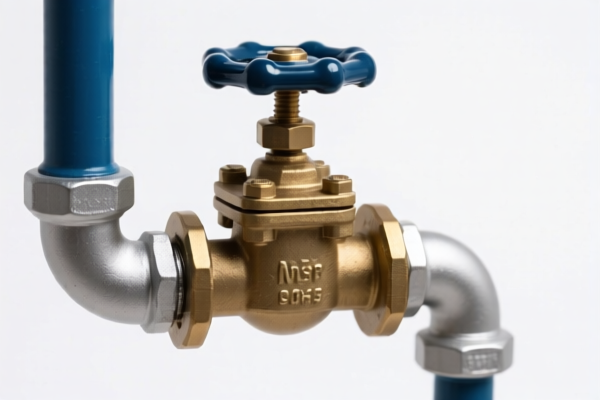
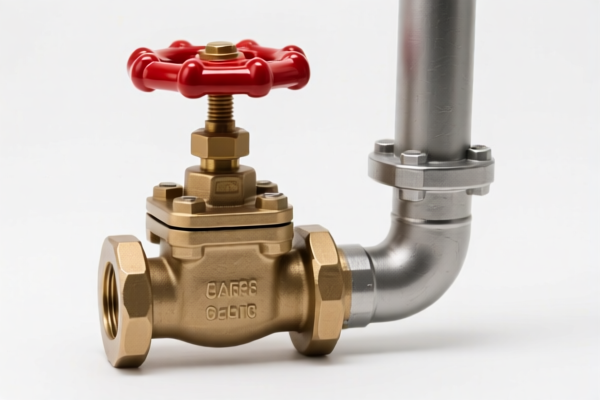
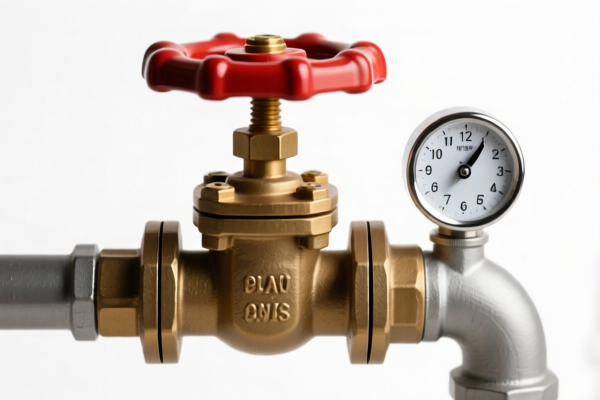
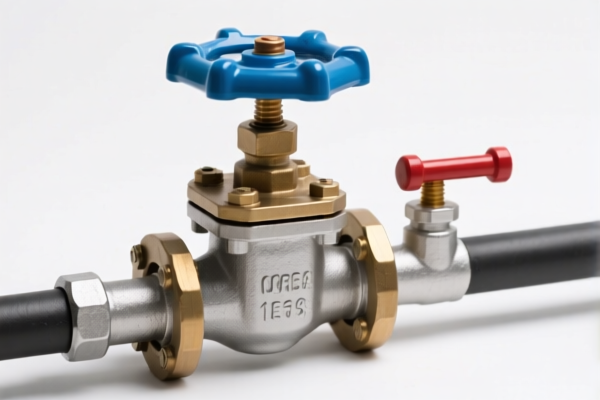
AI分析
🔧 Plastic Pipe Fitting Pressure Reducing Valve (PRV)
🌐 HS Code Reference & Customs Clearance Guide | 2026 Latest Tariff Analysis | Professional Strategy for US Imports
📌 Part 1: Product Definition & Classification: What Exactly Is a "Plastic PRV"?
A Plastic Pipe Fitting Pressure Reducing Valve is a critical component in fluid transport systems, designed to lower the pressure of a fluid (water, gas, or other liquids) flowing through plastic piping. In international trade, its classification depends heavily on its structure (is it just a connector or a mechanical device?) and function (does it have independent mechanical regulation capabilities?).
Key Distinction Points: * Simple Fitting: If it is primarily a static connector or a simple mechanical reducer without complex independent regulation mechanisms, it may fall under Plastic Pipe Accessories (Chapter 39). * Valve/Mechanical Device: If it contains independent mechanical components (like springs, diaphragms, or adjustable regulators) to actively control pressure, it may be classified under Machinery/Valves (Chapter 84).
⚠️ Critical Warning:
- Misclassifying a complex mechanical valve as a simple plastic fitting can lead to underpayment of duties and severe penalties.
- Over-classifying a simple fitting as a complex machine may lead to higher duties (though less risky than underpayment).
- Chapter 39 items generally attract high "Trade War" tariffs. Chapter 84 items vary significantly based on specific sub-headings.
📦 Part 2: HS Code Classification Details (Based on Provided Data)
Below are the 5 possible HS Codes derived from your specific dataset, along with their corresponding tax structures.
| HS Code | Product Description & Classification Logic | Total Tax Rate | Tax Breakdown |
|---|---|---|---|
| 3917.40.00.95 | Plastic Pipe Fitting Accessory Made of plastic, classified as a plastic pipe accessory. |
40.3% | Base: 5.3% + Section 301: 25.0% + Section 122: 10.0% |
| 3917.40.00.80 | Plastic Pipe Accessory Specifically categorized as an accessory for plastic pipes. |
40.3% | Base: 5.3% + Section 301: 25.0% + Section 122: 10.0% |
| 8479.89.95.99 | Other Mechanical Appliance Regarded as a mechanical device with specific functions, made of plastic. |
87.5% | Base: 2.5% + Section 301: 25.0% + Section 122: 10.0% + Steel/Aluminum/Copper Surtax: 50%* |
| 8479.89.65.00 | Independent Mechanical Device Has independent functional capabilities, classified as other independent mechanical appliances. |
20.3% | Base: 2.8% + Section 301: 7.5% + Section 122: 10.0% |
| 8481.10.00.90 | Valve Specifically classified as a valve/mechanical device for pressure reduction. |
37.0% | Base: 2.0% + Section 301: 25.0% + Section 122: 10.0% |
*Note on 8479.89.95.99: The dataset explicitly mentions a 50% surtax for Steel/Aluminum/Copper products. If the PRV contains significant metallic components (springs, stems, bodies), this rate may apply, making it the most expensive option.
💰 Part 3: Detailed Tax Rate Analysis (US Import Context)
✅ Applicable Country: United States (US)
✅ Origin: China (CN) (Assumed based on "Section 301" and "Section 122" references)
✅ Effective Time: 2025–2026 Current Trade Policies
🎯 1. The "Plastic Fitting" Route (HS: 3917.40.00.80/95)
- Total Duty: 40.3%
- Breakdown:
- Base Tariff: 5.3% (Standard MFN rate for plastic pipes/accessories)
- Section 301 Tariff: 25.0% (Trade War surcharge on Chinese goods)
- Section 122 Tariff: 10.0% (Specific national security/emergency surcharge)
- Analysis: This is the standard classification for plastic pipe components. It is predictable but costly due to the flat 25% Section 301 rate.
🎯 2. The "Valve" Route (HS: 8481.10.00.90)
- Total Duty: 37.0%
- Breakdown:
- Base Tariff: 2.0% (Lower base rate for valves)
- Section 301 Tariff: 25.0%
- Section 122 Tariff: 10.0%
- Analysis: Slightly cheaper than the plastic fitting route (3.3% savings). However, proving it is a "valve" and not a "fitting" requires demonstrating independent pressure-regulating mechanics.
🎯 3. The "Independent Mechanical Device" Route (HS: 8479.89.65.00) 💡 BEST RATE?
- Total Duty: 20.3%
- Breakdown:
- Base Tariff: 2.8%
- Section 301 Tariff: 7.5% (Significantly reduced from 25%!)
- Section 122 Tariff: 10.0%
- Analysis: This is the most cost-effective classification if applicable. The key is proving the device has "independent functional capabilities" separate from the pipe itself. If the PRV is a standalone mechanical unit, this route saves ~17-20% in duties compared to the plastic fitting route.
🎯 4. The "Other Mechanical Appliance" Route (HS: 8479.89.95.99) ⚠️ AVOID
- Total Duty: 87.5%
- Breakdown:
- Base Tariff: 2.5%
- Section 301 Tariff: 25.0%
- Section 122 Tariff: 10.0%
- Steel/Aluminum/Copper Surtax: 50%
- Analysis: Extreme Risk. If the customs authority determines the valve contains metal parts (which most pressure reducers do), this 50% surtax will destroy your margins. Only consider this if the product is 100% plastic with no metal components AND it doesn't fit the "Independent Device" criteria.
🛠️ Part 4: Customs Clearance Practical Advice (Real-World Pitfalls)
✅ 1. Preparation Checklist (Must-Have Documents)
| Document | Required? | Purpose |
|---|---|---|
| ✅ Technical Specification Sheet | ✔️ | Must detail: Pressure range, flow rate, material composition (plastic vs. metal parts), and regulation mechanism. |
| ✅ Product Photos | ✔️ | Show the entire assembly. Highlight any metallic springs, stems, or regulators. |
| ✅ Bill of Materials (BOM) | ✔️ | Crucial for HS 8479.89.95.99 avoidance. Prove if metal content is minimal or non-existent. |
| ✅ Commercial Invoice | ✔️ | Describe as "Plastic Pressure Reducing Valve for Pipe Systems" or "Mechanical Pressure Regulator." |
| ✅ Origin Certificate | ✔️ | To confirm Chinese origin and apply correct Section 301 rates. |
✅ 2. Classification Strategy (The "Valve" vs. "Fitting" Debate)
🔥 Golden Rule: "Function Defines Function, Material Defines Chapter!"
| Scenario | Recommended HS Code | Why? |
|---|---|---|
| 100% Plastic, Simple Reducer | 3917.40.00.95 |
It acts as a pipe connector/reducer. No moving parts for active regulation. |
| Plastic Body, Metal Spring/Regulator | 8481.10.00.90 |
It is functionally a Valve. Chapter 84 takes precedence for functional mechanical valves. |
| Complex Independent Regulator | 8479.89.65.00 |
If it has independent mechanical control features not typical of standard valves, try this for the 7.5% Section 301 rate. |
| Contains Significant Metal Parts | 8479.89.95.99 |
Avoid. High risk of 50% surtax unless you can prove exemption. |
✅ 3. Special Handling Tips
- For HS 8479.89.65.00 (20.3%): You must argue that the device is a "standalone mechanical appliance" with independent function. Provide diagrams showing the internal mechanism.
- For HS 3917.40.00 (40.3%): Ensure the product is clearly a pipe accessory. Do not emphasize "mechanical regulation" too strongly if you want to stay in Chapter 39 (though this is riskier if it clearly functions as a valve).
- Metal Content Alert: If the PRV has a metal spring or metal stem, customs may argue it falls under Chapter 84. Be prepared to justify whether it's a "valve" (8481) or "other machinery" (8479).
✅ 4. Common Mistakes & How to Avoid Them
❌ Mistake 1: Calling it "Plastic Pipe Fitting" when it has a complex internal regulator.
👉 Risk: Customs may reclassify to Chapter 84, potentially leading to the 87.5% rate if metal parts are detected, or at least the 37% valve rate.
❌ Mistake 2: Ignoring the "Section 122" 10% surcharge.
👉 Reality: All 5 HS codes in your data include a 10% Section 122 tariff. This is unavoidable for Chinese-origin goods under current policy. Factor it into your cost calculation.
❌ Mistake 3: Assuming "Plastic" means Chapter 39.
👉 Reality: If it functions as a valve, Chapter 84 prevails. Chapter 39 is for static fittings (elbows, tees, reducers) without active regulation.
🌍 Part 5: Global Market Comparison (2026)
| Country | Recommended HS Code | Est. Duty | Key Requirement |
|---|---|---|---|
| 🇺🇸 USA | 8479.89.65.00 |
20.3% | Prove "Independent Mechanical Function" |
| 🇨🇳 China | 8481.10.00.00 |
5-8% | Standard valve classification |
| 🇪🇺 EU | 8481.10.00.00 |
~3-5% | CE Marking required for pressure equipment |
| 🇯🇵 Japan | 8481.10.00.00 |
5-10% | JIS Standard compliance |
📌 US Advantage: While the EU and Japan have lower base rates, the US Section 301/122 structure makes the 8479.89.65.00 (20.3%) option relatively competitive if you can justify the "independent mechanical device" classification.
📌 Part 6: Final Recommendations & Action Plan
🎯 Step 1: Analyze Your Product
- Is it 100% plastic? → Consider
3917.40.00.95(40.3%) or8481.10.00.90(37.0%). - Does it have metal springs/stems? → Must go to Chapter 84.
- Is it a complex independent regulator? → Try to justify
8479.89.65.00(20.3%).
🎯 Step 2: Document Preparation
- Create a Technical Dossier explaining the pressure reduction mechanism.
- Highlight independent mechanical features to support
8479.89.65.00. - Clearly list material composition to avoid the 50% metal surtax under
8479.89.95.99.
🎯 Step 3: Customs Broker Consultation
- Before shipping, provide your broker with the Technical Dossier.
- Request an Advance Ruling if possible, to lock in the 20.3% rate if applicable.
🎯 Conclusion: Maximize Savings, Minimize Risk
🔹 Best Case Scenario: Classify as 8479.89.65.00 → 20.3% Total Duty.
🔹 Safe Scenario: Classify as 8481.10.00.90 → 37.0% Total Duty.
🔹 Worst Case Scenario: Misclassified as 8479.89.95.99 with metal parts → 87.5% Total Duty.
📌 Pro Tip:
If your PRV is purely plastic and functions as a simple reducer, 8481.10.00.90 (37.0%) is safer than 3917 (40.3%) because it’s functionally accurate. However, if you can prove it’s a complex independent mechanical device, 8479.89.65.00 (20.3%) is the gold standard for cost savings.
📣 Immediate Action:
📞 Contact your customs broker with the product specs.
📝 Prepare technical diagrams showing the internal mechanism.
🚀 Aim for the 20.3% rate through proper documentation!
✨ Smart Classification Saves Money!
💼 Every percentage point in duty matters!
用户评价
关于 HS 编码归类
协调制度(HS)是由世界海关组织(WCO)制定的国际贸易商品分类标准。全球 200 多个国家采用 HS 系统作为海关关税、贸易统计和进出口监管的基础。
每个 HS 编码遵循以下层级结构:
- 章(2 位)——商品大类(例如:第 84 章:机器和机械设备)
- 品目(4 位)——章内的更具体分类
- 子目(6 位)——国际通用细分,所有 WCO 成员国统一使用
- 本国细分(8-10 位)——各国自行扩展的细分编码,如美国 HTSUS 10 位编码
正确的 HS 编码归类对于顺利通关、准确缴纳关税和遵守贸易法规至关重要。错误归类可能导致海关延误、多缴关税或罚款。
从CN进口到US时,适用的关税税率可能包括:
- 最惠国(MFN)税率——适用于 WTO 成员国的标准关税税率
- 普通税率——适用于无贸易协定国家
- 贸易救济关税——附加关税,如 301 条款(反倾销)、232 条款(国家安全)或反补贴税
本页内容仅供参考。如需正式归类,请咨询当地海关或持牌报关代理。