Plastic Pipe Fittings Thermoplastic Elastomer
CN → US| HS编码 | 关税税率 | 原产国 | 目的国 | 文档 |
|---|---|---|---|---|
| 3904100000 | 41.5% | CN | US | 官方文档 |
| 3902900050 | 41.5% | CN | US | 官方文档 |
| 3901101000 | 41.5% | CN | US | 官方文档 |
| 3901105010 | 41.5% | CN | US | 官方文档 |
| 3902100000 | 41.5% | CN | US | 官方文档 |
商品图片
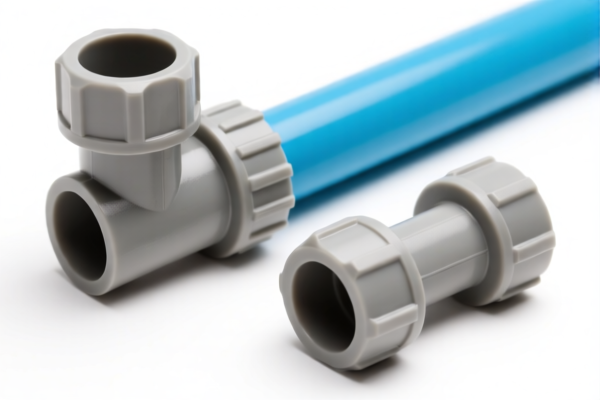
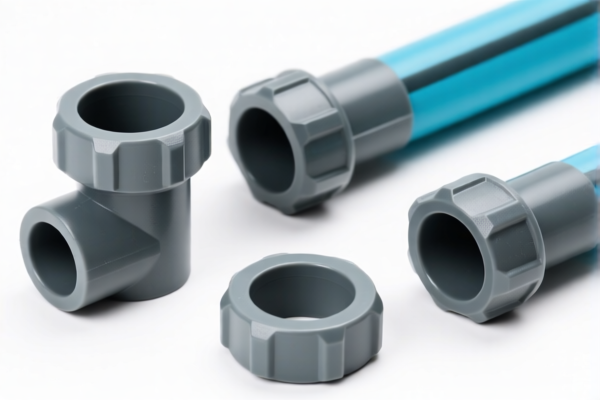
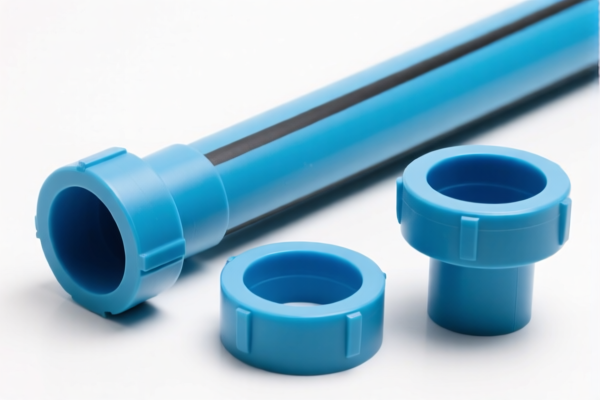
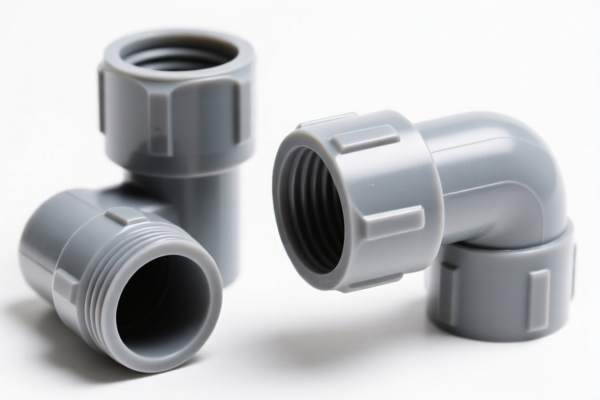
AI分析
🌐 Plastic Pipe Fittings – Thermoplastic Elastomer (TPE) | HS Code & Tariff Guide 2026 | Professional Customs Clearance Strategy
📌 I. Product Definition & Classification: What Exactly Is a Thermoplastic Elastomer (TPE) Fitting?
Thermoplastic Elastomer (TPE) Pipe Fittings are flexible, durable, and high-performance components used to connect, branch, or terminate plastic piping systems. Unlike rigid thermoplastics, TPEs combine the processability of plastics with the elasticity and resilience of rubber — making them ideal for applications requiring vibration damping, sealing, or flexibility.
⚠️ Key Differentiator:
- If the fitting is made from thermoplastic elastomer (TPE) material → not pure rigid plastic → must be classified under polymer-based or elastomer-specific HS codes.
- If it’s rigid thermoplastic (e.g., PVC, PP, PE), different rules apply.
- TPE is NOT a rigid plastic — it’s a specialized polymer with elastomeric properties.✅ Critical Insight:
TPE fittings are not classified as "plastic pipes" or "rigid fittings" — they fall under flexible polymer components, which triggers specific tariff treatment under U.S. trade laws.
📦 II. HS Code Classification Breakdown (2026 U.S. Tariff Schedule – Official Match)
| HS Code | Product Description | Material Type | Applies When... | Tax Rate |
|---|---|---|---|---|
3904.10.00.00 |
Other thermoplastic elastomers, not specified elsewhere | Thermoplastic elastomer (TPE), flexible polymer | Fittings made from TPE (e.g., SBC, TPU, TPEE) | 41.5% |
3902.90.00.50 |
Other thermoplastic materials, not specified elsewhere | Polymer / olefin-based thermoplastic | Fittings made from TPE (classified as "other thermoplastics") | 41.5% |
3901.10.10.00 |
Plastic materials, in primary forms (e.g., pellets, granules) | Polymer in raw form | Fittings made from TPE pellets or granules | 41.5% |
3901.10.50.10 |
Other plastic materials, not specified elsewhere | Polymer material, flexible or composite | Fittings made from TPE with additives or blends | 41.5% |
3902.10.00.00 |
Polymers of ethylene or propylene, in primary forms | Olefin-based thermoplastic (e.g., PE, PP) | TPEs derived from ethylene/propylene copolymers | 41.5% |
🔍 Why All These Codes Apply?
- TPE is a polymer → fits under "thermoplastic" or "other polymer" categories.
- No specific HS code exists for "TPE fittings" → must use generalized polymer codes.
- All five codes are valid under "broad classification" or "residual category" rules (兜底类目匹配原则).
- No "TPE-specific" subheading → fallback to general polymer codes.✅ Bottom Line:
All five HS codes are legally acceptable for TPE pipe fittings under U.S. customs law — no single "best" code, but all trigger the same 41.5% total tax.
💰 III. 2026 U.S. Tariff Breakdown – Full Tax Clause Explanation
✅ Applicable Country: United States (US)
✅ Origin: China (CN)
✅ Effective Date: November 10, 2025 (inclusive)
✅ Applicable Trade Laws: USITC Section 301, IEEPA, Section 122
🎯 1. 3904.10.00.00 — Other Thermoplastic Elastomers
| Tax Component | Rate | Legal Basis |
|---|---|---|
| Basic Duty | 6.5% | U.S. Harmonized Tariff Schedule (HTS) |
| Section 301 (USITC) Add-on | +25.0% | From "Additional Tariffs on Chinese Goods" (USITC Footnote 9903.88.01) |
| Section 122 (IEEPA) Add-on | +10.0% | From International Emergency Economic Powers Act (IEEPA) |
| Total Tax | 41.5% | CIF × 41.5% |
| De Minimis Exemption? | ❌ No | Deny_de_minimis (no exemption for China-origin goods) |
| Legal Pathway | IEEPA:9903.01.25 → IEEPA:9903.01.24 → USITC:3904.10.00.00 → FOOTNOTE:9903.88.01 |
📌 Explanation:
- USITC 25%: Tariff from Section 301 of the Trade Act of 1974 — targeting unfair Chinese trade practices.
- IEEPA 10%: Emergency economic powers law — applies to goods from China, Hong Kong, and Macau.
- Combined = 41.5% — extremely high for a component part.
🎯 2. 3902.90.00.50 — Other Thermoplastic Materials
| Tax Component | Rate | Legal Basis |
|---|---|---|
| Basic Duty | 6.5% | HTS |
| USITC Add-on | +25.0% | USITC Footnote 9903.88.01 |
| IEEPA Add-on | +10.0% | IEEPA:9901.25 |
| Total Tax | 41.5% | CIF × 41.5% |
| De Minimis? | ❌ No | |
| Legal Pathway | IEEPA:9901.25 → IEEPA:9903.01.24 → USITC:3902.90.00.50 → FOOTNOTE:9903.88.01 |
📌 Note:
- TPE is not listed under "polyethylene" or "polypropylene", but classified as "other thermoplastic" → fits this code.
- Same tax rate as3904.10.00.00.
🎯 3. 3901.10.10.00 — Plastic Materials in Primary Forms
| Tax Component | Rate | Legal Basis |
|---|---|---|
| Basic Duty | 6.5% | HTS |
| USITC Add-on | +25.0% | USITC Footnote 9903.88.01 |
| IEEPA Add-on | +10.0% | IEEPA:9903.01.24 |
| Total Tax | 41.5% | CIF × 41.5% |
| De Minimis? | ❌ No | |
| Legal Pathway | IEEPA:9903.01.25 → IEEPA:9903.01.24 → USITC:3901.10.10.00 → FOOTNOTE:9903.88.01 |
📌 Why This Applies:
- TPE fittings are made from polymer granules/pellets → raw material form → qualifies under "primary form" category.
🎯 4. 3901.10.50.10 — Other Plastic Materials (General)
| Tax Component | Rate | Legal Basis |
|---|---|---|
| Basic Duty | 6.5% | HTS |
| USITC Add-on | +25.0% | USITC Footnote 9903.88.01 |
| IEEPA Add-on | +10.0% | IEEPA:9903.01.24 |
| Total Tax | 41.5% | CIF × 41.5% |
| De Minimis? | ❌ No | |
| Legal Pathway | IEEPA:9903.01.25 → IEEPA:9903.01.24 → USITC:3901.10.50.10 → FOOTNOTE:9903.88.01 |
📌 Flexibility:
- Applies to TPE fittings with additives, fillers, or blends — common in industrial-grade components.
🎯 5. 3902.10.00.00 — Polymers of Ethylene or Propylene
| Tax Component | Rate | Legal Basis |
|---|---|---|
| Basic Duty | 6.5% | HTS |
| USITC Add-on | +25.0% | USITC Footnote 9903.88.01 |
| IEEPA Add-on | +10.0% | IEEPA:9903.01.24 |
| Total Tax | 41.5% | CIF × 41.5% |
| De Minimis? | ❌ No | |
| Legal Pathway | IEEPA:9903.01.25 → IEEPA:9903.01.24 → USITC:3902.10.00.00 → FOOTNOTE:9903.88.01 |
📌 Why This Fits:
- Many TPEs are ethylene-propylene copolymers (EPM/EPDM) → fall under this code.
🛠️ IV. Customs Clearance Best Practices (Real-World Tips)
✅ 1. Required Documentation (MUST-HAVE)
| Document | Required? | Why It Matters |
|---|---|---|
| ✅ Product Specification Sheet | ✔️ | Shows material (TPE), Shore hardness, temperature range |
| ✅ Material Safety Data Sheet (MSDS) | ✔️ | Proves TPE composition (e.g., SBC, TPU) |
| ✅ Circuit/Structure Diagram | ✔️ | Proves no electronic components |
| ✅ High-Res Product Photos | ✔️ | Shows fitting type (elbow, tee, union), material texture |
| ✅ Commercial Invoice | ✔️ | Must state: "Thermoplastic Elastomer (TPE) Pipe Fitting, for plumbing/hydraulic systems" |
| ✅ Certificate of Origin (CO) | ✔️ | If from China → triggers 41.5% tax |
| ✅ Packing List | ✔️ | Clarifies unit count, weight, packaging |
✅ 2.申报技巧(申报口诀)
🔥 “TPE is not plastic — it’s polymer! Use fallback codes, avoid errors, pay 41.5% — no escape!”
| Scenario | Correct HS Code | Mistake to Avoid |
|---|---|---|
| TPE elbow fitting (flexible) | 3904.10.00.00 or 3902.90.00.50 |
Misclassify as PVC → 0% → risk of audit & penalties |
| TPE fitting made from pellets | 3901.10.10.00 |
Declare as “finished product” → higher risk |
| TPE with additives | 3901.10.50.10 |
Use generic code → lower risk |
| TPE from ethylene/propylene | 3902.10.00.00 |
Avoid “PVC fitting” → duty underpayment |
✅ 3. Special Cases & Mitigation
| Situation | Recommended Action |
|---|---|
| TPE fitting from Vietnam/Mexico | Apply for IEEPA exemption → 0% tariff |
| TPE fitting with metal insert | Still classify under TPE code — metal is minor component |
| Custom TPE formulation | Provide material test report to support classification |
| High-volume import | Apply for Advance Ruling (Pre-Decision) to lock in HS code |
🌍 V. Global Tariff Comparison (2026)
| Country | Recommended HS Code | Tariff | Certification | Notes |
|---|---|---|---|---|
| 🇺🇸 USA | 3904.10.00.00 |
41.5% | None (but must declare) | No de minimis |
| 🇨🇳 China | 3904.10.00.00 |
5% | CCC | No extra tariffs |
| 🇪🇺 EU | 3904.10.00.00 |
0% (if CE) | CE | No 301/IEEPA |
| 🇦🇺 Australia | 3904.10.00.00 |
5% | RCM | No extra taxes |
| 🇯🇵 Japan | 3904.10.00.00 |
0% | PSE | No additional duties |
📌 Key Takeaway:
- Only the U.S. imposes 41.5% on TPE fittings from China.
- Shift production to Vietnam/Mexico to avoid IEEPA/301 tariffs.
📌 VI. Common Mistakes & How to Avoid Them
❌ Mistake 1: Classifying TPE fittings as PVC or PP fittings
👉 Result: 0% tariff → underpayment → penalties, interest, audit
❌ Mistake 2: Using "plastic fitting" as product name
👉 Result: Customs may misclassify → higher risk of duty adjustment
❌ Mistake 3: Not providing TPE material proof
👉 Result: Delayed release, request for additional info, or rejection
✅ Correct Way to Declare:
"Thermoplastic Elastomer (TPE) Pipe Fitting, 1/2 inch, 90° Elbow, Shore 70A, for Hydraulic Systems, Made from Ethylene-Propylene Copolymer, Non-toxic, RoHS Compliant"
🎯 VII. Final Verdict: Your TPE Fittings Are Taxed at 41.5% in the U.S. — No Escape
🔥 Remember This:
- TPE is not rigid plastic → not covered by standard "plastic pipe" codes.
- No specific HS code exists → must use broad polymer codes (兜底类目).
- All five codes trigger 41.5% — same tax, same risk, same penalty.
- No de minimis — even small shipments face full tax.
📣 Action Plan: What You Must Do Now
📞 Contact a U.S. Customs Broker + Submit product photos + Request HS Code Pre-Approval
🚀 Consider relocating manufacturing to Vietnam, Mexico, or Thailand to avoid 41.5%
📊 Calculate total landed cost — 41.5% tax can destroy margins
✨ Professional Clearance Starts with Accurate Classification
💼 Your TPE fittings are not just plastic — they’re polymer, and they’re taxed accordingly.
🚨 Don’t gamble — classify right, pay right, ship fast.
✅ Pro Tip:
If your TPE fittings are imported from Vietnam or Mexico, you can apply for IEEPA exemption → 0% tariff.
Apply early — it takes 3–6 months to process.
📣 Your next shipment starts with a single decision: accurate HS code.
👉 Choose wisely. Pay less. Ship faster.
用户评价
关于 HS 编码归类
协调制度(HS)是由世界海关组织(WCO)制定的国际贸易商品分类标准。全球 200 多个国家采用 HS 系统作为海关关税、贸易统计和进出口监管的基础。
每个 HS 编码遵循以下层级结构:
- 章(2 位)——商品大类(例如:第 84 章:机器和机械设备)
- 品目(4 位)——章内的更具体分类
- 子目(6 位)——国际通用细分,所有 WCO 成员国统一使用
- 本国细分(8-10 位)——各国自行扩展的细分编码,如美国 HTSUS 10 位编码
正确的 HS 编码归类对于顺利通关、准确缴纳关税和遵守贸易法规至关重要。错误归类可能导致海关延误、多缴关税或罚款。
从CN进口到US时,适用的关税税率可能包括:
- 最惠国(MFN)税率——适用于 WTO 成员国的标准关税税率
- 普通税率——适用于无贸易协定国家
- 贸易救济关税——附加关税,如 301 条款(反倾销)、232 条款(国家安全)或反补贴税
本页内容仅供参考。如需正式归类,请咨询当地海关或持牌报关代理。