Plastic Pipe Fittings Thermoplastic Elastomer
CN → US| HS Code | Tariff Rate | Origin | Destination | Doc |
|---|---|---|---|---|
| 3904100000 | 41.5% | CN | US | Official Doc |
| 3902900050 | 41.5% | CN | US | Official Doc |
| 3901101000 | 41.5% | CN | US | Official Doc |
| 3901105010 | 41.5% | CN | US | Official Doc |
| 3902100000 | 41.5% | CN | US | Official Doc |
Product Images
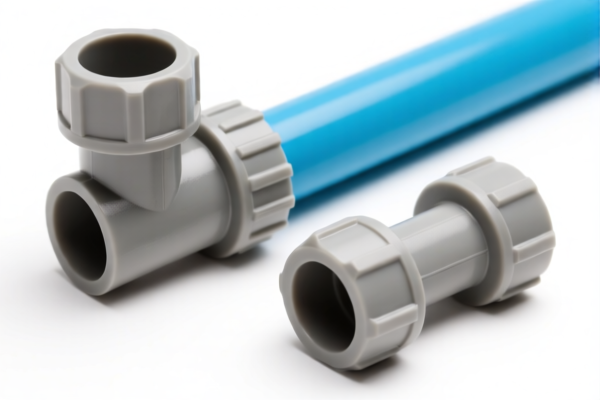
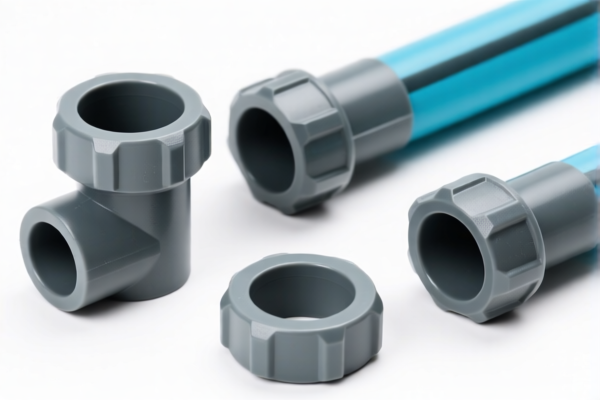
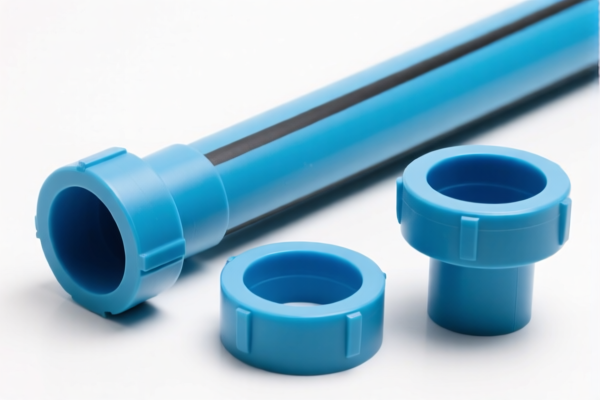
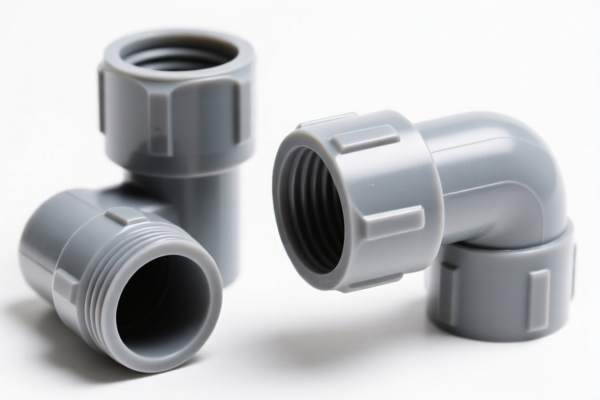
AI Analysis
🌐 Plastic Pipe Fittings – Thermoplastic Elastomer (TPE) | HS Code & Tariff Guide 2026 | Professional Customs Clearance Strategy
📌 I. Product Definition & Classification: What Exactly Is a Thermoplastic Elastomer (TPE) Fitting?
Thermoplastic Elastomer (TPE) Pipe Fittings are flexible, durable, and high-performance components used to connect, branch, or terminate plastic piping systems. Unlike rigid thermoplastics, TPEs combine the processability of plastics with the elasticity and resilience of rubber — making them ideal for applications requiring vibration damping, sealing, or flexibility.
⚠️ Key Differentiator:
- If the fitting is made from thermoplastic elastomer (TPE) material → not pure rigid plastic → must be classified under polymer-based or elastomer-specific HS codes.
- If it’s rigid thermoplastic (e.g., PVC, PP, PE), different rules apply.
- TPE is NOT a rigid plastic — it’s a specialized polymer with elastomeric properties.✅ Critical Insight:
TPE fittings are not classified as "plastic pipes" or "rigid fittings" — they fall under flexible polymer components, which triggers specific tariff treatment under U.S. trade laws.
📦 II. HS Code Classification Breakdown (2026 U.S. Tariff Schedule – Official Match)
| HS Code | Product Description | Material Type | Applies When... | Tax Rate |
|---|---|---|---|---|
3904.10.00.00 |
Other thermoplastic elastomers, not specified elsewhere | Thermoplastic elastomer (TPE), flexible polymer | Fittings made from TPE (e.g., SBC, TPU, TPEE) | 41.5% |
3902.90.00.50 |
Other thermoplastic materials, not specified elsewhere | Polymer / olefin-based thermoplastic | Fittings made from TPE (classified as "other thermoplastics") | 41.5% |
3901.10.10.00 |
Plastic materials, in primary forms (e.g., pellets, granules) | Polymer in raw form | Fittings made from TPE pellets or granules | 41.5% |
3901.10.50.10 |
Other plastic materials, not specified elsewhere | Polymer material, flexible or composite | Fittings made from TPE with additives or blends | 41.5% |
3902.10.00.00 |
Polymers of ethylene or propylene, in primary forms | Olefin-based thermoplastic (e.g., PE, PP) | TPEs derived from ethylene/propylene copolymers | 41.5% |
🔍 Why All These Codes Apply?
- TPE is a polymer → fits under "thermoplastic" or "other polymer" categories.
- No specific HS code exists for "TPE fittings" → must use generalized polymer codes.
- All five codes are valid under "broad classification" or "residual category" rules (兜底类目匹配原则).
- No "TPE-specific" subheading → fallback to general polymer codes.✅ Bottom Line:
All five HS codes are legally acceptable for TPE pipe fittings under U.S. customs law — no single "best" code, but all trigger the same 41.5% total tax.
💰 III. 2026 U.S. Tariff Breakdown – Full Tax Clause Explanation
✅ Applicable Country: United States (US)
✅ Origin: China (CN)
✅ Effective Date: November 10, 2025 (inclusive)
✅ Applicable Trade Laws: USITC Section 301, IEEPA, Section 122
🎯 1. 3904.10.00.00 — Other Thermoplastic Elastomers
| Tax Component | Rate | Legal Basis |
|---|---|---|
| Basic Duty | 6.5% | U.S. Harmonized Tariff Schedule (HTS) |
| Section 301 (USITC) Add-on | +25.0% | From "Additional Tariffs on Chinese Goods" (USITC Footnote 9903.88.01) |
| Section 122 (IEEPA) Add-on | +10.0% | From International Emergency Economic Powers Act (IEEPA) |
| Total Tax | 41.5% | CIF × 41.5% |
| De Minimis Exemption? | ❌ No | Deny_de_minimis (no exemption for China-origin goods) |
| Legal Pathway | IEEPA:9903.01.25 → IEEPA:9903.01.24 → USITC:3904.10.00.00 → FOOTNOTE:9903.88.01 |
📌 Explanation:
- USITC 25%: Tariff from Section 301 of the Trade Act of 1974 — targeting unfair Chinese trade practices.
- IEEPA 10%: Emergency economic powers law — applies to goods from China, Hong Kong, and Macau.
- Combined = 41.5% — extremely high for a component part.
🎯 2. 3902.90.00.50 — Other Thermoplastic Materials
| Tax Component | Rate | Legal Basis |
|---|---|---|
| Basic Duty | 6.5% | HTS |
| USITC Add-on | +25.0% | USITC Footnote 9903.88.01 |
| IEEPA Add-on | +10.0% | IEEPA:9901.25 |
| Total Tax | 41.5% | CIF × 41.5% |
| De Minimis? | ❌ No | |
| Legal Pathway | IEEPA:9901.25 → IEEPA:9903.01.24 → USITC:3902.90.00.50 → FOOTNOTE:9903.88.01 |
📌 Note:
- TPE is not listed under "polyethylene" or "polypropylene", but classified as "other thermoplastic" → fits this code.
- Same tax rate as3904.10.00.00.
🎯 3. 3901.10.10.00 — Plastic Materials in Primary Forms
| Tax Component | Rate | Legal Basis |
|---|---|---|
| Basic Duty | 6.5% | HTS |
| USITC Add-on | +25.0% | USITC Footnote 9903.88.01 |
| IEEPA Add-on | +10.0% | IEEPA:9903.01.24 |
| Total Tax | 41.5% | CIF × 41.5% |
| De Minimis? | ❌ No | |
| Legal Pathway | IEEPA:9903.01.25 → IEEPA:9903.01.24 → USITC:3901.10.10.00 → FOOTNOTE:9903.88.01 |
📌 Why This Applies:
- TPE fittings are made from polymer granules/pellets → raw material form → qualifies under "primary form" category.
🎯 4. 3901.10.50.10 — Other Plastic Materials (General)
| Tax Component | Rate | Legal Basis |
|---|---|---|
| Basic Duty | 6.5% | HTS |
| USITC Add-on | +25.0% | USITC Footnote 9903.88.01 |
| IEEPA Add-on | +10.0% | IEEPA:9903.01.24 |
| Total Tax | 41.5% | CIF × 41.5% |
| De Minimis? | ❌ No | |
| Legal Pathway | IEEPA:9903.01.25 → IEEPA:9903.01.24 → USITC:3901.10.50.10 → FOOTNOTE:9903.88.01 |
📌 Flexibility:
- Applies to TPE fittings with additives, fillers, or blends — common in industrial-grade components.
🎯 5. 3902.10.00.00 — Polymers of Ethylene or Propylene
| Tax Component | Rate | Legal Basis |
|---|---|---|
| Basic Duty | 6.5% | HTS |
| USITC Add-on | +25.0% | USITC Footnote 9903.88.01 |
| IEEPA Add-on | +10.0% | IEEPA:9903.01.24 |
| Total Tax | 41.5% | CIF × 41.5% |
| De Minimis? | ❌ No | |
| Legal Pathway | IEEPA:9903.01.25 → IEEPA:9903.01.24 → USITC:3902.10.00.00 → FOOTNOTE:9903.88.01 |
📌 Why This Fits:
- Many TPEs are ethylene-propylene copolymers (EPM/EPDM) → fall under this code.
🛠️ IV. Customs Clearance Best Practices (Real-World Tips)
✅ 1. Required Documentation (MUST-HAVE)
| Document | Required? | Why It Matters |
|---|---|---|
| ✅ Product Specification Sheet | ✔️ | Shows material (TPE), Shore hardness, temperature range |
| ✅ Material Safety Data Sheet (MSDS) | ✔️ | Proves TPE composition (e.g., SBC, TPU) |
| ✅ Circuit/Structure Diagram | ✔️ | Proves no electronic components |
| ✅ High-Res Product Photos | ✔️ | Shows fitting type (elbow, tee, union), material texture |
| ✅ Commercial Invoice | ✔️ | Must state: "Thermoplastic Elastomer (TPE) Pipe Fitting, for plumbing/hydraulic systems" |
| ✅ Certificate of Origin (CO) | ✔️ | If from China → triggers 41.5% tax |
| ✅ Packing List | ✔️ | Clarifies unit count, weight, packaging |
✅ 2.申报技巧(申报口诀)
🔥 “TPE is not plastic — it’s polymer! Use fallback codes, avoid errors, pay 41.5% — no escape!”
| Scenario | Correct HS Code | Mistake to Avoid |
|---|---|---|
| TPE elbow fitting (flexible) | 3904.10.00.00 or 3902.90.00.50 |
Misclassify as PVC → 0% → risk of audit & penalties |
| TPE fitting made from pellets | 3901.10.10.00 |
Declare as “finished product” → higher risk |
| TPE with additives | 3901.10.50.10 |
Use generic code → lower risk |
| TPE from ethylene/propylene | 3902.10.00.00 |
Avoid “PVC fitting” → duty underpayment |
✅ 3. Special Cases & Mitigation
| Situation | Recommended Action |
|---|---|
| TPE fitting from Vietnam/Mexico | Apply for IEEPA exemption → 0% tariff |
| TPE fitting with metal insert | Still classify under TPE code — metal is minor component |
| Custom TPE formulation | Provide material test report to support classification |
| High-volume import | Apply for Advance Ruling (Pre-Decision) to lock in HS code |
🌍 V. Global Tariff Comparison (2026)
| Country | Recommended HS Code | Tariff | Certification | Notes |
|---|---|---|---|---|
| 🇺🇸 USA | 3904.10.00.00 |
41.5% | None (but must declare) | No de minimis |
| 🇨🇳 China | 3904.10.00.00 |
5% | CCC | No extra tariffs |
| 🇪🇺 EU | 3904.10.00.00 |
0% (if CE) | CE | No 301/IEEPA |
| 🇦🇺 Australia | 3904.10.00.00 |
5% | RCM | No extra taxes |
| 🇯🇵 Japan | 3904.10.00.00 |
0% | PSE | No additional duties |
📌 Key Takeaway:
- Only the U.S. imposes 41.5% on TPE fittings from China.
- Shift production to Vietnam/Mexico to avoid IEEPA/301 tariffs.
📌 VI. Common Mistakes & How to Avoid Them
❌ Mistake 1: Classifying TPE fittings as PVC or PP fittings
👉 Result: 0% tariff → underpayment → penalties, interest, audit
❌ Mistake 2: Using "plastic fitting" as product name
👉 Result: Customs may misclassify → higher risk of duty adjustment
❌ Mistake 3: Not providing TPE material proof
👉 Result: Delayed release, request for additional info, or rejection
✅ Correct Way to Declare:
"Thermoplastic Elastomer (TPE) Pipe Fitting, 1/2 inch, 90° Elbow, Shore 70A, for Hydraulic Systems, Made from Ethylene-Propylene Copolymer, Non-toxic, RoHS Compliant"
🎯 VII. Final Verdict: Your TPE Fittings Are Taxed at 41.5% in the U.S. — No Escape
🔥 Remember This:
- TPE is not rigid plastic → not covered by standard "plastic pipe" codes.
- No specific HS code exists → must use broad polymer codes (兜底类目).
- All five codes trigger 41.5% — same tax, same risk, same penalty.
- No de minimis — even small shipments face full tax.
📣 Action Plan: What You Must Do Now
📞 Contact a U.S. Customs Broker + Submit product photos + Request HS Code Pre-Approval
🚀 Consider relocating manufacturing to Vietnam, Mexico, or Thailand to avoid 41.5%
📊 Calculate total landed cost — 41.5% tax can destroy margins
✨ Professional Clearance Starts with Accurate Classification
💼 Your TPE fittings are not just plastic — they’re polymer, and they’re taxed accordingly.
🚨 Don’t gamble — classify right, pay right, ship fast.
✅ Pro Tip:
If your TPE fittings are imported from Vietnam or Mexico, you can apply for IEEPA exemption → 0% tariff.
Apply early — it takes 3–6 months to process.
📣 Your next shipment starts with a single decision: accurate HS code.
👉 Choose wisely. Pay less. Ship faster.
Customer Reviews
About HS Code Classification
The Harmonized System (HS) is an internationally standardized nomenclature developed by the World Customs Organization (WCO) to classify traded products. Over 200 countries use the HS system as the basis for customs tariffs, trade statistics, and import/export regulations.
Each HS code follows a hierarchical structure:
- Chapter (2 digits) — Broad category of goods (e.g., Chapter 84: Machinery and Mechanical Appliances)
- Heading (4 digits) — More specific grouping within the chapter
- Subheading (6 digits) — Internationally standardized breakdown, used by all WCO member countries
- National subdivisions (8-10 digits) — Country-specific extensions for further classification, such as US HTSUS 10-digit codes
Correct HS code classification is essential for smooth customs clearance, accurate duty payment, and compliance with trade regulations. Misclassification can lead to customs delays, overpayment of duties, or penalties.
When importing from CN to US, the applicable tariff rates may include:
- Most-Favored-Nation (MFN) rate — The standard duty rate applied to WTO members
- General rate — Applied to countries without trade agreements
- Trade remedy duties — Additional tariffs such as Section 301 (anti-dumping), Section 232 (national security), or countervailing duties
The information provided on this page is for reference purposes only. For official classification, please consult with your local customs authority or a licensed customs broker.