Plastic Placemats
CN → US| HS编码 | 关税税率 | 原产国 | 目的国 | 文档 |
|---|---|---|---|---|
| 3924901050 | 13.3% | CN | US | 官方文档 |
| 3924104000 | 13.4% | CN | US | 官方文档 |
| 3924103000 | 22.8% | CN | US | 官方文档 |
| 3924102000 | 24.0% | CN | US | 官方文档 |
| 3926901000 | 20.9% | CN | US | 官方文档 |
商品图片
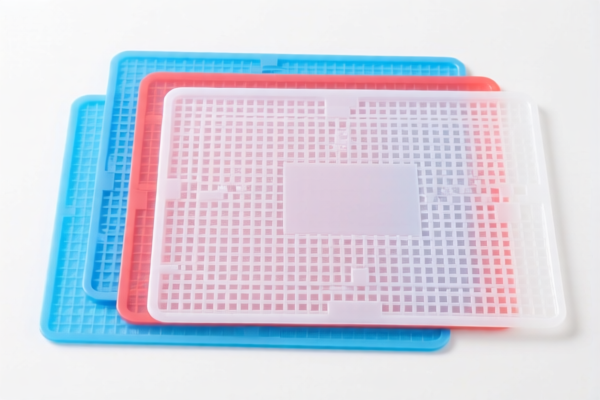
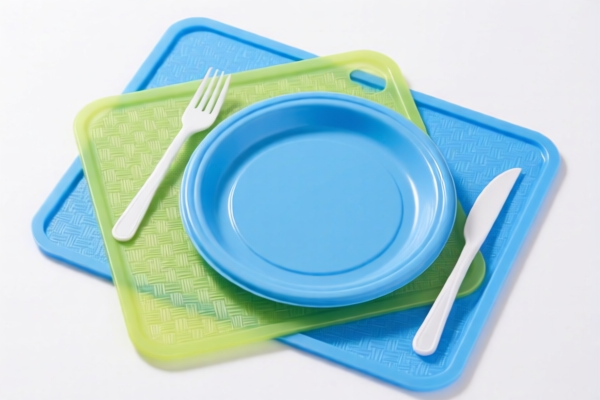
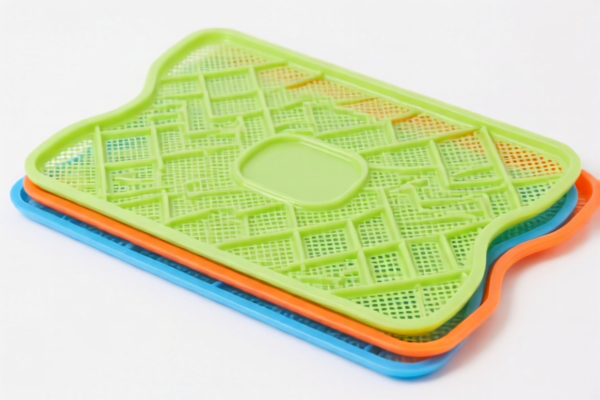
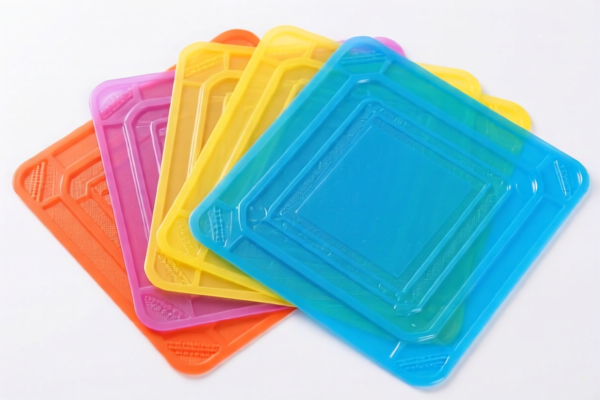
AI分析
🍽️ Plastic Placemats (Silicone & Plastic Table Mats)
🌐 HS Code Reference & Customs Clearance Guide | 2026 Latest Tariff Analysis | Professional Entry Strategy
📌 I. Product Definition & Classification: Do You Really Know Your "Placemat"?
In international trade, "Plastic Placemats" are a tricky category because they straddle the line between household articles, tableware, and other plastic制品. The critical distinction lies in the material composition and specific usage form.
Silicone Placemats: Often treated as flexible plastic articles or specific household items, sometimes benefiting from lower base duties if classified correctly.
Rigid/Standard Plastic Placemats & Trays: Typically classified under strict tableware or general plastic article headings, subject to higher base tariffs and Section 301/122 surcharges.
⚠️ Key Distinction Point:
- If the material is strictly Silicone and shaped as a Mat (flexible, non-rigid), it may fall under 3924.90.10.50 (Lower Duty).
- If the material is Plastic and viewed as Tableware/Household Item, it falls under 3924.10.40.00.
- If it is a Rigid Plate/Tray, it is strictly classified under 3924.10 series (Higher Duty).
📦 II. HS Code Classification Details (2026 Latest Tariff Authoritative Comparison)
| HS Code | Product Description | Application Scenario | Material/Type |
|---|---|---|---|
3924.90.10.50 |
Silicone Placemat | Kitchen/Home use, flexible mat form | Silicone |
3924.10.40.00 |
Plastic Placemat / Tableware | Tableware/Home goods, Plastic viewed as general plastic article | Plastic |
3924.10.30.00 |
Plastic Plate/Tray | Tableware, Rigid tray/plate form | Plastic |
3924.10.20.00 |
Plastic Plate | Tableware, Specific plate form | Plastic |
3926.90.10.00 |
Other Plastic Articles (Plate) | General plastic plate not fitting other tableware categories | Plastic |
🔍 Key Reminder:
- Silicone items have a distinct subheading (3924.90) compared to general Plastic tableware (3924.10).
- Form matters: "Mat" (flexible) vs. "Plate/Tray" (rigid) can influence classification within3924.10.
- Misclassification Risk: Declaring a rigid plastic plate as a "mat" or vice versa can lead to duty discrepancies and customs delays.
💰 III. 2026 Latest Tariff Rate Breakdown (Including Surcharges & Policy Add-ons)
✅ Applicable Country: USA (US)
✅ Country of Origin: China (CN)
✅ Effective Time: Current regulations including Section 122 and Section 301/201 tariffs.
🎯 1. 3924.90.10.50 —— Silicone Placemat
| Item | Content |
|---|---|
| Base Tariff | 3.3% |
| Additional Tariff (Section 301/122) | 10% |
| Total Tariff Rate | 13.3% |
| Tax Calculation | CIF Value × 13.3% |
| De Minimis Exemption | ❌ Not Applicable (Generally, Section 301/122 surcharges apply regardless of de minimis status for China-origin goods in many contexts, but specifically check current CBP guidance for small parcels; typically, these surcharges are not exempted for Section 301 items). |
| Legal Basis Path | HTSUS:3924.90.10.50 → USITC:301/122 Surcharge |
📌 Explanation:
- 3.3% is the standard Most Favored Nation (MFN) rate for other plastic household articles.
- 10% is the Section 122/301 additional duty on certain plastic articles from China.
- This is the lowest duty option for silicone placemats.
🎯 2. 3924.10.40.00 —— Plastic Placemat / Tableware
| Item | Content |
|---|---|
| Base Tariff | 3.4% |
| Additional Tariff (Section 301/122) | 10% |
| Total Tariff Rate | 13.4% |
| Tax Calculation | CIF Value × 13.4% |
| De Minimis Exemption | ❌ Not Applicable |
| Legal Basis Path | HTSUS:3924.10.40.00 → USITC:301/122 Surcharge |
📌 Explanation:
- Classified under "Tableware, kitchenware... of plastic".
- Base rate is slightly higher than silicone (3.4%vs3.3%).
- Same 10% surcharge applies.
🎯 3. 3924.10.30.00 —— Plastic Plate/Tray
| Item | Content |
|---|---|
| Base Tariff | 5.3% |
| Additional Tariff (Section 301/122) | 7.5% |
| Section 122/301 Surcharge | +10% (Note: The data lists "Add-on 7.5% + 122 10%", totaling 17.5% in additions) |
| Total Tariff Rate | 22.8% |
| Tax Calculation | CIF Value × 22.8% |
| De Minimis Exemption | ❌ Not Applicable |
| Legal Basis Path | HTSUS:3924.10.30.00 → USITC:301/122 Surcharge |
📌 Explanation:
- Higher base duty due to specific classification as "Plates/Trays".
- Total additions: 17.5% (7.5% Section 301 + 10% Section 122).
- Significantly more expensive than placemats.
🎯 4. 3924.10.20.00 —— Plastic Plate
| Item | Content |
|---|---|
| Base Tariff | 6.5% |
| Additional Tariff (Section 301/122) | 7.5% |
| Section 122/301 Surcharge | +10% |
| Total Tariff Rate | 24.0% |
| Tax Calculation | CIF Value × 24.0% |
| De Minimis Exemption | ❌ Not Applicable |
| Legal Basis Path | HTSUS:3924.10.20.00 → USITC:301/122 Surcharge |
📌 Explanation:
- Highest base rate in this set.
- Total additions: 17.5%.
- Use only if the item is strictly a "Plate" and cannot be argued as a "Tray" or "Other".
🎯 5. 3926.90.10.00 —— Other Plastic Articles (Plate)
| Item | Content |
|---|---|
| Base Tariff | 3.4% |
| Additional Tariff (Section 301/122) | 7.5% |
| Section 122/301 Surcharge | +10% |
| Total Tariff Rate | 20.9% |
| Tax Calculation | CIF Value × 20.9% |
| De Minimis Exemption | ❌ Not Applicable |
| Legal Basis Path | HTSUS:3926.90.10.00 → USITC:301/122 Surcharge |
📌 Explanation:
- Classified as "Other plastic articles".
- Base rate is low (3.4%), but additions are high (17.5%).
- Often a fallback if the item doesn't fit neatly into "Tableware" (3924.10), but still subject to high surcharges.
🛠️ IV. Customs Clearance Practical Advice (Battle-Tested Pitfall Guide)
✅ 1. Preparation Checklist (All Required)
| Document | Must Provide | Description |
|---|---|---|
| ✅ Product Specification | ✔️ | Material (Silicone vs. Plastic), Dimensions, Thickness |
| ✅ Product Photos | ✔️ | Clear images showing shape (Mat vs. Plate), texture, and usage |
| ✅ Material Declaration | ✔️ | Explicitly state "100% Silicone" or "Plastic Type" (e.g., PP, PE) |
| ✅ Commercial Invoice | ✔️ | Accurate description: "Silicone Placemat" NOT "Plastic Plate" |
| ✅ Packing List | ✔️ | Weight, Volume, Number of pieces |
| ✅ Certificate of Origin | ✔️ | If applicable for any potential future exemptions |
✅ 2. Classification Strategy (Key Mnemonics)
🔥 "Silicone is Mat, Plastic is Tableware, Rigid is Plate, Watch the 10% + 7.5%!"
| Situation | Correct Classification | Wrong Approach |
|---|---|---|
| Silicone Mat (Flexible) | 3924.90.10.50 |
Misclassifying as 3924.10 → Higher Base Duty |
| Plastic Placemat (Flexible) | 3924.10.40.00 |
Misclassifying as 3926.90 → Higher Add-ons |
| Rigid Plastic Plate | 3924.10.20.00 or 3924.10.30.00 |
Declaring as "Placemat" → Risk of Duty Evasion Penalties |
| Non-Tableware Plastic Item | 3926.90.10.00 |
Incorrectly claiming Tableware status |
📌 Note on Add-ons:
-3924.10items face 7.5% + 10% = 17.5% in surcharges.
-3924.90items face 10% in surcharges.
- Difference is critical: Choosing3924.90.10.50for silicone saves 4.2% in total duty compared to plastic tableware classifications.
✅ 3. Special Considerations
| Situation | Handling Advice |
|---|---|
| Mixed Materials | If placemat has plastic insert + silicone coating, classify based on essential character or the primary material. Silicone usually dominates for flexibility. |
| Set with Cutlery | If sold as a "Place Setting" (Mat + Fork + Spoon), the whole set may be classified under the tableware heading (3924.10), increasing duty. |
| Labeling | Ensure labels say "Silicone" if it is. Mislabeling "Plastic" for silicone can lead to accusations of fraud. |
| De Minimis | Even for small packages, Section 301/122 duties often do not apply the de minimis exemption for Chinese-origin goods. Plan accordingly. |
🌍 V. Global Market Comparison (2026 Latest)
| Country/Region | Recommended HS Code | Tariff (China Origin) | Certification | Remarks |
|---|---|---|---|---|
| 🇺🇸 USA | 3924.90.10.50 (Silicone) |
13.3% | FDA / LFGB | Silicone benefits from lower base duty. |
| 🇺🇸 USA | 3924.10.40.00 (Plastic) |
13.4% | FDA | Similar rate, but higher risk if misclassified. |
| 🇪🇺 EU | 3924.00 |
0% - 4% | LFGB / EU 10/2011 | Lower base duties, no Section 122. |
| 🇨🇳 China | 3924.00 |
0% - 8% | GB Standards | Import duties vary by specific subtype. |
| 🇬🇧 UK | 3924.00 |
0% - 4% | UKCA / LFGB | Post-Brexit rules apply, similar to EU. |
📌 Conclusion:
- USA is the highest cost market due to Section 301/122 surcharges.
- Silicone (3924.90) is the optimal HS Code for placemats entering the US, saving ~4.2% compared to plastic tableware classifications.
- EU/UK are much more favorable with 0-4% base rates and no US-style add-ons.
📌 VI. Common Errors & Pitfall Guide (Lessons Learned)
❌ Error 1: Declaring a Silicone Mat as Plastic Plate (3924.10.20.00)
👉 Consequence: Pay 24.0% instead of 13.3%. Overpayment of 10.7% per unit.
❌ Error 2: Declaring a Plastic Placemat as Silicone (3924.90.10.50)
👉 Consequence: Customs audit reveals material mismatch. Penalties, fines, and potential seizure.
❌ Error 3: Using generic term "Table Mat" without material specification
👉 Consequence: CBP may apply the worst-case scenario (highest duty) or detain shipment for clarification.
✅ Correct Practice:
"Silicone Placemat, Food Grade, Heat Resistant, 12x18 Inch, Set of 4, Model XYZ"
🎯 VII. Conclusion: Precision Classification Saves Money!
🎯 Remember the Mnemonic:
🔹 "Silicone is Mat, Plastic is Tableware, Rigid is Plate, Watch the 10% + 7.5%!"
🔹 "HS Code is Life, Duty Difference is Key, Wrong Code Means Overpayment!"
📌 Pro Tip:
If your product is 100% Silicone, always aim for 3924.90.10.50. It has the lowest base duty (3.3%) and only 10% surcharge, totaling 13.3%.
Avoid 3924.10 series for silicone items, as they are correctly classified elsewhere and misclassification can lead to penalties.
📣 Immediate Action:
📞 Consult with a customs broker to verify material composition.
📄 Provide clear product photos and material certificates.
🚀 Apply for an Advance Ruling if importing large volumes to ensure classification certainty.
✨ Professional Clearance Starts with Accurate Classification!
💼 Every Dollar Saved in Duty is Pure Profit!
用户评价
关于 HS 编码归类
协调制度(HS)是由世界海关组织(WCO)制定的国际贸易商品分类标准。全球 200 多个国家采用 HS 系统作为海关关税、贸易统计和进出口监管的基础。
每个 HS 编码遵循以下层级结构:
- 章(2 位)——商品大类(例如:第 84 章:机器和机械设备)
- 品目(4 位)——章内的更具体分类
- 子目(6 位)——国际通用细分,所有 WCO 成员国统一使用
- 本国细分(8-10 位)——各国自行扩展的细分编码,如美国 HTSUS 10 位编码
正确的 HS 编码归类对于顺利通关、准确缴纳关税和遵守贸易法规至关重要。错误归类可能导致海关延误、多缴关税或罚款。
从CN进口到US时,适用的关税税率可能包括:
- 最惠国(MFN)税率——适用于 WTO 成员国的标准关税税率
- 普通税率——适用于无贸易协定国家
- 贸易救济关税——附加关税,如 301 条款(反倾销)、232 条款(国家安全)或反补贴税
本页内容仅供参考。如需正式归类,请咨询当地海关或持牌报关代理。