Plastic Placemats
CN → US| HS Code | Tariff Rate | Origin | Destination | Doc |
|---|---|---|---|---|
| 3924901050 | 13.3% | CN | US | Official Doc |
| 3924104000 | 13.4% | CN | US | Official Doc |
| 3924103000 | 22.8% | CN | US | Official Doc |
| 3924102000 | 24.0% | CN | US | Official Doc |
| 3926901000 | 20.9% | CN | US | Official Doc |
Product Images
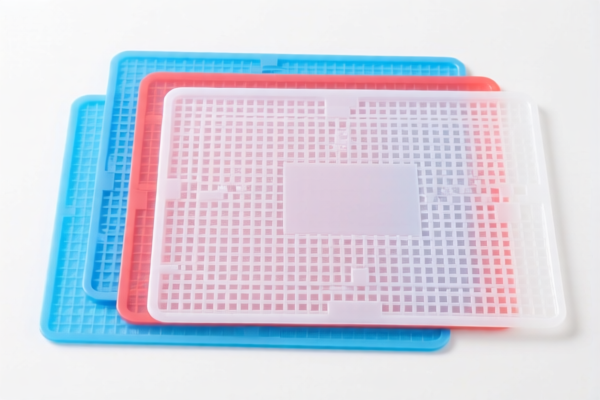
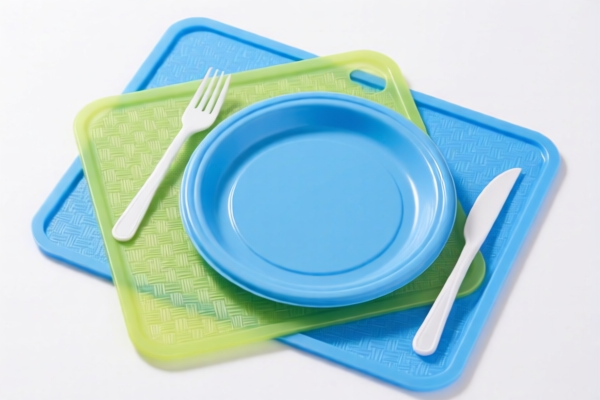
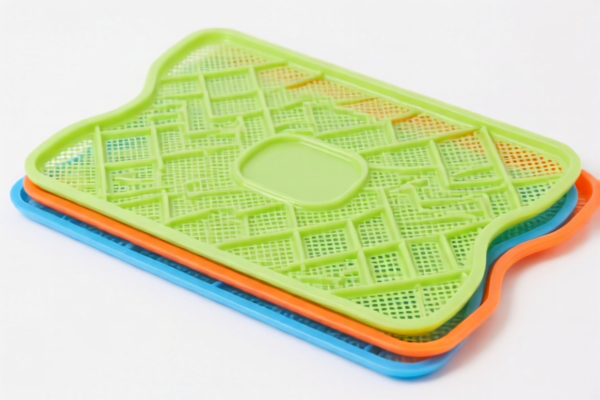
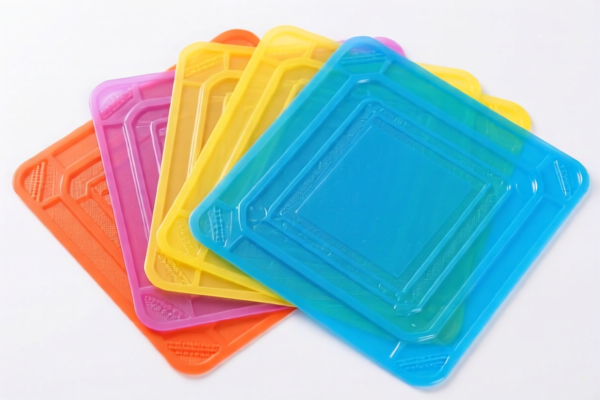
AI Analysis
🍽️ Plastic Placemats (Silicone & Plastic Table Mats)
🌐 HS Code Reference & Customs Clearance Guide | 2026 Latest Tariff Analysis | Professional Entry Strategy
📌 I. Product Definition & Classification: Do You Really Know Your "Placemat"?
In international trade, "Plastic Placemats" are a tricky category because they straddle the line between household articles, tableware, and other plastic制品. The critical distinction lies in the material composition and specific usage form.
Silicone Placemats: Often treated as flexible plastic articles or specific household items, sometimes benefiting from lower base duties if classified correctly.
Rigid/Standard Plastic Placemats & Trays: Typically classified under strict tableware or general plastic article headings, subject to higher base tariffs and Section 301/122 surcharges.
⚠️ Key Distinction Point:
- If the material is strictly Silicone and shaped as a Mat (flexible, non-rigid), it may fall under 3924.90.10.50 (Lower Duty).
- If the material is Plastic and viewed as Tableware/Household Item, it falls under 3924.10.40.00.
- If it is a Rigid Plate/Tray, it is strictly classified under 3924.10 series (Higher Duty).
📦 II. HS Code Classification Details (2026 Latest Tariff Authoritative Comparison)
| HS Code | Product Description | Application Scenario | Material/Type |
|---|---|---|---|
3924.90.10.50 |
Silicone Placemat | Kitchen/Home use, flexible mat form | Silicone |
3924.10.40.00 |
Plastic Placemat / Tableware | Tableware/Home goods, Plastic viewed as general plastic article | Plastic |
3924.10.30.00 |
Plastic Plate/Tray | Tableware, Rigid tray/plate form | Plastic |
3924.10.20.00 |
Plastic Plate | Tableware, Specific plate form | Plastic |
3926.90.10.00 |
Other Plastic Articles (Plate) | General plastic plate not fitting other tableware categories | Plastic |
🔍 Key Reminder:
- Silicone items have a distinct subheading (3924.90) compared to general Plastic tableware (3924.10).
- Form matters: "Mat" (flexible) vs. "Plate/Tray" (rigid) can influence classification within3924.10.
- Misclassification Risk: Declaring a rigid plastic plate as a "mat" or vice versa can lead to duty discrepancies and customs delays.
💰 III. 2026 Latest Tariff Rate Breakdown (Including Surcharges & Policy Add-ons)
✅ Applicable Country: USA (US)
✅ Country of Origin: China (CN)
✅ Effective Time: Current regulations including Section 122 and Section 301/201 tariffs.
🎯 1. 3924.90.10.50 —— Silicone Placemat
| Item | Content |
|---|---|
| Base Tariff | 3.3% |
| Additional Tariff (Section 301/122) | 10% |
| Total Tariff Rate | 13.3% |
| Tax Calculation | CIF Value × 13.3% |
| De Minimis Exemption | ❌ Not Applicable (Generally, Section 301/122 surcharges apply regardless of de minimis status for China-origin goods in many contexts, but specifically check current CBP guidance for small parcels; typically, these surcharges are not exempted for Section 301 items). |
| Legal Basis Path | HTSUS:3924.90.10.50 → USITC:301/122 Surcharge |
📌 Explanation:
- 3.3% is the standard Most Favored Nation (MFN) rate for other plastic household articles.
- 10% is the Section 122/301 additional duty on certain plastic articles from China.
- This is the lowest duty option for silicone placemats.
🎯 2. 3924.10.40.00 —— Plastic Placemat / Tableware
| Item | Content |
|---|---|
| Base Tariff | 3.4% |
| Additional Tariff (Section 301/122) | 10% |
| Total Tariff Rate | 13.4% |
| Tax Calculation | CIF Value × 13.4% |
| De Minimis Exemption | ❌ Not Applicable |
| Legal Basis Path | HTSUS:3924.10.40.00 → USITC:301/122 Surcharge |
📌 Explanation:
- Classified under "Tableware, kitchenware... of plastic".
- Base rate is slightly higher than silicone (3.4%vs3.3%).
- Same 10% surcharge applies.
🎯 3. 3924.10.30.00 —— Plastic Plate/Tray
| Item | Content |
|---|---|
| Base Tariff | 5.3% |
| Additional Tariff (Section 301/122) | 7.5% |
| Section 122/301 Surcharge | +10% (Note: The data lists "Add-on 7.5% + 122 10%", totaling 17.5% in additions) |
| Total Tariff Rate | 22.8% |
| Tax Calculation | CIF Value × 22.8% |
| De Minimis Exemption | ❌ Not Applicable |
| Legal Basis Path | HTSUS:3924.10.30.00 → USITC:301/122 Surcharge |
📌 Explanation:
- Higher base duty due to specific classification as "Plates/Trays".
- Total additions: 17.5% (7.5% Section 301 + 10% Section 122).
- Significantly more expensive than placemats.
🎯 4. 3924.10.20.00 —— Plastic Plate
| Item | Content |
|---|---|
| Base Tariff | 6.5% |
| Additional Tariff (Section 301/122) | 7.5% |
| Section 122/301 Surcharge | +10% |
| Total Tariff Rate | 24.0% |
| Tax Calculation | CIF Value × 24.0% |
| De Minimis Exemption | ❌ Not Applicable |
| Legal Basis Path | HTSUS:3924.10.20.00 → USITC:301/122 Surcharge |
📌 Explanation:
- Highest base rate in this set.
- Total additions: 17.5%.
- Use only if the item is strictly a "Plate" and cannot be argued as a "Tray" or "Other".
🎯 5. 3926.90.10.00 —— Other Plastic Articles (Plate)
| Item | Content |
|---|---|
| Base Tariff | 3.4% |
| Additional Tariff (Section 301/122) | 7.5% |
| Section 122/301 Surcharge | +10% |
| Total Tariff Rate | 20.9% |
| Tax Calculation | CIF Value × 20.9% |
| De Minimis Exemption | ❌ Not Applicable |
| Legal Basis Path | HTSUS:3926.90.10.00 → USITC:301/122 Surcharge |
📌 Explanation:
- Classified as "Other plastic articles".
- Base rate is low (3.4%), but additions are high (17.5%).
- Often a fallback if the item doesn't fit neatly into "Tableware" (3924.10), but still subject to high surcharges.
🛠️ IV. Customs Clearance Practical Advice (Battle-Tested Pitfall Guide)
✅ 1. Preparation Checklist (All Required)
| Document | Must Provide | Description |
|---|---|---|
| ✅ Product Specification | ✔️ | Material (Silicone vs. Plastic), Dimensions, Thickness |
| ✅ Product Photos | ✔️ | Clear images showing shape (Mat vs. Plate), texture, and usage |
| ✅ Material Declaration | ✔️ | Explicitly state "100% Silicone" or "Plastic Type" (e.g., PP, PE) |
| ✅ Commercial Invoice | ✔️ | Accurate description: "Silicone Placemat" NOT "Plastic Plate" |
| ✅ Packing List | ✔️ | Weight, Volume, Number of pieces |
| ✅ Certificate of Origin | ✔️ | If applicable for any potential future exemptions |
✅ 2. Classification Strategy (Key Mnemonics)
🔥 "Silicone is Mat, Plastic is Tableware, Rigid is Plate, Watch the 10% + 7.5%!"
| Situation | Correct Classification | Wrong Approach |
|---|---|---|
| Silicone Mat (Flexible) | 3924.90.10.50 |
Misclassifying as 3924.10 → Higher Base Duty |
| Plastic Placemat (Flexible) | 3924.10.40.00 |
Misclassifying as 3926.90 → Higher Add-ons |
| Rigid Plastic Plate | 3924.10.20.00 or 3924.10.30.00 |
Declaring as "Placemat" → Risk of Duty Evasion Penalties |
| Non-Tableware Plastic Item | 3926.90.10.00 |
Incorrectly claiming Tableware status |
📌 Note on Add-ons:
-3924.10items face 7.5% + 10% = 17.5% in surcharges.
-3924.90items face 10% in surcharges.
- Difference is critical: Choosing3924.90.10.50for silicone saves 4.2% in total duty compared to plastic tableware classifications.
✅ 3. Special Considerations
| Situation | Handling Advice |
|---|---|
| Mixed Materials | If placemat has plastic insert + silicone coating, classify based on essential character or the primary material. Silicone usually dominates for flexibility. |
| Set with Cutlery | If sold as a "Place Setting" (Mat + Fork + Spoon), the whole set may be classified under the tableware heading (3924.10), increasing duty. |
| Labeling | Ensure labels say "Silicone" if it is. Mislabeling "Plastic" for silicone can lead to accusations of fraud. |
| De Minimis | Even for small packages, Section 301/122 duties often do not apply the de minimis exemption for Chinese-origin goods. Plan accordingly. |
🌍 V. Global Market Comparison (2026 Latest)
| Country/Region | Recommended HS Code | Tariff (China Origin) | Certification | Remarks |
|---|---|---|---|---|
| 🇺🇸 USA | 3924.90.10.50 (Silicone) |
13.3% | FDA / LFGB | Silicone benefits from lower base duty. |
| 🇺🇸 USA | 3924.10.40.00 (Plastic) |
13.4% | FDA | Similar rate, but higher risk if misclassified. |
| 🇪🇺 EU | 3924.00 |
0% - 4% | LFGB / EU 10/2011 | Lower base duties, no Section 122. |
| 🇨🇳 China | 3924.00 |
0% - 8% | GB Standards | Import duties vary by specific subtype. |
| 🇬🇧 UK | 3924.00 |
0% - 4% | UKCA / LFGB | Post-Brexit rules apply, similar to EU. |
📌 Conclusion:
- USA is the highest cost market due to Section 301/122 surcharges.
- Silicone (3924.90) is the optimal HS Code for placemats entering the US, saving ~4.2% compared to plastic tableware classifications.
- EU/UK are much more favorable with 0-4% base rates and no US-style add-ons.
📌 VI. Common Errors & Pitfall Guide (Lessons Learned)
❌ Error 1: Declaring a Silicone Mat as Plastic Plate (3924.10.20.00)
👉 Consequence: Pay 24.0% instead of 13.3%. Overpayment of 10.7% per unit.
❌ Error 2: Declaring a Plastic Placemat as Silicone (3924.90.10.50)
👉 Consequence: Customs audit reveals material mismatch. Penalties, fines, and potential seizure.
❌ Error 3: Using generic term "Table Mat" without material specification
👉 Consequence: CBP may apply the worst-case scenario (highest duty) or detain shipment for clarification.
✅ Correct Practice:
"Silicone Placemat, Food Grade, Heat Resistant, 12x18 Inch, Set of 4, Model XYZ"
🎯 VII. Conclusion: Precision Classification Saves Money!
🎯 Remember the Mnemonic:
🔹 "Silicone is Mat, Plastic is Tableware, Rigid is Plate, Watch the 10% + 7.5%!"
🔹 "HS Code is Life, Duty Difference is Key, Wrong Code Means Overpayment!"
📌 Pro Tip:
If your product is 100% Silicone, always aim for 3924.90.10.50. It has the lowest base duty (3.3%) and only 10% surcharge, totaling 13.3%.
Avoid 3924.10 series for silicone items, as they are correctly classified elsewhere and misclassification can lead to penalties.
📣 Immediate Action:
📞 Consult with a customs broker to verify material composition.
📄 Provide clear product photos and material certificates.
🚀 Apply for an Advance Ruling if importing large volumes to ensure classification certainty.
✨ Professional Clearance Starts with Accurate Classification!
💼 Every Dollar Saved in Duty is Pure Profit!
Customer Reviews
About HS Code Classification
The Harmonized System (HS) is an internationally standardized nomenclature developed by the World Customs Organization (WCO) to classify traded products. Over 200 countries use the HS system as the basis for customs tariffs, trade statistics, and import/export regulations.
Each HS code follows a hierarchical structure:
- Chapter (2 digits) — Broad category of goods (e.g., Chapter 84: Machinery and Mechanical Appliances)
- Heading (4 digits) — More specific grouping within the chapter
- Subheading (6 digits) — Internationally standardized breakdown, used by all WCO member countries
- National subdivisions (8-10 digits) — Country-specific extensions for further classification, such as US HTSUS 10-digit codes
Correct HS code classification is essential for smooth customs clearance, accurate duty payment, and compliance with trade regulations. Misclassification can lead to customs delays, overpayment of duties, or penalties.
When importing from CN to US, the applicable tariff rates may include:
- Most-Favored-Nation (MFN) rate — The standard duty rate applied to WTO members
- General rate — Applied to countries without trade agreements
- Trade remedy duties — Additional tariffs such as Section 301 (anti-dumping), Section 232 (national security), or countervailing duties
The information provided on this page is for reference purposes only. For official classification, please consult with your local customs authority or a licensed customs broker.