Plastic Retro Tablecloth
CN → US| HS编码 | 关税税率 | 原产国 | 目的国 | 文档 |
|---|---|---|---|---|
| 5903102010 | 35.0% | CN | US | 官方文档 |
| 3920100000 | 39.2% | CN | US | 官方文档 |
| 5903102090 | 35.0% | CN | US | 官方文档 |
| 3920200055 | 39.2% | CN | US | 官方文档 |
商品图片
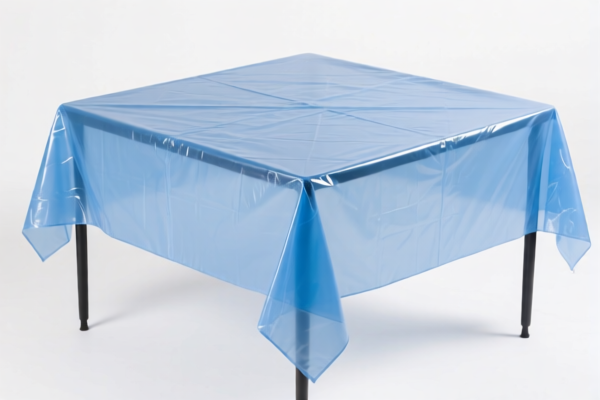
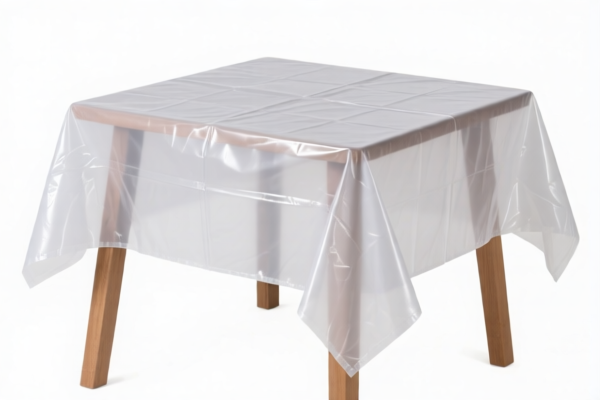
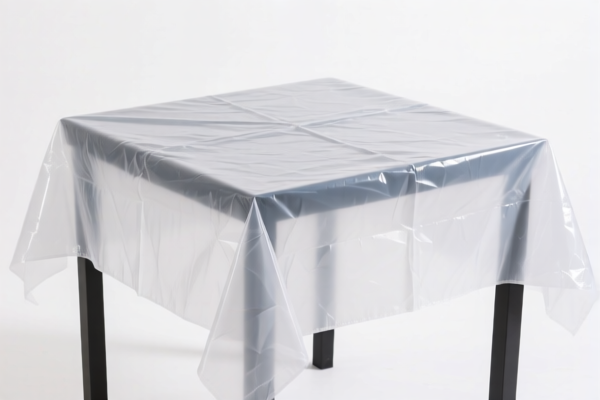
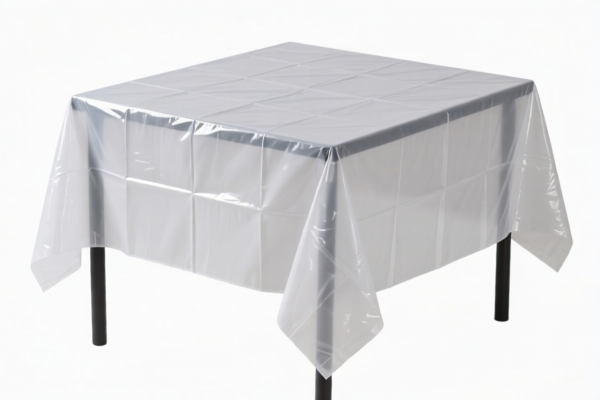
AI分析
🧼 Plastic Retro Tablecloth (Vintage-Style Vinyl/PVC Tablecloths)
🌐 HS Code Reference & Customs Clearance Guide | 2026 Updated Tariff Analysis | Professional Clearance Strategy
📌 I. Product Definition & Classification: What Exactly Is a "Retro Tablecloth"?
In international trade, a "Plastic Retro Tablecloth" is not a single technical entity but a descriptive term. Its customs classification depends entirely on its material structure:
- Textile-Backed Vinyl/PVC: A fabric (cotton, polyester, etc.) impregnated, coated, covered, or laminated with plastics (usually PVC). This is the most common "retro" type due to its durability and texture.
- Key Feature: You can see/feel the fabric weave under the plastic layer.
- Solid Plastic Sheet/Membrane: A flat product made of plastic polymers (like PVC, PP, PE) in the form of sheets, films, or strips, without a fabric backing.
- Key Feature: Pure plastic feel, often thinner, transparent or opaque sheets.
⚠️ Critical Distinction:
- If it has a fabric base + plastic coating → It is a Textile Product (5903...)
- If it is pure plastic sheet/film → It is a Plastic Product (3920...)
Misclassification here leads to massive duty differences due to Section 301 and Section 122 tariffs.
📦 II. HS Code Classification Details (2026 Latest Tariff Schedule)
| HS Code | Product Description | Material/Structure | Applicability |
|---|---|---|---|
5903.10.20.10 |
Plastic Tablecloths: Impregnated/Coated/Laminated Textile Fabrics (Specific Code 1) | Fabric base + Plastic coating (e.g., PVC) | Retro tablecloths with visible fabric texture |
5903.10.20.90 |
Plastic Tablecloths: Impregnated/Coated/Laminated Textile Fabrics (Other/Specific Code 9) | Fabric base + Plastic coating (e.g., PVC, PE) | Other fabric-backed plastic tablecloths not specified in .10 |
3920.10.00.00 |
Plastic Tablecloths: Plastics/Polymers of Ethylene (Sheet/Film/Strip Form) | Pure Plastic (e.g., Polyethylene film) | Thin, pure plastic sheets/films |
3920.20.00.55 |
Plastic Tablecloths: Plastics/Polymers of Propylene (Sheet/Film/Strip Form) | Pure Plastic (e.g., Polypropylene sheet) | Solid plastic sheets/films made of PP |
🔍 Key Reminder:
- "Retro" is a style, not a material. Customs does not care about the "vintage print"; they care about what it is made of.
- If the product is a fabric with a plastic layer, it MUST go under5903.
- If the product is a plastic sheet with no fabric, it MUST go under3920.
💰 III. 2026 Latest Tariff Rate Breakdown (Including Additional Taxes & Policy Surcharges)
✅ Applicable Country: USA (US)
✅ Origin: China (CN)
✅ Effective Date: 2025/2026 Current Rates
🎯 1. 5903.10.20.10 & 5903.10.20.90 — Fabric-Backed Plastic Tablecloths
| Item | Content |
|---|---|
| Basic Duty Rate | 0.0% (Free Trade/No Basic Duty for this category) |
| Section 301 Additional Duty | +25.0% (From USITC Footnote 9903.88.01) |
| Section 122 Duty | +10.0% (Specific surcharge for certain textile/plastic mixes under specific rules) |
| Total Tax Rate | 35.0% |
| Tax Calculation | CIF Value × 35% |
| De Minimis Exemption? | ❌ NOT Allowed (deny_de_minimis) |
| Legal Basis Path | USITC:5903.10.20.x0 → Section 301: 25% + Section 122: 10% |
📌 Explanation:
- These codes fall under "Textiles with Plastic Coating."
- Although the basic tariff is 0%, the Section 301 (25%) and Section 122 (10%) surcharges apply aggressively.
- Total landed cost impact: 35% on top of CIF.
🎯 2. 3920.10.00.00 — Pure Plastic Tablecloths (Polymer of Ethylene)
| Item | Content |
|---|---|
| Basic Duty Rate | 4.2% (Standard MFN Rate) |
| Section 301 Additional Duty | +25.0% (From USITC Footnote 9903.88.01) |
| Section 122 Duty | +10.0% (Specific surcharge applicable to these plastic articles) |
| Total Tax Rate | 39.2% |
| Tax Calculation | CIF Value × 39.2% |
| De Minimis Exemption? | ❌ NOT Allowed (deny_de_minimis) |
| Legal Basis Path | USITC:3920.10.00.00 → Section 301: 25% + Section 122: 10% |
📌 Note:
- Higher basic duty (4.2%) makes this more expensive than the fabric-backed version in terms of base tax.
- Same surcharges apply. Total: 39.2%.
🎯 3. 3920.20.00.55 — Pure Plastic Tablecloths (Polymer of Propylene)
| Item | Content |
|---|---|
| Basic Duty Rate | 4.2% (Standard MFN Rate) |
| Section 301 Additional Duty | +25.0% (From USITC Footnote 9903.88.01) |
| Section 122 Duty | +10.0% (Specific surcharge applicable to these plastic articles) |
| Total Tax Rate | 39.2% |
| Tax Calculation | CIF Value × 39.2% |
| De Minimis Exemption? | ❌ NOT Allowed (deny_de_minimis) |
| Legal Basis Path | USITC:3920.20.00.55 → Section 301: 25% + Section 122: 10% |
📌 Note:
- Similar to3920.10.00.00. If your "retro" tablecloth is a simple PP sheet (common for cheap disposable vintage styles), this is the code.
- Total: 39.2%.
🛠️ IV. Customs Clearance Practical Advice (Avoid Pitfalls Guide)
✅ 1. Document Checklist (All Required)
| Document | Required? | Note |
|---|---|---|
| ✅ Product Spec Sheet | ✔️ | Must explicitly state material composition (e.g., "65% Cotton / 35% PVC"). |
| ✅ Material Composition Proof | ✔️ | Critical to distinguish between 5903 (fabric) and 3920 (pure plastic). |
| ✅ Photos (Front/Back/Cross-Section) | ✔️ | Show fabric weave if applicable. Hidden fabric = misclassification risk. |
| ✅ Commercial Invoice | ✔️ | Use precise description: "PVC-Coated Cotton Tablecloth" vs. "Plastic Sheet Tablecloth". |
| ✅ Packing List | ✔️ | Clear quantity and weight. |
✅ 2. Declaration Tips (Key Mantra)
🔥 "Fabric gets 35%, Plastic gets 39.2%. Declare material, not style!"
| Situation | Correct Declaration | Wrong Practice |
|---|---|---|
| Fabric back + PVC coat | 5903.10.20.10/90 (35%) |
Calling it "Plastic Sheet" → Misclassification Penalty |
| Pure PVC Sheet | 3920.10.00.00 (39.2%) |
Calling it "Textile" → Rejection or Audit |
| "Retro" Style | Use descriptive name only | Using "Retro" as HS code basis |
✅ 3. Special Handling Scenarios
| Scenario | Handling Advice |
|---|---|
| Mixed Materials | If >50% by weight is fabric, lean toward 5903. If >50% plastic, lean toward 3920. Check with customs broker. |
| Laminated vs. Coated | Both 5903 codes cover impregnated, coated, covered, or laminated. Ensure the description matches the manufacturing process. |
| Small Package (De Minimis) | ⚠️ Warning: Neither 5903 nor 3920 tablecloths from China qualify for the $800 de minimis exemption under Section 301/122. All shipments are taxable. |
🌍 V. Global Market Comparison (2026)
| Country/Region | Recommended HS Code | Tariff Rate (China Origin) | Notes |
|---|---|---|---|
| 🇺🇸 USA | 5903.10.20.10 / 3920.10.00.00 |
35.0% / 39.2% | Includes Sec 301 (25%) + Sec 122 (10%) |
| 🇨🇳 China | 5903.10.20.10 |
~10-15% | Export duties may apply depending on exact code |
| 🇪🇺 EU | 5903.10.90 / 3920.10.00 |
6.5% - 12% | No Section 301/122 surcharges |
| 🇬🇧 UK | 5903.10.90 / 3920.10.00 |
6.5% - 12% | Post-Brexit tariffs similar to EU |
📌 Conclusion:
- USA is the most expensive market due to the combination of Basic Tariff + Section 301 + Section 122.
- Fabric-backed (5903) is cheaper (35%) than Pure Plastic (3920at 39.2%) in the US due to the 0% base rate.
- Plan your supply chain and pricing accordingly.
📌 VI. Common Mistakes & Pitfalls (Lessons Learned)
❌ Mistake 1: Using "Tablecloth" alone in the declaration
👉 Result: Customs cannot determine material → Delayed shipment, possible seizure.
👉 Fix: Specify "PVC-Coated Cotton" or "Polyethylene Sheet".
❌ Mistake 2: Assuming "Retro" means lower duty
👉 Result: No tariff benefit for style. You still pay 35-39.2%.
👉 Fix: Focus on material composition for duty optimization.
❌ Mistake 3: Claiming De Minimis ($800 exemption) for small batches
👉 Result: Denied because of Section 301/122 coverage.
👉 Fix: Pay taxes upfront or use a bonded warehouse.
❌ Mistake 4: Confusing 5903 (Textile) with 6307 (Other Textile Articles)
👉 Result: 6307 might have different rates, but plastic-coated items MUST go to 5903.
👉 Fix: Always use 5903 for plastic-coated textiles.
✅ Correct Action:
"PVC-Coated Polyester Tablecloth, Vintage Print, 100x140cm, Made in China."
🎯 VII. Conclusion: Professional Declaration, Lower Costs!
🎯 Remember the Mantra:
🔹 "Fabric Back = 35% | Pure Plastic = 39.2% | Style = 0% Tax Benefit!"
🔹 "Section 301 & 122 are mandatory. No loopholes for China origin!"
📌 Pro Tip:
If you are sourcing from Vietnam, India, or Bangladesh, you might avoid Section 301/122 tariffs entirely. Consider supply chain diversification if shipping to the USA to reduce costs by ~35-39%.
📣 Immediate Action:
📞 Consult a licensed customs broker.
📄 Provide material composition reports.
🚀 Avoid misclassification fines and ensure smooth clearance!
✨ Professional Clearance Starts with Precise Classification!
💼 Every Percent of Duty Counts!
用户评价
关于 HS 编码归类
协调制度(HS)是由世界海关组织(WCO)制定的国际贸易商品分类标准。全球 200 多个国家采用 HS 系统作为海关关税、贸易统计和进出口监管的基础。
每个 HS 编码遵循以下层级结构:
- 章(2 位)——商品大类(例如:第 84 章:机器和机械设备)
- 品目(4 位)——章内的更具体分类
- 子目(6 位)——国际通用细分,所有 WCO 成员国统一使用
- 本国细分(8-10 位)——各国自行扩展的细分编码,如美国 HTSUS 10 位编码
正确的 HS 编码归类对于顺利通关、准确缴纳关税和遵守贸易法规至关重要。错误归类可能导致海关延误、多缴关税或罚款。
从CN进口到US时,适用的关税税率可能包括:
- 最惠国(MFN)税率——适用于 WTO 成员国的标准关税税率
- 普通税率——适用于无贸易协定国家
- 贸易救济关税——附加关税,如 301 条款(反倾销)、232 条款(国家安全)或反补贴税
本页内容仅供参考。如需正式归类,请咨询当地海关或持牌报关代理。