Plastic Retro Tablecloth
CN → US| HS Code | Tariff Rate | Origin | Destination | Doc |
|---|---|---|---|---|
| 5903102010 | 35.0% | CN | US | Official Doc |
| 3920100000 | 39.2% | CN | US | Official Doc |
| 5903102090 | 35.0% | CN | US | Official Doc |
| 3920200055 | 39.2% | CN | US | Official Doc |
Product Images
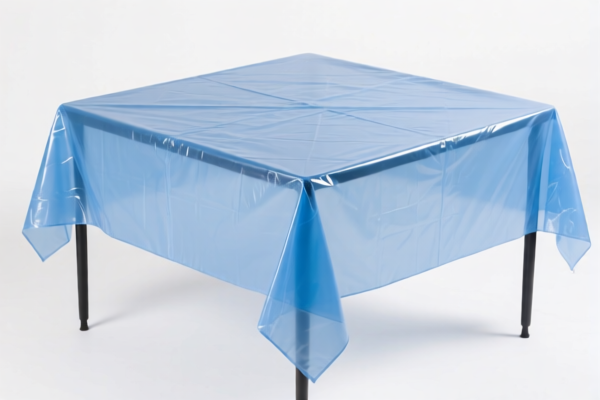
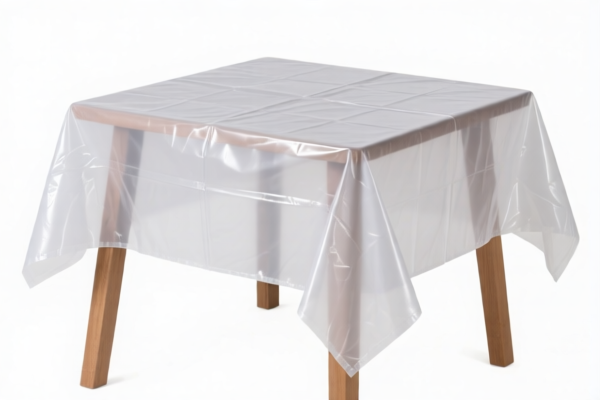
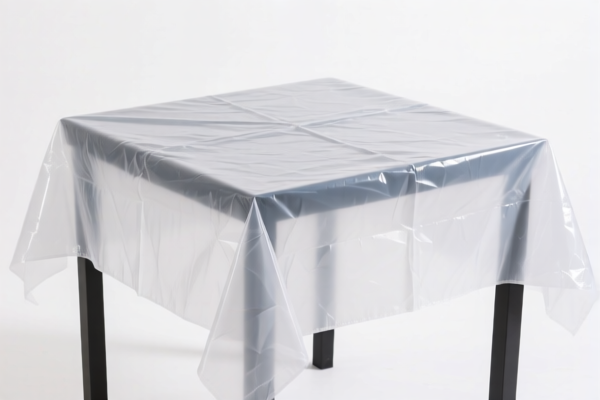
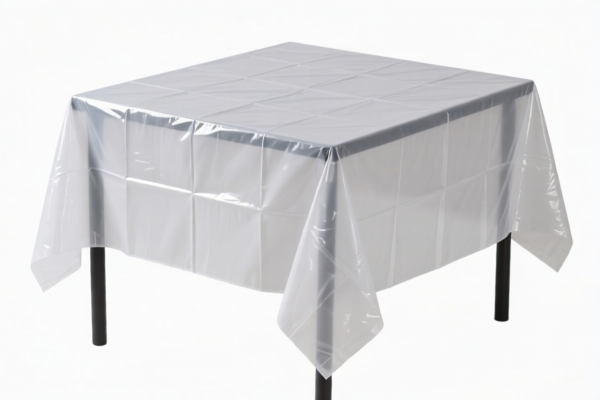
AI Analysis
🧼 Plastic Retro Tablecloth (Vintage-Style Vinyl/PVC Tablecloths)
🌐 HS Code Reference & Customs Clearance Guide | 2026 Updated Tariff Analysis | Professional Clearance Strategy
📌 I. Product Definition & Classification: What Exactly Is a "Retro Tablecloth"?
In international trade, a "Plastic Retro Tablecloth" is not a single technical entity but a descriptive term. Its customs classification depends entirely on its material structure:
- Textile-Backed Vinyl/PVC: A fabric (cotton, polyester, etc.) impregnated, coated, covered, or laminated with plastics (usually PVC). This is the most common "retro" type due to its durability and texture.
- Key Feature: You can see/feel the fabric weave under the plastic layer.
- Solid Plastic Sheet/Membrane: A flat product made of plastic polymers (like PVC, PP, PE) in the form of sheets, films, or strips, without a fabric backing.
- Key Feature: Pure plastic feel, often thinner, transparent or opaque sheets.
⚠️ Critical Distinction:
- If it has a fabric base + plastic coating → It is a Textile Product (5903...)
- If it is pure plastic sheet/film → It is a Plastic Product (3920...)
Misclassification here leads to massive duty differences due to Section 301 and Section 122 tariffs.
📦 II. HS Code Classification Details (2026 Latest Tariff Schedule)
| HS Code | Product Description | Material/Structure | Applicability |
|---|---|---|---|
5903.10.20.10 |
Plastic Tablecloths: Impregnated/Coated/Laminated Textile Fabrics (Specific Code 1) | Fabric base + Plastic coating (e.g., PVC) | Retro tablecloths with visible fabric texture |
5903.10.20.90 |
Plastic Tablecloths: Impregnated/Coated/Laminated Textile Fabrics (Other/Specific Code 9) | Fabric base + Plastic coating (e.g., PVC, PE) | Other fabric-backed plastic tablecloths not specified in .10 |
3920.10.00.00 |
Plastic Tablecloths: Plastics/Polymers of Ethylene (Sheet/Film/Strip Form) | Pure Plastic (e.g., Polyethylene film) | Thin, pure plastic sheets/films |
3920.20.00.55 |
Plastic Tablecloths: Plastics/Polymers of Propylene (Sheet/Film/Strip Form) | Pure Plastic (e.g., Polypropylene sheet) | Solid plastic sheets/films made of PP |
🔍 Key Reminder:
- "Retro" is a style, not a material. Customs does not care about the "vintage print"; they care about what it is made of.
- If the product is a fabric with a plastic layer, it MUST go under5903.
- If the product is a plastic sheet with no fabric, it MUST go under3920.
💰 III. 2026 Latest Tariff Rate Breakdown (Including Additional Taxes & Policy Surcharges)
✅ Applicable Country: USA (US)
✅ Origin: China (CN)
✅ Effective Date: 2025/2026 Current Rates
🎯 1. 5903.10.20.10 & 5903.10.20.90 — Fabric-Backed Plastic Tablecloths
| Item | Content |
|---|---|
| Basic Duty Rate | 0.0% (Free Trade/No Basic Duty for this category) |
| Section 301 Additional Duty | +25.0% (From USITC Footnote 9903.88.01) |
| Section 122 Duty | +10.0% (Specific surcharge for certain textile/plastic mixes under specific rules) |
| Total Tax Rate | 35.0% |
| Tax Calculation | CIF Value × 35% |
| De Minimis Exemption? | ❌ NOT Allowed (deny_de_minimis) |
| Legal Basis Path | USITC:5903.10.20.x0 → Section 301: 25% + Section 122: 10% |
📌 Explanation:
- These codes fall under "Textiles with Plastic Coating."
- Although the basic tariff is 0%, the Section 301 (25%) and Section 122 (10%) surcharges apply aggressively.
- Total landed cost impact: 35% on top of CIF.
🎯 2. 3920.10.00.00 — Pure Plastic Tablecloths (Polymer of Ethylene)
| Item | Content |
|---|---|
| Basic Duty Rate | 4.2% (Standard MFN Rate) |
| Section 301 Additional Duty | +25.0% (From USITC Footnote 9903.88.01) |
| Section 122 Duty | +10.0% (Specific surcharge applicable to these plastic articles) |
| Total Tax Rate | 39.2% |
| Tax Calculation | CIF Value × 39.2% |
| De Minimis Exemption? | ❌ NOT Allowed (deny_de_minimis) |
| Legal Basis Path | USITC:3920.10.00.00 → Section 301: 25% + Section 122: 10% |
📌 Note:
- Higher basic duty (4.2%) makes this more expensive than the fabric-backed version in terms of base tax.
- Same surcharges apply. Total: 39.2%.
🎯 3. 3920.20.00.55 — Pure Plastic Tablecloths (Polymer of Propylene)
| Item | Content |
|---|---|
| Basic Duty Rate | 4.2% (Standard MFN Rate) |
| Section 301 Additional Duty | +25.0% (From USITC Footnote 9903.88.01) |
| Section 122 Duty | +10.0% (Specific surcharge applicable to these plastic articles) |
| Total Tax Rate | 39.2% |
| Tax Calculation | CIF Value × 39.2% |
| De Minimis Exemption? | ❌ NOT Allowed (deny_de_minimis) |
| Legal Basis Path | USITC:3920.20.00.55 → Section 301: 25% + Section 122: 10% |
📌 Note:
- Similar to3920.10.00.00. If your "retro" tablecloth is a simple PP sheet (common for cheap disposable vintage styles), this is the code.
- Total: 39.2%.
🛠️ IV. Customs Clearance Practical Advice (Avoid Pitfalls Guide)
✅ 1. Document Checklist (All Required)
| Document | Required? | Note |
|---|---|---|
| ✅ Product Spec Sheet | ✔️ | Must explicitly state material composition (e.g., "65% Cotton / 35% PVC"). |
| ✅ Material Composition Proof | ✔️ | Critical to distinguish between 5903 (fabric) and 3920 (pure plastic). |
| ✅ Photos (Front/Back/Cross-Section) | ✔️ | Show fabric weave if applicable. Hidden fabric = misclassification risk. |
| ✅ Commercial Invoice | ✔️ | Use precise description: "PVC-Coated Cotton Tablecloth" vs. "Plastic Sheet Tablecloth". |
| ✅ Packing List | ✔️ | Clear quantity and weight. |
✅ 2. Declaration Tips (Key Mantra)
🔥 "Fabric gets 35%, Plastic gets 39.2%. Declare material, not style!"
| Situation | Correct Declaration | Wrong Practice |
|---|---|---|
| Fabric back + PVC coat | 5903.10.20.10/90 (35%) |
Calling it "Plastic Sheet" → Misclassification Penalty |
| Pure PVC Sheet | 3920.10.00.00 (39.2%) |
Calling it "Textile" → Rejection or Audit |
| "Retro" Style | Use descriptive name only | Using "Retro" as HS code basis |
✅ 3. Special Handling Scenarios
| Scenario | Handling Advice |
|---|---|
| Mixed Materials | If >50% by weight is fabric, lean toward 5903. If >50% plastic, lean toward 3920. Check with customs broker. |
| Laminated vs. Coated | Both 5903 codes cover impregnated, coated, covered, or laminated. Ensure the description matches the manufacturing process. |
| Small Package (De Minimis) | ⚠️ Warning: Neither 5903 nor 3920 tablecloths from China qualify for the $800 de minimis exemption under Section 301/122. All shipments are taxable. |
🌍 V. Global Market Comparison (2026)
| Country/Region | Recommended HS Code | Tariff Rate (China Origin) | Notes |
|---|---|---|---|
| 🇺🇸 USA | 5903.10.20.10 / 3920.10.00.00 |
35.0% / 39.2% | Includes Sec 301 (25%) + Sec 122 (10%) |
| 🇨🇳 China | 5903.10.20.10 |
~10-15% | Export duties may apply depending on exact code |
| 🇪🇺 EU | 5903.10.90 / 3920.10.00 |
6.5% - 12% | No Section 301/122 surcharges |
| 🇬🇧 UK | 5903.10.90 / 3920.10.00 |
6.5% - 12% | Post-Brexit tariffs similar to EU |
📌 Conclusion:
- USA is the most expensive market due to the combination of Basic Tariff + Section 301 + Section 122.
- Fabric-backed (5903) is cheaper (35%) than Pure Plastic (3920at 39.2%) in the US due to the 0% base rate.
- Plan your supply chain and pricing accordingly.
📌 VI. Common Mistakes & Pitfalls (Lessons Learned)
❌ Mistake 1: Using "Tablecloth" alone in the declaration
👉 Result: Customs cannot determine material → Delayed shipment, possible seizure.
👉 Fix: Specify "PVC-Coated Cotton" or "Polyethylene Sheet".
❌ Mistake 2: Assuming "Retro" means lower duty
👉 Result: No tariff benefit for style. You still pay 35-39.2%.
👉 Fix: Focus on material composition for duty optimization.
❌ Mistake 3: Claiming De Minimis ($800 exemption) for small batches
👉 Result: Denied because of Section 301/122 coverage.
👉 Fix: Pay taxes upfront or use a bonded warehouse.
❌ Mistake 4: Confusing 5903 (Textile) with 6307 (Other Textile Articles)
👉 Result: 6307 might have different rates, but plastic-coated items MUST go to 5903.
👉 Fix: Always use 5903 for plastic-coated textiles.
✅ Correct Action:
"PVC-Coated Polyester Tablecloth, Vintage Print, 100x140cm, Made in China."
🎯 VII. Conclusion: Professional Declaration, Lower Costs!
🎯 Remember the Mantra:
🔹 "Fabric Back = 35% | Pure Plastic = 39.2% | Style = 0% Tax Benefit!"
🔹 "Section 301 & 122 are mandatory. No loopholes for China origin!"
📌 Pro Tip:
If you are sourcing from Vietnam, India, or Bangladesh, you might avoid Section 301/122 tariffs entirely. Consider supply chain diversification if shipping to the USA to reduce costs by ~35-39%.
📣 Immediate Action:
📞 Consult a licensed customs broker.
📄 Provide material composition reports.
🚀 Avoid misclassification fines and ensure smooth clearance!
✨ Professional Clearance Starts with Precise Classification!
💼 Every Percent of Duty Counts!
Customer Reviews
About HS Code Classification
The Harmonized System (HS) is an internationally standardized nomenclature developed by the World Customs Organization (WCO) to classify traded products. Over 200 countries use the HS system as the basis for customs tariffs, trade statistics, and import/export regulations.
Each HS code follows a hierarchical structure:
- Chapter (2 digits) — Broad category of goods (e.g., Chapter 84: Machinery and Mechanical Appliances)
- Heading (4 digits) — More specific grouping within the chapter
- Subheading (6 digits) — Internationally standardized breakdown, used by all WCO member countries
- National subdivisions (8-10 digits) — Country-specific extensions for further classification, such as US HTSUS 10-digit codes
Correct HS code classification is essential for smooth customs clearance, accurate duty payment, and compliance with trade regulations. Misclassification can lead to customs delays, overpayment of duties, or penalties.
When importing from CN to US, the applicable tariff rates may include:
- Most-Favored-Nation (MFN) rate — The standard duty rate applied to WTO members
- General rate — Applied to countries without trade agreements
- Trade remedy duties — Additional tariffs such as Section 301 (anti-dumping), Section 232 (national security), or countervailing duties
The information provided on this page is for reference purposes only. For official classification, please consult with your local customs authority or a licensed customs broker.