Plastic Rubber Band
CN → US| HS编码 | 关税税率 | 原产国 | 目的国 | 文档 |
|---|---|---|---|---|
| 3926909905 | 22.8% | CN | US | 官方文档 |
| 3926909905 | 22.8% | CN | US | 官方文档 |
| 3926901000 | 20.9% | CN | US | 官方文档 |
| 3926909905 | 22.8% | CN | US | 官方文档 |
| 3926909905 | 22.8% | CN | US | 官方文档 |
商品图片
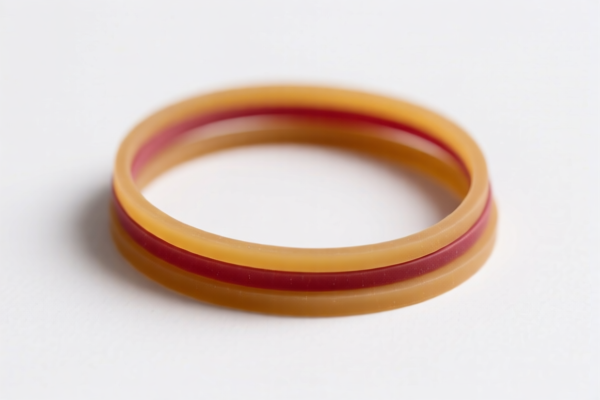
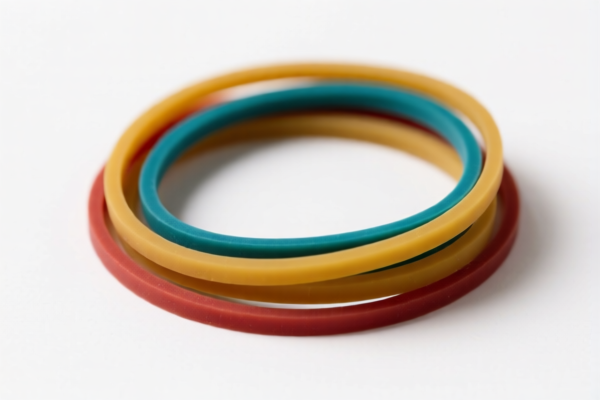
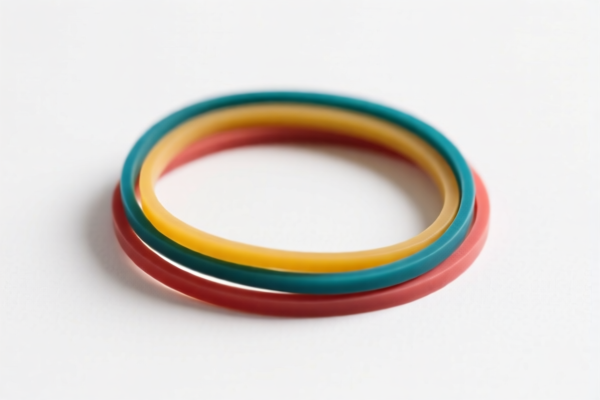
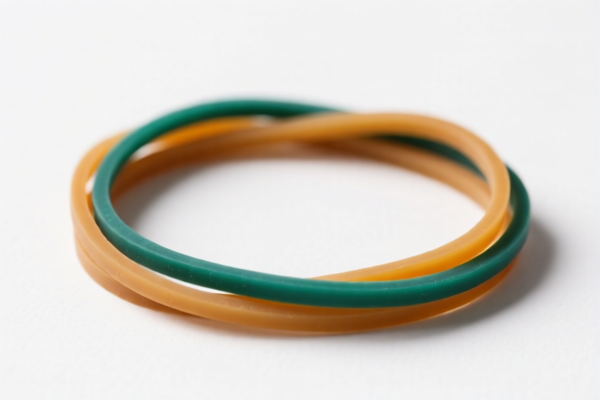
AI分析
🏷️ Plastic Rubber Bands (文具/办公用塑料弹性带)
🌐 HS Code Reference & Customs Clearance Guide | 2026 Latest Tariff Analysis | Professional Clearance Strategy
📌 I. Product Definition & Classification: What Exactly Is a "Plastic Rubber Band"?
Plastic rubber bands are elastic fastening devices made entirely of polymer materials. Unlike traditional latex rubber bands, these are 100% plastic-based, offering greater durability, resistance to tearing, and consistent tension.
In international trade, their classification hinges on two critical factors: 1. Material Composition: Must be fully plastic. 2. Usage/Intended Purpose: * Office/Stationery Use: Explicitly designed for bundling papers, documents, or office supplies. * General/Industrial Use: General-purpose elastic bands not specifically designated as stationery.
⚠️ Key Distinction:
- If the product is marketed as "Stationery" (文具) or used for document bundling → It falls under 3926.90.10.00.
- If it is a generic plastic elastic band without specific stationery designation → It falls under 3926.90.99.05.
📦 II. HS Code Classification Details (2026 Latest Tariff Authority Comparison)
| HS Code | Product Description | Applicable Scenario | Tax Rate (Total) |
|---|---|---|---|
3926.90.10.00 |
Plastic Rubber Bands (Stationery Category) | Office supplies, document bundlers, school stationery kits | 20.9% |
3926.90.99.05 |
Plastic Rubber Bands (General Elastic Bands) | General industrial, packaging, or non-stationery elastic bands | 22.8% |
🔍 Critical Note:
- Both codes fall under Chapter 39 (Plastics and Articles Thereof), specifically 3926 (Other articles of plastics).
- The difference lies in the sub-heading:
- 10.00 is reserved for stationery items.
- 99.05 is a "Other" category for general plastic elastic bands.
- Do not mix declarations: Mislabeling a stationery band as a general band (or vice versa) can lead to customs delays or penalties.
💰 III. 2026 Latest Tariff Rate Breakdown (Including Surtaxes & Policy Add-ons)
✅ Applicable Country: United States (US)
✅ Origin: China (CN)
✅ Effective Date: Post-2025 (Current Trade Environment)
🎯 1. 3926.90.10.00 — Plastic Rubber Bands (Stationery)
| Item | Detail |
|---|---|
| Base Tariff | 3.4% (Ad Valorem) |
| Section 301 Surtax | +7.5% |
| 122 Clause Tariff | +10% (Specific to certain plastic articles from China) |
| Total Tariff Rate | 20.9% |
| Tax Calculation | CIF Value × 20.9% |
| De Minimis Eligibility | ❌ Not Eligible (Due to 301 & 122 surtaxes, packages below $800 are generally taxed unless exempted under specific humanitarian/educational rules, which rarely apply to commercial stationery) |
| Legal Basis Path | USITC:3926.90.10.00 → Section 301:7.5% → 122 Clause:10% |
📌 Explanation:
- Base Rate 3.4%: Standard Most Favored Nation (MFN) rate for other plastic articles.
- Section 301 (+7.5%): Applied to goods from China under U.S. Trade Law Section 301.
- 122 Clause (+10%): A specific punitive tariff provision targeting certain Chinese plastic imports.
- Total 20.9%: This is the final landed cost rate for stationery-grade plastic rubber bands from China.
🎯 2. 3926.90.99.05 — Plastic Rubber Bands (General/Non-Stationery)
| Item | Detail |
|---|---|
| Base Tariff | 5.3% (Ad Valorem) |
| Section 301 Surtax | +7.5% |
| 122 Clause Tariff | +10% |
| Total Tariff Rate | 22.8% |
| Tax Calculation | CIF Value × 22.8% |
| De Minimis Eligibility | ❌ Not Eligible |
| Legal Basis Path | USITC:3926.90.99.05 → Section 301:7.5% → 122 Clause:10% |
📌 Explanation:
- Base Rate 5.3%: Slightly higher base rate than stationery items.
- Same Surtaxes: Section 301 (7.5%) and 122 Clause (10%) apply equally.
- Total 22.8%: Higher than stationery classification.
- Strategic Insight: If your product can be classified as stationery (e.g., packaged for offices, marketed to schools), 3926.90.10.00 is preferable due to the 1.9% tariff savings.
🛠️ IV. Customs Clearance Practical Advice (Battle-Proven Tips)
✅ 1. Documentation Checklist (Non-Negotiable)
| Document | Required? | Description |
|---|---|---|
| ✅ Product Specification Sheet | ✔️ | Must clearly state: 100% Plastic Material, Elastic Band Form, Intended Use (Stationery vs. General) |
| ✅ Commercial Invoice | ✔️ | Must match HS Code exactly. Avoid vague terms like "Rubber"; use "Plastic Elastic Band" |
| ✅ Packing List | ✔️ | Include net/gross weight, quantity, and dimensions |
| ✅ Labeling/Photos | ✔️ | Show packaging indicating office/stationery use (if claiming 3926.90.10.00) |
| ✅ Certificate of Origin | ✔️ | Confirm China Origin to apply correct 301/122 rates |
✅ 2. Declaration Strategy (Key Mantra)
🔥 "Stationery Gets Lower Rate, General Pays More! Be Specific!"
| Scenario | Correct HS Code | Risk if Incorrect |
|---|---|---|
| Office/School Bundlers | 3926.90.10.00 (20.9%) |
Misclassified as General → 22.8% (Overpayment) |
| Industrial/Packaging Bands | 3926.90.99.05 (22.8%) |
Misclassified as Stationery → Customs Audit/Rejection |
| Mixed Bundle (Office + Industrial) | Split Declaration | Combined → Customs Detention |
⚠️ Warning:
- If you declare as Stationery (3926.90.10.00) but the product is clearly for industrial packaging (e.g., heavy-duty, no office branding), customs may reclassify it to3926.90.99.05and demand the higher rate + penalties.
- Recommendation: If in doubt, provide marketing materials showing office/stationery context to support the 20.9% rate.
✅ 3. Special Cases & Mitigation
| Situation | Recommendation |
|---|---|
| Plastic Band with Rubber Core? | ❌ Not Eligible for these HS Codes. If any rubber component exists, it may fall under Chapter 40 (Rubber), changing the tariff structure entirely. |
| Packaged as Gift Sets? | Ensure the primary function is stationery. If it's a novelty item with no practical office use, it may still be scrutinized. |
| Origin: Vietnam/Malaysia? | ✅ Apply IEEPA Exemption: If sourced from Vietnam, Malaysia, Thailand, or Mexico, you may avoid 122 Clause and Section 301 surtaxes, reducing rates to 0-5%. |
🌍 V. Global Market Comparison (2026)
| Country/Region | Recommended HS Code | Tariff (China Origin) | Notes |
|---|---|---|---|
| 🇺🇸 USA | 3926.90.10.00 / 3926.90.99.05 |
20.9% / 22.8% | High due to 301 + 122 Clause |
| 🇨🇳 China | 3926.90.10.00 |
5.3% | Lower domestic tax |
| 🇪🇺 EU | 3926.90.90 |
0-6.5% | No Section 301/122 equivalent |
| 🇬🇧 UK | 3926.90.90 |
0-6.5% | Post-Brexit tariffs apply |
| 🇨🇦 Canada | 3926.90.90 |
0-6.5% | USMCA may apply if from US |
📌 Conclusion:
- USA is the most challenging market due to punitive tariffs (301 + 122).
- Cost Saving Tip: If possible, source from non-China origins (e.g., Vietnam) to bypass the 17.5% surtax, reducing costs by ~17-18%.
📌 VI. Common Mistakes & Pitfalls (Lessons Learned)
❌ Mistake 1: Using "Rubber Band" in Description Without Specifying "Plastic"
👉 Result: Customs may classify under Chapter 40 (Rubber), triggering different (potentially higher) tariffs or anti-dumping duties.
✅ Fix: Always use "Plastic Elastic Band" or "Synthetic Rubber Band (100% Plastic)".
❌ Mistake 2: Declaring Generic Bands as Stationery to Save 1.9%
👉 Result: If customs inspect and find industrial-grade bands, they will demand the 22.8% rate + back taxes + fines.
✅ Fix: Only use 3926.90.10.00 if the product is genuinely intended for office/stationery use.
❌ Mistake 3: Ignoring the 122 Clause
👉 Result: Many importers forget that 122 Clause (+10%) applies to plastic articles from China.
✅ Fix: Always calculate Total Tax = Base + 301 + 122. Do not assume only 301 applies.
🎯 VII. Conclusion: Smart Classification, Smarter Savings!
🎯 Remember the Mantra:
🔹 "Stationery = 20.9%, General = 22.8%. Difference is 1.9%, but Context is Key!"
🔹 "Plastic, Not Rubber! 100% Polymer!"
🔹 "China Origin? Expect 17.5% Surtax (301+122)!"
📌 Pro Tip:
If your volume is high, consider shifting supply chain to Vietnam or Malaysia to eliminate the 17.5% surtax, reducing total tax to ~0-5%. This can save thousands of dollars per container.
📣 Immediate Action:
📞 Contact a Customs Broker: Verify HS Code with product photos.
📄 Mark Up Invoices: Clearly state "Plastic Material, Stationery Use" (if applicable).
🚀 Optimize Tariff: Choose3926.90.10.00if eligible to save 1.9%.
✨ Professional Clearance Starts with Accurate Classification!
💼 Every Percentage Point Counts in Global Trade!
用户评价
关于 HS 编码归类
协调制度(HS)是由世界海关组织(WCO)制定的国际贸易商品分类标准。全球 200 多个国家采用 HS 系统作为海关关税、贸易统计和进出口监管的基础。
每个 HS 编码遵循以下层级结构:
- 章(2 位)——商品大类(例如:第 84 章:机器和机械设备)
- 品目(4 位)——章内的更具体分类
- 子目(6 位)——国际通用细分,所有 WCO 成员国统一使用
- 本国细分(8-10 位)——各国自行扩展的细分编码,如美国 HTSUS 10 位编码
正确的 HS 编码归类对于顺利通关、准确缴纳关税和遵守贸易法规至关重要。错误归类可能导致海关延误、多缴关税或罚款。
从CN进口到US时,适用的关税税率可能包括:
- 最惠国(MFN)税率——适用于 WTO 成员国的标准关税税率
- 普通税率——适用于无贸易协定国家
- 贸易救济关税——附加关税,如 301 条款(反倾销)、232 条款(国家安全)或反补贴税
本页内容仅供参考。如需正式归类,请咨询当地海关或持牌报关代理。