Plastic Scarves
CN → US| HS编码 | 关税税率 | 原产国 | 目的国 | 文档 |
|---|---|---|---|---|
| 3926909989 | 22.8% | CN | US | 官方文档 |
| 6117102030 | 21.3% | CN | US | 官方文档 |
| 6117106020 | 27.0% | CN | US | 官方文档 |
| 6214900090 | 28.8% | CN | US | 官方文档 |
| 6214300000 | 15.3% | CN | US | 官方文档 |
商品图片
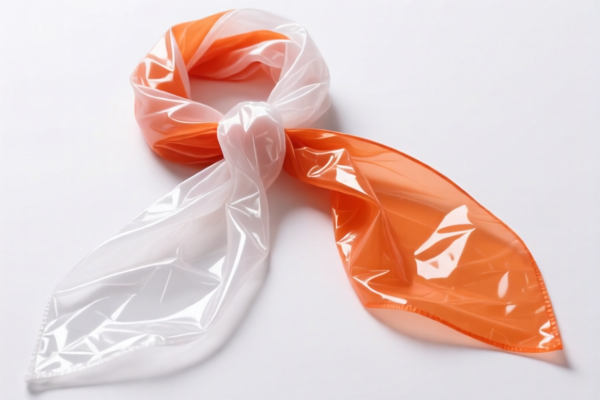
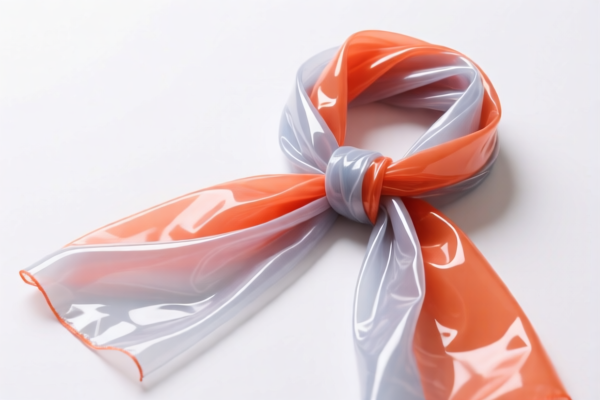
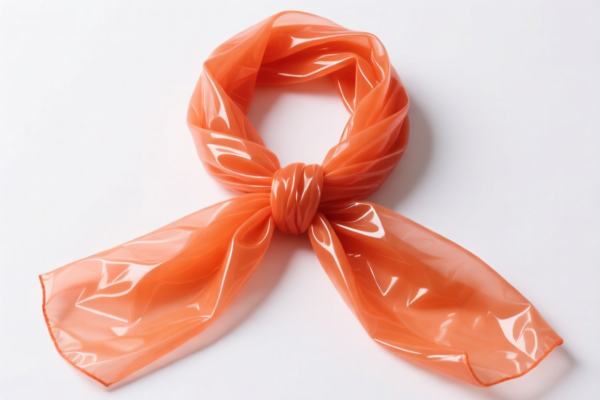
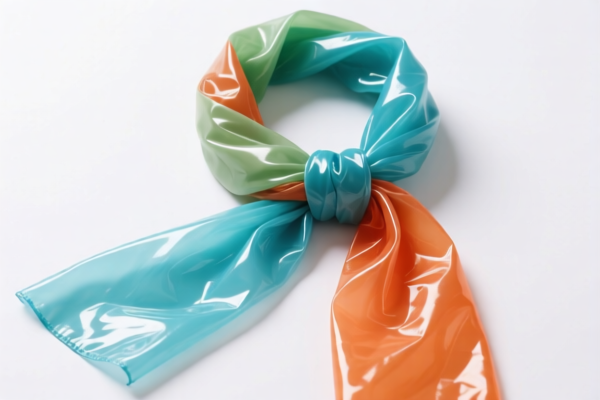
AI分析
🧣 Plastic Scarves (Shawls, Mufflers, Veils)
🌐 HS Code Reference & Customs Clearance Guide | 2026 Latest Tariff Analysis | Professional Clearance Strategy
📌 I. Product Definition & Classification: What Exactly Are "Plastic Scarves"?
"Plastic Scarves" in international trade typically refer to shawls, scarves, mufflers, mantillas, veils, and similar articles made primarily from plastic materials or articles classified under specific plastic headings. Unlike textile scarves (made of cotton, wool, or synthetic fibers), these items are defined by their material composition or manufacturing process involving plastics (Chapter 39) or specific textile-like articles made of plastic threads/filaments (Chapter 61 or 62, depending on structure).
In the provided data, the classification splits into two distinct categories based on the construction method: 1. Non-Knitted/Crocheted Plastic Articles: If the item is a molded, woven (non-knit), or otherwise made-up article of plastic (e.g., rigid or semi-rigid plastic scarves, plastic sheeting cut into shape, or articles from materials of headings 3901–3914 that are not elsewhere specified). 2. Knitted/Crocheted or Made-Up Textile-Like Plastic Articles: If the item is knitted, crocheted, or made up like traditional scarves but made of synthetic/man-made fibers (which often include certain plastic-based fibers like polyester, nylon, etc., though strictly "plastic materials" usually fall under Ch 39 unless specified as fiber).
⚠️ Critical Distinction:
- If the scarf is a knitted or crocheted item made of synthetic fibers (including many plastic-derived fibers like polyester), it falls under Chapter 61 or 62.
- If the item is explicitly defined as an "article of plastics" (e.g., rigid plastic decorative scarves, or items from plastic materials not classified as textile fibers), it falls under Chapter 39.
- Note: Most common "plastic" scarves in fashion are actually synthetic fiber (polyester/nylon). If they are knitted, they go to 6117.10. If they are woven/not knitted, they go to 6214.90 or 6214.30. If they are purely plastic articles (not fiber-based textiles), they go to 3926.90.
📦 II. HS Code Classification Details (2026 Latest Tariff Authority Reference)
Based on the provided <DATA>, the classification depends on the material type and construction:
| HS Code | Product Description | Material/Construction Type | Key Identifier |
|---|---|---|---|
3926.90.99.89 |
Other articles of plastics and articles of other materials of headings 3901 to 3914: Other | Pure Plastic Articles | Made from plastic materials (e.g., PVC, PE sheets molded into scarves, or rigid plastic accessories). Not textile fibers. |
6214.90.00.90 |
Shawls, scarves, mufflers... Of other textile materials: Other | Non-Knitted Textile Plastics/Fibers | Woven, felted, or non-knitted articles made of man-made fibers (e.g., woven polyester scarves). |
6214.30.00.00 |
Shawls, scarves, mufflers... Of synthetic fibers | Non-Knitted Synthetic Fibers | Specifically synthetic fiber (e.g., nylon, polyester) in non-knitted form. |
6117.10.20.30 |
Other made up clothing accessories... Shawls, scarves... Of man-made fibers Other | Knitted/Crocheted Man-Made Fibers | Knitted or crocheted scarves made of man-made fibers (including many plastic-based fibers like acrylic, polyester). |
6117.10.60.20 |
Other made up clothing accessories... Shawls, scarves... Other | Knitted/Crocheted Other Materials | Knitted/crocheted scarves made of materials other than man-made fibers (e.g., wool, silk, or mixed non-synthetic). |
🔍 Key Note on "Plastic" vs. "Synthetic Fiber":
- In customs terminology, "Plastic Articles" (Ch 39) usually refers to items made from bulk plastic materials (films, sheets, rods) processed into articles.
- "Synthetic Fibers" (Ch 54/55/61/62) refers to fibers made from polymers (plastics) but spun into yarns and woven/knitted into fabrics.
- Most fashion scarves labeled as "plastic" are actually synthetic fibers (polyester/nylon) and should be classified under 6214 (if woven) or 6117 (if knitted), NOT 3926, unless they are rigid or film-based plastic items.
💰 III. 2026 Latest Tariff Rate Breakdown (Including Additional Duties)
✅ Origin: China (CN)
✅ Destination: United States (US) [Implied by the 7.5% additional tariff pattern]
✅ Effective Time: Current 2026 Tariff Schedule
🎯 1. 3926.90.99.89 — Plastic Articles (Non-Textile)
| Item | Content |
|---|---|
| Base Tariff | 5.3% |
| Additional Tariff (USITC/Section 301) | +7.5% |
| Total Tariff Rate | 12.8% |
| Tax Calculation | CIF Value × 12.8% |
| De Minimis Exemption | ❌ Not Applicable (Standard threshold does not apply to high-duty items if flagged; check specific de minimis rules) |
| Legal Basis | USITC:3926.90.99.89 → Additional Tariff Footnote |
📌 Explanation:
- This item is classified as a general plastic article.
- It bears a significant tariff burden of 12.8%, making it more expensive than most textile scarves.
- If the item is mistakenly classified here (when it should be textile), it may still be accepted but could face scrutiny if the material is actually woven fiber.
🎯 2. 6214.90.00.90 — Other Textile Material Scarves (Woven/Non-Knit)
| Item | Content |
|---|---|
| Base Tariff | 0.0% |
| Additional Tariff | 0.0% |
| Total Tariff Rate | 0.0% |
| Tax Calculation | CIF Value × 0% |
| De Minimis Exemption | ✅ Available (if under $800) |
| Legal Basis | USITC:6214.90.00.90 |
📌 Explanation:
- Zero Duty! This is the most cost-effective classification for non-knitted scarves made of "other textile materials" (e.g., rayon, viscose, or mixed fibers not explicitly synthetic).
- Ideal for scarves made from biodegradable plastics or natural-plastic blends that don't fit "synthetic" definitions.
🎯 3. 6214.30.00.00 — Synthetic Fiber Scarves (Woven/Non-Knit)
| Item | Content |
|---|---|
| Base Tariff | 0.0% |
| Additional Tariff | 0.0% |
| Total Tariff Rate | 0.0% |
| Tax Calculation | CIF Value × 0% |
| De Minimis Exemption | ✅ Available (if under $800) |
| Legal Basis | USITC:6214.30.00.00 |
📌 Explanation:
- Also Zero Duty.
- Applies to common polyester, nylon, or acrylic scarves that are woven (not knitted).
- Most "plastic" scarves in the market fall here if woven.
🎯 4. 6117.10.20.30 — Knitted Scarves of Man-Made Fibers
| Item | Content |
|---|---|
| Base Tariff | 0.0% |
| Additional Tariff | 0.0% |
| Total Tariff Rate | 0.0% |
| Tax Calculation | CIF Value × 0% |
| De Minimis Exemption | ✅ Available (if under $800) |
| Legal Basis | USITC:6117.10.20.30 |
📌 Explanation:
- Zero Duty.
- Applies to knitted or crocheted scarves made of man-made fibers (synthetics).
- Common for soft, stretchy plastic-fiber scarves.
🎯 5. 6117.10.60.20 — Other Knitted Scarves
| Item | Content |
|---|---|
| Base Tariff | 0.0% |
| Additional Tariff | 0.0% |
| Total Tariff Rate | 0.0% |
| Tax Calculation | CIF Value × 0% |
| De Minimis Exemption | ✅ Available (if under $800) |
| Legal Basis | USITC:6117.10.60.20 |
📌 Explanation:
- Zero Duty.
- For knitted scarves made of materials other than man-made fibers (e.g., wool, silk, cotton blends).
🛠️ IV. Customs Clearance Practical Advice (Battle-Tested Guide)
✅ 1. Documentation Checklist (Must-Have)
| Document | Required | Notes |
|---|---|---|
| ✅ Product Specification Sheet | ✔️ | Must clearly state Material Composition (e.g., "100% Polyester," "PVC Plastic," "Rayon"). This is the #1 determinant for HS Code. |
| ✅ Fabric Swatch Sample | ✔️ | Provide a small sample of the material for customs inspection if requested. |
| ✅ Construction Photo | ✔️ | Show if the scarf is Knitted (looped yarn) or Woven (interlaced threads). This distinguishes Ch 61 vs. Ch 62. |
| ✅ Commercial Invoice | ✔️ | Clearly describe as "Women's Scarf, Material: [X], Knitted/Woven: [Yes/No]." Avoid vague terms like "Plastic Scarf" without material detail. |
| ✅ Origin Certificate | ✔️ | If claiming preferential rates (though most are 0% here, proof of origin is still required). |
✅ 2. Declaration Strategy (Key Mnemonics)
🔥 "Knit is 61, Weave is 62, Pure Plastic is 39. Zero Duty for Textiles, Watch the 12.8%!"
| Scenario | Correct HS Code | Tax Rate | Risk |
|---|---|---|---|
| Woven Polyester Scarf | 6214.30.00.00 |
0% | ✅ Low |
| Knitted Polyester Scarf | 6117.10.20.30 |
0% | ✅ Low |
| Woven Rayon/Viscose Scarf | 6214.90.00.90 |
0% | ✅ Low |
| Rigid PVC Plastic Scarf | 3926.90.99.89 |
12.8% | ⚠️ High Cost |
| Knitted Wool Scarf | 6117.10.60.20 |
0% | ✅ Low |
⚠️ Common Mistake:
- Calling a woven polyester scarf "Plastic" and declaring it under3926.90.99.89.
- Result: You pay 12.8% duty unnecessarily.
- Fix: Always declare based on fiber type (Synthetic Textile) → 0% Duty.
✅ 3. Special Cases & Pitfalls
| Case | Handling Advice |
|---|---|
| "Plastic" Feeling Scarf | If it's woven/knitted and made of synthetic fibers (polyester/nylon), declare as 6214.30 or 6117.10. Do NOT use Ch 39. |
| Mixed Material Scarf | If >50% synthetic fiber by weight → Use Synthetic HS Code. If mixed with natural fibers, check predominant material. |
| Gift vs. Commercial | If value < $800 (de minimis), most textile scarves (0% duty) can enter duty-free. Plastic articles (12.8%) may still be taxed if not de minimis exempt. |
| Labeling | Ensure labels say "Polyester" or "Synthetic Fiber," not "Plastic," to align with Ch 61/62. |
🌍 V. Global Market Comparison (2026)
| Country/Region | Recommended HS Code | Tariff | Notes |
|---|---|---|---|
| 🇺🇸 USA | 6214.30.00.00 / 6117.10.20.30 |
0% | Best for synthetic fibers. Avoid 3926 (12.8%). |
| 🇨🇳 China | 6214.30.00.00 |
5% | Standard export tariff. |
| 🇪🇺 EU | 6214.30.00.00 |
4% | General duty. No additional tariffs. |
| 🇬🇧 UK | 6214.30.00.00 |
4% | Post-Brexit rules apply. |
| 🇯🇵 Japan | 6214.30.00.00 |
4% | Standard duty. |
📌 Conclusion:
- US Market is Duty-Free for Synthetic Fiber Scarves (Ch 61/62) if correctly classified.
- Do NOT classify woven/knitted synthetic scarves under "Plastic Articles" (Ch 39) in the US, as you will incur a 12.8% penalty tariff.
📌 VI. Common Errors & Avoidance Guide (Blood-Tested Lessons)
❌ Error 1: Declaring a woven polyester scarf as "Plastic Article" → 3926.90.99.89
👉 Consequence: Pay 12.8% duty instead of 0%. Loss: $128 per $1,000 shipment.
❌ Error 2: Mixing Knitted and Woven items in one shipment without clear separation
👉 Consequence: Customs may delay shipment to reclassify. Risk: Delivery delays.
❌ Error 3: Using vague description "Plastic Scarf" on Invoice
👉 Consequence: Customs may request sample testing, causing demurrage fees.
✅ Correct Practice:
"Women's Scarf, 100% Polyester, Woven, Fashion Accessory, Model XYZ"
→ Declared as:6214.30.00.00→ 0% Duty.
🎯 VII. Conclusion: Accurate Classification Saves Money!
🎯 Remember the Rule:
🔹 "Synthetic Fiber = 0% Duty (Ch 61/62)"
🔹 "Pure Plastic Article = 12.8% Duty (Ch 39)"
🔹 "Knitted vs. Woven" determines Ch 61 vs. Ch 62.
📌 Pro Tip:
- If your scarf is soft, flexible, and made of polyester/nylon, it is almost certainly a textile product, not a plastic article.
- Always use HS Codes under Chapter 61 or 62 to enjoy 0% duty in the US market.
- Only use Chapter 39 for rigid, molded, or film-based plastic items that do not qualify as textile fibers.
📣 Immediate Action:
📞 Verify Material Composition with your supplier.
📄 Update Invoice Description to reflect "Synthetic Fiber" not "Plastic."
🚀 Declare under6214.30.00.00or6117.10.20.30to save 12.8% in taxes!
✨ Smart Classification, Smart Savings!
💼 Your profit margin depends on accurate HS Codes!
用户评价
关于 HS 编码归类
协调制度(HS)是由世界海关组织(WCO)制定的国际贸易商品分类标准。全球 200 多个国家采用 HS 系统作为海关关税、贸易统计和进出口监管的基础。
每个 HS 编码遵循以下层级结构:
- 章(2 位)——商品大类(例如:第 84 章:机器和机械设备)
- 品目(4 位)——章内的更具体分类
- 子目(6 位)——国际通用细分,所有 WCO 成员国统一使用
- 本国细分(8-10 位)——各国自行扩展的细分编码,如美国 HTSUS 10 位编码
正确的 HS 编码归类对于顺利通关、准确缴纳关税和遵守贸易法规至关重要。错误归类可能导致海关延误、多缴关税或罚款。
从CN进口到US时,适用的关税税率可能包括:
- 最惠国(MFN)税率——适用于 WTO 成员国的标准关税税率
- 普通税率——适用于无贸易协定国家
- 贸易救济关税——附加关税,如 301 条款(反倾销)、232 条款(国家安全)或反补贴税
本页内容仅供参考。如需正式归类,请咨询当地海关或持牌报关代理。