Plastic Scarves
CN → US| HS Code | Tariff Rate | Origin | Destination | Doc |
|---|---|---|---|---|
| 3926909989 | 22.8% | CN | US | Official Doc |
| 6117102030 | 21.3% | CN | US | Official Doc |
| 6117106020 | 27.0% | CN | US | Official Doc |
| 6214900090 | 28.8% | CN | US | Official Doc |
| 6214300000 | 15.3% | CN | US | Official Doc |
Product Images
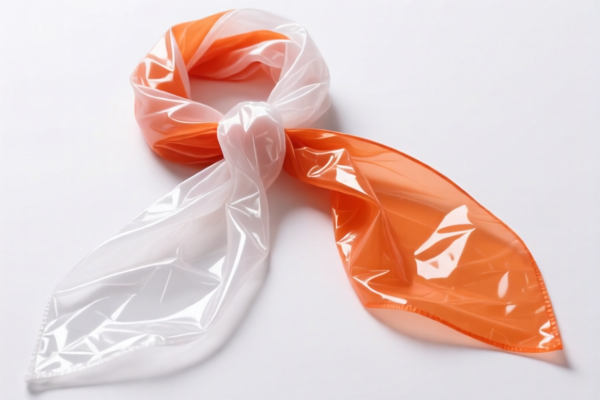
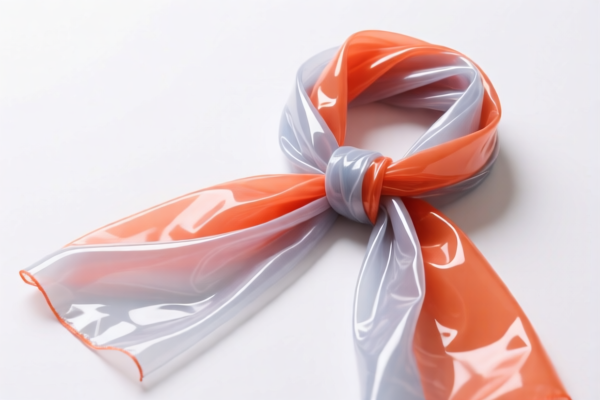
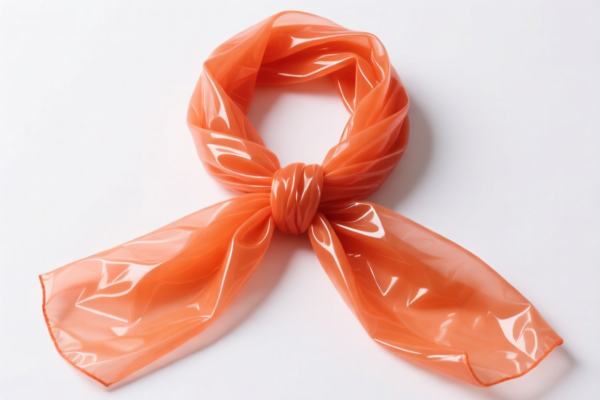
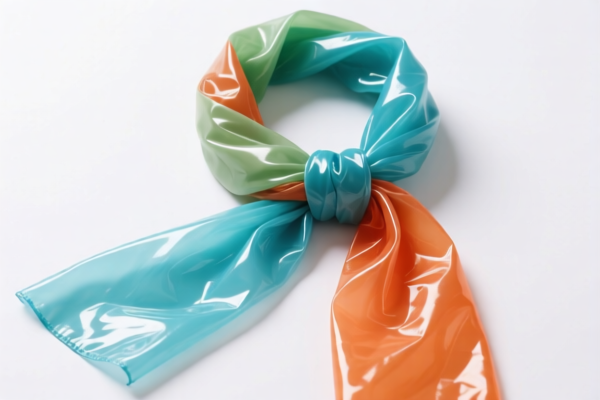
AI Analysis
🧣 Plastic Scarves (Shawls, Mufflers, Veils)
🌐 HS Code Reference & Customs Clearance Guide | 2026 Latest Tariff Analysis | Professional Clearance Strategy
📌 I. Product Definition & Classification: What Exactly Are "Plastic Scarves"?
"Plastic Scarves" in international trade typically refer to shawls, scarves, mufflers, mantillas, veils, and similar articles made primarily from plastic materials or articles classified under specific plastic headings. Unlike textile scarves (made of cotton, wool, or synthetic fibers), these items are defined by their material composition or manufacturing process involving plastics (Chapter 39) or specific textile-like articles made of plastic threads/filaments (Chapter 61 or 62, depending on structure).
In the provided data, the classification splits into two distinct categories based on the construction method: 1. Non-Knitted/Crocheted Plastic Articles: If the item is a molded, woven (non-knit), or otherwise made-up article of plastic (e.g., rigid or semi-rigid plastic scarves, plastic sheeting cut into shape, or articles from materials of headings 3901–3914 that are not elsewhere specified). 2. Knitted/Crocheted or Made-Up Textile-Like Plastic Articles: If the item is knitted, crocheted, or made up like traditional scarves but made of synthetic/man-made fibers (which often include certain plastic-based fibers like polyester, nylon, etc., though strictly "plastic materials" usually fall under Ch 39 unless specified as fiber).
⚠️ Critical Distinction:
- If the scarf is a knitted or crocheted item made of synthetic fibers (including many plastic-derived fibers like polyester), it falls under Chapter 61 or 62.
- If the item is explicitly defined as an "article of plastics" (e.g., rigid plastic decorative scarves, or items from plastic materials not classified as textile fibers), it falls under Chapter 39.
- Note: Most common "plastic" scarves in fashion are actually synthetic fiber (polyester/nylon). If they are knitted, they go to 6117.10. If they are woven/not knitted, they go to 6214.90 or 6214.30. If they are purely plastic articles (not fiber-based textiles), they go to 3926.90.
📦 II. HS Code Classification Details (2026 Latest Tariff Authority Reference)
Based on the provided <DATA>, the classification depends on the material type and construction:
| HS Code | Product Description | Material/Construction Type | Key Identifier |
|---|---|---|---|
3926.90.99.89 |
Other articles of plastics and articles of other materials of headings 3901 to 3914: Other | Pure Plastic Articles | Made from plastic materials (e.g., PVC, PE sheets molded into scarves, or rigid plastic accessories). Not textile fibers. |
6214.90.00.90 |
Shawls, scarves, mufflers... Of other textile materials: Other | Non-Knitted Textile Plastics/Fibers | Woven, felted, or non-knitted articles made of man-made fibers (e.g., woven polyester scarves). |
6214.30.00.00 |
Shawls, scarves, mufflers... Of synthetic fibers | Non-Knitted Synthetic Fibers | Specifically synthetic fiber (e.g., nylon, polyester) in non-knitted form. |
6117.10.20.30 |
Other made up clothing accessories... Shawls, scarves... Of man-made fibers Other | Knitted/Crocheted Man-Made Fibers | Knitted or crocheted scarves made of man-made fibers (including many plastic-based fibers like acrylic, polyester). |
6117.10.60.20 |
Other made up clothing accessories... Shawls, scarves... Other | Knitted/Crocheted Other Materials | Knitted/crocheted scarves made of materials other than man-made fibers (e.g., wool, silk, or mixed non-synthetic). |
🔍 Key Note on "Plastic" vs. "Synthetic Fiber":
- In customs terminology, "Plastic Articles" (Ch 39) usually refers to items made from bulk plastic materials (films, sheets, rods) processed into articles.
- "Synthetic Fibers" (Ch 54/55/61/62) refers to fibers made from polymers (plastics) but spun into yarns and woven/knitted into fabrics.
- Most fashion scarves labeled as "plastic" are actually synthetic fibers (polyester/nylon) and should be classified under 6214 (if woven) or 6117 (if knitted), NOT 3926, unless they are rigid or film-based plastic items.
💰 III. 2026 Latest Tariff Rate Breakdown (Including Additional Duties)
✅ Origin: China (CN)
✅ Destination: United States (US) [Implied by the 7.5% additional tariff pattern]
✅ Effective Time: Current 2026 Tariff Schedule
🎯 1. 3926.90.99.89 — Plastic Articles (Non-Textile)
| Item | Content |
|---|---|
| Base Tariff | 5.3% |
| Additional Tariff (USITC/Section 301) | +7.5% |
| Total Tariff Rate | 12.8% |
| Tax Calculation | CIF Value × 12.8% |
| De Minimis Exemption | ❌ Not Applicable (Standard threshold does not apply to high-duty items if flagged; check specific de minimis rules) |
| Legal Basis | USITC:3926.90.99.89 → Additional Tariff Footnote |
📌 Explanation:
- This item is classified as a general plastic article.
- It bears a significant tariff burden of 12.8%, making it more expensive than most textile scarves.
- If the item is mistakenly classified here (when it should be textile), it may still be accepted but could face scrutiny if the material is actually woven fiber.
🎯 2. 6214.90.00.90 — Other Textile Material Scarves (Woven/Non-Knit)
| Item | Content |
|---|---|
| Base Tariff | 0.0% |
| Additional Tariff | 0.0% |
| Total Tariff Rate | 0.0% |
| Tax Calculation | CIF Value × 0% |
| De Minimis Exemption | ✅ Available (if under $800) |
| Legal Basis | USITC:6214.90.00.90 |
📌 Explanation:
- Zero Duty! This is the most cost-effective classification for non-knitted scarves made of "other textile materials" (e.g., rayon, viscose, or mixed fibers not explicitly synthetic).
- Ideal for scarves made from biodegradable plastics or natural-plastic blends that don't fit "synthetic" definitions.
🎯 3. 6214.30.00.00 — Synthetic Fiber Scarves (Woven/Non-Knit)
| Item | Content |
|---|---|
| Base Tariff | 0.0% |
| Additional Tariff | 0.0% |
| Total Tariff Rate | 0.0% |
| Tax Calculation | CIF Value × 0% |
| De Minimis Exemption | ✅ Available (if under $800) |
| Legal Basis | USITC:6214.30.00.00 |
📌 Explanation:
- Also Zero Duty.
- Applies to common polyester, nylon, or acrylic scarves that are woven (not knitted).
- Most "plastic" scarves in the market fall here if woven.
🎯 4. 6117.10.20.30 — Knitted Scarves of Man-Made Fibers
| Item | Content |
|---|---|
| Base Tariff | 0.0% |
| Additional Tariff | 0.0% |
| Total Tariff Rate | 0.0% |
| Tax Calculation | CIF Value × 0% |
| De Minimis Exemption | ✅ Available (if under $800) |
| Legal Basis | USITC:6117.10.20.30 |
📌 Explanation:
- Zero Duty.
- Applies to knitted or crocheted scarves made of man-made fibers (synthetics).
- Common for soft, stretchy plastic-fiber scarves.
🎯 5. 6117.10.60.20 — Other Knitted Scarves
| Item | Content |
|---|---|
| Base Tariff | 0.0% |
| Additional Tariff | 0.0% |
| Total Tariff Rate | 0.0% |
| Tax Calculation | CIF Value × 0% |
| De Minimis Exemption | ✅ Available (if under $800) |
| Legal Basis | USITC:6117.10.60.20 |
📌 Explanation:
- Zero Duty.
- For knitted scarves made of materials other than man-made fibers (e.g., wool, silk, cotton blends).
🛠️ IV. Customs Clearance Practical Advice (Battle-Tested Guide)
✅ 1. Documentation Checklist (Must-Have)
| Document | Required | Notes |
|---|---|---|
| ✅ Product Specification Sheet | ✔️ | Must clearly state Material Composition (e.g., "100% Polyester," "PVC Plastic," "Rayon"). This is the #1 determinant for HS Code. |
| ✅ Fabric Swatch Sample | ✔️ | Provide a small sample of the material for customs inspection if requested. |
| ✅ Construction Photo | ✔️ | Show if the scarf is Knitted (looped yarn) or Woven (interlaced threads). This distinguishes Ch 61 vs. Ch 62. |
| ✅ Commercial Invoice | ✔️ | Clearly describe as "Women's Scarf, Material: [X], Knitted/Woven: [Yes/No]." Avoid vague terms like "Plastic Scarf" without material detail. |
| ✅ Origin Certificate | ✔️ | If claiming preferential rates (though most are 0% here, proof of origin is still required). |
✅ 2. Declaration Strategy (Key Mnemonics)
🔥 "Knit is 61, Weave is 62, Pure Plastic is 39. Zero Duty for Textiles, Watch the 12.8%!"
| Scenario | Correct HS Code | Tax Rate | Risk |
|---|---|---|---|
| Woven Polyester Scarf | 6214.30.00.00 |
0% | ✅ Low |
| Knitted Polyester Scarf | 6117.10.20.30 |
0% | ✅ Low |
| Woven Rayon/Viscose Scarf | 6214.90.00.90 |
0% | ✅ Low |
| Rigid PVC Plastic Scarf | 3926.90.99.89 |
12.8% | ⚠️ High Cost |
| Knitted Wool Scarf | 6117.10.60.20 |
0% | ✅ Low |
⚠️ Common Mistake:
- Calling a woven polyester scarf "Plastic" and declaring it under3926.90.99.89.
- Result: You pay 12.8% duty unnecessarily.
- Fix: Always declare based on fiber type (Synthetic Textile) → 0% Duty.
✅ 3. Special Cases & Pitfalls
| Case | Handling Advice |
|---|---|
| "Plastic" Feeling Scarf | If it's woven/knitted and made of synthetic fibers (polyester/nylon), declare as 6214.30 or 6117.10. Do NOT use Ch 39. |
| Mixed Material Scarf | If >50% synthetic fiber by weight → Use Synthetic HS Code. If mixed with natural fibers, check predominant material. |
| Gift vs. Commercial | If value < $800 (de minimis), most textile scarves (0% duty) can enter duty-free. Plastic articles (12.8%) may still be taxed if not de minimis exempt. |
| Labeling | Ensure labels say "Polyester" or "Synthetic Fiber," not "Plastic," to align with Ch 61/62. |
🌍 V. Global Market Comparison (2026)
| Country/Region | Recommended HS Code | Tariff | Notes |
|---|---|---|---|
| 🇺🇸 USA | 6214.30.00.00 / 6117.10.20.30 |
0% | Best for synthetic fibers. Avoid 3926 (12.8%). |
| 🇨🇳 China | 6214.30.00.00 |
5% | Standard export tariff. |
| 🇪🇺 EU | 6214.30.00.00 |
4% | General duty. No additional tariffs. |
| 🇬🇧 UK | 6214.30.00.00 |
4% | Post-Brexit rules apply. |
| 🇯🇵 Japan | 6214.30.00.00 |
4% | Standard duty. |
📌 Conclusion:
- US Market is Duty-Free for Synthetic Fiber Scarves (Ch 61/62) if correctly classified.
- Do NOT classify woven/knitted synthetic scarves under "Plastic Articles" (Ch 39) in the US, as you will incur a 12.8% penalty tariff.
📌 VI. Common Errors & Avoidance Guide (Blood-Tested Lessons)
❌ Error 1: Declaring a woven polyester scarf as "Plastic Article" → 3926.90.99.89
👉 Consequence: Pay 12.8% duty instead of 0%. Loss: $128 per $1,000 shipment.
❌ Error 2: Mixing Knitted and Woven items in one shipment without clear separation
👉 Consequence: Customs may delay shipment to reclassify. Risk: Delivery delays.
❌ Error 3: Using vague description "Plastic Scarf" on Invoice
👉 Consequence: Customs may request sample testing, causing demurrage fees.
✅ Correct Practice:
"Women's Scarf, 100% Polyester, Woven, Fashion Accessory, Model XYZ"
→ Declared as:6214.30.00.00→ 0% Duty.
🎯 VII. Conclusion: Accurate Classification Saves Money!
🎯 Remember the Rule:
🔹 "Synthetic Fiber = 0% Duty (Ch 61/62)"
🔹 "Pure Plastic Article = 12.8% Duty (Ch 39)"
🔹 "Knitted vs. Woven" determines Ch 61 vs. Ch 62.
📌 Pro Tip:
- If your scarf is soft, flexible, and made of polyester/nylon, it is almost certainly a textile product, not a plastic article.
- Always use HS Codes under Chapter 61 or 62 to enjoy 0% duty in the US market.
- Only use Chapter 39 for rigid, molded, or film-based plastic items that do not qualify as textile fibers.
📣 Immediate Action:
📞 Verify Material Composition with your supplier.
📄 Update Invoice Description to reflect "Synthetic Fiber" not "Plastic."
🚀 Declare under6214.30.00.00or6117.10.20.30to save 12.8% in taxes!
✨ Smart Classification, Smart Savings!
💼 Your profit margin depends on accurate HS Codes!
Customer Reviews
About HS Code Classification
The Harmonized System (HS) is an internationally standardized nomenclature developed by the World Customs Organization (WCO) to classify traded products. Over 200 countries use the HS system as the basis for customs tariffs, trade statistics, and import/export regulations.
Each HS code follows a hierarchical structure:
- Chapter (2 digits) — Broad category of goods (e.g., Chapter 84: Machinery and Mechanical Appliances)
- Heading (4 digits) — More specific grouping within the chapter
- Subheading (6 digits) — Internationally standardized breakdown, used by all WCO member countries
- National subdivisions (8-10 digits) — Country-specific extensions for further classification, such as US HTSUS 10-digit codes
Correct HS code classification is essential for smooth customs clearance, accurate duty payment, and compliance with trade regulations. Misclassification can lead to customs delays, overpayment of duties, or penalties.
When importing from CN to US, the applicable tariff rates may include:
- Most-Favored-Nation (MFN) rate — The standard duty rate applied to WTO members
- General rate — Applied to countries without trade agreements
- Trade remedy duties — Additional tariffs such as Section 301 (anti-dumping), Section 232 (national security), or countervailing duties
The information provided on this page is for reference purposes only. For official classification, please consult with your local customs authority or a licensed customs broker.