Plastic Shoe Upper
CN → US| HS编码 | 关税税率 | 原产国 | 目的国 | 文档 |
|---|---|---|---|---|
| 6405909030 | 22.5% | CN | US | 官方文档 |
| 6402993115 | 16.0% | CN | US | 官方文档 |
| 6402993145 | 16.0% | CN | US | 官方文档 |
| 6405909060 | 22.5% | CN | US | 官方文档 |
| 6406200000 | 20.2% | CN | US | 官方文档 |
商品图片
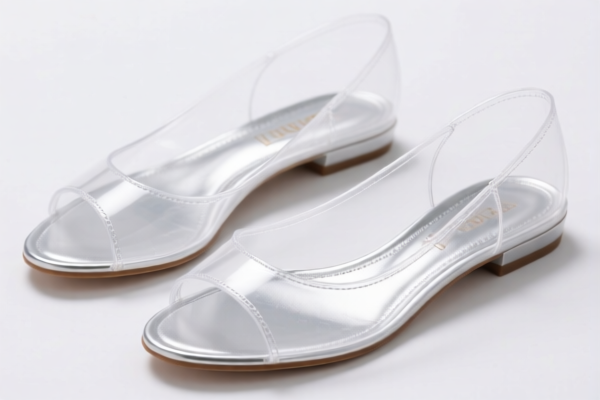
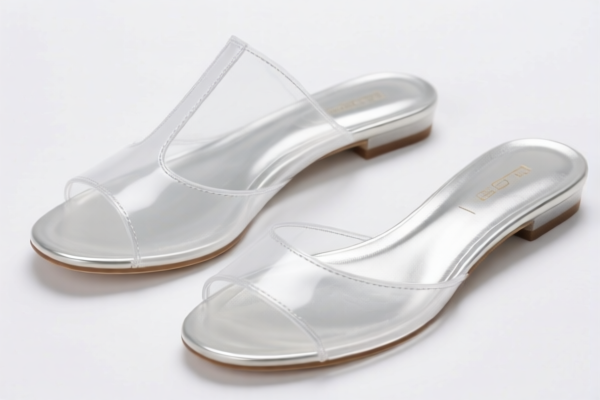
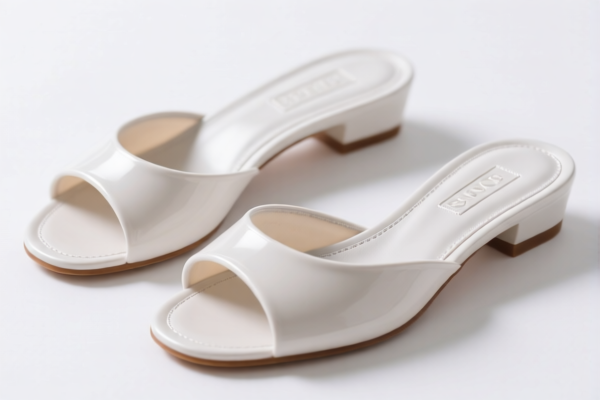
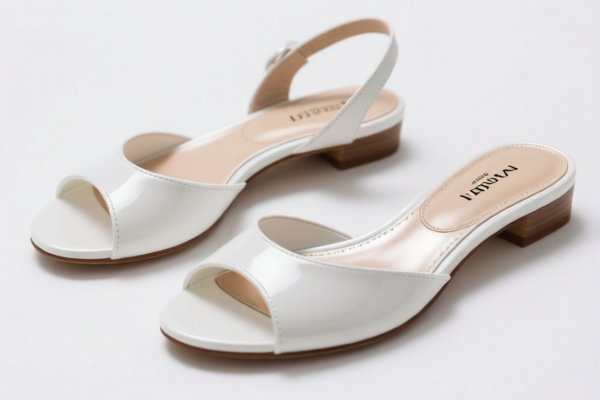
AI分析
👟 Plastic Shoe Upper & Footwear Components
🌐 HS Code Reference & Customs Clearance Guide | 2024-2025 Latest Tariff Analysis | Professional Strategy
📌 I. Product Definition & Classification: What is a "Plastic Shoe Upper"?
In international trade, "Plastic Shoe Upper" (or plastic-based footwear) is not a single homogeneous category. The classification depends heavily on the material composition (plastic vs. rubber/plastic mix), construction method, and percentage of surface area covered by plastic.
Key Distinctions: * Plastic Outer Sole & Upper: Can be classified as "Footwear" (Chapters 6402/6405) or "Parts" (6406) depending on whether it's a finished shoe or just the sole. * Rubber/Plastic Combination: Often falls under specific subheadings if the plastic surface area exceeds certain thresholds (e.g., 90%). * Pure Plastic Parts: If sold as a separate outer sole component, it is classified under "Parts of Footwear."
⚠️ Critical Classification Point:
- If the item is a finished shoe with plastic upper/sole → 6402.xx or 6405.xx
- If the item is a plastic outer sole (part only) → 6406.20
- High plastic content (≥90%) may trigger specific sub-headings in 6402.99
📦 II. HS Code Classification Details (Based on Provided Data)
| HS Code | Product Description | Tax Rate (Total) | Key Characteristics |
|---|---|---|---|
6405.90.90.30 |
Other footwear, plastic outer sole & upper, fitting other material attributes | 22.5% | Catch-all for plastic footwear not specified elsewhere; base duty 12.5% |
6402.99.31.15 |
Plastic outer sole & upper, meets rubber/plastic footwear requirements | 16.0% | Specific subheading for plastic/rubber mix; base duty 6.0% |
6402.99.31.45 |
Plastic outer sole & upper, ≥90% plastic surface area on upper | 16.0% | High plastic content threshold; base duty 6.0% |
6405.90.90.60 |
Plastic upper/outer sole, fits "Other" footwear catch-all category | 22.5% | General catch-all for other plastic footwear; base duty 12.5% |
6406.20.00.00 |
Plastic Outsole (Parts of footwear, specifically outer soles) | 20.2% | Only the sole, not the upper; base duty 2.7% + Section 301 |
🔍 Important Note:
- Codes6402.99.31.15and6402.99.31.45offer lower base duties (6.0%) but require precise material breakdown.
- Code6406.20.00.00is for parts only (soles without uppers). Do not confuse with finished shoes.
- Codes6405.90.90.30and6405.90.90.60are "other" categories with higher base duties (12.5%) and apply when specific subheadings don't fit.
💰 III. Tariff Rate Breakdown (Detailed Tax Clauses)
✅ Applicable Market: United States (US)
✅ Origin: China (CN)
✅ Effective Date: Includes Section 301 (122) tariffs
🎯 1. 6405.90.90.30 & 6405.90.90.60 —— "Other" Plastic Footwear
| Item | Detail |
|---|---|
| Base Duty | 12.5% |
| Section 301 (122-Clause) Tariff | +10.0% |
| Additional Tariffs | 0.0% |
| Total Effective Rate | 22.5% |
| Tax Calculation | CIF Value × 22.5% |
| De Minimis Exemption? | ❌ No (Not eligible for 801.22(b) de minimis) |
| Legal Basis | HTSUS 6405.90.90.xx + IEEPA 9903.01.24/25 |
📌 Explanation:
- These are "other" categories, meaning they don't fit the specific "rubber/plastic" or "90% plastic surface" definitions.
- High Base Duty: 12.5% is significantly higher than the 6.0% for more specific codes.
- 122-Clause Tariff: Applies +10% on top of base duty.
🎯 2. 6402.99.31.15 & 6402.99.31.45 —— Specific Plastic/Rubber Footwear
| Item | Detail |
|---|---|
| Base Duty | 6.0% |
| Section 301 (122-Clause) Tariff | +10.0% |
| Additional Tariffs | 0.0% |
| Total Effective Rate | 16.0% |
| Tax Calculation | CIF Value × 16.0% |
| De Minimis Exemption? | ❌ No (Not eligible for 801.22(b) de minimis) |
| Legal Basis | HTSUS 6402.99.31.xx + IEEPA 9903.01.24/25 |
📌 Explanation:
- Lower Base Duty: 6.0% vs. 12.5% for "other" categories.
- Specific Requirements:
-6402.99.31.15: Must meet general "rubber or plastic" footwear criteria.
-6402.99.31.45: Must have ≥90% plastic surface area on the upper.
- Savings: 6.5% lower base duty compared to "other" codes.
🎯 3. 6406.20.00.00 —— Plastic Outsole (Part Only)
| Item | Detail |
|---|---|
| Base Duty | 2.7% |
| Section 301 (122-Clause) Tariff | +10.0% |
| Additional Tariffs | +7.5% (Specific Section 301 addition) |
| Total Effective Rate | 20.2% |
| Tax Calculation | CIF Value × 20.2% |
| De Minimis Exemption? | ❌ No |
| Legal Basis | HTSUS 6406.20.00.00 + IEEPA 9903.01.24/25 + Section 301 Add'l |
📌 Explanation:
- Lowest Base Duty: Only 2.7% because it's a part, not a finished good.
- Highest Additional Tariff: Includes an extra 7.5% beyond the standard 10% 122-clause tariff.
- Critical Distinction: This is ONLY for the outer sole. If the upper is included, it must be classified under 6402/6405.
🛠️ IV. Customs Clearance Practical Advice
✅ 1. Essential Documentation Checklist
| Document | Required | Purpose |
|---|---|---|
| Product Specification Sheet | ✔️ | Details material composition (plastic vs. rubber %), sole type, upper material |
| Technical Drawing/Photo | ✔️ | Shows construction, especially if claiming ≥90% plastic surface |
| Commercial Invoice | ✔️ | Clearly states "Plastic Shoe Upper" or "Plastic Outsole" as applicable |
| Bill of Lading/Air Waybill | ✔️ | Standard shipping document |
| Certificate of Origin | ✔️ | Confirms CN origin for 122-Clause tariff application |
| Material Declaration | ✔️ | Specifically declares plastic content % to justify 6402.99.31.45 if claimed |
✅ 2. Classification Strategy & Tips
🔥 "Be Specific, Save 6.5%: Distinguish 'Other' from 'Plastic-Majority'"
| Scenario | Recommended HS Code | Why? |
|---|---|---|
| Finished Shoe, Plastic Upper/Sole, no specific fit | 6405.90.90.30 or 6405.90.90.60 |
No specific subheading fits → Higher base duty (12.5%) |
| Finished Shoe, Plastic/Rubber mix, standard criteria | 6402.99.31.15 |
Lower base duty (6.0%) if it meets general plastic/rubber criteria |
| Finished Shoe, ≥90% Plastic Surface on Upper | 6402.99.31.45 |
Best Rate: 16% total. Must prove ≥90% plastic surface area |
| Plastic Outer Sole ONLY (No Upper) | 6406.20.00.00 |
Classified as part → Lowest base duty (2.7%), but highest add'l tariff |
📌 Pro Tip:
- If you are exporting finished shoes, try to qualify for6402.99.31.45by ensuring the upper is ≥90% plastic. This saves 6.5% in base duty compared to "other" codes.
- If exporting soles only, use6406.20.00.00. Do not include uppers in the same shipment if possible, as it changes the classification entirely.
✅ 3. Common Mistakes to Avoid
❌ Mistake 1: Classifying finished shoes with plastic uppers as 6406.20.00.00
👉 Consequence: Misclassification. 6406.20 is for parts only. If uppers are included, it’s footwear (6402/6405). May lead to penalties or delays.
❌ Mistake 2: Not declaring plastic content %
👉 Consequence: Cannot qualify for 6402.99.31.45 (≥90% plastic). Forced into "other" category (6405.90.90.30), paying higher base duty.
❌ Mistake 3: Confusing "Plastic" with "Rubber"
👉 Consequence: If material is >50% rubber, it may not qualify for plastic-specific subheadings. Verify material composition with supplier.
✅ Correct Declaration Example:
"Plastic Upper & Plastic Outer Sole Shoes, 90% Plastic Surface Area on Upper, Model XYZ, CN Origin"
🌍 V. Global Market Comparison (2024-2025)
| Market | Recommended HS Code | Total Tariff (CN Origin) | Notes |
|---|---|---|---|
| 🇺🇸 USA | 6402.99.31.45 |
16.0% | Best rate for finished shoes. Section 301 applies. |
| 🇺🇸 USA | 6405.90.90.30 |
22.5% | For "other" plastic footwear. |
| 🇺🇸 USA | 6406.20.00.00 |
20.2% | For plastic outsoles only. |
| 🇪🇺 EU | 6402.xx / 6405.xx | ~10-12% | No Section 301 tariffs. Check for CE marking. |
| 🇨🇳 China | 6402.xx / 6405.xx | 10-20% | Import duty varies. No additional trade war tariffs. |
📌 Conclusion:
- USA is the most complex market due to Section 301 tariffs.
- Precise classification can save up to 6.5% in base duty.
- Parts vs. Finished Goods: Clear distinction is critical.6406.20is for parts;6402/6405are for finished shoes.
📌 VI. Final Checklist for Importers
- Verify Material Composition: Get a lab test or supplier declaration confirming plastic % on the upper.
- Choose the Right HS Code:
- ≥90% plastic surface →
6402.99.31.45(16%) - Other plastic/rubber →
6402.99.31.15(16%) - Not fitting above →
6405.90.90.30(22.5%) - Sole only →
6406.20.00.00(20.2%) - Document Preparation: Ensure invoices and packing lists clearly describe the product.
- Pre-Consultation: Consider an Advance Ruling from CBP if the product is borderline between categories.
📣 Immediate Action:
📞 Contact your customs broker with material composition data
🚀 Classify accurately to avoid 22.5% rates if you can qualify for 16%
💡 Every percentage point matters in high-tariff categories!
✨ Professional Customs Clearance Starts with Accurate Classification!
💼 Optimize Your Tariff Costs with Precise HS Code Selection!
用户评价
关于 HS 编码归类
协调制度(HS)是由世界海关组织(WCO)制定的国际贸易商品分类标准。全球 200 多个国家采用 HS 系统作为海关关税、贸易统计和进出口监管的基础。
每个 HS 编码遵循以下层级结构:
- 章(2 位)——商品大类(例如:第 84 章:机器和机械设备)
- 品目(4 位)——章内的更具体分类
- 子目(6 位)——国际通用细分,所有 WCO 成员国统一使用
- 本国细分(8-10 位)——各国自行扩展的细分编码,如美国 HTSUS 10 位编码
正确的 HS 编码归类对于顺利通关、准确缴纳关税和遵守贸易法规至关重要。错误归类可能导致海关延误、多缴关税或罚款。
从CN进口到US时,适用的关税税率可能包括:
- 最惠国(MFN)税率——适用于 WTO 成员国的标准关税税率
- 普通税率——适用于无贸易协定国家
- 贸易救济关税——附加关税,如 301 条款(反倾销)、232 条款(国家安全)或反补贴税
本页内容仅供参考。如需正式归类,请咨询当地海关或持牌报关代理。