Plastic Shoe Upper
CN → US| HS Code | Tariff Rate | Origin | Destination | Doc |
|---|---|---|---|---|
| 6405909030 | 22.5% | CN | US | Official Doc |
| 6402993115 | 16.0% | CN | US | Official Doc |
| 6402993145 | 16.0% | CN | US | Official Doc |
| 6405909060 | 22.5% | CN | US | Official Doc |
| 6406200000 | 20.2% | CN | US | Official Doc |
Product Images
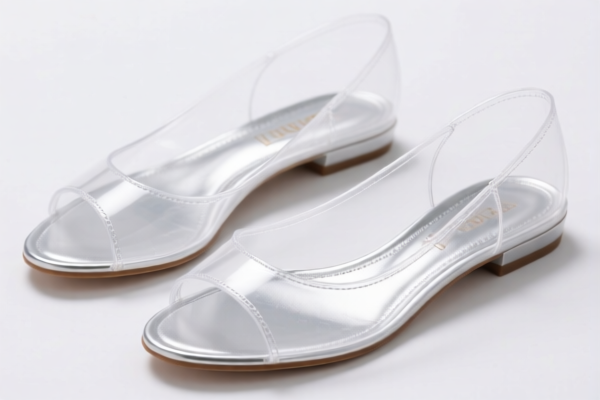
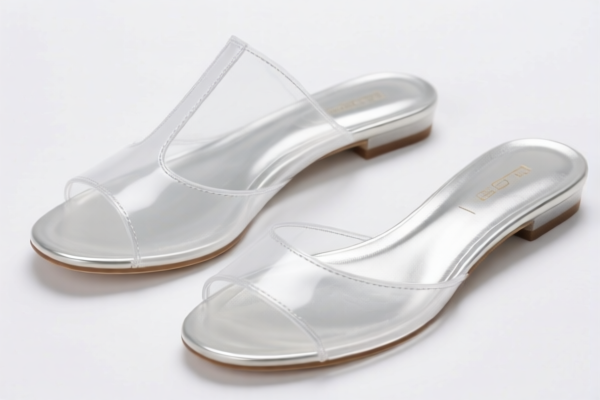
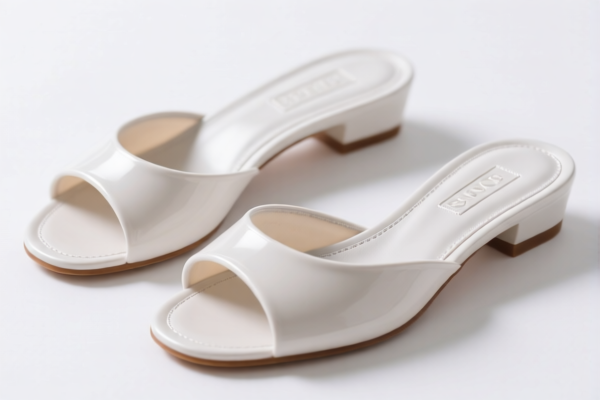
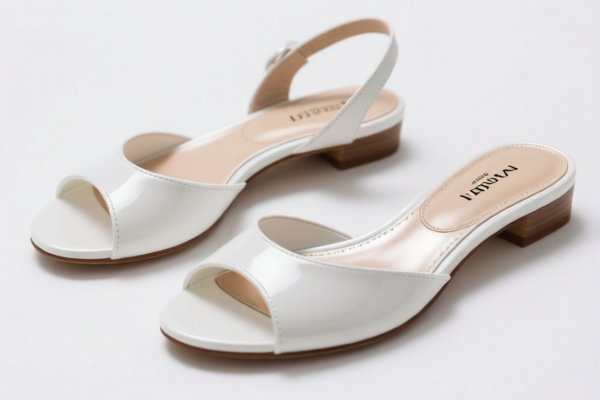
AI Analysis
👟 Plastic Shoe Upper & Footwear Components
🌐 HS Code Reference & Customs Clearance Guide | 2024-2025 Latest Tariff Analysis | Professional Strategy
📌 I. Product Definition & Classification: What is a "Plastic Shoe Upper"?
In international trade, "Plastic Shoe Upper" (or plastic-based footwear) is not a single homogeneous category. The classification depends heavily on the material composition (plastic vs. rubber/plastic mix), construction method, and percentage of surface area covered by plastic.
Key Distinctions: * Plastic Outer Sole & Upper: Can be classified as "Footwear" (Chapters 6402/6405) or "Parts" (6406) depending on whether it's a finished shoe or just the sole. * Rubber/Plastic Combination: Often falls under specific subheadings if the plastic surface area exceeds certain thresholds (e.g., 90%). * Pure Plastic Parts: If sold as a separate outer sole component, it is classified under "Parts of Footwear."
⚠️ Critical Classification Point:
- If the item is a finished shoe with plastic upper/sole → 6402.xx or 6405.xx
- If the item is a plastic outer sole (part only) → 6406.20
- High plastic content (≥90%) may trigger specific sub-headings in 6402.99
📦 II. HS Code Classification Details (Based on Provided Data)
| HS Code | Product Description | Tax Rate (Total) | Key Characteristics |
|---|---|---|---|
6405.90.90.30 |
Other footwear, plastic outer sole & upper, fitting other material attributes | 22.5% | Catch-all for plastic footwear not specified elsewhere; base duty 12.5% |
6402.99.31.15 |
Plastic outer sole & upper, meets rubber/plastic footwear requirements | 16.0% | Specific subheading for plastic/rubber mix; base duty 6.0% |
6402.99.31.45 |
Plastic outer sole & upper, ≥90% plastic surface area on upper | 16.0% | High plastic content threshold; base duty 6.0% |
6405.90.90.60 |
Plastic upper/outer sole, fits "Other" footwear catch-all category | 22.5% | General catch-all for other plastic footwear; base duty 12.5% |
6406.20.00.00 |
Plastic Outsole (Parts of footwear, specifically outer soles) | 20.2% | Only the sole, not the upper; base duty 2.7% + Section 301 |
🔍 Important Note:
- Codes6402.99.31.15and6402.99.31.45offer lower base duties (6.0%) but require precise material breakdown.
- Code6406.20.00.00is for parts only (soles without uppers). Do not confuse with finished shoes.
- Codes6405.90.90.30and6405.90.90.60are "other" categories with higher base duties (12.5%) and apply when specific subheadings don't fit.
💰 III. Tariff Rate Breakdown (Detailed Tax Clauses)
✅ Applicable Market: United States (US)
✅ Origin: China (CN)
✅ Effective Date: Includes Section 301 (122) tariffs
🎯 1. 6405.90.90.30 & 6405.90.90.60 —— "Other" Plastic Footwear
| Item | Detail |
|---|---|
| Base Duty | 12.5% |
| Section 301 (122-Clause) Tariff | +10.0% |
| Additional Tariffs | 0.0% |
| Total Effective Rate | 22.5% |
| Tax Calculation | CIF Value × 22.5% |
| De Minimis Exemption? | ❌ No (Not eligible for 801.22(b) de minimis) |
| Legal Basis | HTSUS 6405.90.90.xx + IEEPA 9903.01.24/25 |
📌 Explanation:
- These are "other" categories, meaning they don't fit the specific "rubber/plastic" or "90% plastic surface" definitions.
- High Base Duty: 12.5% is significantly higher than the 6.0% for more specific codes.
- 122-Clause Tariff: Applies +10% on top of base duty.
🎯 2. 6402.99.31.15 & 6402.99.31.45 —— Specific Plastic/Rubber Footwear
| Item | Detail |
|---|---|
| Base Duty | 6.0% |
| Section 301 (122-Clause) Tariff | +10.0% |
| Additional Tariffs | 0.0% |
| Total Effective Rate | 16.0% |
| Tax Calculation | CIF Value × 16.0% |
| De Minimis Exemption? | ❌ No (Not eligible for 801.22(b) de minimis) |
| Legal Basis | HTSUS 6402.99.31.xx + IEEPA 9903.01.24/25 |
📌 Explanation:
- Lower Base Duty: 6.0% vs. 12.5% for "other" categories.
- Specific Requirements:
-6402.99.31.15: Must meet general "rubber or plastic" footwear criteria.
-6402.99.31.45: Must have ≥90% plastic surface area on the upper.
- Savings: 6.5% lower base duty compared to "other" codes.
🎯 3. 6406.20.00.00 —— Plastic Outsole (Part Only)
| Item | Detail |
|---|---|
| Base Duty | 2.7% |
| Section 301 (122-Clause) Tariff | +10.0% |
| Additional Tariffs | +7.5% (Specific Section 301 addition) |
| Total Effective Rate | 20.2% |
| Tax Calculation | CIF Value × 20.2% |
| De Minimis Exemption? | ❌ No |
| Legal Basis | HTSUS 6406.20.00.00 + IEEPA 9903.01.24/25 + Section 301 Add'l |
📌 Explanation:
- Lowest Base Duty: Only 2.7% because it's a part, not a finished good.
- Highest Additional Tariff: Includes an extra 7.5% beyond the standard 10% 122-clause tariff.
- Critical Distinction: This is ONLY for the outer sole. If the upper is included, it must be classified under 6402/6405.
🛠️ IV. Customs Clearance Practical Advice
✅ 1. Essential Documentation Checklist
| Document | Required | Purpose |
|---|---|---|
| Product Specification Sheet | ✔️ | Details material composition (plastic vs. rubber %), sole type, upper material |
| Technical Drawing/Photo | ✔️ | Shows construction, especially if claiming ≥90% plastic surface |
| Commercial Invoice | ✔️ | Clearly states "Plastic Shoe Upper" or "Plastic Outsole" as applicable |
| Bill of Lading/Air Waybill | ✔️ | Standard shipping document |
| Certificate of Origin | ✔️ | Confirms CN origin for 122-Clause tariff application |
| Material Declaration | ✔️ | Specifically declares plastic content % to justify 6402.99.31.45 if claimed |
✅ 2. Classification Strategy & Tips
🔥 "Be Specific, Save 6.5%: Distinguish 'Other' from 'Plastic-Majority'"
| Scenario | Recommended HS Code | Why? |
|---|---|---|
| Finished Shoe, Plastic Upper/Sole, no specific fit | 6405.90.90.30 or 6405.90.90.60 |
No specific subheading fits → Higher base duty (12.5%) |
| Finished Shoe, Plastic/Rubber mix, standard criteria | 6402.99.31.15 |
Lower base duty (6.0%) if it meets general plastic/rubber criteria |
| Finished Shoe, ≥90% Plastic Surface on Upper | 6402.99.31.45 |
Best Rate: 16% total. Must prove ≥90% plastic surface area |
| Plastic Outer Sole ONLY (No Upper) | 6406.20.00.00 |
Classified as part → Lowest base duty (2.7%), but highest add'l tariff |
📌 Pro Tip:
- If you are exporting finished shoes, try to qualify for6402.99.31.45by ensuring the upper is ≥90% plastic. This saves 6.5% in base duty compared to "other" codes.
- If exporting soles only, use6406.20.00.00. Do not include uppers in the same shipment if possible, as it changes the classification entirely.
✅ 3. Common Mistakes to Avoid
❌ Mistake 1: Classifying finished shoes with plastic uppers as 6406.20.00.00
👉 Consequence: Misclassification. 6406.20 is for parts only. If uppers are included, it’s footwear (6402/6405). May lead to penalties or delays.
❌ Mistake 2: Not declaring plastic content %
👉 Consequence: Cannot qualify for 6402.99.31.45 (≥90% plastic). Forced into "other" category (6405.90.90.30), paying higher base duty.
❌ Mistake 3: Confusing "Plastic" with "Rubber"
👉 Consequence: If material is >50% rubber, it may not qualify for plastic-specific subheadings. Verify material composition with supplier.
✅ Correct Declaration Example:
"Plastic Upper & Plastic Outer Sole Shoes, 90% Plastic Surface Area on Upper, Model XYZ, CN Origin"
🌍 V. Global Market Comparison (2024-2025)
| Market | Recommended HS Code | Total Tariff (CN Origin) | Notes |
|---|---|---|---|
| 🇺🇸 USA | 6402.99.31.45 |
16.0% | Best rate for finished shoes. Section 301 applies. |
| 🇺🇸 USA | 6405.90.90.30 |
22.5% | For "other" plastic footwear. |
| 🇺🇸 USA | 6406.20.00.00 |
20.2% | For plastic outsoles only. |
| 🇪🇺 EU | 6402.xx / 6405.xx | ~10-12% | No Section 301 tariffs. Check for CE marking. |
| 🇨🇳 China | 6402.xx / 6405.xx | 10-20% | Import duty varies. No additional trade war tariffs. |
📌 Conclusion:
- USA is the most complex market due to Section 301 tariffs.
- Precise classification can save up to 6.5% in base duty.
- Parts vs. Finished Goods: Clear distinction is critical.6406.20is for parts;6402/6405are for finished shoes.
📌 VI. Final Checklist for Importers
- Verify Material Composition: Get a lab test or supplier declaration confirming plastic % on the upper.
- Choose the Right HS Code:
- ≥90% plastic surface →
6402.99.31.45(16%) - Other plastic/rubber →
6402.99.31.15(16%) - Not fitting above →
6405.90.90.30(22.5%) - Sole only →
6406.20.00.00(20.2%) - Document Preparation: Ensure invoices and packing lists clearly describe the product.
- Pre-Consultation: Consider an Advance Ruling from CBP if the product is borderline between categories.
📣 Immediate Action:
📞 Contact your customs broker with material composition data
🚀 Classify accurately to avoid 22.5% rates if you can qualify for 16%
💡 Every percentage point matters in high-tariff categories!
✨ Professional Customs Clearance Starts with Accurate Classification!
💼 Optimize Your Tariff Costs with Precise HS Code Selection!
Customer Reviews
About HS Code Classification
The Harmonized System (HS) is an internationally standardized nomenclature developed by the World Customs Organization (WCO) to classify traded products. Over 200 countries use the HS system as the basis for customs tariffs, trade statistics, and import/export regulations.
Each HS code follows a hierarchical structure:
- Chapter (2 digits) — Broad category of goods (e.g., Chapter 84: Machinery and Mechanical Appliances)
- Heading (4 digits) — More specific grouping within the chapter
- Subheading (6 digits) — Internationally standardized breakdown, used by all WCO member countries
- National subdivisions (8-10 digits) — Country-specific extensions for further classification, such as US HTSUS 10-digit codes
Correct HS code classification is essential for smooth customs clearance, accurate duty payment, and compliance with trade regulations. Misclassification can lead to customs delays, overpayment of duties, or penalties.
When importing from CN to US, the applicable tariff rates may include:
- Most-Favored-Nation (MFN) rate — The standard duty rate applied to WTO members
- General rate — Applied to countries without trade agreements
- Trade remedy duties — Additional tariffs such as Section 301 (anti-dumping), Section 232 (national security), or countervailing duties
The information provided on this page is for reference purposes only. For official classification, please consult with your local customs authority or a licensed customs broker.