Plastic Synchronous Belt (for Molding)
CN → US| HS编码 | 关税税率 | 原产国 | 目的国 | 文档 |
|---|---|---|---|---|
| 5910001020 | 39.0% | CN | US | 官方文档 |
| 3926909989 | 22.8% | CN | US | 官方文档 |
| 3926906010 | 39.2% | CN | US | 官方文档 |
| 3926905900 | 37.4% | CN | US | 官方文档 |
商品图片
AI分析
🏭 Plastic Synchronous Belt (for Molding)
🌐 HS Code Reference & Customs Clearance Guide | 2026 Latest Tariff Analysis | Professional Clearance Strategy
📌 I. Product Definition & Classification: What Exactly is a "Plastic Synchronous Belt"?
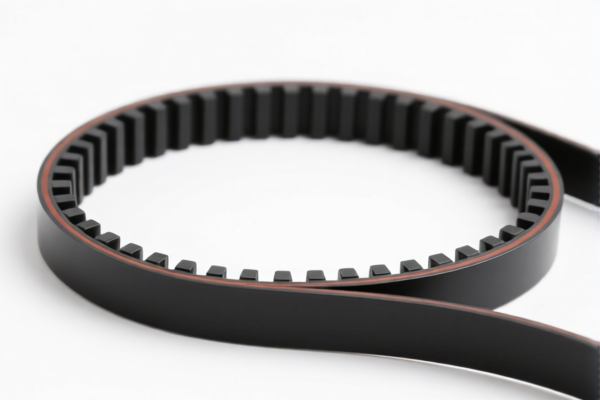
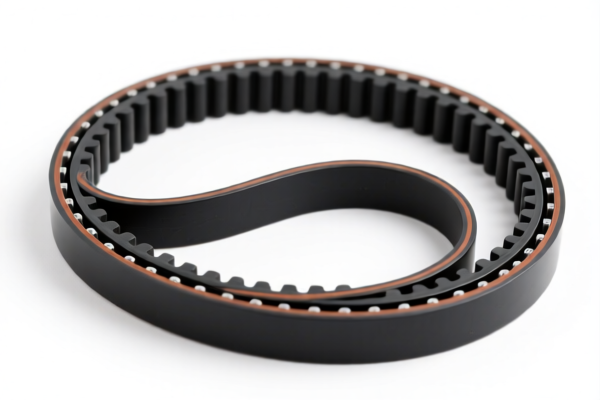
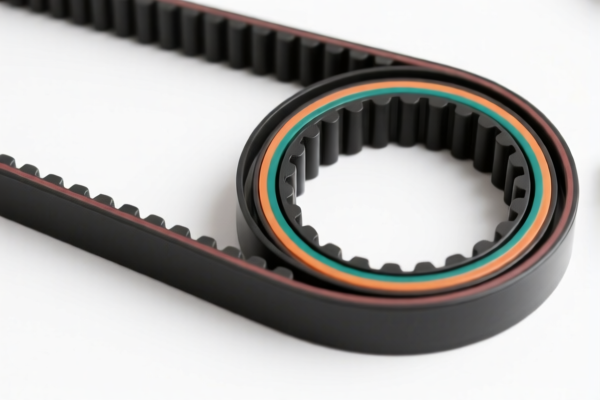
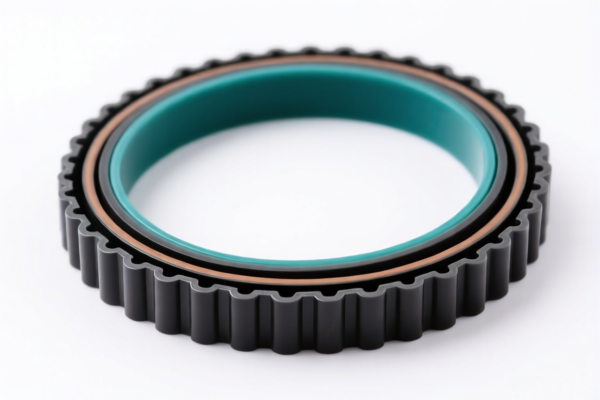
The Plastic Synchronous Belt (specifically for Molding applications) is a critical power transmission component in modern industrial automation and plastic processing machinery. Unlike traditional rubber belts, these belts are engineered from high-performance synthetic materials (typically Polyurethane/TPU with steel or fiberglass tensile cords) to offer:
- Synchronization: Precise timing and zero-slip power transmission.
- Chemical & Heat Resistance: Essential for hot, oily, or chemical-heavy molding environments.
- Low Maintenance: No lubrication required, clean operation.
⚠️ Critical Classification Distinction:
The classification hinges on two factors:
1. Primary Function: Is it a Transmission Belt (power transmission) or merely a Plastic Article (general use)?
2. Material Composition: While the cover is plastic, the core often contains steel/fiberglass. However, if the plastic material constitutes the essential character or if no specific "transmission belt" code exists for the exact material mix, it may fall under general plastic articles.
Key Decision Point:
- If the belt is strictly for transmitting motion/power (synchronous timing), it typically falls under Chapter 59 (Textiles/Impregnated Fabrics) or specific Plastic Transmission Belt codes.
- If the customs authority views it primarily as a "Plastic Article" due to the dominant plastic composition or lack of specific textile backing, it falls under Chapter 39 (Plastics).
📦 II. HS Code Classification Details (Based on Provided Data)
The provided data offers four potential classifications. Below is the detailed breakdown of why each applies, along with the associated tax implications.
| HS Code | Description & Matching Logic | Total Tax Rate | Tax Detail Breakdown |
|---|---|---|---|
| 5910.00.10.20 | Logic: The name explicitly contains "Synchronous Belts" (sync belts) and "Plastic". This fits the logic of power transmission belts made of artificial fibers/synthetic plastics. It aligns with the definition of synchronous belts under Chapter 59. | 39.0% | Base Duty: 4.0% Section 301 Duty: 25.0% Section 122 Duty: 10% |
| 3926.90.99.89 | Logic: The material is 'Plastic'. The form is a 'Belt'. It falls under "Other articles of plastics" because it may not fit strictly into specific textile-based transmission codes, serving as a catch-all for plastic products. | 22.8% | Base Duty: 5.3% Section 301 Duty: 7.5% Section 122 Duty: 10% |
| 3926.90.60.10 | Logic: The name explicitly includes Material (Plastic) and Use (Synchronous Belts). It fully complies with the material and specific category requirements in the classification explanation. | 39.2% | Base Duty: 4.2% Section 301 Duty: 25.0% Section 122 Duty: 10% |
| 3926.90.59.00 | Logic: 'Plastic' corresponds to plastic articles; 'Synchronous Belts' corresponds to transmission belts/belts. Since this is an 'Other' (catch-all) category, and there is no conflict in material or form, it is used as a fallback. | 37.4% | Base Duty: 2.4% Section 301 Duty: 25.0% Section 122 Duty: 10% |
🔍 Analysis Note:
- Codes 5910.00.10.20, 3926.90.60.10, and 3926.90.59.00 all incur high Section 301 duties (25%), totaling 37.4% - 39.2%.
- Code 3926.90.99.89 is the most cost-effective option listed, with a lower Section 301 rate (7.5%), resulting in a total tax of 22.8%. This suggests that classifying it as a general "Plastic Article" rather than a specific "Transmission Belt" significantly reduces tariff exposure.
💰 III. 2026 Latest Tariff Rate Breakdown (Including Surtaxes & Policy Add-ons)
✅ Applicable Country: United States (US)
✅ Origin: China (CN)
✅ Effective Time: 2025/2026 (Current Trade Policies)
🎯 1. 5910.00.10.20 — Synchronous Belts (Plastic/Textile Hybrid)
| Item | Content |
|---|---|
| Base Duty | 4.0% |
| Section 301 Surtax | +25.0% (Heavy surtax on industrial belts) |
| Section 122 Surtax | +10.0% |
| Total Tax Rate | 39.0% |
| Calculation | CIF Value × 39.0% |
| De Minimis Exemption | ❌ Not Eligible (High value industrial goods) |
| Legal Basis | Chapter 59 (Textile-based transmission belts) + 301/122 clauses |
📌 Explanation:
- This code is chosen if the belt is considered a textile-based or impregnated transmission belt.
- High Risk: The 25% Section 301 duty makes this expensive.
🎯 2. 3926.90.99.89 — Other Plastic Articles (Optimal Cost Choice)
| Item | Content |
|---|---|
| Base Duty | 5.3% |
| Section 301 Surtax | +7.5% (Lower tier for certain plastic articles) |
| Section 122 Surtax | +10.0% |
| Total Tax Rate | 22.8% |
| Calculation | CIF Value × 22.8% |
| De Minimis Exemption | ❌ Not Eligible |
| Legal Basis | Chapter 39 (Plastics) + 301/122 clauses |
📌 Advantage:
- Savings: Saves ~16-17% in total duty compared to other codes.
- Justification: If the belt is predominantly plastic (e.g., TPU with fiberglass cord, not heavy textile), it can be argued as a "Plastic Article."
🎯 3. 3926.90.60.10 — Plastic Synchronous Belts (Specific)
| Item | Content |
|---|---|
| Base Duty | 4.2% |
| Section 301 Surtax | +25.0% |
| Section 122 Surtax | +10.0% |
| Total Tax Rate | 39.2% |
| Calculation | CIF Value × 39.2% |
| De Minimis Exemption | ❌ Not Eligible |
📌 Note:
- Despite being a "Plastic" code, it carries the highest total tax (39.2%). This implies that specific plastic transmission belt codes are heavily taxed.
🎯 4. 3926.90.59.00 — Other Plastic Articles (Fallback)
| Item | Content |
|---|---|
| Base Duty | 2.4% |
| Section 301 Surtax | +25.0% |
| Section 122 Surtax | +10.0% |
| Total Tax Rate | 37.4% |
| Calculation | CIF Value × 37.4% |
| De Minimis Exemption | ❌ Not Eligible |
📌 Note:
- Lower base duty (2.4%) but still hit by 35% surtaxes.
🛠️ IV. Customs Clearance Practical Advice (Pitfall Avoidance Guide)
✅ 1. Document Preparation Checklist (Non-Negotiable)
| Document | Required | Purpose |
|---|---|---|
| ✅ Product Specification Sheet | ✔️ | Must detail: Material (e.g., TPU, Polyamide), Cord Material (Steel/Fiberglass), Tooth Profile, Width, Length. |
| ✅ Technical Drawings | ✔️ | Show cross-section to prove Plastic dominance if aiming for HS 3926.90.99.89. |
| ✅ Product Photos | ✔️ | Clear images of teeth, smooth side, and any branding. |
| ✅ Certificate of Origin (CO) | ✔️ | If not China-origin, check for free trade agreements. |
| ✅ Commercial Invoice | ✔️ | Clearly state "Plastic Synchronous Belt for Molding Machinery." Avoid vague terms like "Rubber Belt." |
| ✅ Packing List | ✔️ | Include gross/net weight. |
✅ 2. Declaration Strategy (Key Mnemonic)
🔥 "Material is King, Function is Queen, Choose 3926.99 for Savings!"
| Scenario | Recommended HS Code | Why? |
|---|---|---|
| Belt is mostly Plastic (TPU/PU) with Fiberglass Core | 3926.90.99.89 | Lowest Tax (22.8%). Argue it's a "Plastic Article" rather than a textile belt. |
| Belt is Textile-based (Canvas/Rayon) with Plastic Coating | 5910.00.10.20 | Standard for textile-based sync belts. High tax (39.0%). |
| Belt is Metal/Steel Chain-like | N/A | Not applicable. Must be plastic/plastic-composite. |
| Belt is for Food/Pharma (FDA Compliant) | 3926.90.99.89 | Still best to classify as plastic article for tax savings, ensure FDA docs are ready. |
⚠️ Warning:
- Do NOT declare as "Rubber Belt" if it is plastic. This leads to misclassification penalties.
- Do NOT split a set of belts into individual pieces to lower value; declare as a set.
✅ 3. Special Cases
| Case | Handling Advice |
|---|---|
| OEM Custom Belts | Provide customer drawings to prove custom nature. |
| Belt with Guide Rails | If sold separately, declare as "Plastic Parts" (3926.90.99.89). If attached, declare as part of the belt. |
| Used/Refurbished Belts | Prohibited/Restricted in many cases. Declare as new. |
| Samples | Value must be accurate. Low value may still face 22.8% tax. |
🌍 V. Global Market Comparison (2026)
| Country/Region | Recommended HS Code | Estimated Duty | Certification | Remarks |
|---|---|---|---|---|
| 🇺🇸 USA | 3926.90.99.89 | 22.8% | None specific | Best option due to lower 301 duty. |
| 🇺🇸 USA | 5910.00.10.20 | 39.0% | None | High tax, avoid if possible. |
| 🇪🇺 EU | 3926.90.97.90 | ~4-6% | CE (if machinery) | No Section 301/122. Much cheaper. |
| 🇨🇳 China | 3926.90.90.90 | ~5-10% | CCC (if for specific machinery) | Import duties apply. |
| 🇬🇧 UK | 3926.90.99.90 | ~4-6% | UKCA | Post-Brexit rules apply. |
📌 Conclusion:
- USA is the most expensive market due to Section 301 & 122 tariffs.
- Strategy: Aim for 3926.90.99.89 to minimize US duties.
- Alternative: Consider transshipment (if legal) or origin shifting (e.g., from Vietnam/Mexico) for US market to avoid 301/122 tariffs entirely.
📌 VI. Common Mistakes & Pitfalls (Lessons Learned)
❌ Mistake 1: Declaring as "Rubber Belt" when it is Plastic
👉 Result: Misclassification, fines, potential seizure.
✅ Fix: Use "Plastic Synchronous Belt" in all docs.
❌ Mistake 2: Ignoring Section 122 Tariff
👉 Result: Underpayment of 10%.
✅ Fix: Ensure invoice value includes all costs to calculate 122 correctly.
❌ Mistake 3: Using "General Plastic Product" for High-Value Sync Belts
👉 Result: Customs may reclassify to 5910 if textile content is high.
✅ Fix: Provide material composition proof (e.g., % plastic vs. cord).
❌ Mistake 4: No Technical Drawing
👉 Result: Delayed clearance, requests for more info.
✅ Fix: Always attach a spec sheet showing tooth profile and material.
🎯 VII. Conclusion: Professional Declaration, Cost Efficiency!
🎯 Remember the Mantra:
🔹 "Plastic Core, 3926.99.89, Save 16%, Avoid 39%!"
🔹 "Section 301 is High, Choose Wisely!"
🔹 "HS Code Determines Profit, Don't Guess!"
📌 Pro Tip:
If your plastic synchronous belt is originating from Vietnam, Thailand, or Mexico, it may be exempt from Section 301/122 tariffs.
👉 Action: Apply for Pre-Ruling or verify Origin Rules.
👉 Result: Duty could drop to 4-6% (Base Duty Only).
📣 Immediate Action:
📞 Contact your customs broker with Material Specs + Drawings.
🚀 Declare as3926.90.99.89to save ~16-17% in US duties.
💼 Your Profit Margin Depends on Precision!
✨ Clear Customs, Clear Profits!
💼 Every Percentage Point Counts!
用户评价
关于 HS 编码归类
协调制度(HS)是由世界海关组织(WCO)制定的国际贸易商品分类标准。全球 200 多个国家采用 HS 系统作为海关关税、贸易统计和进出口监管的基础。
每个 HS 编码遵循以下层级结构:
- 章(2 位)——商品大类(例如:第 84 章:机器和机械设备)
- 品目(4 位)——章内的更具体分类
- 子目(6 位)——国际通用细分,所有 WCO 成员国统一使用
- 本国细分(8-10 位)——各国自行扩展的细分编码,如美国 HTSUS 10 位编码
正确的 HS 编码归类对于顺利通关、准确缴纳关税和遵守贸易法规至关重要。错误归类可能导致海关延误、多缴关税或罚款。
从CN进口到US时,适用的关税税率可能包括:
- 最惠国(MFN)税率——适用于 WTO 成员国的标准关税税率
- 普通税率——适用于无贸易协定国家
- 贸易救济关税——附加关税,如 301 条款(反倾销)、232 条款(国家安全)或反补贴税
本页内容仅供参考。如需正式归类,请咨询当地海关或持牌报关代理。