Plastic Waterproof Tablecloth
CN → US| HS编码 | 关税税率 | 原产国 | 目的国 | 文档 |
|---|---|---|---|---|
| 5903102010 | 35.0% | CN | US | 官方文档 |
| 3920100000 | 39.2% | CN | US | 官方文档 |
| 5903102090 | 35.0% | CN | US | 官方文档 |
| 3920200055 | 39.2% | CN | US | 官方文档 |
| 5903102010 | 35.0% | CN | US | 官方文档 |
商品图片
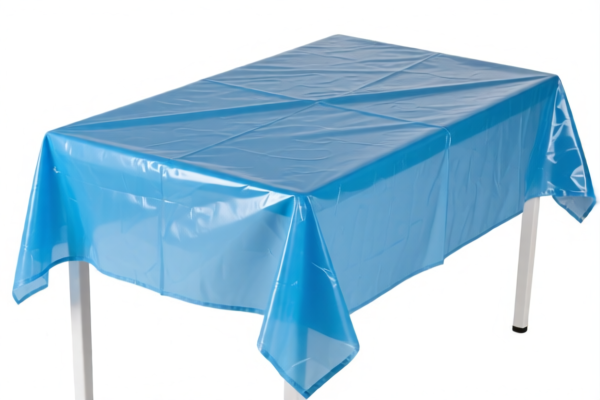
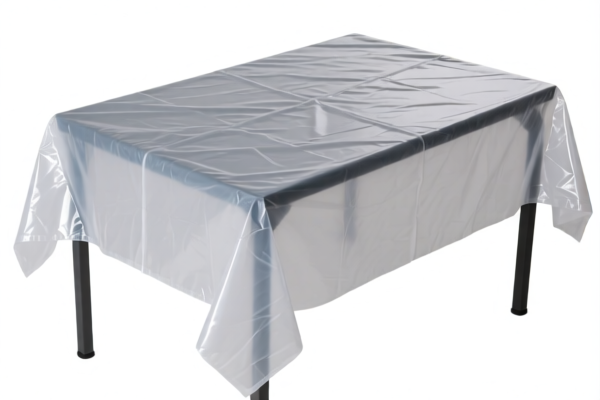
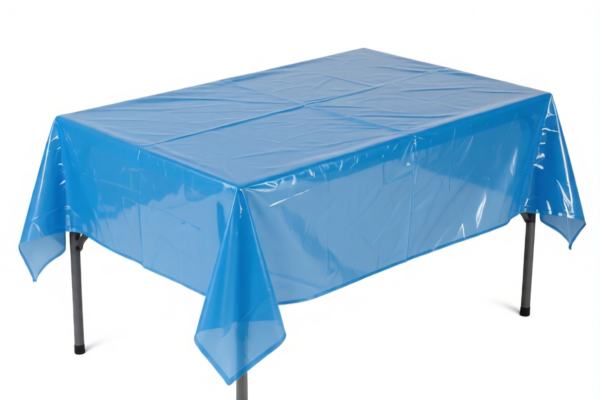
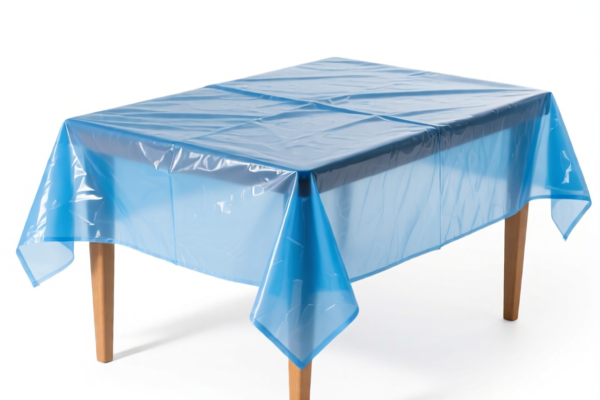
AI分析
🌧️ Plastic Waterproof Tablecloth (Plastic-Coated Fabric & PVC Sheets)
🌐 HS Code Reference & Customs Clearance Guide | 2026 Latest Tariff Analysis | Professional Strategy for Plastic/Textile Hybrid Goods
📌 I. Product Definition & Classification: What Exactly Is a "Plastic Tablecloth"?
A "Plastic Waterproof Tablecloth" is a hybrid consumer good. It falls into a gray area between Textiles and Plastics, depending on its manufacturing process:
- Textile-Based (Coated/Laminated): A fabric base (polyester/cotton) that is impregnated, coated, covered, or laminated with plastic (typically PVC or PE). This is the most common "waterproof tablecloth" type.
- Key Characteristic: You can see the fabric weave underneath the plastic coating.
- Pure Plastic (Sheet/Film): A solid sheet of plastic (PVC/PP/PE) without a fabric backing.
- Key Characteristic: It behaves like a thin sheet or membrane, not a woven fabric.
⚠️ Critical Distinction:
- If it is fabric + plastic coating → Likely 5903 (Textiles impregnated with plastic).
- If it is pure plastic sheet/film → Likely 3920 (Non-cellular plastic plates/sheets).
- Why it matters: The tax rate differs significantly due to the base tariff and trade remedy duties.
📦 II. HS Code Classification Details (2026 Latest Tariff Authority)
| HS Code | Product Description | Application Scenario | Key Matching Logic |
|---|---|---|---|
5903.10.20.10 |
Textile fabrics impregnated, coated, covered or laminated with PVC, printed, weighing ≤ 150 g/m² | Common disposable or semi-durable plastic tablecloths; PVC-coated polyester/cotton | ✅ Fabric Base + PVC Coating + Consumer Form |
5903.10.20.90 |
Textile fabrics impregnated, coated, covered or laminated with PVC (Other) | Heavier PVC-coated tablecloths (>150 g/m²) or non-printed generic versions | ✅ Fabric Base + PVC Coating + Generic Form |
3920.10.00.00 |
Plates, sheets, film, foil and strip, of polymers of ethylene (PE) | Pure plastic (PE/Polyethylene) tablecloths; thin, flexible plastic sheets | ✅ Pure Plastic + Polymer of Ethylene + Sheet Form |
3920.20.00.55 |
Plates, sheets, film, foil and strip, of polymers of propylene (PP) (Other) | Pure plastic (PP/Polypropylene) tablecloths; "cloth-like" PP sheets | ✅ Pure Plastic + Polymer of Propylene + Other Form |
🔍 Key Note:
-5903categories assume a textile foundation. If customs inspectors determine the fabric content is minimal or the item is essentially a plastic sheet, they may reclassify it to3920. -3920categories assume no textile backing. If there is visible woven fabric, this classification is risky.
💰 III. 2026 Latest Tariff Rate Breakdown (Including Surcharge & Policy Add-ons)
✅ Applicable Country: USA (US)
✅ Origin: China (CN)
✅ Effective Time: November 10, 2025 (and subsequent imports)
🎯 1. 5903.10.20.10 & 5903.10.20.90 —— PVC-Coated Textile Tablecloths
| Item | Content |
|---|---|
| Base Tariff | 0.0% (ad valorem) |
| USITC Surcharge (Section 301) | +25.0% |
| IEEPA Surcharge (China-specific) | +10.0% (122-Item Tariff) |
| Total Effective Rate | 35.0% |
| Tax Calculation | CIF Value × 35% |
| De Minimis Exemption? | ❌ NO (deny_de_minimis) |
| Legal Basis Path | IEEPA:9903.01.25 → IEEPA:9903.01.24 → USITC:5903.10.20.10/90 → FOOTNOTE:9903.88.01 |
📌 Explanation:
- Base Rate is 0%: Because it is classified as a textile product (Chapter 59), the standard MFN duty is often 0%. - Surcharge is Heavy: The 25% (Section 301) + 10% (IEEPA) creates a massive 35% tax burden. - Why 35%? Even though the base is 0%, the add-on tariffs apply fully to the CIF value.
🎯 2. 3920.10.00.00 (PE) & 3920.20.00.55 (PP) —— Pure Plastic Tablecloths
| Item | Content |
|---|---|
| Base Tariff | 4.2% (ad valorem) |
| USITC Surcharge (Section 301) | +25.0% |
| IEEPA Surcharge (China-specific) | +10.0% (122-Item Tariff) |
| Total Effective Rate | 39.2% |
| Tax Calculation | CIF Value × 39.2% |
| De Minimis Exemption? | ❌ NO (deny_de_minimis) |
| Legal Basis Path | IEEPA:9903.01.25 → IEEPA:9903.01.24 → USITC:3920.xx.xx.xx → FOOTNOTE:9903.88.01 |
📌 Explanation:
- Higher Total Rate: Because the base tariff for plastics (3920) is 4.2% (vs. 0% for textiles), the total tax is 39.2%, which is 4.2 percentage points higher than the textile option. - Risk of Misclassification: If you declare a PVC-coated fabric tablecloth as "Pure Plastic" (3920) to avoid textile checks, customs may audit and fine you for wrong classification. Conversely, declaring a pure plastic sheet as "Textile" (5903) may lead to rejection if no fabric is found.
🛠️ IV. Customs Clearance Practical Advice (Real-World Pitfall Guide)
✅ 1. Documentation Checklist (Mandatory)
| Document | Required? | Description |
|---|---|---|
| ✅ Product Spec Sheet | ✔️ | Must specify: Material Composition (e.g., "100% Polyester with PVC Coating" vs. "100% PE"). |
| ✅ Product Photos | ✔️ | Close-ups showing the weave (for 5903) or smooth surface (for 3920). |
| ✅ Commercial Invoice | ✔️ | Clearly state: "PVC Coated Polyester Tablecloth" or "Polyethylene Plastic Sheet". Avoid vague terms like "Plastic Cloth". |
| ✅ Packaging List | ✔️ | Detail weight and dimensions. |
| ✅ Certificate of Origin | ✔️ | If non-China, may reduce taxes. For China, standard CO needed. |
✅ 2. Declaration Strategy (Key Mantras)
🔥 “Identify the Base: Fabric = 5903 (35%), Pure Plastic = 3920 (39.2%)”
| Scenario | Correct Declaration | Wrong Practice |
|---|---|---|
| Fabric + PVC Coating | Use 5903.10.20.10 or 5903.10.20.90 |
Declare as 3920 → Risk of penalty for misclassification. |
| Pure Plastic Sheet | Use 3920.10.00.00 (PE) or 3920.20.00.55 (PP) |
Declare as 5903 → Customs may reject due to lack of textile evidence. |
| Hybrid/Unclear | Provide Material Test Report showing fabric content % | Vague description "Plastic Tablecloth" → Delays & Inspections. |
✅ 3. Special Case Handling
| Scenario | Handling Advice |
|---|---|
| Disposable Plastic Tablecloths | Often thin PE/PP. Prefer 3920 if no fabric. Tax: 39.2%. |
| Reinforced Plastic Tablecloths | If fabric reinforcement is visible, use 5903. Tax: 35%. |
| "Cloth-like" PP Sheets | Even if it feels like cloth, if it’s woven PP (no textile fiber), it’s 3920. Tax: 39.2%. |
| Customs Audit Trigger | If declared as 5903 but no fabric is found → Customs may reclassify to 3920 AND apply penalties. |
🌍 V. Global Market Comparison (2026 Latest)
| Country/Region | Recommended HS Code | Tariff Rate (China Origin) | Certification Required | Notes |
|---|---|---|---|---|
| 🇺🇸 USA | 5903.10.20.10 or 3920.xx |
35.0% (Textile) or 39.2% (Plastic) | No specific, but must comply with IEEPA/301 | High Tax Market. Avoid de minimis. |
| 🇨🇳 China | 5903 or 3920 |
~5-10% | CCC (if applicable) | Low tax, high volume. |
| 🇪🇺 EU | 5903 or 3920 |
0-6.5% | CE (if applicable) | No Section 301/IEEPA equivalent. |
| 🇬🇧 UK | 5903 or 3920 |
0-6.5% | UKCA | Post-Brexit rules apply. |
| 🇨🇦 Canada | 5903 or 3920 |
0-5% | None typically | CUSMA may apply for non-China goods. |
📌 Conclusion:
- The USA is the most expensive market for plastic tablecloths from China due to the 35%-39.2% total tariff. -5903(Textile) is slightly cheaper (35%) than3920(Plastic, 39.2%), but only if the product genuinely has a fabric base.
📌 VI. Common Mistakes & Pitfalls (Lessons from Experience)
❌ Mistake 1: Declaring a PVC-coated fabric tablecloth as 3920 to save time.
👉 Consequence: Customs inspects, finds fabric, reclassifies to 5903, and may impose fines for incorrect declaration.
👉 Tax Impact: You might save nothing, but face delays.
❌ Mistake 2: Declaring a pure plastic sheet as 5903.
👉 Consequence: Customs demands proof of textile content. If none is found, they may reject the entry or reclassify to 3920 PLUS charge penalties.
👉 Tax Impact: Higher base tax (4.2%) + penalties.
❌ Mistake 3: Ignoring the 10% IEEPA Surcharge.
👉 Consequence: Underestimating landed cost.
👉 Financial Impact: Profit margin wiped out by unbudgeted 10% tax.
✅ Correct Action:
"PVC-Coated Polyester Tablecloth, 100g/m², Printed, for Household Use"
HS Code:5903.10.20.10
Total Tax: 35.0%"Polyethylene Plastic Sheet, 0.1mm Thick, Transparent"
HS Code:3920.10.00.00
Total Tax: 39.2%
🎯 VII. Conclusion: Precision in Classification Saves Money
🎯 Remember the Mantra:
🔹 "Fabric Base? Go 5903 (35%). Pure Plastic? Go 3920 (39.2%)."
🔹 "No De Minimis for USA! Plan for 35-39% Tax."
🔹 "Correct Declaration Prevents Fines. Vague Names Cause Delays."
📌 Pro Tip:
If your supplier can prove the fabric content (e.g., via material test report), use 5903 to save 4.2% on the total tax burden. If it’s pure plastic, accept the 39.2% rate but ensure accurate documentation to avoid penalties.
📣 Immediate Action:
📞 Contact your customs broker with material composition details.
🚀 Apply for Advance Ruling if importing large volumes to lock in the HS Code.
💰 Calculate Landed Cost including 35-39.2% tax to ensure profitability.
✨ Professional Clearance Starts with Accurate Classification!
💼 Every cent of tax cost matters in the plastic/textile trade!
用户评价
关于 HS 编码归类
协调制度(HS)是由世界海关组织(WCO)制定的国际贸易商品分类标准。全球 200 多个国家采用 HS 系统作为海关关税、贸易统计和进出口监管的基础。
每个 HS 编码遵循以下层级结构:
- 章(2 位)——商品大类(例如:第 84 章:机器和机械设备)
- 品目(4 位)——章内的更具体分类
- 子目(6 位)——国际通用细分,所有 WCO 成员国统一使用
- 本国细分(8-10 位)——各国自行扩展的细分编码,如美国 HTSUS 10 位编码
正确的 HS 编码归类对于顺利通关、准确缴纳关税和遵守贸易法规至关重要。错误归类可能导致海关延误、多缴关税或罚款。
从CN进口到US时,适用的关税税率可能包括:
- 最惠国(MFN)税率——适用于 WTO 成员国的标准关税税率
- 普通税率——适用于无贸易协定国家
- 贸易救济关税——附加关税,如 301 条款(反倾销)、232 条款(国家安全)或反补贴税
本页内容仅供参考。如需正式归类,请咨询当地海关或持牌报关代理。