Plastic Waterproof Tablecloth
CN → US| HS Code | Tariff Rate | Origin | Destination | Doc |
|---|---|---|---|---|
| 5903102010 | 35.0% | CN | US | Official Doc |
| 3920100000 | 39.2% | CN | US | Official Doc |
| 5903102090 | 35.0% | CN | US | Official Doc |
| 3920200055 | 39.2% | CN | US | Official Doc |
| 5903102010 | 35.0% | CN | US | Official Doc |
Product Images
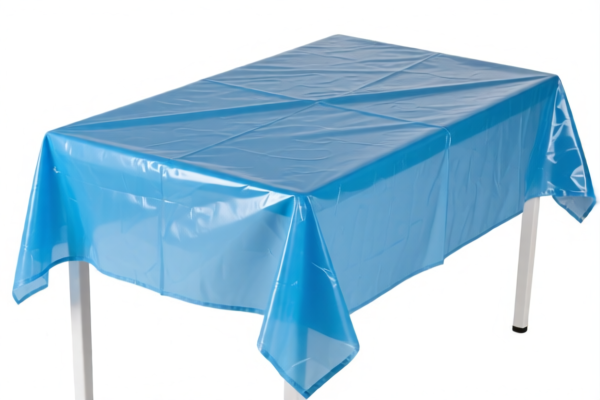
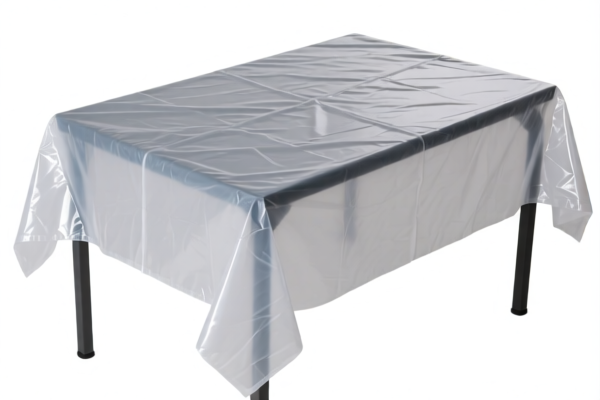
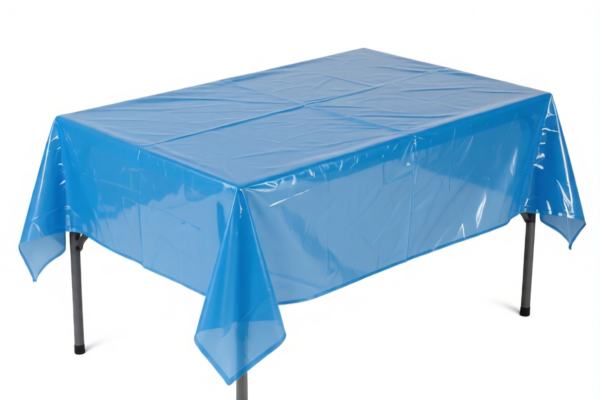
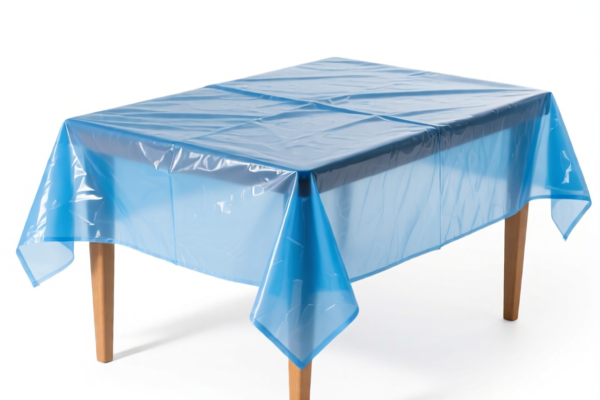
AI Analysis
🌧️ Plastic Waterproof Tablecloth (Plastic-Coated Fabric & PVC Sheets)
🌐 HS Code Reference & Customs Clearance Guide | 2026 Latest Tariff Analysis | Professional Strategy for Plastic/Textile Hybrid Goods
📌 I. Product Definition & Classification: What Exactly Is a "Plastic Tablecloth"?
A "Plastic Waterproof Tablecloth" is a hybrid consumer good. It falls into a gray area between Textiles and Plastics, depending on its manufacturing process:
- Textile-Based (Coated/Laminated): A fabric base (polyester/cotton) that is impregnated, coated, covered, or laminated with plastic (typically PVC or PE). This is the most common "waterproof tablecloth" type.
- Key Characteristic: You can see the fabric weave underneath the plastic coating.
- Pure Plastic (Sheet/Film): A solid sheet of plastic (PVC/PP/PE) without a fabric backing.
- Key Characteristic: It behaves like a thin sheet or membrane, not a woven fabric.
⚠️ Critical Distinction:
- If it is fabric + plastic coating → Likely 5903 (Textiles impregnated with plastic).
- If it is pure plastic sheet/film → Likely 3920 (Non-cellular plastic plates/sheets).
- Why it matters: The tax rate differs significantly due to the base tariff and trade remedy duties.
📦 II. HS Code Classification Details (2026 Latest Tariff Authority)
| HS Code | Product Description | Application Scenario | Key Matching Logic |
|---|---|---|---|
5903.10.20.10 |
Textile fabrics impregnated, coated, covered or laminated with PVC, printed, weighing ≤ 150 g/m² | Common disposable or semi-durable plastic tablecloths; PVC-coated polyester/cotton | ✅ Fabric Base + PVC Coating + Consumer Form |
5903.10.20.90 |
Textile fabrics impregnated, coated, covered or laminated with PVC (Other) | Heavier PVC-coated tablecloths (>150 g/m²) or non-printed generic versions | ✅ Fabric Base + PVC Coating + Generic Form |
3920.10.00.00 |
Plates, sheets, film, foil and strip, of polymers of ethylene (PE) | Pure plastic (PE/Polyethylene) tablecloths; thin, flexible plastic sheets | ✅ Pure Plastic + Polymer of Ethylene + Sheet Form |
3920.20.00.55 |
Plates, sheets, film, foil and strip, of polymers of propylene (PP) (Other) | Pure plastic (PP/Polypropylene) tablecloths; "cloth-like" PP sheets | ✅ Pure Plastic + Polymer of Propylene + Other Form |
🔍 Key Note:
-5903categories assume a textile foundation. If customs inspectors determine the fabric content is minimal or the item is essentially a plastic sheet, they may reclassify it to3920. -3920categories assume no textile backing. If there is visible woven fabric, this classification is risky.
💰 III. 2026 Latest Tariff Rate Breakdown (Including Surcharge & Policy Add-ons)
✅ Applicable Country: USA (US)
✅ Origin: China (CN)
✅ Effective Time: November 10, 2025 (and subsequent imports)
🎯 1. 5903.10.20.10 & 5903.10.20.90 —— PVC-Coated Textile Tablecloths
| Item | Content |
|---|---|
| Base Tariff | 0.0% (ad valorem) |
| USITC Surcharge (Section 301) | +25.0% |
| IEEPA Surcharge (China-specific) | +10.0% (122-Item Tariff) |
| Total Effective Rate | 35.0% |
| Tax Calculation | CIF Value × 35% |
| De Minimis Exemption? | ❌ NO (deny_de_minimis) |
| Legal Basis Path | IEEPA:9903.01.25 → IEEPA:9903.01.24 → USITC:5903.10.20.10/90 → FOOTNOTE:9903.88.01 |
📌 Explanation:
- Base Rate is 0%: Because it is classified as a textile product (Chapter 59), the standard MFN duty is often 0%. - Surcharge is Heavy: The 25% (Section 301) + 10% (IEEPA) creates a massive 35% tax burden. - Why 35%? Even though the base is 0%, the add-on tariffs apply fully to the CIF value.
🎯 2. 3920.10.00.00 (PE) & 3920.20.00.55 (PP) —— Pure Plastic Tablecloths
| Item | Content |
|---|---|
| Base Tariff | 4.2% (ad valorem) |
| USITC Surcharge (Section 301) | +25.0% |
| IEEPA Surcharge (China-specific) | +10.0% (122-Item Tariff) |
| Total Effective Rate | 39.2% |
| Tax Calculation | CIF Value × 39.2% |
| De Minimis Exemption? | ❌ NO (deny_de_minimis) |
| Legal Basis Path | IEEPA:9903.01.25 → IEEPA:9903.01.24 → USITC:3920.xx.xx.xx → FOOTNOTE:9903.88.01 |
📌 Explanation:
- Higher Total Rate: Because the base tariff for plastics (3920) is 4.2% (vs. 0% for textiles), the total tax is 39.2%, which is 4.2 percentage points higher than the textile option. - Risk of Misclassification: If you declare a PVC-coated fabric tablecloth as "Pure Plastic" (3920) to avoid textile checks, customs may audit and fine you for wrong classification. Conversely, declaring a pure plastic sheet as "Textile" (5903) may lead to rejection if no fabric is found.
🛠️ IV. Customs Clearance Practical Advice (Real-World Pitfall Guide)
✅ 1. Documentation Checklist (Mandatory)
| Document | Required? | Description |
|---|---|---|
| ✅ Product Spec Sheet | ✔️ | Must specify: Material Composition (e.g., "100% Polyester with PVC Coating" vs. "100% PE"). |
| ✅ Product Photos | ✔️ | Close-ups showing the weave (for 5903) or smooth surface (for 3920). |
| ✅ Commercial Invoice | ✔️ | Clearly state: "PVC Coated Polyester Tablecloth" or "Polyethylene Plastic Sheet". Avoid vague terms like "Plastic Cloth". |
| ✅ Packaging List | ✔️ | Detail weight and dimensions. |
| ✅ Certificate of Origin | ✔️ | If non-China, may reduce taxes. For China, standard CO needed. |
✅ 2. Declaration Strategy (Key Mantras)
🔥 “Identify the Base: Fabric = 5903 (35%), Pure Plastic = 3920 (39.2%)”
| Scenario | Correct Declaration | Wrong Practice |
|---|---|---|
| Fabric + PVC Coating | Use 5903.10.20.10 or 5903.10.20.90 |
Declare as 3920 → Risk of penalty for misclassification. |
| Pure Plastic Sheet | Use 3920.10.00.00 (PE) or 3920.20.00.55 (PP) |
Declare as 5903 → Customs may reject due to lack of textile evidence. |
| Hybrid/Unclear | Provide Material Test Report showing fabric content % | Vague description "Plastic Tablecloth" → Delays & Inspections. |
✅ 3. Special Case Handling
| Scenario | Handling Advice |
|---|---|
| Disposable Plastic Tablecloths | Often thin PE/PP. Prefer 3920 if no fabric. Tax: 39.2%. |
| Reinforced Plastic Tablecloths | If fabric reinforcement is visible, use 5903. Tax: 35%. |
| "Cloth-like" PP Sheets | Even if it feels like cloth, if it’s woven PP (no textile fiber), it’s 3920. Tax: 39.2%. |
| Customs Audit Trigger | If declared as 5903 but no fabric is found → Customs may reclassify to 3920 AND apply penalties. |
🌍 V. Global Market Comparison (2026 Latest)
| Country/Region | Recommended HS Code | Tariff Rate (China Origin) | Certification Required | Notes |
|---|---|---|---|---|
| 🇺🇸 USA | 5903.10.20.10 or 3920.xx |
35.0% (Textile) or 39.2% (Plastic) | No specific, but must comply with IEEPA/301 | High Tax Market. Avoid de minimis. |
| 🇨🇳 China | 5903 or 3920 |
~5-10% | CCC (if applicable) | Low tax, high volume. |
| 🇪🇺 EU | 5903 or 3920 |
0-6.5% | CE (if applicable) | No Section 301/IEEPA equivalent. |
| 🇬🇧 UK | 5903 or 3920 |
0-6.5% | UKCA | Post-Brexit rules apply. |
| 🇨🇦 Canada | 5903 or 3920 |
0-5% | None typically | CUSMA may apply for non-China goods. |
📌 Conclusion:
- The USA is the most expensive market for plastic tablecloths from China due to the 35%-39.2% total tariff. -5903(Textile) is slightly cheaper (35%) than3920(Plastic, 39.2%), but only if the product genuinely has a fabric base.
📌 VI. Common Mistakes & Pitfalls (Lessons from Experience)
❌ Mistake 1: Declaring a PVC-coated fabric tablecloth as 3920 to save time.
👉 Consequence: Customs inspects, finds fabric, reclassifies to 5903, and may impose fines for incorrect declaration.
👉 Tax Impact: You might save nothing, but face delays.
❌ Mistake 2: Declaring a pure plastic sheet as 5903.
👉 Consequence: Customs demands proof of textile content. If none is found, they may reject the entry or reclassify to 3920 PLUS charge penalties.
👉 Tax Impact: Higher base tax (4.2%) + penalties.
❌ Mistake 3: Ignoring the 10% IEEPA Surcharge.
👉 Consequence: Underestimating landed cost.
👉 Financial Impact: Profit margin wiped out by unbudgeted 10% tax.
✅ Correct Action:
"PVC-Coated Polyester Tablecloth, 100g/m², Printed, for Household Use"
HS Code:5903.10.20.10
Total Tax: 35.0%"Polyethylene Plastic Sheet, 0.1mm Thick, Transparent"
HS Code:3920.10.00.00
Total Tax: 39.2%
🎯 VII. Conclusion: Precision in Classification Saves Money
🎯 Remember the Mantra:
🔹 "Fabric Base? Go 5903 (35%). Pure Plastic? Go 3920 (39.2%)."
🔹 "No De Minimis for USA! Plan for 35-39% Tax."
🔹 "Correct Declaration Prevents Fines. Vague Names Cause Delays."
📌 Pro Tip:
If your supplier can prove the fabric content (e.g., via material test report), use 5903 to save 4.2% on the total tax burden. If it’s pure plastic, accept the 39.2% rate but ensure accurate documentation to avoid penalties.
📣 Immediate Action:
📞 Contact your customs broker with material composition details.
🚀 Apply for Advance Ruling if importing large volumes to lock in the HS Code.
💰 Calculate Landed Cost including 35-39.2% tax to ensure profitability.
✨ Professional Clearance Starts with Accurate Classification!
💼 Every cent of tax cost matters in the plastic/textile trade!
Customer Reviews
About HS Code Classification
The Harmonized System (HS) is an internationally standardized nomenclature developed by the World Customs Organization (WCO) to classify traded products. Over 200 countries use the HS system as the basis for customs tariffs, trade statistics, and import/export regulations.
Each HS code follows a hierarchical structure:
- Chapter (2 digits) — Broad category of goods (e.g., Chapter 84: Machinery and Mechanical Appliances)
- Heading (4 digits) — More specific grouping within the chapter
- Subheading (6 digits) — Internationally standardized breakdown, used by all WCO member countries
- National subdivisions (8-10 digits) — Country-specific extensions for further classification, such as US HTSUS 10-digit codes
Correct HS code classification is essential for smooth customs clearance, accurate duty payment, and compliance with trade regulations. Misclassification can lead to customs delays, overpayment of duties, or penalties.
When importing from CN to US, the applicable tariff rates may include:
- Most-Favored-Nation (MFN) rate — The standard duty rate applied to WTO members
- General rate — Applied to countries without trade agreements
- Trade remedy duties — Additional tariffs such as Section 301 (anti-dumping), Section 232 (national security), or countervailing duties
The information provided on this page is for reference purposes only. For official classification, please consult with your local customs authority or a licensed customs broker.