Plastic Work Boots
CN → US| HS编码 | 关税税率 | 原产国 | 目的国 | 文档 |
|---|---|---|---|---|
| 6402914005 | 16.0% | CN | US | 官方文档 |
| 6403916010 | 18.5% | CN | US | 官方文档 |
| 6403996025 | 18.5% | CN | US | 官方文档 |
| 6405100030 | 27.5% | CN | US | 官方文档 |
| 6405100090 | 27.5% | CN | US | 官方文档 |
商品图片
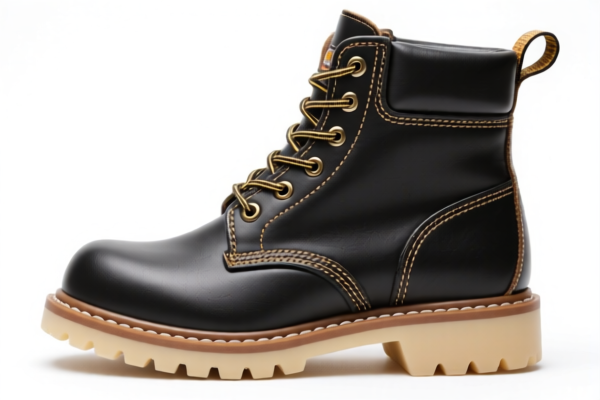
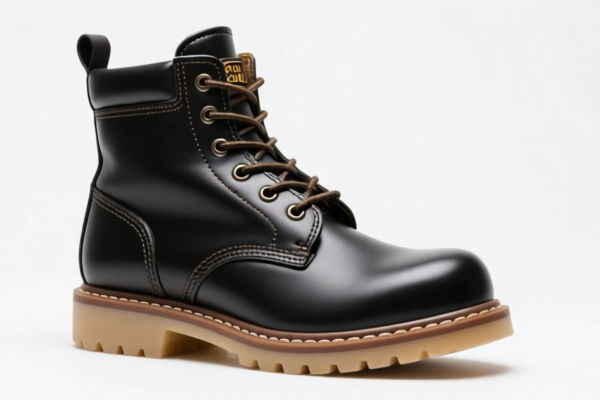

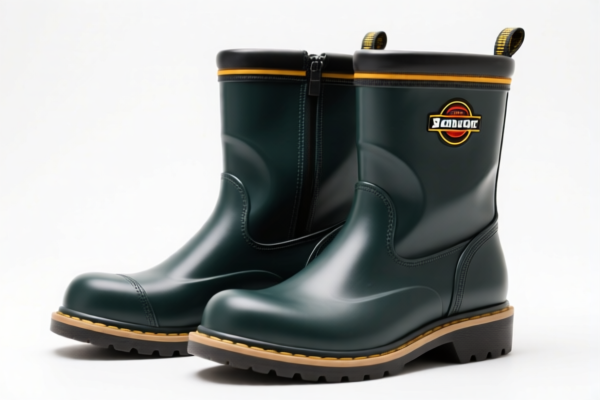
AI分析
👢 Plastic Work Boots: Ultimate HS Code Classification & Customs Guide (2026)
🌐 HS Code Reference & Customs Clearance Strategy | 2026 Tax Regime Analysis | Professional Clearance Protocol
📌 I. Product Definition & Classification: Do You Know Your "Plastic Work Boots"?
Plastic Work Boots are protective footwear designed for industrial, construction, and hazardous environments. In international trade, they are classified based on three critical criteria: 1. Upper Material: Is the upper made of Leather, Textile, or other materials? 2. Outer Sole: Is the outer sole made of Plastic or Rubber? 3. Coverage: Do they cover the Ankle? (Crucial for "Boots" vs. "Shoes"). 4. User: Are they for Men, Women, or Children?
⚠️ Key Differentiation Point: - If the Upper is Leather + Sole is Plastic + Ankle Coverage → Likely falls under 6403 (Footwear with leather uppers). - If the Upper is Not Leather (e.g., rubber, synthetic) → Likely falls under 6402 (Footwear with rubber/plastic uppers) or 6405 (Other footwear). - Men's classification is mandatory for the codes provided in this guide.
📦 II. HS Code Classification Details (2026 Latest Tax Regime)
Based on the provided dataset for Men's Plastic-Soled Leather Work Boots, here are the precise classifications and their tax implications.
| HS Code | Product Description (Summary) | Outer Sole | Upper Material | Coverage | Total Tax Rate |
|---|---|---|---|---|---|
| 6402.91.40.05 | Plastic-soled leather men's work boots | Plastic | Leather (implied by context) | Ankle | 16.0% |
| 6403.91.60.10 | Plastic-soled leather men's work boots | Plastic | Leather | Ankle | 18.5% |
| 6403.99.60.25 | Plastic-soled leather men's work boots | Plastic | Leather | Ankle | 18.5% |
| 6405.10.00.30 | Plastic-soled leather men's work boots (Boot style) | Plastic | Leather | Ankle (Boot) | 27.5% |
| 6405.10.00.90 | Plastic-soled leather men's work boots (Other) | Plastic | Leather | Ankle (Other) | 27.5% |
🔍 Critical Analysis: - Why
6402vs.6403? Even though the sole is plastic, if the upper is Leather, it often falls under 6403 (Footwear with outer sole of plastic/rubber AND upper of leather). However,6402is also present in the data, suggesting specific sub-classifications based on construction or specific leather types not fully detailed. - The "122 Clause" Trap: All items listed here are subject to the "Section 232/122 Clause" (Trade Act of 1962 / Section 232 national security) tariffs, adding a 10% layer on top of base and additional duties. - Why the rate jump to 27.5%? Codes6405.10.00.30and.90likely classify the item as "Other" or "Miscellaneous" footwear where the specific "Work Boot" definition might be ambiguous, triggering higher "Additional Duties" (7.5% surcharge) in addition to the base 10%.
💰 III. 2026 Tariff Rate Breakdown (Detailed Tax Clauses)
✅ Target Market: United States (US)
✅ Origin: China (CN)
✅ Effective: 2026 (Current Regime)
🎯 1. Class 6402.91.40.05 – The "Lowest" Duty Tier (16.0%)
| Item | Content |
|---|---|
| Base Tariff | 6.0% |
| Additional Duty | 0.0% |
| Section 122 Tariff | +10.0% (National Security/Trade Act) |
| Total Effective Rate | 16.0% |
| Calculation Basis | CIF Value × 16% |
| De Minimis Exemption | ❌ No (High value/Specific HS Code exclusion) |
| Legal Path | USITC:6402.91.40.05 → Section 122 (10%) |
📌 Explanation: This code applies to specific plastic-soled leather boots that fit the "16.0%" bracket. The tax structure is simple: Base duty is low, but the 10% Section 122 surcharge is mandatory. This is the most cost-effective classification for compliant leather work boots.
🎯 2. Class 6403.91.60.10 & 6403.99.60.25 – The "Standard" Work Boot Tier (18.5%)
| Item | Content |
|---|---|
| Base Tariff | 8.5% |
| Additional Duty | 0.0% |
| Section 122 Tariff | +10.0% |
| Total Effective Rate | 18.5% |
| Calculation Basis | CIF Value × 18.5% |
| De Minimis Exemption | ❌ No |
| Legal Path | USITC:6403.xxxx → Section 122 (10%) |
📌 Explanation: These codes represent the standard "Men's Leather Work Boots" with plastic soles. The base duty is slightly higher (8.5%) compared to
6402, but the structure remains similar. Crucial: Ensure the "Leather" composition is genuine; if it's synthetic, this classification is invalid.
🎯 3. Class 6405.10.00.30 & 6405.10.00.90 – The "High Risk/Other" Tier (27.5%)
| Item | Content |
|---|---|
| Base Tariff | 10.0% |
| Additional Duty | +7.5% (Section 301/Trade Act Surcharge) |
| Section 122 Tariff | +10.0% |
| Total Effective Rate | 27.5% |
| Calculation Basis | CIF Value × 27.5% |
| De Minimis Exemption | ❌ No |
| Legal Path | USITC:6405.10 → Additional Duty (7.5%) → Section 122 (10%) |
📌 Explanation: WARNING! If the customs officer classifies your boots under
6405("Other footwear"), the tax bill jumps significantly. - 10% Base Tariff - 7.5% Additional Duty (Likely Section 301 retaliation tariff) - 10% Section 122 Tariff - Total: 27.5% Avoid this classification if possible. Ensure your product description strictly matches6403(Leather Upper) rather than "Other".
🛠️ IV. Customs Clearance Practical Advice (Avoiding Pitfalls)
✅ 1. Documentation Checklist (Mandatory)
| Document | Requirement | Reason |
|---|---|---|
| Commercial Invoice | Must explicitly state: "Men's Leather Work Boots, Plastic Sole, Ankle High" | Prevents ambiguity leading to 6405 classification. |
| Material Declaration | Specify Genuine Leather % and Plastic sole type. | Essential for 6403 vs 6402 differentiation. |
| Product Photos | Clear images of the side profile (ankle height), sole texture, and upper material. | Proves "Boot" status and material composition. |
| Labeling | "Made in China", Size, Material Content (Leather/Plastic). | Required for country of origin verification. |
| Style Number | Match the style number in the invoice with the physical product. | Prevents "Model Mismatch" delays. |
✅ 2. Classification Strategy (The "Golden Rule")
🔥 Rule: "Leather Upper + Plastic Sole = 6403 (18.5%), NOT 6405 (27.5%)"
| Scenario | Recommended Code | Tax Rate | Risk |
|---|---|---|---|
| Clear Leather Upper + Plastic Sole | 6403.91.60.10 |
18.5% | ✅ Low Risk (Most accurate) |
| Synthetic Upper + Plastic Sole | 6402.91.40.05 |
16.0% | ✅ Low Risk (If upper is rubber/plastic) |
| Unclear Material / Mixed | 6405.10.00.30 |
27.5% | ❌ HIGH RISK (Higher duty) |
| "Work Boot" generic claim | 6405 |
27.5% | ❌ Avoid unless no other option |
Actionable Tip: If your boot has a Leather Vamp (front part) but a textile collar, customs may still accept
6403if the upper is predominantly leather. Be precise!
✅ 3. Special Cases & Mitigation
| Situation | Strategy |
|---|---|
| Section 122 Tariff Impact | Since all codes carry +10%, budget for this. It is non-negotiable for Chinese origin. |
| 7.5% Additional Duty | This applies to 6405. Avoid 6405 by ensuring the "Leather" description is prominent in the HS Code lookup. |
| De Minimis (800.40) | Not applicable for these high-value work boots (usually >$800). |
| Pre-Entry Testing | For heavy-duty boots, be prepared for lab tests if "Leather" is questioned. |
🌍 V. Global Market Comparison (2026 Context)
| Region | Recommended HS Code | Base Duty | Total Tax (w/ China Surcharge) | Notes |
|---|---|---|---|---|
| 🇺🇸 USA | 6403.91.60.10 |
8.5% | 18.5% | Section 122 (10%) applies to all |
| 🇺🇸 USA | 6405.10.00 |
10.0% | 27.5% | Avoid this if possible (7.5% extra) |
| 🇪🇺 EU | 6403.91 |
~14.4% | ~14.4% | No Section 122, but high base duty |
| 🇯🇵 Japan | 6403.91 |
~6.0% | ~6.0% | Lower base, no extra surcharges |
| 🇨🇦 Canada | 6403.91 |
~12.5% | ~12.5% | CPTPP benefits if applicable |
📌 Conclusion: The US market is the most punitive due to the combined Section 122 (10%) + Section 301 (7.5%) structure for specific sub-codes. Accurate classification into
6403is your best defense against the 27.5% penalty.
📌 VI. Common Mistakes & "Do Not Do" List
❌ Mistake 1: Calling it "Shoes" instead of "Boots"
👉 Consequence: Customs might classify it as 6403.99 (Other) or even 6405, triggering the 27.5% rate.
✅ Fix: Explicitly state "Ankle High" or "Boots" in the description.
❌ Mistake 2: Vague Material Description ("Synthetic Leather")
👉 Consequence: Customs may reject 6403 (Leather) and force 6402 or 6405.
✅ Fix: Use precise terms: "Genuine Leather Upper" or "Textile Upper with Leather Vamp".
❌ Mistake 3: Ignoring the "Plastic Sole" Definition
👉 Consequence: If the sole is considered "Rubber" (even if plastic-looking), the code changes.
✅ Fix: Provide material spec sheets confirming Thermoplastic Polyurethane (TPU) or Plastic.
❌ Mistake 4: Underestimating the 122 Clause
👉 Consequence: Budgeting for 8.5% tax only leads to cash flow shocks.
✅ Fix: Always budget for the 10% Section 122 surcharge on top of the base rate.
🎯 VII. Final Verdict & Professional Recommendation
🎯 The Bottom Line:
For Men's Plastic-Soled Leather Work Boots: - Target HS Code:
6403.91.60.10or6403.99.60.25- Expected Tax: 18.5% (8.5% Base + 10% Section 122) - Avoid:6405.10.00(Tax jumps to 27.5%)📌 Pro Tip: "Your HS Code choice determines your profit margin. A 9% difference (18.5% vs 27.5%) can eat your entire margin. Ensure your product description screams 'Leather Upper' and 'Boot' to lock in the 6403 rate."
📌 Disclaimer:
This guide is based on the provided data for 2026. Tariff rates and classifications are subject to change by US Customs and Border Protection (CBP). Always consult a licensed customs broker and apply for a Binding Ruling if the classification is ambiguous.
✨ Smart Clearance, Smart Business! 💼 Don't let the "Plastic" sole trick you—Know your "Leather" upper!
用户评价
关于 HS 编码归类
协调制度(HS)是由世界海关组织(WCO)制定的国际贸易商品分类标准。全球 200 多个国家采用 HS 系统作为海关关税、贸易统计和进出口监管的基础。
每个 HS 编码遵循以下层级结构:
- 章(2 位)——商品大类(例如:第 84 章:机器和机械设备)
- 品目(4 位)——章内的更具体分类
- 子目(6 位)——国际通用细分,所有 WCO 成员国统一使用
- 本国细分(8-10 位)——各国自行扩展的细分编码,如美国 HTSUS 10 位编码
正确的 HS 编码归类对于顺利通关、准确缴纳关税和遵守贸易法规至关重要。错误归类可能导致海关延误、多缴关税或罚款。
从CN进口到US时,适用的关税税率可能包括:
- 最惠国(MFN)税率——适用于 WTO 成员国的标准关税税率
- 普通税率——适用于无贸易协定国家
- 贸易救济关税——附加关税,如 301 条款(反倾销)、232 条款(国家安全)或反补贴税
本页内容仅供参考。如需正式归类,请咨询当地海关或持牌报关代理。