Plastic Work Boots
CN → US| HS Code | Tariff Rate | Origin | Destination | Doc |
|---|---|---|---|---|
| 6402914005 | 16.0% | CN | US | Official Doc |
| 6403916010 | 18.5% | CN | US | Official Doc |
| 6403996025 | 18.5% | CN | US | Official Doc |
| 6405100030 | 27.5% | CN | US | Official Doc |
| 6405100090 | 27.5% | CN | US | Official Doc |
Product Images
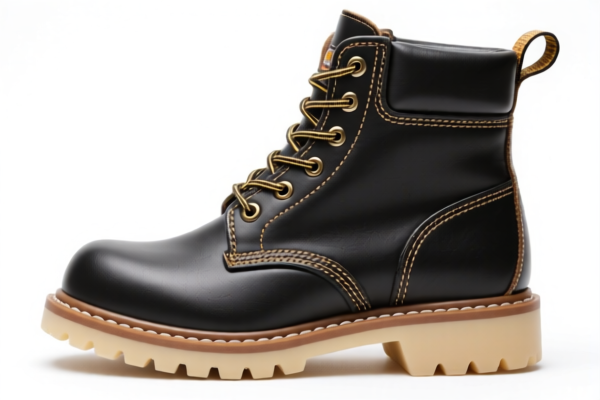
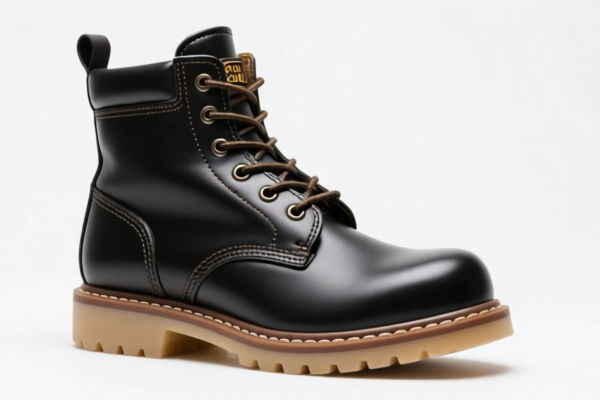

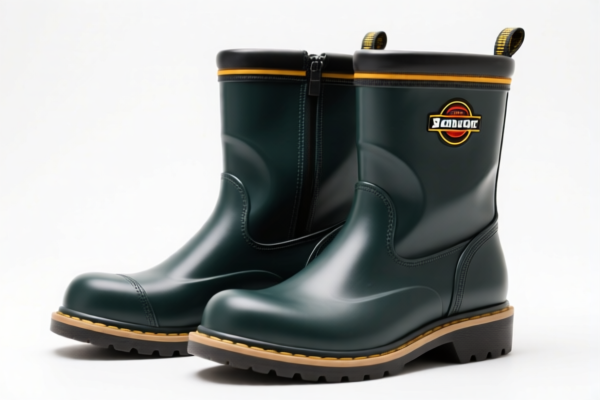
AI Analysis
👢 Plastic Work Boots: Ultimate HS Code Classification & Customs Guide (2026)
🌐 HS Code Reference & Customs Clearance Strategy | 2026 Tax Regime Analysis | Professional Clearance Protocol
📌 I. Product Definition & Classification: Do You Know Your "Plastic Work Boots"?
Plastic Work Boots are protective footwear designed for industrial, construction, and hazardous environments. In international trade, they are classified based on three critical criteria: 1. Upper Material: Is the upper made of Leather, Textile, or other materials? 2. Outer Sole: Is the outer sole made of Plastic or Rubber? 3. Coverage: Do they cover the Ankle? (Crucial for "Boots" vs. "Shoes"). 4. User: Are they for Men, Women, or Children?
⚠️ Key Differentiation Point: - If the Upper is Leather + Sole is Plastic + Ankle Coverage → Likely falls under 6403 (Footwear with leather uppers). - If the Upper is Not Leather (e.g., rubber, synthetic) → Likely falls under 6402 (Footwear with rubber/plastic uppers) or 6405 (Other footwear). - Men's classification is mandatory for the codes provided in this guide.
📦 II. HS Code Classification Details (2026 Latest Tax Regime)
Based on the provided dataset for Men's Plastic-Soled Leather Work Boots, here are the precise classifications and their tax implications.
| HS Code | Product Description (Summary) | Outer Sole | Upper Material | Coverage | Total Tax Rate |
|---|---|---|---|---|---|
| 6402.91.40.05 | Plastic-soled leather men's work boots | Plastic | Leather (implied by context) | Ankle | 16.0% |
| 6403.91.60.10 | Plastic-soled leather men's work boots | Plastic | Leather | Ankle | 18.5% |
| 6403.99.60.25 | Plastic-soled leather men's work boots | Plastic | Leather | Ankle | 18.5% |
| 6405.10.00.30 | Plastic-soled leather men's work boots (Boot style) | Plastic | Leather | Ankle (Boot) | 27.5% |
| 6405.10.00.90 | Plastic-soled leather men's work boots (Other) | Plastic | Leather | Ankle (Other) | 27.5% |
🔍 Critical Analysis: - Why
6402vs.6403? Even though the sole is plastic, if the upper is Leather, it often falls under 6403 (Footwear with outer sole of plastic/rubber AND upper of leather). However,6402is also present in the data, suggesting specific sub-classifications based on construction or specific leather types not fully detailed. - The "122 Clause" Trap: All items listed here are subject to the "Section 232/122 Clause" (Trade Act of 1962 / Section 232 national security) tariffs, adding a 10% layer on top of base and additional duties. - Why the rate jump to 27.5%? Codes6405.10.00.30and.90likely classify the item as "Other" or "Miscellaneous" footwear where the specific "Work Boot" definition might be ambiguous, triggering higher "Additional Duties" (7.5% surcharge) in addition to the base 10%.
💰 III. 2026 Tariff Rate Breakdown (Detailed Tax Clauses)
✅ Target Market: United States (US)
✅ Origin: China (CN)
✅ Effective: 2026 (Current Regime)
🎯 1. Class 6402.91.40.05 – The "Lowest" Duty Tier (16.0%)
| Item | Content |
|---|---|
| Base Tariff | 6.0% |
| Additional Duty | 0.0% |
| Section 122 Tariff | +10.0% (National Security/Trade Act) |
| Total Effective Rate | 16.0% |
| Calculation Basis | CIF Value × 16% |
| De Minimis Exemption | ❌ No (High value/Specific HS Code exclusion) |
| Legal Path | USITC:6402.91.40.05 → Section 122 (10%) |
📌 Explanation: This code applies to specific plastic-soled leather boots that fit the "16.0%" bracket. The tax structure is simple: Base duty is low, but the 10% Section 122 surcharge is mandatory. This is the most cost-effective classification for compliant leather work boots.
🎯 2. Class 6403.91.60.10 & 6403.99.60.25 – The "Standard" Work Boot Tier (18.5%)
| Item | Content |
|---|---|
| Base Tariff | 8.5% |
| Additional Duty | 0.0% |
| Section 122 Tariff | +10.0% |
| Total Effective Rate | 18.5% |
| Calculation Basis | CIF Value × 18.5% |
| De Minimis Exemption | ❌ No |
| Legal Path | USITC:6403.xxxx → Section 122 (10%) |
📌 Explanation: These codes represent the standard "Men's Leather Work Boots" with plastic soles. The base duty is slightly higher (8.5%) compared to
6402, but the structure remains similar. Crucial: Ensure the "Leather" composition is genuine; if it's synthetic, this classification is invalid.
🎯 3. Class 6405.10.00.30 & 6405.10.00.90 – The "High Risk/Other" Tier (27.5%)
| Item | Content |
|---|---|
| Base Tariff | 10.0% |
| Additional Duty | +7.5% (Section 301/Trade Act Surcharge) |
| Section 122 Tariff | +10.0% |
| Total Effective Rate | 27.5% |
| Calculation Basis | CIF Value × 27.5% |
| De Minimis Exemption | ❌ No |
| Legal Path | USITC:6405.10 → Additional Duty (7.5%) → Section 122 (10%) |
📌 Explanation: WARNING! If the customs officer classifies your boots under
6405("Other footwear"), the tax bill jumps significantly. - 10% Base Tariff - 7.5% Additional Duty (Likely Section 301 retaliation tariff) - 10% Section 122 Tariff - Total: 27.5% Avoid this classification if possible. Ensure your product description strictly matches6403(Leather Upper) rather than "Other".
🛠️ IV. Customs Clearance Practical Advice (Avoiding Pitfalls)
✅ 1. Documentation Checklist (Mandatory)
| Document | Requirement | Reason |
|---|---|---|
| Commercial Invoice | Must explicitly state: "Men's Leather Work Boots, Plastic Sole, Ankle High" | Prevents ambiguity leading to 6405 classification. |
| Material Declaration | Specify Genuine Leather % and Plastic sole type. | Essential for 6403 vs 6402 differentiation. |
| Product Photos | Clear images of the side profile (ankle height), sole texture, and upper material. | Proves "Boot" status and material composition. |
| Labeling | "Made in China", Size, Material Content (Leather/Plastic). | Required for country of origin verification. |
| Style Number | Match the style number in the invoice with the physical product. | Prevents "Model Mismatch" delays. |
✅ 2. Classification Strategy (The "Golden Rule")
🔥 Rule: "Leather Upper + Plastic Sole = 6403 (18.5%), NOT 6405 (27.5%)"
| Scenario | Recommended Code | Tax Rate | Risk |
|---|---|---|---|
| Clear Leather Upper + Plastic Sole | 6403.91.60.10 |
18.5% | ✅ Low Risk (Most accurate) |
| Synthetic Upper + Plastic Sole | 6402.91.40.05 |
16.0% | ✅ Low Risk (If upper is rubber/plastic) |
| Unclear Material / Mixed | 6405.10.00.30 |
27.5% | ❌ HIGH RISK (Higher duty) |
| "Work Boot" generic claim | 6405 |
27.5% | ❌ Avoid unless no other option |
Actionable Tip: If your boot has a Leather Vamp (front part) but a textile collar, customs may still accept
6403if the upper is predominantly leather. Be precise!
✅ 3. Special Cases & Mitigation
| Situation | Strategy |
|---|---|
| Section 122 Tariff Impact | Since all codes carry +10%, budget for this. It is non-negotiable for Chinese origin. |
| 7.5% Additional Duty | This applies to 6405. Avoid 6405 by ensuring the "Leather" description is prominent in the HS Code lookup. |
| De Minimis (800.40) | Not applicable for these high-value work boots (usually >$800). |
| Pre-Entry Testing | For heavy-duty boots, be prepared for lab tests if "Leather" is questioned. |
🌍 V. Global Market Comparison (2026 Context)
| Region | Recommended HS Code | Base Duty | Total Tax (w/ China Surcharge) | Notes |
|---|---|---|---|---|
| 🇺🇸 USA | 6403.91.60.10 |
8.5% | 18.5% | Section 122 (10%) applies to all |
| 🇺🇸 USA | 6405.10.00 |
10.0% | 27.5% | Avoid this if possible (7.5% extra) |
| 🇪🇺 EU | 6403.91 |
~14.4% | ~14.4% | No Section 122, but high base duty |
| 🇯🇵 Japan | 6403.91 |
~6.0% | ~6.0% | Lower base, no extra surcharges |
| 🇨🇦 Canada | 6403.91 |
~12.5% | ~12.5% | CPTPP benefits if applicable |
📌 Conclusion: The US market is the most punitive due to the combined Section 122 (10%) + Section 301 (7.5%) structure for specific sub-codes. Accurate classification into
6403is your best defense against the 27.5% penalty.
📌 VI. Common Mistakes & "Do Not Do" List
❌ Mistake 1: Calling it "Shoes" instead of "Boots"
👉 Consequence: Customs might classify it as 6403.99 (Other) or even 6405, triggering the 27.5% rate.
✅ Fix: Explicitly state "Ankle High" or "Boots" in the description.
❌ Mistake 2: Vague Material Description ("Synthetic Leather")
👉 Consequence: Customs may reject 6403 (Leather) and force 6402 or 6405.
✅ Fix: Use precise terms: "Genuine Leather Upper" or "Textile Upper with Leather Vamp".
❌ Mistake 3: Ignoring the "Plastic Sole" Definition
👉 Consequence: If the sole is considered "Rubber" (even if plastic-looking), the code changes.
✅ Fix: Provide material spec sheets confirming Thermoplastic Polyurethane (TPU) or Plastic.
❌ Mistake 4: Underestimating the 122 Clause
👉 Consequence: Budgeting for 8.5% tax only leads to cash flow shocks.
✅ Fix: Always budget for the 10% Section 122 surcharge on top of the base rate.
🎯 VII. Final Verdict & Professional Recommendation
🎯 The Bottom Line:
For Men's Plastic-Soled Leather Work Boots: - Target HS Code:
6403.91.60.10or6403.99.60.25- Expected Tax: 18.5% (8.5% Base + 10% Section 122) - Avoid:6405.10.00(Tax jumps to 27.5%)📌 Pro Tip: "Your HS Code choice determines your profit margin. A 9% difference (18.5% vs 27.5%) can eat your entire margin. Ensure your product description screams 'Leather Upper' and 'Boot' to lock in the 6403 rate."
📌 Disclaimer:
This guide is based on the provided data for 2026. Tariff rates and classifications are subject to change by US Customs and Border Protection (CBP). Always consult a licensed customs broker and apply for a Binding Ruling if the classification is ambiguous.
✨ Smart Clearance, Smart Business! 💼 Don't let the "Plastic" sole trick you—Know your "Leather" upper!
Customer Reviews
About HS Code Classification
The Harmonized System (HS) is an internationally standardized nomenclature developed by the World Customs Organization (WCO) to classify traded products. Over 200 countries use the HS system as the basis for customs tariffs, trade statistics, and import/export regulations.
Each HS code follows a hierarchical structure:
- Chapter (2 digits) — Broad category of goods (e.g., Chapter 84: Machinery and Mechanical Appliances)
- Heading (4 digits) — More specific grouping within the chapter
- Subheading (6 digits) — Internationally standardized breakdown, used by all WCO member countries
- National subdivisions (8-10 digits) — Country-specific extensions for further classification, such as US HTSUS 10-digit codes
Correct HS code classification is essential for smooth customs clearance, accurate duty payment, and compliance with trade regulations. Misclassification can lead to customs delays, overpayment of duties, or penalties.
When importing from CN to US, the applicable tariff rates may include:
- Most-Favored-Nation (MFN) rate — The standard duty rate applied to WTO members
- General rate — Applied to countries without trade agreements
- Trade remedy duties — Additional tariffs such as Section 301 (anti-dumping), Section 232 (national security), or countervailing duties
The information provided on this page is for reference purposes only. For official classification, please consult with your local customs authority or a licensed customs broker.