Plastic textile wall fabric
CN → US| HS编码 | 关税税率 | 原产国 | 目的国 | 文档 |
|---|---|---|---|---|
| 5903102090 | 35.0% | CN | US | 官方文档 |
| 5603943000 | 35.0% | CN | US | 官方文档 |
| 3921901100 | 39.2% | CN | US | 官方文档 |
| 3921121100 | 39.2% | CN | US | 官方文档 |
| 5603143000 | 35.0% | CN | US | 官方文档 |
商品图片

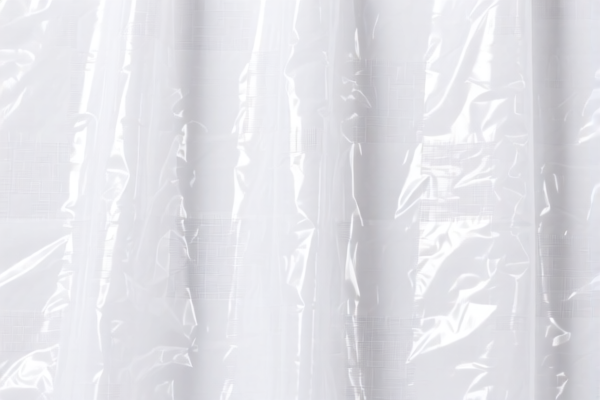
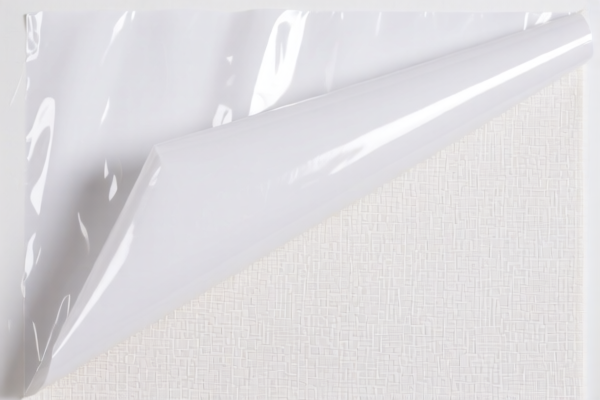
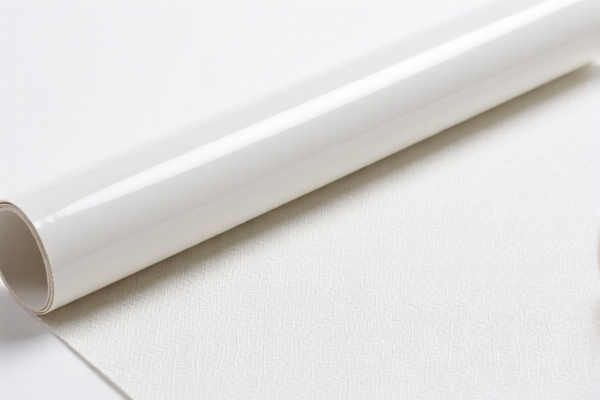
AI分析
🧱 Plastic-Reinforced Textile Wall Fabric (Plastic Wall Cloth)
🌐 HS Code Reference & Customs Clearance Guide | 2026 Latest Tariff Analysis | Professional Clearance Strategy
📌 Part 1: Product Definition & Classification: Do You Truly Understand "Plastic Wall Fabric"?
Plastic-Reinforced Textile Wall Fabric is a composite building material widely used for interior decoration. It combines the durability of textiles with the water-resistant and tear-resistant properties of plastics. In international trade, its classification is highly sensitive because it sits at the intersection of Chapter 59 (Impregnated/Coated Textiles) and Chapter 39 (Plastics).
Core Characteristics: * Structure: Textile fabric (woven or non-woven) + Plastic layer (PVC, PE, etc.) via impregnation, coating, or lamination. * Key Distinction: Is the textile the essential character (Chapter 59), or is the plastic coating defining the product's nature (Chapter 39)?
⚠️ Critical Classification Point:
- If the textile base determines the structure and the plastic is merely a surface treatment/coating → Likely Chapter 59.
- If the product is essentially a plastic sheet with a textile backing (composite sheet/film) → Likely Chapter 39.
- Note: The data below provides specific HS codes based on different structural interpretations and "catch-all" categories.
📦 Part 2: HS Code Classification Details (2026 Latest Tariff Authority Comparison)
| HS Code | Product Description | Applicability Scenario | Primary Material Logic |
|---|---|---|---|
5903.10.20.90 |
Plastic Wall Fabric (Textile Reinforced) (Textile base with impregnated/coated plastic) |
Textile reinforcement is dominant; plastic is applied to textile fabric. | Textile based (Other catch-all category). |
5603.94.30.00 |
Plastic Wall Fabric (Textile Reinforced) (Non-woven fabric formed by lamination/coating) |
Non-woven fabric base; formed through lamination or coating without material conflict. | Non-woven based. |
3921.90.11.00 |
Plastic Wall Fabric (Textile Reinforced) (Composite board/sheet/film) |
Form matches plastic sheets/films; combined with textile material, based on other catch-all categories. | Plastic based (Composite sheet). |
3921.12.11.00 |
Plastic Wall Fabric (Textile Reinforced) (Composite structure) |
Material is plastic; form is composite; fits characteristics of plastic-textile composites. | Plastic based (Composite). |
5603.14.30.00 |
Plastic Wall Fabric (Textile Reinforced) (Laminated/Coated non-woven) |
Has laminated/coated features; material inferred as plastic; fits non-woven classification logic. | Non-woven based. |
🔍 Key Reminder:
- The choice between Chapter 59 and Chapter 39 depends heavily on whether Customs views the item as a "Textile Product treated with Plastic" or a "Plastic Product backed with Textile."
- No material conflict interpretations (like5603.94.30.00) often carry lower base tariffs but require strict proof of non-woven formation.
- Plastic-centric codes (3921) often incur base tariffs due to the primary material classification.
💰 Part 3: 2026 Latest Tariff Rate Breakdown (Including Surtaxes & Policy Add-ons)
✅ Applicable Country: United States (US)
✅ Origin: China (CN)
✅ Effective Date: Post-2025 (Current trade war provisions apply)
🎯 1. 5903.10.20.90 & 5603.94.30.00 & 5603.14.30.00 —— Textile/Non-woven Based Categories
These codes share the same tax structure because they fall under textile/non-woven chapters which often benefit from lower base rates but face significant punitive tariffs.
| Item | Content |
|---|---|
| Base Tariff | 0.0% (Ad Valorem) |
| USITC Surtax (Section 301) | +25.0% |
| IEEPA Surtax (Section 122/Other) | +10.0% |
| Total Tariff Rate | 35.0% |
| Tax Calculation | CIF Value × 35% |
| De Minimis Exemption | ❌ Not Eligible (deny_de_minimis) |
| Legal Basis Path | USITC:5903.10.20.90 → FOOTNOTE:301 → IEEPA:122/301 |
📌 Explanation:
- Base 0%: Reflects the textile/non-woven classification advantage.
- +25% (Section 301): Standard punitive tariff on Chinese goods.
- +10% (122 Clause/Other): Additional policy surcharge applicable to these specific subcategories.
- Total 35%: High burden, but lower than plastic-centric alternatives.
🎯 2. 3921.90.11.00 & 3921.12.11.00 —— Plastic-Based Composite Categories
These codes classify the product primarily as a plastic sheet/film, triggering base tariffs on the plastic component.
| Item | Content |
|---|---|
| Base Tariff | 4.2% (Ad Valorem) |
| USITC Surtax (Section 301) | +25.0% |
| IEEPA Surtax (Section 122/Other) | +10.0% |
| Total Tariff Rate | 39.2% |
| Tax Calculation | CIF Value × 39.2% |
| De Minimis Exemption | ❌ Not Eligible (deny_de_minimis) |
| Legal Basis Path | USITC:3921.xxxxxxxx → FOOTNOTE:301 → IEEPA:122/301 |
📌 Explanation:
- Base 4.2%: Plastic products typically have a non-zero base duty.
- Total 39.2%: This is 4.2% higher than the textile-based codes.
- Why? The customs authority views the plastic as the essential character, incurring duties on the plastic material itself, plus the full punitive surtaxes.
🛠️ Part 4: Customs Clearance Practical Advice (Battle-Tested Pitfall Guide)
✅ 1. Documentation Checklist (None Can Be Omitted)
| Document | Mandatory? | Explanation |
|---|---|---|
| ✅ Product Specification Sheet | ✔️ | Must detail: Base fabric type (woven/non-woven), plastic type (PVC/PE), coating weight, lamination method. |
| ✅ Composition Analysis Report | ✔️ | Crucial: Prove whether textile or plastic is the "essential character." |
| ✅ Photographs (Clear & Detailed) | ✔️ | Show cross-section of the fabric to prove lamination/coating structure. |
| ✅ Commercial Invoice | ✔️ | Must clearly state: "Plastic-Reinforced Textile Wall Fabric" with precise HS Code. |
| ✅ Packing List | ✔️ | Show rolls/sheets dimensions and weight. |
| ✅ Certificate of Origin (CO) | ✔️ | Required for origin verification; China origin triggers surtaxes. |
✅ 2. Declaration Tips (Key Mnemonic)
🔥 “Textile Base = 0% Base + 35% Total; Plastic Sheet = 4.2% Base + 39.2% Total. Prove the Fabric!”
| Scenario | Correct Declaration Approach | Wrong Approach |
|---|---|---|
| Textile Fabric with Plastic Coating | Use 5903.10.20.90 or 5603.94.30.00 |
Misdeclare as 3921 → Pay 39.2% instead of 35% |
| Non-Woven Fabric with Plastic Layer | Use 5603.94.30.00 or 5603.14.30.00 |
Misdeclare as generic plastic sheet |
| Composite Plastic Sheet with Textile Backing | Use 3921.12.11.00 or 3921.90.11.00 |
Misdeclare as textile → Potential audit for undervaluation |
| Mixed Bundles (Fabric + Plastic) | Split Declaration | Combined declaration → Confusion & Delays |
✅ 3. Special Circumstances Handling
| Situation | Handling Advice |
|---|---|
| OEM Custom Wall Cloth | Provide customer design + material specs. Avoid vague terms like "Wall Decor." |
| Waterproof vs. Fire-Retardant | If fire-retardant chemicals are added, ensure no new chemical chapter applies. |
| Rolls vs. Cut Pieces | Declare as rolls if possible; cut pieces may trigger different handling rules but same HS. |
| Origin Transshipment | If shipped via Vietnam/Malaysia, ensure substantial transformation occurred to avoid USITC Section 301 surtaxes. |
🌍 Part 5: Global Market Customs Comparison (2026 Latest)
| Country/Region | Recommended HS Code | Tariff (China Origin) | Certification Req. | Notes |
|---|---|---|---|---|
| 🇺🇸 USA | 5903.10.20.90 |
35.0% | No specific, but accurate classification vital | High Surtax! 3921 codes hit 39.2%. |
| 🇨🇳 China | 5903.10.20.90 |
5-10% (Import) | CCC (if applicable) | Domestic trade not affected. |
| 🇪🇺 EU | 5903.10.29 |
0-4% | CE (if electrical, not applicable here) | Lower base tariffs, no punitive surtaxes. |
| 🇦🇺 Australia | 5903.10.00 |
5% | No surtaxes | Friendly trade terms. |
| 🇯🇵 Japan | 5903.10.00 |
0-6% | No surtaxes | Stable market. |
📌 Conclusion:
- USA is the most challenging market due to the 35%-39.2% effective tariff rate.
- EU/Asia/Australia are significantly more cost-effective, with rates under 10%.
- Strategy for US: Optimize supply chain (e.g., third-country processing) to avoid China-origin surtaxes if possible.
📌 Part 6: Common Errors & Pitfall Guide (Lessons Learned)
❌ Error 1: Declaring as "Plastic Sheet" (3921) when it is clearly "Textile Fabric" (5903)
👉 Consequence: Higher base tariff (4.2%) → Pay 4.2% extra unnecessarily.
👉 Fix: Provide cross-section photos proving textile dominance.
❌ Error 2: Declaring as "Textile" (5903) when it is a "Plastic Composite Sheet" (3921)
👉 Consequence: Customs audit → Back taxes + Penalties + Delays.
👉 Fix: Accurate material analysis is key. If plastic is the main structural element, use 3921.
❌ Error 3: Vague Description: "Wall Cloth"
👉 Consequence: Customs officer assigns default code → Uncertainty & Potential Higher Rate.
👉 Fix: Always specify "Plastic-impregnated Textile" or "Non-woven Fabric with Plastic Coating."
❌ Error 4: Ignoring Section 301 & IEEPA Surtaxes
👉 Consequence: Under-quoting duties → Seizure & Legal Action.
👉 Fix: Always calculate total landed cost including 35% or 39.2% rates.
✅ Correct Declaration Example:
"Textile Wall Fabric, Reinforced with PVC Coating, Non-Woven Base, Roll Form, 5903.10.20.90, Origin: China"
🎯 Part 7: Conclusion: Professional Declaration, Save Time, Cut Costs!
🎯 Remember the Mnemonic:
🔹 "Textile Base: 0% Base, 35% Total. Plastic Sheet: 4.2% Base, 39.2% Total. Prove the Fabric Structure!"
🔹 "HS Code Defines Your Cost. A 4.2% Difference Adds Up on Large Shipments."
📌 Pro Tip:
- If your wall fabric originates from Vietnam, Malaysia, or Thailand, you may apply for IEEPA/Section 301 Exemptions, reducing tariffs to 0%-5%.
- Consider applying for an Advance Ruling (Binding Tariff Information) from US Customs (CBP) before shipment to lock in the HS Code and mitigate risk.
📣 Immediate Action Required:
📞 Contact a Professional Customs Broker + Provide Product Cross-Section Photos + Apply for Pre-Ruling.
🚀 Ensure your Plastic Wall Fabric clears customs smoothly, efficiently, and profitably!
✨ Professional Clearance Starts with Accurate Classification!
💼 Every Penny of Cost Deserves Precise Calculation!
用户评价
关于 HS 编码归类
协调制度(HS)是由世界海关组织(WCO)制定的国际贸易商品分类标准。全球 200 多个国家采用 HS 系统作为海关关税、贸易统计和进出口监管的基础。
每个 HS 编码遵循以下层级结构:
- 章(2 位)——商品大类(例如:第 84 章:机器和机械设备)
- 品目(4 位)——章内的更具体分类
- 子目(6 位)——国际通用细分,所有 WCO 成员国统一使用
- 本国细分(8-10 位)——各国自行扩展的细分编码,如美国 HTSUS 10 位编码
正确的 HS 编码归类对于顺利通关、准确缴纳关税和遵守贸易法规至关重要。错误归类可能导致海关延误、多缴关税或罚款。
从CN进口到US时,适用的关税税率可能包括:
- 最惠国(MFN)税率——适用于 WTO 成员国的标准关税税率
- 普通税率——适用于无贸易协定国家
- 贸易救济关税——附加关税,如 301 条款(反倾销)、232 条款(国家安全)或反补贴税
本页内容仅供参考。如需正式归类,请咨询当地海关或持牌报关代理。