Plush Dog Mat
CN → US| HS编码 | 关税税率 | 原产国 | 目的国 | 文档 |
|---|---|---|---|---|
| 6307909885 | 24.5% | CN | US | 官方文档 |
| 6307907500 | 14.3% | CN | US | 官方文档 |
| 3924905650 | 20.9% | CN | US | 官方文档 |
| 3924905610 | 20.9% | CN | US | 官方文档 |
| 4823908620 | 35.0% | CN | US | 官方文档 |
商品图片
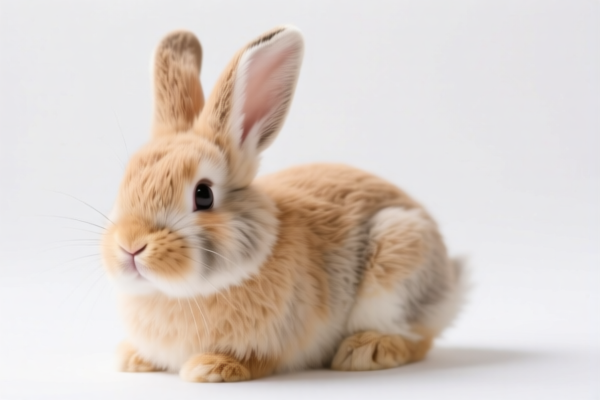
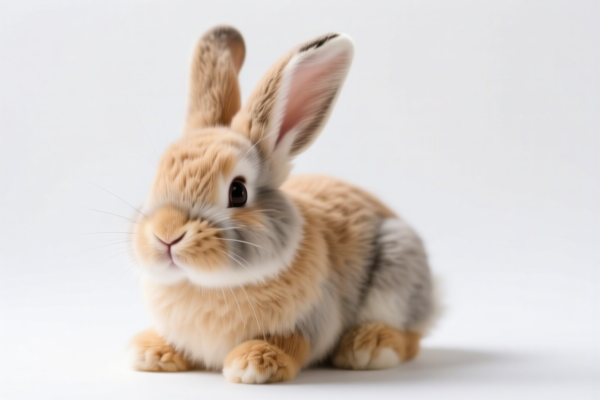
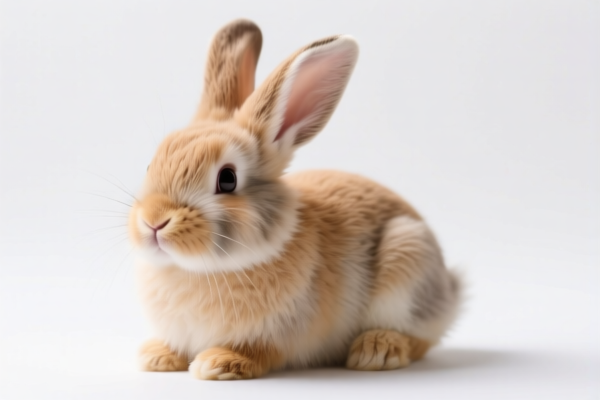

AI分析
🐾 Plush Dog Mat (Dog Litter Tray / Pet Pad)
🌐 HS Code Reference & Customs Clearance Guide | 2026 Latest Tariff Analysis | Professional Clearance Strategy
📌 I. Product Definition & Classification: What exactly is a "Plush Dog Mat"?
A "Plush Dog Mat" typically refers to an absorbent, reusable, or disposable pad designed for pet hygiene (often used as a litter tray substitute or training pad). These products are generally made of textile materials (cotton, polyester, fiber) or composite materials (plastic, non-woven fabric, paper). In international trade, the classification depends heavily on the material composition and physical form.
⚠️ Key Distinction Points:
- If made of textile/fabric (cotton/polyester weave) → Falls under Chapter 63 (Other Made-Up Textile Articles).
- If made of plastic/rubber composites → Falls under Chapter 39 (Plastics and Articles Thereof).
- If made of paper/pulp → Falls under Chapter 48 (Paper and Paperboard).
📦 II. HS Code Classification Details (2026 Latest Tariff Authority Comparison)
Based on the provided data for "Plush Dog Mat", here are the specific HS Code mappings and tax implications:
| HS Code | Product Description | Material/Usage Analysis | Total Tax Rate |
|---|---|---|---|
6307.90.98.85 |
Textile Dog Mat | Made of cotton or fiber fabric. Fits "Other made-up textile articles." No material conflict. | 24.5% |
6307.90.75.00 |
Textile Pet Pad | Designed as pet supplies, made of textile materials. Fits "Textile pet products." No conflict. | 14.3% |
3924.90.56.50 |
Plastic/Non-Woven Hygiene Mat | Hygiene/cleaning supply. Composite of plastic/non-woven. Fits "Other plastic hygiene articles." | 20.9% |
3924.90.56.10 |
Plastic Pet Mat | Inferred plastic material. Fits "Pet-related plastic items" under栅栏 (fence/barrier) extensions. | 20.9% |
4823.90.86.20 |
Paper/Absorbent Fiber Mat | Inferred paper or absorbent fiber. Pad shape. Fits "Paper products." | 35.0% |
🔍 Critical Insight:
- The lowest tax rate (14.3%) applies to textile-based pet pads (6307.90.75.00).
- The highest tax rate (35.0%) applies to paper-based mats (4823.90.86.20).
- Plastic-based options hover around 20.9%.
💰 III. 2026 Latest Tariff Rate Breakdown (Including Surtaxes & Policy Surcharges)
✅ Applicable Country: United States (US)
✅ Origin: China (CN)
✅ Effective Date: 2025/2026 (Current Trade Policies)
🎯 1. 6307.90.98.85 —— Textile Dog Mat (Cotton/Fiber)
| Item | Details |
|---|---|
| Base Tariff | 7.0% |
| Section 301 Surtax | 7.5% |
| Section 122 Surcharge | 10.0% |
| Total Rate | 24.5% |
| Calculation | CIF Value × 24.5% |
| De Minimis Exemption | ❌ Not Eligible (Subject to high surtaxes) |
| Legal Basis | Base tariff + Section 301 + Section 122 |
📌 Explanation:
- This classification treats the mat as a general textile article.
- The 7.5% Section 301 tariff is a significant additional cost on Chinese textiles.
- The 10% Section 122 surcharge further increases the burden.
- Total: 24.5%. High cost, but lower than paper options.
🎯 2. 6307.90.75.00 —— Textile Pet Pad (Best Tax Rate)
| Item | Details |
|---|---|
| Base Tariff | 4.3% |
| Section 301 Surtax | 0.0% |
| Section 122 Surcharge | 10.0% |
| Total Rate | 14.3% |
| Calculation | CIF Value × 14.3% |
| De Minimis Exemption | ❌ Not Eligible (Due to Section 122) |
| Legal Basis | Base tariff + Section 122 |
📌 Note:
- This is the most tax-efficient classification for textile mats.
- Zero Section 301 surtax makes it significantly cheaper than other textile codes.
- Still subject to the 10% Section 122 surcharge (likely due to anti-circumvention measures).
- Total: 14.3%. Highly recommended if the product is purely textile.
🎯 3. 3924.90.56.50 & 3924.90.56.10 —— Plastic/Composite Mats
| Item | Details |
|---|---|
| Base Tariff | 3.4% |
| Section 301 Surtax | 7.5% |
| Section 122 Surcharge | 10.0% |
| Total Rate | 20.9% |
| Calculation | CIF Value × 20.9% |
| De Minimis Exemption | ❌ Not Eligible |
| Legal Basis | Base tariff + Section 301 + Section 122 |
📌 Note:
- Plastic-based mats face a higher total rate (20.9%) than textile mats (6307.90.75.00).
- However, they are cheaper than paper mats.
- Suitable if the product has a plastic backing or waterproof layer that defines its primary character.
🎯 4. 4823.90.86.20 —— Paper/Absorbent Fiber Mat (Highest Tax)
| Item | Details |
|---|---|
| Base Tariff | 0.0% |
| Section 301 Surtax | 25.0% |
| Section 122 Surcharge | 10.0% |
| Total Rate | 35.0% |
| Calculation | CIF Value × 35.0% |
| De Minimis Exemption | ❌ Not Eligible |
| Legal Basis | Base tariff + Section 301 + Section 122 |
📌 Warning:
- Despite a 0% base tariff, the 25% Section 301 surtax (highest among all categories) drives the total to 35.0%.
- Avoid this classification unless the product is strictly 100% paper and cannot be classified as textile.
🛠️ IV. Customs Clearance Practical Advice (Avoid Pitfalls)
✅ 1. Preparation Checklist (Non-Negotiable)
| Document | Required? | Explanation |
|---|---|---|
| ✅ Product Composition Report | ✔️ | Must specify % of cotton, polyester, plastic, or paper. Crucial for HS Code selection. |
| ✅ Product Photos | ✔️ | Show texture, thickness, and any packaging labels. |
| ✅ Commercial Invoice | ✔️ | Clearly state "Dog Mat" or "Pet Training Pad." Avoid vague terms like "Accessory." |
| ✅ Material Safety Data Sheet (MSDS) | ✔️ | If chemical treatments are used (e.g., antibacterial coatings). |
| ✅ Packaging List | ✔️ | Confirm weight and dimensions for duty calculation. |
✅ 2. Declaration Strategy (Key Tips)
🔥 "Material Defines Code, Code Defines Cost!"
| Scenario | Correct Declaration | Wrong Declaration |
|---|---|---|
| 100% Cotton/Polyester Weave | 6307.90.75.00 (14.3%) |
Misdeclare as 4823.90.86.20 → 35.0% |
| Plastic Backing + Textile Top | 6307.90.75.00 or 3924.90.56.50 |
Misdeclare as generic "Pet Supply" → Risk of reclassification |
| Paper-Based Absorbent Pad | 4823.90.86.20 (35.0%) |
Try to declare as textile → Seizure/Fine |
| Reusable Washable Mat | 6307.90.75.00 (14.3%) |
Declare as disposable paper → 35.0% |
📌 Critical Warning:
- Do not split shipments to avoid Section 301 tariffs. Customs can consolidate and assess all parts.
- Section 122 Surcharge (10%) applies to most of these codes regardless of classification, so focus on minimizing the Base + Section 301 components.
✅ 3. Special Case Handling
| Scenario | Recommendation |
|---|---|
| Mixed Materials | If the mat has both textile and plastic layers, argue for the primary character (usually textile for "plush" mats) to qualify for 6307.90.75.00. |
| OEM Custom Mats | Provide design specs showing fabric type. Avoid "paper" keywords in descriptions if using textiles. |
| Seasonal Imports | Pre-clearance rulings can lock in tax rates. Apply for Advance Ruling if unsure. |
🌍 V. Global Market Comparison (2026)
| Country | Recommended HS Code | Total Tax (China Origin) | Notes |
|---|---|---|---|
| 🇺🇸 USA | 6307.90.75.00 |
14.3% | Best rate for textiles. Avoid paper (35%). |
| 🇨🇳 China | 6307.90.98.85 |
~6-10% (Est.) | Lower duties, but focus on US export costs. |
| 🇪🇺 EU | 6307.90.98.85 |
~4-6% | No Section 122/301 equivalent, but different HS structure. |
| 🇬🇧 UK | 6307.90.98.85 |
~4-6% | Post-Brexit tariffs apply. |
📌 Conclusion:
- The US market is the most challenging due to Section 301 and Section 122 surcharges.
- Textile mats (6307.90.75.00) offer the best cost-saving opportunity at 14.3%.
- Paper mats (4823.90.86.20) are the most expensive at 35.0% due to high Section 301 rates.
📌 VI. Common Errors & Pitfalls (Lessons Learned)
❌ Error 1: Declaring a textile mat as paper to avoid Section 301.
👉 Result: Customs inspection reveals fabric → 35% duty + penalties.
❌ Error 2: Ignoring the Section 122 surcharge.
👉 Result: Unexpected 10% additional cost on top of base tariff.
❌ Error 3: Vague description "Pet Accessory."
👉 Result: Customs assigns worst-case HS Code → 35% or higher.
❌ Error 4: Assuming "De Minimis" ($800) exemption applies.
👉 Result: Section 122 and Section 301 tariffs apply even to small shipments. No exemption!
✅ Correct Practice:
"Reusable Cotton Pet Training Mat, Machine Made, Size 24x36, Pack of 10"
🎯 VII. Conclusion: Smart Classification Saves Money!
🎯 Key Takeaway:
🔹 Textile Mats (
6307.90.75.00): 14.3% Total Tax → Best Choice
🔹 Plastic Mats (3924.90.56.50): 20.9% Total Tax → Acceptable
🔹 Paper Mats (4823.90.86.20): 35.0% Total Tax → Avoid If Possible
📌 Pro Tip:
If your product is 100% textile, insist on 6307.90.75.00 to save 20.7% compared to paper and 6.6% compared to plastic.
If you have mixed materials, provide detailed composition reports to justify textile classification.
📣 Immediate Action:
📞 Consult a licensed customs broker.
📋 Submit material composition documents.
🚀 Optimize for6307.90.75.00to maximize profit margins!
✨ Precision in Classification, Profit in Clearance!
💼 Every percentage point matters in cross-border trade!
用户评价
关于 HS 编码归类
协调制度(HS)是由世界海关组织(WCO)制定的国际贸易商品分类标准。全球 200 多个国家采用 HS 系统作为海关关税、贸易统计和进出口监管的基础。
每个 HS 编码遵循以下层级结构:
- 章(2 位)——商品大类(例如:第 84 章:机器和机械设备)
- 品目(4 位)——章内的更具体分类
- 子目(6 位)——国际通用细分,所有 WCO 成员国统一使用
- 本国细分(8-10 位)——各国自行扩展的细分编码,如美国 HTSUS 10 位编码
正确的 HS 编码归类对于顺利通关、准确缴纳关税和遵守贸易法规至关重要。错误归类可能导致海关延误、多缴关税或罚款。
从CN进口到US时,适用的关税税率可能包括:
- 最惠国(MFN)税率——适用于 WTO 成员国的标准关税税率
- 普通税率——适用于无贸易协定国家
- 贸易救济关税——附加关税,如 301 条款(反倾销)、232 条款(国家安全)或反补贴税
本页内容仅供参考。如需正式归类,请咨询当地海关或持牌报关代理。