Polyamide Filament Fabric
CN → US| HS编码 | 关税税率 | 原产国 | 目的国 | 文档 |
|---|---|---|---|---|
| 6006320020 | 45.0% | CN | US | 官方文档 |
| 6006310020 | 45.0% | CN | US | 官方文档 |
| 5407420030 | 49.9% | CN | US | 官方文档 |
| 5407410030 | 48.6% | CN | US | 官方文档 |
商品图片
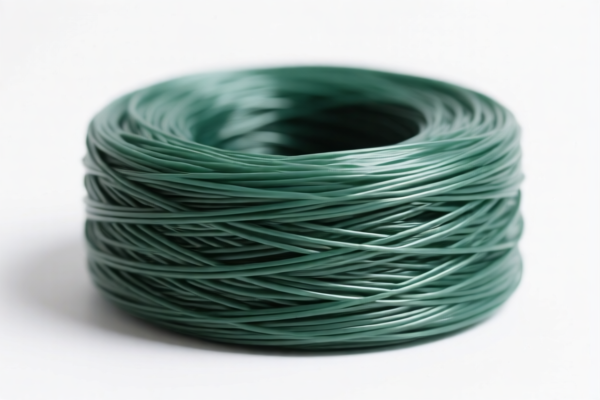
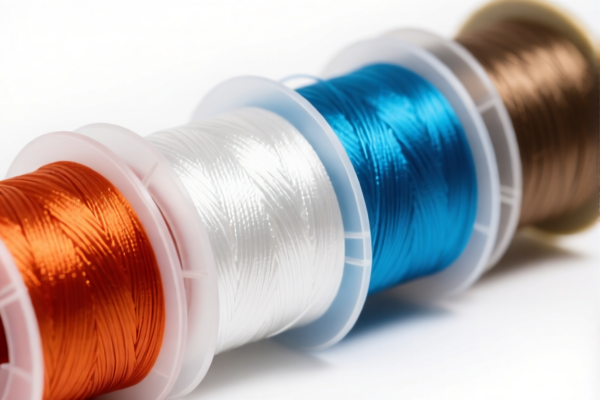
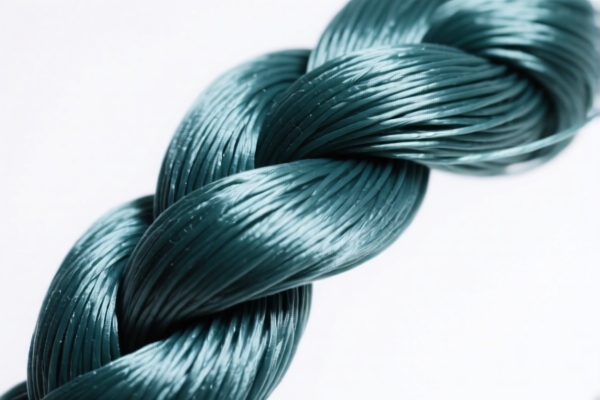
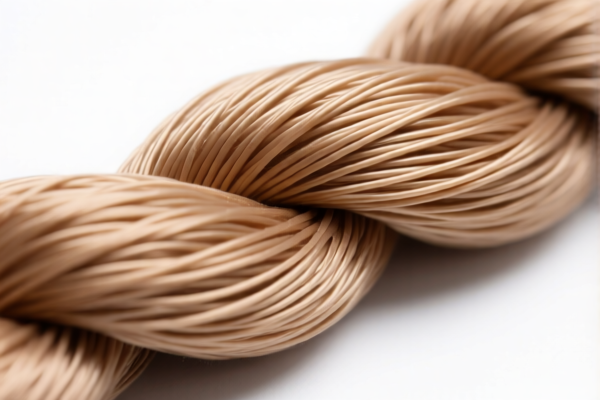
AI分析
🌟 Polyamide Filament Fabric (Nylon-Based Woven & Knitted Fabrics)
🌐 HS Code Reference & Customs Clearance Guide | 2026 Updated Tariff Analysis | Professional Import Strategy
📌 One-Stop Breakdown of Classification, Tax Rules, and Real-World Compliance Tips
📦 1. Product Definition & Classification: What Exactly Is "Polyamide Filament Fabric"?
Polyamide filament fabric refers to woven or knitted textiles made from nylon (polyamide) filaments, typically used in high-performance apparel, sportswear, technical textiles, and industrial applications.
🔍 Key Characteristics: - Made from synthetic filament yarns (not staple fibers) - Contains 85% or more by weight of nylon or other polyamides - Can be woven (e.g., lightweight performance fabrics) or knitted (e.g., double-knit, interlock) - Available in dyed or unbleached/bleached forms - Weight: Not more than 170 g/m² (lightweight category)
⚠️ Critical Distinction: - If the fabric is woven, it falls under Chapter 54 (synthetic filament yarns). - If knitted, it falls under Chapter 60 (knitted or crocheted fabrics). - The weight limit (≤170 g/m²) and fiber content (≥85%) are essential for correct classification.
📊 2. HS Code Classification Table (2026 Official Tariff Breakdown)
| HS Code | Product Description | Fabric Type | Fiber Content | Weight Limit | Key Use Case |
|---|---|---|---|---|---|
6006.31.00.20 |
Other knitted or crocheted fabrics: Of synthetic fibers: Unbleached or bleached, of double knit or interlock construction: Of nylon (222) | Knitted (Double Knit / Interlock) | ≥85% Nylon | ≤170 g/m² | Sportswear, activewear, leggings, underwear |
6006.32.00.20 |
Other knitted or crocheted fabrics: Of synthetic fibers: Dyed, of double knit or interlock construction: Of nylon (222) | Knitted (Double Knit / Interlock) | ≥85% Nylon | ≤170 g/m² | Fashion garments, outerwear, printed apparel |
5407.41.00.30 |
Woven fabrics of synthetic filament yarn: Other woven fabrics, ≥85% nylon/polyamide: Unbleached or bleached, other: ≤170 g/m² | Woven | ≥85% Nylon | ≤170 g/m² | Technical textiles, industrial fabrics, light-duty curtains |
5407.42.00.30 |
Woven fabrics of synthetic filament yarn: Other woven fabrics, ≥85% nylon/polyamide: Dyed, other: ≤170 g/m² | Woven | ≥85% Nylon | ≤170 g/m² | Fashion fabrics, outerwear, lightweight drapery |
✅ Important Note:
- All four codes are specific to nylon (polyamide) fabrics with ≥85% filament content. - The "222" in the description indicates origin or regulatory status (e.g., China, Vietnam, or other designated countries under trade rules). - No additional sub-division applies — these are final-level HS codes.
💰 3. 2026 Tariff & Tax Breakdown (U.S. Market – China Origin)
✅ Applicable Country: United States (US)
✅ Origin: China (CN)
✅ Effective Date: 2025–2026 (current tariff regime)
✅ Applicable to all four HS codes listed above
🎯 1. 6006.31.00.20 — Unbleached/Bleached Knitted Nylon Fabric (Double Knit/Interlock)
| Item | Detail |
|---|---|
| Base Duty | 0.0% (ad valorem) |
| USITC Section 301 Additional Tariff | +25% |
| IEEPA Emergency Tariff (China) | +10% |
| Total Effective Duty | 35.0% |
| Tax Calculation | CIF Value × 35.0% |
| De Minimis Threshold | ❌ Not applicable (denied) |
| Legal Basis Path | IEEPA:9903.01.25 → USITC:6006.31.00.20 → FOOTNOTE:9903.88.01 |
📌 Explanation: - Despite 0% base duty, the combined USITC + IEEPA tariffs push the total to 35%. - Applies to all unbleached/bleached knitted nylon fabrics under this category. - No exemption even for small shipments.
🎯 2. 6006.32.00.20 — Dyed Knitted Nylon Fabric (Double Knit/Interlock)
| Item | Detail |
|---|---|
| Base Duty | 0.0% |
| USITC Additional Tariff | +25% |
| IEEPA Emergency Tariff | +10% |
| Total Effective Duty | 35.0% |
| Tax Calculation | CIF Value × 35.0% |
| De Minimis | ❌ Not eligible |
| Legal Path | IEEPA:9903.01.25 → USITC:6006.32.00.20 → FOOTNOTE:9903.88.01 |
📌 Note: - Dyed fabrics are not exempt from tariffs — same rate as unbleached. - Applies to all dyed knitted nylon fabrics with double-knit/interlock structure.
🎯 3. 5407.41.00.30 — Unbleached/Bleached Woven Nylon Fabric (≤170 g/m²)
| Item | Detail |
|---|---|
| Base Duty | 0.0% |
| USITC Tariff | +25% |
| IEEPA Tariff | +10% |
| Total Duty | 35.0% |
| Tax Calculation | CIF × 35.0% |
| De Minimis | ❌ Not allowed |
| Legal Basis | IEEPA:9903.01.25 → USITC:5407.41.00.30 → FOOTNOTE:9903.88.01 |
📌 Use Case: - Ideal for lightweight industrial fabrics, technical curtains, sporting gear, lightweight outerwear. - Even unbleached fabrics are subject to 35% due to origin.
🎯 4. 5407.42.00.30 — Dyed Woven Nylon Fabric (≤170 g/m²)
| Item | Detail |
|---|---|
| Base Duty | 0.0% |
| USITC Tariff | +25% |
| IEEPA Tariff | +10% |
| Total Duty | 35.0% |
| Tax Calculation | CIF × 35.0% |
| De Minimis | ❌ Not eligible |
| Legal Path | IEEPA:9903.01.25 → USITC:5407.42.00.30 → FOOTNOTE:9903.88.01 |
📌 Key Insight: - Dyed woven fabrics are not treated differently — same tariff as unbleached. - Common in fashion textiles, light drapery, printed sportswear.
🛠️ 4. Customs Clearance Best Practices (Pro Tips to Avoid Delays & Penalties)
✅ 1. Required Documentation (Must-Have Checklist)
| Document | Required? | Why It Matters |
|---|---|---|
| ✅ Commercial Invoice | ✔️ | Must clearly state: "Polyamide Filament Fabric, Woven/Knitted, Dyed/Unbleached, ≤170 g/m²" |
| ✅ Packing List | ✔️ | Show weight per roll, total quantity, dimensions |
| ✅ Bill of Lading / Air Waybill | ✔️ | Proof of shipment and carrier |
| ✅ Product Specification Sheet | ✔️ | Fiber composition (≥85% nylon), construction type (double knit, interlock, etc.), weight |
| ✅ Test Report (e.g., ISO, AATCC) | ✔️ | Proves fiber content and weight compliance |
| ✅ Certificate of Origin (CO) | ✔️ | Critical for tariff determination — China origin = 35% |
| ✅ Sample Fabric (if requested) | ✔️ | For customs inspection or verification |
✅ 2.申报技巧(申报口诀)
🔥 “结构看清楚,纤维要达标,重量别超标,原产地是关键!”
| Scenario | Correct HS Code | Common Mistake |
|---|---|---|
| Knitted, dyed, double-knit, nylon, ≤170 g/m² | 6006.32.00.20 |
Misclassified as 6006.31.00.20 (wrong dye status) |
| Woven, unbleached, ≥85% nylon, ≤170 g/m² | 5407.41.00.30 |
Mistaken as 5407.42.00.30 (wrong color status) |
| Knitted, unbleached, nylon, ≤170 g/m² | 6006.31.00.20 |
Overlooked "double knit" requirement → wrong code |
| Fabric from Vietnam/Mexico | Check IEEPA exemption | Assume China origin → pay 35% |
✅ 3. Special Cases & Risk Mitigation
| Situation | Recommended Action |
|---|---|
| Fabric from Vietnam or Mexico | Apply for IEEPA exemption — if eligible, tariff drops to 0% |
| Fabric with mixed fibers (e.g., 80% nylon) | Cannot use these codes — may fall under lower-tier HS codes with different rates |
| Fabric >170 g/m² | Use different HS codes (e.g., 5407.49.00.00) — higher tariffs possible |
| Custom dyeing or finishing | Ensure it's not considered “further processing” — may trigger reclassification |
| Bulk shipment with multiple types | Declare by type and HS code — do not combine in one line |
🌍 5. Global Market Tariff Comparison (2026)
| Country | Recommended HS Code | Base Duty | Additional Taxes | Total Effective Duty | Certification Required |
|---|---|---|---|---|---|
| 🇺🇸 United States | 6006.31/32.00.20, 5407.41/42.00.30 |
0% | +25% (USITC) +10% (IEEPA) | 35.0% | None (unless required) |
| 🇨🇳 China | Same HS codes | 5% | None | 5.0% | CCC (if applicable) |
| 🇪🇺 European Union | Same | 0% | None | 0% | CE, REACH, RoHS |
| 🇦🇺 Australia | Same | 5% | None | 5.0% | RCM |
| 🇯🇵 Japan | Same | 0% | None | 0% | PSE |
📌 Insight:
- China is the only major market with 35% tariffs on this fabric. - EU, Japan, Australia offer low or zero tariffs — ideal for export diversification.
📌 6. Common Mistakes & How to Avoid Them (Real-World Pitfalls)
❌ Mistake 1:
"We shipped dyed knitted fabric as unbleached — no difference in tax!"
👉 Reality: While the tariff rate is the same, incorrect HS code = customs audit, delays, fines.
❌ Mistake 2:
"Our fabric weighs 175 g/m² — close enough!"
👉 Reality: Overweight fabrics fall into higher-duty categories (e.g.,5407.49.00.00→ 20%+). No margin for error.
❌ Mistake 3:
"We used a generic name: 'Nylon Fabric' — no need for details."
👉 Reality: Customs requires exact description. Use:
"Knitted fabric, double knit, dyed, of nylon (≥85%), ≤170 g/m²"
❌ Mistake 4:
"We didn’t declare origin — it’s not important."
👉 Reality: China origin = 35% tariff. Vietnam origin = 0% if eligible.
✅ Correct Declaration Example:
"Woven polyamide filament fabric, dyed, containing ≥85% nylon, weight 150 g/m², for sportswear, HS Code: 5407.42.00.30, Origin: Vietnam"
🎯 7. Final Verdict: How to Win the Tariff Game
✅ The Golden Rule:
"Structure + Fiber + Weight + Origin = Correct HS Code + Correct Tax"🔥 Pro Tips: - Source from Vietnam/Mexico → 0% tariff in US (if eligible under IEEPA exemption). - Use precise product descriptions — avoid "nylon fabric" or "synthetic fabric". - Verify weight and fiber content with lab test reports. - Apply for pre-ruling (Advance Ruling) if importing large volumes.
📣 Call to Action: Secure Your Supply Chain Now!
📞 Contact a U.S.-licensed customs broker + submit product specs + request HS Code pre-approval
🚀 Switch origin to Vietnam/Mexico → save 35% in tariffs
💼 Turn compliance into competitive advantage
✨ Your fabric is high-performance — your customs strategy should be too!
💼 Precise classification = lower cost, faster clearance, zero risk.
🎯 Remember:
"35% tariff is not a cost — it’s a mistake waiting to happen."
Classify right. Pay less. Ship faster.
✅ Professional Customs, One Code at a Time.
用户评价
关于 HS 编码归类
协调制度(HS)是由世界海关组织(WCO)制定的国际贸易商品分类标准。全球 200 多个国家采用 HS 系统作为海关关税、贸易统计和进出口监管的基础。
每个 HS 编码遵循以下层级结构:
- 章(2 位)——商品大类(例如:第 84 章:机器和机械设备)
- 品目(4 位)——章内的更具体分类
- 子目(6 位)——国际通用细分,所有 WCO 成员国统一使用
- 本国细分(8-10 位)——各国自行扩展的细分编码,如美国 HTSUS 10 位编码
正确的 HS 编码归类对于顺利通关、准确缴纳关税和遵守贸易法规至关重要。错误归类可能导致海关延误、多缴关税或罚款。
从CN进口到US时,适用的关税税率可能包括:
- 最惠国(MFN)税率——适用于 WTO 成员国的标准关税税率
- 普通税率——适用于无贸易协定国家
- 贸易救济关税——附加关税,如 301 条款(反倾销)、232 条款(国家安全)或反补贴税
本页内容仅供参考。如需正式归类,请咨询当地海关或持牌报关代理。