Polyamide Filament Fabric
CN → US| HS Code | Tariff Rate | Origin | Destination | Doc |
|---|---|---|---|---|
| 6006320020 | 45.0% | CN | US | Official Doc |
| 6006310020 | 45.0% | CN | US | Official Doc |
| 5407420030 | 49.9% | CN | US | Official Doc |
| 5407410030 | 48.6% | CN | US | Official Doc |
Product Images
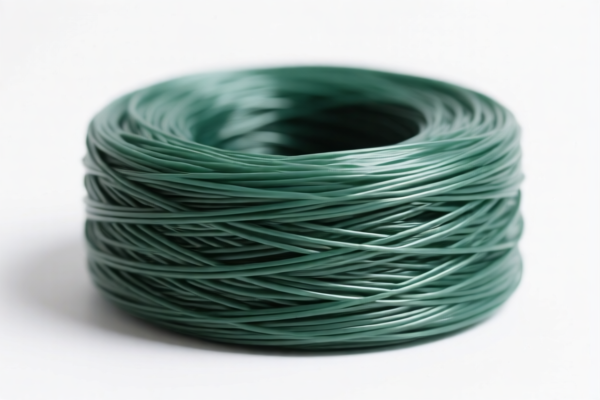
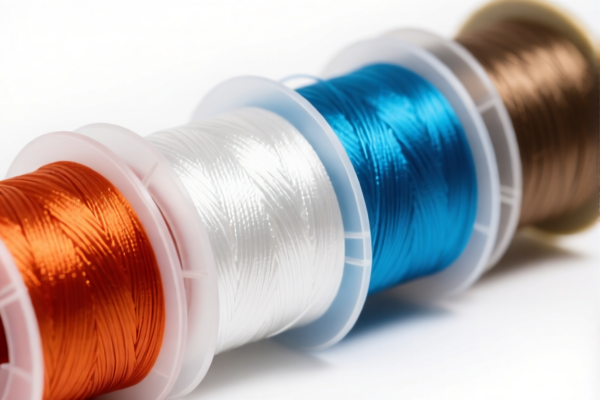
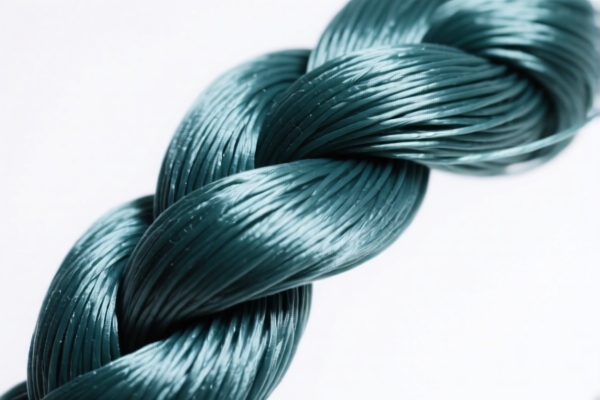
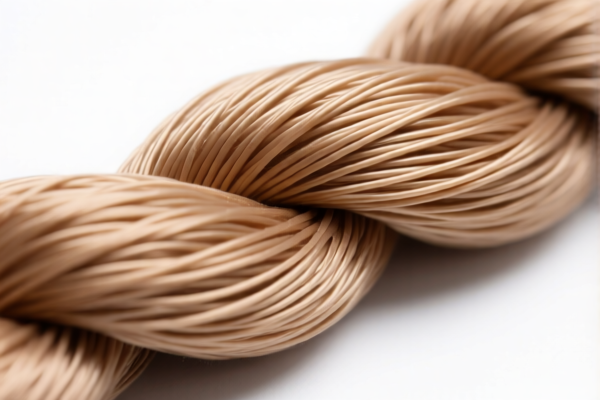
AI Analysis
🌟 Polyamide Filament Fabric (Nylon-Based Woven & Knitted Fabrics)
🌐 HS Code Reference & Customs Clearance Guide | 2026 Updated Tariff Analysis | Professional Import Strategy
📌 One-Stop Breakdown of Classification, Tax Rules, and Real-World Compliance Tips
📦 1. Product Definition & Classification: What Exactly Is "Polyamide Filament Fabric"?
Polyamide filament fabric refers to woven or knitted textiles made from nylon (polyamide) filaments, typically used in high-performance apparel, sportswear, technical textiles, and industrial applications.
🔍 Key Characteristics: - Made from synthetic filament yarns (not staple fibers) - Contains 85% or more by weight of nylon or other polyamides - Can be woven (e.g., lightweight performance fabrics) or knitted (e.g., double-knit, interlock) - Available in dyed or unbleached/bleached forms - Weight: Not more than 170 g/m² (lightweight category)
⚠️ Critical Distinction: - If the fabric is woven, it falls under Chapter 54 (synthetic filament yarns). - If knitted, it falls under Chapter 60 (knitted or crocheted fabrics). - The weight limit (≤170 g/m²) and fiber content (≥85%) are essential for correct classification.
📊 2. HS Code Classification Table (2026 Official Tariff Breakdown)
| HS Code | Product Description | Fabric Type | Fiber Content | Weight Limit | Key Use Case |
|---|---|---|---|---|---|
6006.31.00.20 |
Other knitted or crocheted fabrics: Of synthetic fibers: Unbleached or bleached, of double knit or interlock construction: Of nylon (222) | Knitted (Double Knit / Interlock) | ≥85% Nylon | ≤170 g/m² | Sportswear, activewear, leggings, underwear |
6006.32.00.20 |
Other knitted or crocheted fabrics: Of synthetic fibers: Dyed, of double knit or interlock construction: Of nylon (222) | Knitted (Double Knit / Interlock) | ≥85% Nylon | ≤170 g/m² | Fashion garments, outerwear, printed apparel |
5407.41.00.30 |
Woven fabrics of synthetic filament yarn: Other woven fabrics, ≥85% nylon/polyamide: Unbleached or bleached, other: ≤170 g/m² | Woven | ≥85% Nylon | ≤170 g/m² | Technical textiles, industrial fabrics, light-duty curtains |
5407.42.00.30 |
Woven fabrics of synthetic filament yarn: Other woven fabrics, ≥85% nylon/polyamide: Dyed, other: ≤170 g/m² | Woven | ≥85% Nylon | ≤170 g/m² | Fashion fabrics, outerwear, lightweight drapery |
✅ Important Note:
- All four codes are specific to nylon (polyamide) fabrics with ≥85% filament content. - The "222" in the description indicates origin or regulatory status (e.g., China, Vietnam, or other designated countries under trade rules). - No additional sub-division applies — these are final-level HS codes.
💰 3. 2026 Tariff & Tax Breakdown (U.S. Market – China Origin)
✅ Applicable Country: United States (US)
✅ Origin: China (CN)
✅ Effective Date: 2025–2026 (current tariff regime)
✅ Applicable to all four HS codes listed above
🎯 1. 6006.31.00.20 — Unbleached/Bleached Knitted Nylon Fabric (Double Knit/Interlock)
| Item | Detail |
|---|---|
| Base Duty | 0.0% (ad valorem) |
| USITC Section 301 Additional Tariff | +25% |
| IEEPA Emergency Tariff (China) | +10% |
| Total Effective Duty | 35.0% |
| Tax Calculation | CIF Value × 35.0% |
| De Minimis Threshold | ❌ Not applicable (denied) |
| Legal Basis Path | IEEPA:9903.01.25 → USITC:6006.31.00.20 → FOOTNOTE:9903.88.01 |
📌 Explanation: - Despite 0% base duty, the combined USITC + IEEPA tariffs push the total to 35%. - Applies to all unbleached/bleached knitted nylon fabrics under this category. - No exemption even for small shipments.
🎯 2. 6006.32.00.20 — Dyed Knitted Nylon Fabric (Double Knit/Interlock)
| Item | Detail |
|---|---|
| Base Duty | 0.0% |
| USITC Additional Tariff | +25% |
| IEEPA Emergency Tariff | +10% |
| Total Effective Duty | 35.0% |
| Tax Calculation | CIF Value × 35.0% |
| De Minimis | ❌ Not eligible |
| Legal Path | IEEPA:9903.01.25 → USITC:6006.32.00.20 → FOOTNOTE:9903.88.01 |
📌 Note: - Dyed fabrics are not exempt from tariffs — same rate as unbleached. - Applies to all dyed knitted nylon fabrics with double-knit/interlock structure.
🎯 3. 5407.41.00.30 — Unbleached/Bleached Woven Nylon Fabric (≤170 g/m²)
| Item | Detail |
|---|---|
| Base Duty | 0.0% |
| USITC Tariff | +25% |
| IEEPA Tariff | +10% |
| Total Duty | 35.0% |
| Tax Calculation | CIF × 35.0% |
| De Minimis | ❌ Not allowed |
| Legal Basis | IEEPA:9903.01.25 → USITC:5407.41.00.30 → FOOTNOTE:9903.88.01 |
📌 Use Case: - Ideal for lightweight industrial fabrics, technical curtains, sporting gear, lightweight outerwear. - Even unbleached fabrics are subject to 35% due to origin.
🎯 4. 5407.42.00.30 — Dyed Woven Nylon Fabric (≤170 g/m²)
| Item | Detail |
|---|---|
| Base Duty | 0.0% |
| USITC Tariff | +25% |
| IEEPA Tariff | +10% |
| Total Duty | 35.0% |
| Tax Calculation | CIF × 35.0% |
| De Minimis | ❌ Not eligible |
| Legal Path | IEEPA:9903.01.25 → USITC:5407.42.00.30 → FOOTNOTE:9903.88.01 |
📌 Key Insight: - Dyed woven fabrics are not treated differently — same tariff as unbleached. - Common in fashion textiles, light drapery, printed sportswear.
🛠️ 4. Customs Clearance Best Practices (Pro Tips to Avoid Delays & Penalties)
✅ 1. Required Documentation (Must-Have Checklist)
| Document | Required? | Why It Matters |
|---|---|---|
| ✅ Commercial Invoice | ✔️ | Must clearly state: "Polyamide Filament Fabric, Woven/Knitted, Dyed/Unbleached, ≤170 g/m²" |
| ✅ Packing List | ✔️ | Show weight per roll, total quantity, dimensions |
| ✅ Bill of Lading / Air Waybill | ✔️ | Proof of shipment and carrier |
| ✅ Product Specification Sheet | ✔️ | Fiber composition (≥85% nylon), construction type (double knit, interlock, etc.), weight |
| ✅ Test Report (e.g., ISO, AATCC) | ✔️ | Proves fiber content and weight compliance |
| ✅ Certificate of Origin (CO) | ✔️ | Critical for tariff determination — China origin = 35% |
| ✅ Sample Fabric (if requested) | ✔️ | For customs inspection or verification |
✅ 2.申报技巧(申报口诀)
🔥 “结构看清楚,纤维要达标,重量别超标,原产地是关键!”
| Scenario | Correct HS Code | Common Mistake |
|---|---|---|
| Knitted, dyed, double-knit, nylon, ≤170 g/m² | 6006.32.00.20 |
Misclassified as 6006.31.00.20 (wrong dye status) |
| Woven, unbleached, ≥85% nylon, ≤170 g/m² | 5407.41.00.30 |
Mistaken as 5407.42.00.30 (wrong color status) |
| Knitted, unbleached, nylon, ≤170 g/m² | 6006.31.00.20 |
Overlooked "double knit" requirement → wrong code |
| Fabric from Vietnam/Mexico | Check IEEPA exemption | Assume China origin → pay 35% |
✅ 3. Special Cases & Risk Mitigation
| Situation | Recommended Action |
|---|---|
| Fabric from Vietnam or Mexico | Apply for IEEPA exemption — if eligible, tariff drops to 0% |
| Fabric with mixed fibers (e.g., 80% nylon) | Cannot use these codes — may fall under lower-tier HS codes with different rates |
| Fabric >170 g/m² | Use different HS codes (e.g., 5407.49.00.00) — higher tariffs possible |
| Custom dyeing or finishing | Ensure it's not considered “further processing” — may trigger reclassification |
| Bulk shipment with multiple types | Declare by type and HS code — do not combine in one line |
🌍 5. Global Market Tariff Comparison (2026)
| Country | Recommended HS Code | Base Duty | Additional Taxes | Total Effective Duty | Certification Required |
|---|---|---|---|---|---|
| 🇺🇸 United States | 6006.31/32.00.20, 5407.41/42.00.30 |
0% | +25% (USITC) +10% (IEEPA) | 35.0% | None (unless required) |
| 🇨🇳 China | Same HS codes | 5% | None | 5.0% | CCC (if applicable) |
| 🇪🇺 European Union | Same | 0% | None | 0% | CE, REACH, RoHS |
| 🇦🇺 Australia | Same | 5% | None | 5.0% | RCM |
| 🇯🇵 Japan | Same | 0% | None | 0% | PSE |
📌 Insight:
- China is the only major market with 35% tariffs on this fabric. - EU, Japan, Australia offer low or zero tariffs — ideal for export diversification.
📌 6. Common Mistakes & How to Avoid Them (Real-World Pitfalls)
❌ Mistake 1:
"We shipped dyed knitted fabric as unbleached — no difference in tax!"
👉 Reality: While the tariff rate is the same, incorrect HS code = customs audit, delays, fines.
❌ Mistake 2:
"Our fabric weighs 175 g/m² — close enough!"
👉 Reality: Overweight fabrics fall into higher-duty categories (e.g.,5407.49.00.00→ 20%+). No margin for error.
❌ Mistake 3:
"We used a generic name: 'Nylon Fabric' — no need for details."
👉 Reality: Customs requires exact description. Use:
"Knitted fabric, double knit, dyed, of nylon (≥85%), ≤170 g/m²"
❌ Mistake 4:
"We didn’t declare origin — it’s not important."
👉 Reality: China origin = 35% tariff. Vietnam origin = 0% if eligible.
✅ Correct Declaration Example:
"Woven polyamide filament fabric, dyed, containing ≥85% nylon, weight 150 g/m², for sportswear, HS Code: 5407.42.00.30, Origin: Vietnam"
🎯 7. Final Verdict: How to Win the Tariff Game
✅ The Golden Rule:
"Structure + Fiber + Weight + Origin = Correct HS Code + Correct Tax"🔥 Pro Tips: - Source from Vietnam/Mexico → 0% tariff in US (if eligible under IEEPA exemption). - Use precise product descriptions — avoid "nylon fabric" or "synthetic fabric". - Verify weight and fiber content with lab test reports. - Apply for pre-ruling (Advance Ruling) if importing large volumes.
📣 Call to Action: Secure Your Supply Chain Now!
📞 Contact a U.S.-licensed customs broker + submit product specs + request HS Code pre-approval
🚀 Switch origin to Vietnam/Mexico → save 35% in tariffs
💼 Turn compliance into competitive advantage
✨ Your fabric is high-performance — your customs strategy should be too!
💼 Precise classification = lower cost, faster clearance, zero risk.
🎯 Remember:
"35% tariff is not a cost — it’s a mistake waiting to happen."
Classify right. Pay less. Ship faster.
✅ Professional Customs, One Code at a Time.
Customer Reviews
About HS Code Classification
The Harmonized System (HS) is an internationally standardized nomenclature developed by the World Customs Organization (WCO) to classify traded products. Over 200 countries use the HS system as the basis for customs tariffs, trade statistics, and import/export regulations.
Each HS code follows a hierarchical structure:
- Chapter (2 digits) — Broad category of goods (e.g., Chapter 84: Machinery and Mechanical Appliances)
- Heading (4 digits) — More specific grouping within the chapter
- Subheading (6 digits) — Internationally standardized breakdown, used by all WCO member countries
- National subdivisions (8-10 digits) — Country-specific extensions for further classification, such as US HTSUS 10-digit codes
Correct HS code classification is essential for smooth customs clearance, accurate duty payment, and compliance with trade regulations. Misclassification can lead to customs delays, overpayment of duties, or penalties.
When importing from CN to US, the applicable tariff rates may include:
- Most-Favored-Nation (MFN) rate — The standard duty rate applied to WTO members
- General rate — Applied to countries without trade agreements
- Trade remedy duties — Additional tariffs such as Section 301 (anti-dumping), Section 232 (national security), or countervailing duties
The information provided on this page is for reference purposes only. For official classification, please consult with your local customs authority or a licensed customs broker.