Polyamide Film Composite
CN → US| HS编码 | 关税税率 | 原产国 | 目的国 | 文档 |
|---|---|---|---|---|
| 3920920000 | 39.2% | CN | US | 官方文档 |
| 3920991000 | 41.0% | CN | US | 官方文档 |
| 3908100000 | 41.3% | CN | US | 官方文档 |
| 3908907000 | 41.5% | CN | US | 官方文档 |
| 5407410030 | 48.6% | CN | US | 官方文档 |
商品图片
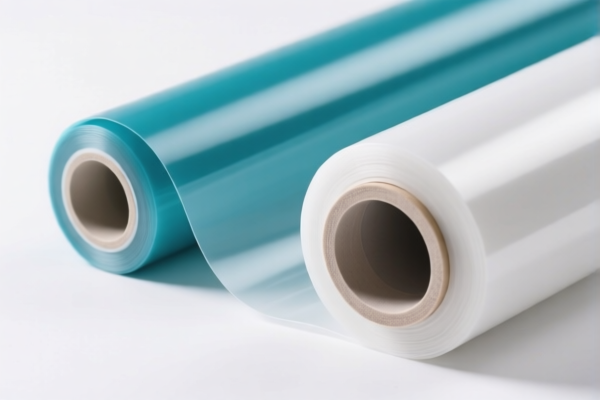
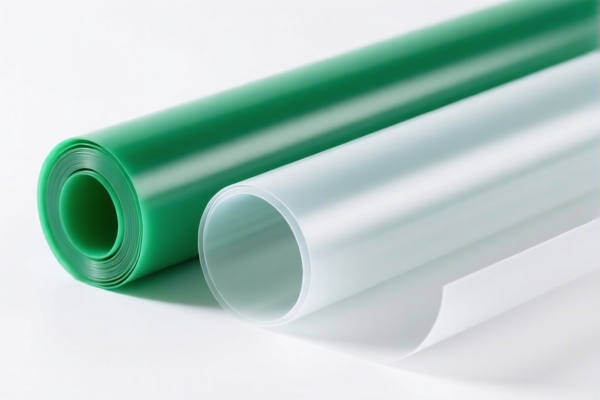
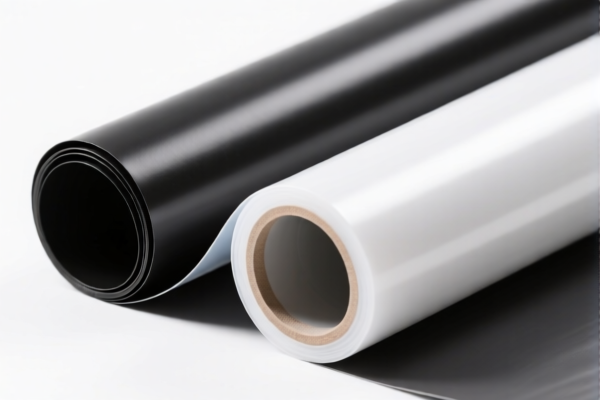
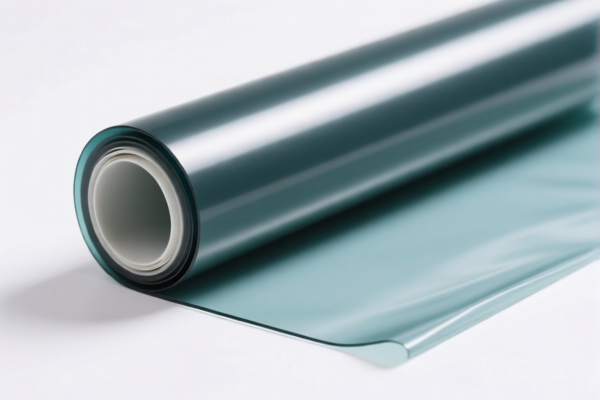
AI分析
📦 Polyamide Film Composite (Nylon/Polyamide Films)
🌐 HS Code Reference & Customs Clearance Guide | 2026 Latest Tariff Analysis | Professional Clearance Strategy
📌 Part I: Product Definition & Classification: Do You Truly Understand "Polyamide Film"?
Polyamide film, commonly known as Nylon Film (PA), is a high-performance plastic film renowned for its excellent mechanical strength, heat resistance, and gas barrier properties. In international trade, the classification of Polyamide Film depends strictly on its physical state and manufacturing form. It is not a single homogeneous product but falls into distinct categories based on whether it is in its raw, primary form or processed into finished films, sheets, or fabrics.
Primary Forms (Resins/Granules): Raw polyamide material before being extruded into a specific shape.
Finished Films & Sheets: Extruded, cast, or blown films with specific thickness and dimensions.
Woven/Non-Woven Fabrics: Textile-like forms derived from polyamide fibers.
⚠️ Key Distinction Point:
- If the product is raw resin, pellets, or granules used for further manufacturing → Classified under Chapter 3908 (Primary Forms).
- If the product is a finished film, sheet, or strip (even if thin) → Classified under Chapter 3920 or 3921 (Plastics in Primary Forms vs. Plates/Sheets/Film).
- If the product is a woven fabric made of polyamide filaments → Classified under Chapter 5407 (Textiles).
📦 Part II: HS Code Classification Details (2026 Latest Tariff Authoritative Comparison)
| HS Code | Product Description | Application Scenario | Physical Form |
|---|---|---|---|
3908.10.00.00 |
Polyamides in primary forms (specifically Nylon 6, 66, etc.) | Raw resin, pellets, granules for injection molding or extrusion | ✅ Primary Form (Resin) |
3908.90.70.00 |
Other polyamides in primary forms | Specialty polyamides, copolymers in raw state | ✅ Primary Form (Resin) |
3920.92.00.00 |
Polyamide films (Nylon Film) | Flexible packaging, lamination layers, electrical insulation | ✅ Film/Sheet Form |
3920.99.10.00 |
Other plates, sheets, film, foil, and strip (Plastics) | Composite films, non-specific polyamide films, coated films | ✅ Film/Sheet Form |
5407.41.00.30 |
Woven fabrics of synthetic filaments (Polyamide) | Industrial belts, filters, textile-like nylon materials | ✅ Fabric/Textile Form |
🔍 Important Reminder:
- Film vs. Primary Form: Many importers mistakenly classify finished Nylon Film under3908(Resin). This is incorrect. Once extruded into a film, it becomes a processed article under 3920.
- Composite Nature: If the "Polyamide Film Composite" involves laminating nylon with other materials (e.g., PE, PET), it generally falls under 3920.99 or specific composite codes depending on the principal material.
- Fabric Distinction: If the polyamide is woven into a mesh or fabric, it leaves Chapter 39 entirely and enters Chapter 5407.
💰 Part III: 2026 Latest Tariff Rate Breakdown (Including Surcharges & Policy Add-ons)
✅ Applicable Country: United States (US)
✅ Country of Origin: China (CN)
✅ Effective Date: November 10, 2025 (Includes subsequent imports)
🎯 1. 3920.92.00.00 —— Polyamide Films (The Most Common Classification for Pure Nylon Film)
| Item | Details |
|---|---|
| Base Tariff Rate | 4.2% (ad valorem) |
| Section 301 Surcharge | +25.0% (Additional duty under USITC Footnote 9903.88.01) |
| Section 122 Tariff | +10.0% (Specific statutory addition for certain plastics/polyamides) |
| Total Tariff Rate | 39.2% |
| Tax Calculation | CIF Value × 39.2% |
| De Minimis Eligibility | ❌ Not Eligible (deny_de_minimis) |
| Legal Basis Path | Section 122 → Section 301:9903.88.01 → USITC:3920.92.00.00 |
📌 Explanation:
- This is the most favorable tariff code for pure polyamide films among the options provided.
- The "122 Tariff" is a specific legislative addition targeting certain plastic articles, adding an extra 10% on top of the standard 301 duties.
- Total Cost Impact: Nearly 40% of the CIF value. High cost requires precise classification to avoid overpayment or underpayment.
🎯 2. 3920.99.10.00 —— Other Plates, Sheets, Film, Foil, and Strip (Plastics)
| Item | Details |
|---|---|
| Base Tariff Rate | 6.0% (ad valorem) |
| Section 301 Surcharge | +25.0% |
| Section 122 Tariff | +10.0% |
| Total Tariff Rate | 41.0% |
| Tax Calculation | CIF Value × 41.0% |
| De Minimis Eligibility | ❌ Not Eligible |
| Legal Basis Path | Section 122 → Section 301:9903.88.01 → USITC:3920.99.10.00 |
📌 Note:
- This code is often used for composite films or films that do not fit specifically into3920.92(e.g., films with other polymers where nylon is not the sole defining characteristic).
- Higher base rate (6.0% vs 4.2%) makes this less competitive for pure nylon films.
🎯 3. 3908.10.00.00 & 3908.90.70.00 —— Polyamides in Primary Forms (Resins)
| Item | Details |
|---|---|
| Base Tariff Rate | 6.3% (3908.10) / 6.5% (3908.90) |
| Section 301 Surcharge | +25.0% |
| Section 122 Tariff | +10.0% |
| Total Tariff Rate | 41.3% (3908.10) / 41.5% (3908.90) |
| Tax Calculation | CIF Value × 41.3%~41.5% |
| De Minimis Eligibility | ❌ Not Eligible |
📌 Critical Warning:
- Do NOT classify finished films here. These codes are ONLY for raw resin, pellets, or granules.
- If you import pre-made Nylon Film and declare it as3908, you risk reclassification, penalties, and back taxes.
- However, if you are importing Nylon Resin to make film locally, these are the correct codes.
🎯 4. 5407.41.00.30 —— Woven Fabrics of Synthetic Filaments
| Item | Details |
|---|---|
| Base Tariff Rate | 13.6% (ad valorem) |
| Section 301 Surcharge | +25.0% |
| Section 122 Tariff | +10.0% |
| Total Tariff Rate | 48.6% |
| Tax Calculation | CIF Value × 48.6% |
| De Minimis Eligibility | ❌ Not Eligible |
📌 Note:
- This code applies ONLY if the product is a woven fabric (textile structure), not a flat plastic film.
- Highest tariff rate among the options. Misclassifying a woven nylon belt as a "film" or vice versa leads to significant discrepancies.
🛠️ Part IV: Customs Clearance Practical Advice (Real-World Pitfall Avoidance)
✅ 1. Documentation Checklist (All Are Mandatory)
| Document | Required | Explanation |
|---|---|---|
| ✅ Product Specification Sheet | ✔️ | Must clearly state material composition (e.g., "100% Nylon 6"), thickness, width, and form (Film vs. Resin vs. Fabric). |
| ✅ Photos of Product | ✔️ | Must show the texture (flat film vs. woven mesh) and packaging. |
| ✅ Statement of Origin | ✔️ | Confirms Chinese origin; crucial for applying Section 301 and 122 duties. |
| ✅ Commercial Invoice & Packing List | ✔️ | Must match HS Code description exactly. Avoid generic terms like "Plastic Sheet." Use "Polyamide Film." |
| ✅ Test Reports (Optional but Recommended) | ✔️ | Certifies material type if content is complex (e.g., multi-layer laminate). |
✅ 2. Declaration Strategies (Key Mnemonic)
🔥 “Form Determines Code, Resin is 3908, Film is 3920, Fabric is 5407!”
| Scenario | Correct HS Code | Incorrect Approach | Consequence |
|---|---|---|---|
| Pure Nylon Film (Flexible, rolled) | 3920.92.00.00 |
Declaring as Resin (3908) |
41.3% vs 39.2% (Overpay) OR Rejection if inspected |
| Nylon Pellets/Resin | 3908.10.00.00 |
Declaring as Film (3920) |
Reclassification + Penalty |
| Woven Nylon Fabric | 5407.41.00.30 |
Declaring as Film (3920) |
High Penalty + Back Taxes (48.6% vs 39.2%) |
| Composite/Coated Film | 3920.99.10.00 |
Declaring as Pure (3920.92) |
Possible Dispute if principal material is unclear |
✅ 3. Special Cases Handling
| Situation | Handling Advice |
|---|---|
| Multi-Layer Laminates | If the film is a composite (e.g., PE/PA/PE), declare based on the principal material. If PA is the principal structural layer, 3920.92 or 3920.99 may apply. Provide layer breakdown. |
| Sample vs. Bulk | Even small samples of Nylon Film are subject to the 39.2%~41.5% tariffs. De Minimis does not apply. |
| Customs Examination | If customs doubts the material, they may require a material test report to distinguish between Resin (3908) and Film (3920). |
🌍 Part V: Global Market Comparison (2026 Latest)
| Country/Region | Recommended HS Code | Tariff Rate (China Origin) | Key Requirement | Notes |
|---|---|---|---|---|
| 🇺🇸 USA | 3920.92.00.00 |
39.2% | Section 301 + 122 | Highest cost market. Avoid 5407 (48.6%). |
| 🇨🇳 China | 3920.92.00.00 |
~3.5% | None | Low import duty for domestic processing. |
| 🇪🇺 EU | 3920.92.00.00 |
0% - 6.5% | CE/RoHS | No Section 301/122 equivalents. Much cheaper. |
| 🇯🇵 Japan | 3920.92.00.00 |
6.0% | PSE/JIS | Moderate tariff. |
📌 Conclusion:
- USA is the most expensive market for Polyamide Films due to Section 301 + 122 duties.
- Cost Optimization: If possible, consider supply chain diversification to non-China origins for the US market to avoid these surcharges.
- Classification Precision: Misclassifying Film as Resin is a common audit trigger. Ensure your physical product matches the HS Code definition.
📌 Part VI: Common Errors & Pitfall Guide (Lessons Learned)
❌ Error 1: Classifying Nylon Film under 3908 (Resin) because "it's just plastic."
👉 Consequence: Customs reclassifies to 3920, leading to penalties for incorrect declaration and potential back taxes.
❌ Error 2: Using generic terms like "Plastic Film" on the invoice without specifying "Polyamide" or "Nylon".
👉 Consequence: Customs may assign a higher default tariff code or request extensive clarification, causing delays.
❌ Error 3: Misidentifying Woven Nylon Mesh as a "Film."
👉 Consequence: Tariff jumps from 39.2% to 48.6% upon reclassification.
✅ Correct Practice:
"Polyamide (Nylon) Film, Cast, Unoriented, 0.05mm Thickness, For Packaging Lamination, HS 3920.92.00.00"
🎯 Part VII: Conclusion: Professional Declaration Saves Money!
🎯 Remember the Mnemonic:
🔹 "Resin is 3908, Film is 3920, Fabric is 5407!"
🔹 "Section 122 adds 10%, 301 adds 25%, Total is nearly 40%!"
📌 Pro Tip:
If your Polyamide Film is imported into the US, budget for ~39.2% to 41.5% in total duties.
For non-US markets (EU, Japan), tariffs are significantly lower.
Consider applying for an Advance Ruling from US Customs (CBP) if you are unsure about composite structures.
📣 Immediate Action:
📞 Consult a licensed customs broker + Provide material spec sheets + Verify physical form (Film vs. Resin vs. Fabric)
🚀 Ensure accurate HS Code declaration to avoid audits, delays, and unexpected costs.
✨ Professional clearance starts with precise classification!
💼 Every percentage point of tariff matters!
用户评价
关于 HS 编码归类
协调制度(HS)是由世界海关组织(WCO)制定的国际贸易商品分类标准。全球 200 多个国家采用 HS 系统作为海关关税、贸易统计和进出口监管的基础。
每个 HS 编码遵循以下层级结构:
- 章(2 位)——商品大类(例如:第 84 章:机器和机械设备)
- 品目(4 位)——章内的更具体分类
- 子目(6 位)——国际通用细分,所有 WCO 成员国统一使用
- 本国细分(8-10 位)——各国自行扩展的细分编码,如美国 HTSUS 10 位编码
正确的 HS 编码归类对于顺利通关、准确缴纳关税和遵守贸易法规至关重要。错误归类可能导致海关延误、多缴关税或罚款。
从CN进口到US时,适用的关税税率可能包括:
- 最惠国(MFN)税率——适用于 WTO 成员国的标准关税税率
- 普通税率——适用于无贸易协定国家
- 贸易救济关税——附加关税,如 301 条款(反倾销)、232 条款(国家安全)或反补贴税
本页内容仅供参考。如需正式归类,请咨询当地海关或持牌报关代理。