Polyamide Film Composite
CN → US| HS Code | Tariff Rate | Origin | Destination | Doc |
|---|---|---|---|---|
| 3920920000 | 39.2% | CN | US | Official Doc |
| 3920991000 | 41.0% | CN | US | Official Doc |
| 3908100000 | 41.3% | CN | US | Official Doc |
| 3908907000 | 41.5% | CN | US | Official Doc |
| 5407410030 | 48.6% | CN | US | Official Doc |
Product Images
AI Analysis
📦 Polyamide Film Composite (Nylon/Polyamide Films)
🌐 HS Code Reference & Customs Clearance Guide | 2026 Latest Tariff Analysis | Professional Clearance Strategy
📌 Part I: Product Definition & Classification: Do You Truly Understand "Polyamide Film"?
Polyamide film, commonly known as Nylon Film (PA), is a high-performance plastic film renowned for its excellent mechanical strength, heat resistance, and gas barrier properties. In international trade, the classification of Polyamide Film depends strictly on its physical state and manufacturing form. It is not a single homogeneous product but falls into distinct categories based on whether it is in its raw, primary form or processed into finished films, sheets, or fabrics.
Primary Forms (Resins/Granules): Raw polyamide material before being extruded into a specific shape.
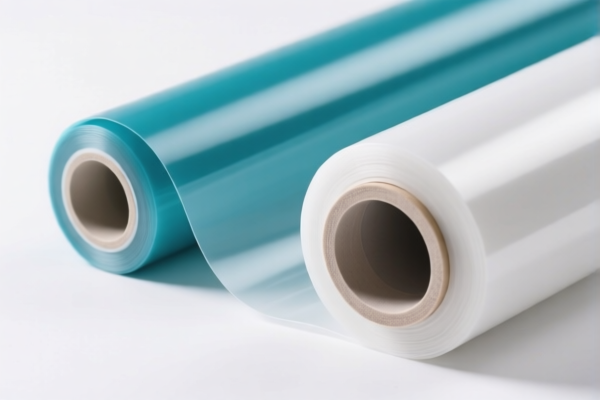
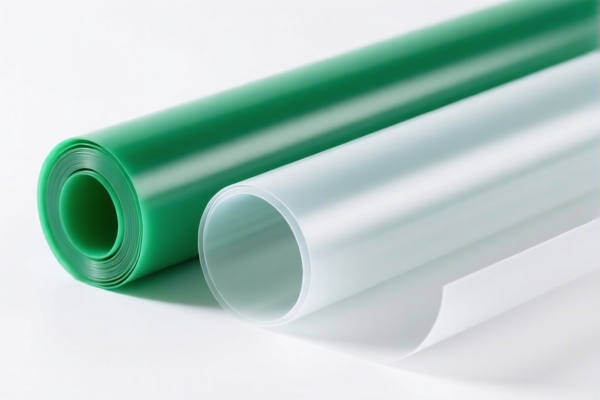
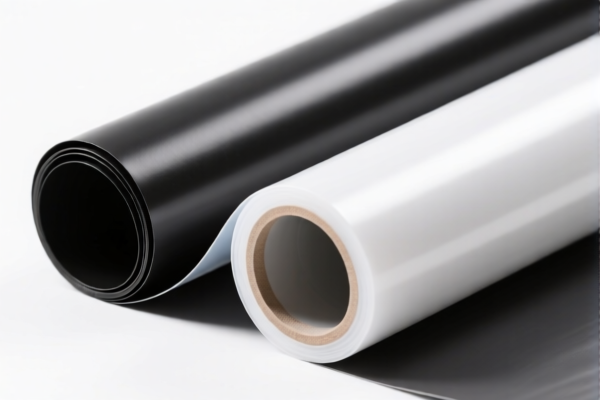
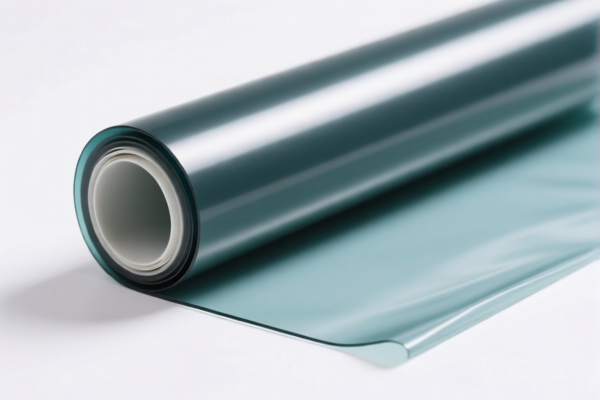
Finished Films & Sheets: Extruded, cast, or blown films with specific thickness and dimensions.
Woven/Non-Woven Fabrics: Textile-like forms derived from polyamide fibers.
⚠️ Key Distinction Point:
- If the product is raw resin, pellets, or granules used for further manufacturing → Classified under Chapter 3908 (Primary Forms).
- If the product is a finished film, sheet, or strip (even if thin) → Classified under Chapter 3920 or 3921 (Plastics in Primary Forms vs. Plates/Sheets/Film).
- If the product is a woven fabric made of polyamide filaments → Classified under Chapter 5407 (Textiles).
📦 Part II: HS Code Classification Details (2026 Latest Tariff Authoritative Comparison)
| HS Code | Product Description | Application Scenario | Physical Form |
|---|---|---|---|
3908.10.00.00 |
Polyamides in primary forms (specifically Nylon 6, 66, etc.) | Raw resin, pellets, granules for injection molding or extrusion | ✅ Primary Form (Resin) |
3908.90.70.00 |
Other polyamides in primary forms | Specialty polyamides, copolymers in raw state | ✅ Primary Form (Resin) |
3920.92.00.00 |
Polyamide films (Nylon Film) | Flexible packaging, lamination layers, electrical insulation | ✅ Film/Sheet Form |
3920.99.10.00 |
Other plates, sheets, film, foil, and strip (Plastics) | Composite films, non-specific polyamide films, coated films | ✅ Film/Sheet Form |
5407.41.00.30 |
Woven fabrics of synthetic filaments (Polyamide) | Industrial belts, filters, textile-like nylon materials | ✅ Fabric/Textile Form |
🔍 Important Reminder:
- Film vs. Primary Form: Many importers mistakenly classify finished Nylon Film under3908(Resin). This is incorrect. Once extruded into a film, it becomes a processed article under 3920.
- Composite Nature: If the "Polyamide Film Composite" involves laminating nylon with other materials (e.g., PE, PET), it generally falls under 3920.99 or specific composite codes depending on the principal material.
- Fabric Distinction: If the polyamide is woven into a mesh or fabric, it leaves Chapter 39 entirely and enters Chapter 5407.
💰 Part III: 2026 Latest Tariff Rate Breakdown (Including Surcharges & Policy Add-ons)
✅ Applicable Country: United States (US)
✅ Country of Origin: China (CN)
✅ Effective Date: November 10, 2025 (Includes subsequent imports)
🎯 1. 3920.92.00.00 —— Polyamide Films (The Most Common Classification for Pure Nylon Film)
| Item | Details |
|---|---|
| Base Tariff Rate | 4.2% (ad valorem) |
| Section 301 Surcharge | +25.0% (Additional duty under USITC Footnote 9903.88.01) |
| Section 122 Tariff | +10.0% (Specific statutory addition for certain plastics/polyamides) |
| Total Tariff Rate | 39.2% |
| Tax Calculation | CIF Value × 39.2% |
| De Minimis Eligibility | ❌ Not Eligible (deny_de_minimis) |
| Legal Basis Path | Section 122 → Section 301:9903.88.01 → USITC:3920.92.00.00 |
📌 Explanation:
- This is the most favorable tariff code for pure polyamide films among the options provided.
- The "122 Tariff" is a specific legislative addition targeting certain plastic articles, adding an extra 10% on top of the standard 301 duties.
- Total Cost Impact: Nearly 40% of the CIF value. High cost requires precise classification to avoid overpayment or underpayment.
🎯 2. 3920.99.10.00 —— Other Plates, Sheets, Film, Foil, and Strip (Plastics)
| Item | Details |
|---|---|
| Base Tariff Rate | 6.0% (ad valorem) |
| Section 301 Surcharge | +25.0% |
| Section 122 Tariff | +10.0% |
| Total Tariff Rate | 41.0% |
| Tax Calculation | CIF Value × 41.0% |
| De Minimis Eligibility | ❌ Not Eligible |
| Legal Basis Path | Section 122 → Section 301:9903.88.01 → USITC:3920.99.10.00 |
📌 Note:
- This code is often used for composite films or films that do not fit specifically into3920.92(e.g., films with other polymers where nylon is not the sole defining characteristic).
- Higher base rate (6.0% vs 4.2%) makes this less competitive for pure nylon films.
🎯 3. 3908.10.00.00 & 3908.90.70.00 —— Polyamides in Primary Forms (Resins)
| Item | Details |
|---|---|
| Base Tariff Rate | 6.3% (3908.10) / 6.5% (3908.90) |
| Section 301 Surcharge | +25.0% |
| Section 122 Tariff | +10.0% |
| Total Tariff Rate | 41.3% (3908.10) / 41.5% (3908.90) |
| Tax Calculation | CIF Value × 41.3%~41.5% |
| De Minimis Eligibility | ❌ Not Eligible |
📌 Critical Warning:
- Do NOT classify finished films here. These codes are ONLY for raw resin, pellets, or granules.
- If you import pre-made Nylon Film and declare it as3908, you risk reclassification, penalties, and back taxes.
- However, if you are importing Nylon Resin to make film locally, these are the correct codes.
🎯 4. 5407.41.00.30 —— Woven Fabrics of Synthetic Filaments
| Item | Details |
|---|---|
| Base Tariff Rate | 13.6% (ad valorem) |
| Section 301 Surcharge | +25.0% |
| Section 122 Tariff | +10.0% |
| Total Tariff Rate | 48.6% |
| Tax Calculation | CIF Value × 48.6% |
| De Minimis Eligibility | ❌ Not Eligible |
📌 Note:
- This code applies ONLY if the product is a woven fabric (textile structure), not a flat plastic film.
- Highest tariff rate among the options. Misclassifying a woven nylon belt as a "film" or vice versa leads to significant discrepancies.
🛠️ Part IV: Customs Clearance Practical Advice (Real-World Pitfall Avoidance)
✅ 1. Documentation Checklist (All Are Mandatory)
| Document | Required | Explanation |
|---|---|---|
| ✅ Product Specification Sheet | ✔️ | Must clearly state material composition (e.g., "100% Nylon 6"), thickness, width, and form (Film vs. Resin vs. Fabric). |
| ✅ Photos of Product | ✔️ | Must show the texture (flat film vs. woven mesh) and packaging. |
| ✅ Statement of Origin | ✔️ | Confirms Chinese origin; crucial for applying Section 301 and 122 duties. |
| ✅ Commercial Invoice & Packing List | ✔️ | Must match HS Code description exactly. Avoid generic terms like "Plastic Sheet." Use "Polyamide Film." |
| ✅ Test Reports (Optional but Recommended) | ✔️ | Certifies material type if content is complex (e.g., multi-layer laminate). |
✅ 2. Declaration Strategies (Key Mnemonic)
🔥 “Form Determines Code, Resin is 3908, Film is 3920, Fabric is 5407!”
| Scenario | Correct HS Code | Incorrect Approach | Consequence |
|---|---|---|---|
| Pure Nylon Film (Flexible, rolled) | 3920.92.00.00 |
Declaring as Resin (3908) |
41.3% vs 39.2% (Overpay) OR Rejection if inspected |
| Nylon Pellets/Resin | 3908.10.00.00 |
Declaring as Film (3920) |
Reclassification + Penalty |
| Woven Nylon Fabric | 5407.41.00.30 |
Declaring as Film (3920) |
High Penalty + Back Taxes (48.6% vs 39.2%) |
| Composite/Coated Film | 3920.99.10.00 |
Declaring as Pure (3920.92) |
Possible Dispute if principal material is unclear |
✅ 3. Special Cases Handling
| Situation | Handling Advice |
|---|---|
| Multi-Layer Laminates | If the film is a composite (e.g., PE/PA/PE), declare based on the principal material. If PA is the principal structural layer, 3920.92 or 3920.99 may apply. Provide layer breakdown. |
| Sample vs. Bulk | Even small samples of Nylon Film are subject to the 39.2%~41.5% tariffs. De Minimis does not apply. |
| Customs Examination | If customs doubts the material, they may require a material test report to distinguish between Resin (3908) and Film (3920). |
🌍 Part V: Global Market Comparison (2026 Latest)
| Country/Region | Recommended HS Code | Tariff Rate (China Origin) | Key Requirement | Notes |
|---|---|---|---|---|
| 🇺🇸 USA | 3920.92.00.00 |
39.2% | Section 301 + 122 | Highest cost market. Avoid 5407 (48.6%). |
| 🇨🇳 China | 3920.92.00.00 |
~3.5% | None | Low import duty for domestic processing. |
| 🇪🇺 EU | 3920.92.00.00 |
0% - 6.5% | CE/RoHS | No Section 301/122 equivalents. Much cheaper. |
| 🇯🇵 Japan | 3920.92.00.00 |
6.0% | PSE/JIS | Moderate tariff. |
📌 Conclusion:
- USA is the most expensive market for Polyamide Films due to Section 301 + 122 duties.
- Cost Optimization: If possible, consider supply chain diversification to non-China origins for the US market to avoid these surcharges.
- Classification Precision: Misclassifying Film as Resin is a common audit trigger. Ensure your physical product matches the HS Code definition.
📌 Part VI: Common Errors & Pitfall Guide (Lessons Learned)
❌ Error 1: Classifying Nylon Film under 3908 (Resin) because "it's just plastic."
👉 Consequence: Customs reclassifies to 3920, leading to penalties for incorrect declaration and potential back taxes.
❌ Error 2: Using generic terms like "Plastic Film" on the invoice without specifying "Polyamide" or "Nylon".
👉 Consequence: Customs may assign a higher default tariff code or request extensive clarification, causing delays.
❌ Error 3: Misidentifying Woven Nylon Mesh as a "Film."
👉 Consequence: Tariff jumps from 39.2% to 48.6% upon reclassification.
✅ Correct Practice:
"Polyamide (Nylon) Film, Cast, Unoriented, 0.05mm Thickness, For Packaging Lamination, HS 3920.92.00.00"
🎯 Part VII: Conclusion: Professional Declaration Saves Money!
🎯 Remember the Mnemonic:
🔹 "Resin is 3908, Film is 3920, Fabric is 5407!"
🔹 "Section 122 adds 10%, 301 adds 25%, Total is nearly 40%!"
📌 Pro Tip:
If your Polyamide Film is imported into the US, budget for ~39.2% to 41.5% in total duties.
For non-US markets (EU, Japan), tariffs are significantly lower.
Consider applying for an Advance Ruling from US Customs (CBP) if you are unsure about composite structures.
📣 Immediate Action:
📞 Consult a licensed customs broker + Provide material spec sheets + Verify physical form (Film vs. Resin vs. Fabric)
🚀 Ensure accurate HS Code declaration to avoid audits, delays, and unexpected costs.
✨ Professional clearance starts with precise classification!
💼 Every percentage point of tariff matters!
Customer Reviews
About HS Code Classification
The Harmonized System (HS) is an internationally standardized nomenclature developed by the World Customs Organization (WCO) to classify traded products. Over 200 countries use the HS system as the basis for customs tariffs, trade statistics, and import/export regulations.
Each HS code follows a hierarchical structure:
- Chapter (2 digits) — Broad category of goods (e.g., Chapter 84: Machinery and Mechanical Appliances)
- Heading (4 digits) — More specific grouping within the chapter
- Subheading (6 digits) — Internationally standardized breakdown, used by all WCO member countries
- National subdivisions (8-10 digits) — Country-specific extensions for further classification, such as US HTSUS 10-digit codes
Correct HS code classification is essential for smooth customs clearance, accurate duty payment, and compliance with trade regulations. Misclassification can lead to customs delays, overpayment of duties, or penalties.
When importing from CN to US, the applicable tariff rates may include:
- Most-Favored-Nation (MFN) rate — The standard duty rate applied to WTO members
- General rate — Applied to countries without trade agreements
- Trade remedy duties — Additional tariffs such as Section 301 (anti-dumping), Section 232 (national security), or countervailing duties
The information provided on this page is for reference purposes only. For official classification, please consult with your local customs authority or a licensed customs broker.