Polyamide Plastic Sheet (Non foamed)
CN → US| HS编码 | 关税税率 | 原产国 | 目的国 | 文档 |
|---|---|---|---|---|
| 3920991000 | 41.0% | CN | US | 官方文档 |
| 3920920000 | 39.2% | CN | US | 官方文档 |
| 3926906010 | 39.2% | CN | US | 官方文档 |
| 3926906090 | 39.2% | CN | US | 官方文档 |
| 3920435000 | 39.2% | CN | US | 官方文档 |
商品图片
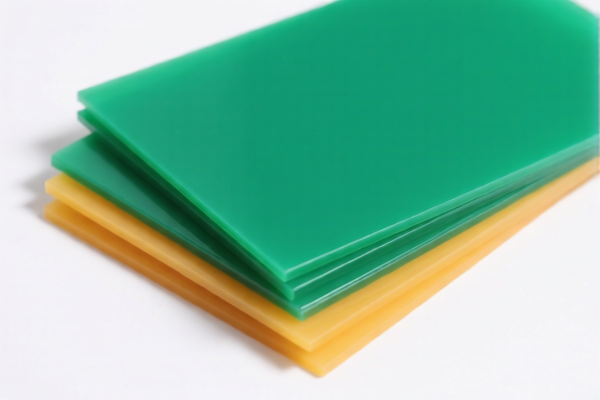
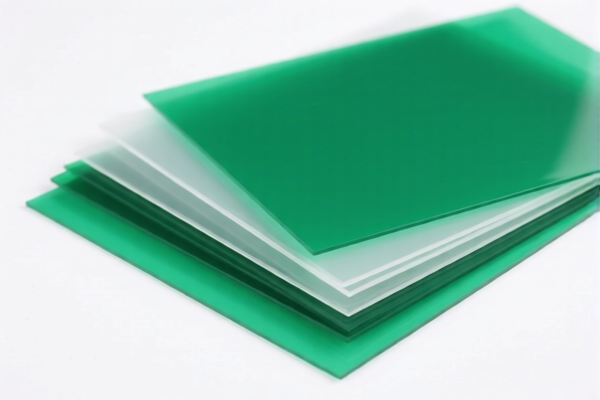
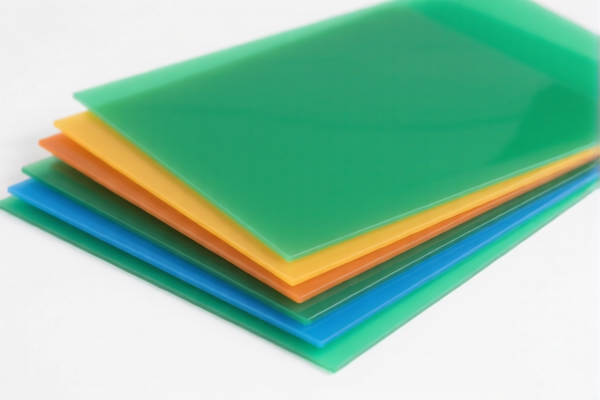
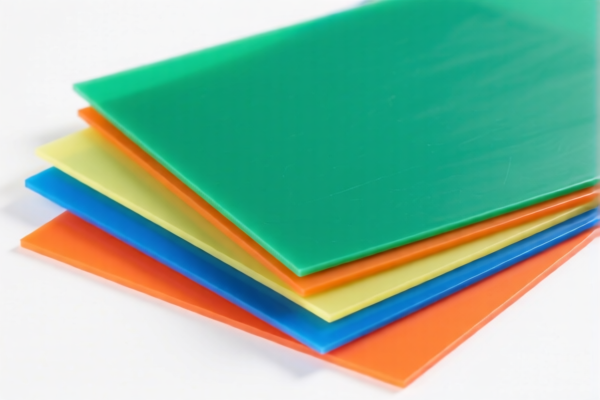
AI分析
🧱 Polyamide Plastic Sheet (Non-foamed)
🌐 HS Code Reference & Customs Clearance Guide | 2026 Latest Tariff Analysis | Professional Entry Strategy
📌 I. Product Definition & Classification: What Exactly is "Polyamide"?
Polyamide (PA), commonly known as Nylon, is a versatile synthetic polymer renowned for its high mechanical strength, abrasion resistance, and thermal stability. In international trade, when referred to as "Non-foamed Plastic Sheets," it denotes solid, dense plastic forms without air pockets (unlike expanded polystyrene or foam board).
These products are strictly categorized based on their form (sheet/board/strip) and material composition. Misclassification often leads to severe tariff penalties under current US trade restrictions.
⚠️ Key Classification Criteria:
- Material: Must be confirmed as Polyamide (Nylon). If it is PVC, PET, or PP, the HS code changes completely.
- Form:
- Solid Sheets/Boards: Flat, uniform thickness. → Likely 3920
- Strips/Bands: Long, narrow profiles. → Likely 3926
- Foamed: Contains cellular structure. → Not applicable here (User specified "Non-foamed")
📦 II. HS Code Classification Details (2026 Latest Tariff Authority Comparison)
Below are the exact HS Codes derived from the provided data, mapped to the specific physical form of the Polyamide product.
| HS Code | Product Description | Application Scenario | Tax Detail Breakdown |
|---|---|---|---|
3920.99.10.00 |
Polyamide Plastic Boards, non-cellular, matching material & form | Rigid, flat sheets used for machining, gaskets, or structural parts | Total Tax: 41.0% • Base: 6.0% • Add'l Tariff: 25.0% • Section 122: 10% |
3920.92.00.00 |
Polyamide Non-foam Plastic Sheets, exact material & form match | Thin to medium-thickness films or sheets, strictly Polyamide | Total Tax: 39.2% • Base: 4.2% • Add'l Tariff: 25.0% • Section 122: 10% |
3926.90.60.10 |
Polyamide Plastic Strip Articles, non-foam, plastic goods category | Extruded strips, rods, or narrow profiles for industrial use | Total Tax: 39.2% • Base: 4.2% • Add'l Tariff: 25.0% • Section 122: 10% |
3926.90.60.90 |
Polyamide Band Articles, non-foam, material consistency | Belts, bands, or wider strip forms, no material conflict | Total Tax: 39.2% • Base: 4.2% • Add'l Tariff: 25.0% • Section 122: 10% |
3920.43.50.00 |
Non-foam PVC Sheets, similar form, reference classification only | Warning: This is for PVC, not Polyamide. Included only as a form-reference comparison. | Total Tax: 39.2% • Base: 4.2% • Add'l Tariff: 25.0% • Section 122: 10% |
🔍 Critical Distinction:
- Use3920.xxxxxfor Sheets, Plates, and Films (broad, flat forms).
- Use3926.90.60for Strips, Bands, and Articles (narrow, profiled forms).
- Do not use3920.43.50.00unless the product is actually PVC. Using this for Polyamide is a misdeclaration that will trigger audits.
💰 III. 2026 Latest Tariff Rate Detailed Explanation (Including Surcharges & Policy Add-ons)
✅ Applicable Country: United States (US)
✅ Origin: China (CN) (Implied by "Section 122" and typical 301/122 context)
✅ Effective Time: Current 2026 Trade Policy
🎯 1. 3920.99.10.00 —— Polyamide Plastic Boards (Highest Tax Scenario)
| Item | Content |
|---|---|
| Base Tariff | 6.0% |
| Add'l Tariff (Section 301) | +25.0% |
| Section 122 Tariff | +10.0% |
| Total Effective Rate | 41.0% |
| Tax Calculation | CIF Value × 41.0% |
| De Minimis Exemption | ❌ Not Applicable (High-risk category) |
| Legal Basis Path | HTSUS:3920.99.10.00 → Section 301 Footnote → Section 122 Provision |
📌 Explanation:
- 41.0% is a very high effective duty rate.
- The Section 122 tariff (often related to specific enforcement actions or recent trade provisions) adds an extra 10% on top of the standard 301 tariffs.
- Board forms are often scrutinized more heavily than thin sheets due to potential industrial use.
🎯 2. 3920.92.00.00 —— Polyamide Non-foam Plastic Sheets
| Item | Content |
|---|---|
| Base Tariff | 4.2% |
| Add'l Tariff (Section 301) | +25.0% |
| Section 122 Tariff | +10.0% |
| Total Effective Rate | 39.2% |
| Tax Calculation | CIF Value × 39.2% |
| De Minimis Exemption | ❌ Not Applicable |
| Legal Basis Path | HTSUS:3920.92.00.00 → Section 301 Footnote → Section 122 Provision |
📌 Note:
- Slightly lower than boards due to a lower base rate (4.2% vs 6.0%).
- Applies to thin, flexible, or semi-rigid sheets specifically identified as Polyamide.
🎯 3. 3926.90.60.10 & 3926.90.60.90 —— Strips and Bands
| Item | Content |
|---|---|
| Base Tariff | 4.2% |
| Add'l Tariff (Section 301) | +25.0% |
| Section 122 Tariff | +10.0% |
| Total Effective Rate | 39.2% |
| Tax Calculation | CIF Value × 39.2% |
| De Minimis Exemption | ❌ Not Applicable |
| Legal Basis Path | HTSUS:3926.90.60.xx → Section 301 Footnote → Section 122 Provision |
📌 Note:
- These codes fall under Chapter 39, Heading 3926 (Other articles of plastics).
- Even though it’s plastic, because it’s shaped as a strip/band, it’s not classified as a "sheet" (3920) but as a "manufactured article" (3926).
- The tariff burden is similar to sheets but requires precise physical description.
🛠️ IV. Customs Clearance Practical Advice (Battle-Tested Pitfall Guide)
✅ 1. Required Documentation Checklist (Missing Items = Delay/Confiscation)
| Document | Mandatory? | Explanation |
|---|---|---|
| ✅ Product Specification Sheet | ✔️ | Must explicitly state Material: Polyamide (Nylon PA6/PA66/etc.). |
| ✅ Material Safety Data Sheet (MSDS) | ✔️ | Proves chemical composition; prevents confusion with other plastics. |
| ✅ Physical Samples/Photos | ✔️ | Show cross-section to prove Non-foamed (dense structure). |
| ✅ Commercial Invoice | ✔️ | Must clearly describe: "Polyamide Plastic Sheets, Non-foamed, Brand XYZ, Model ABC". |
| ✅ Bill of Lading / Packing List | ✔️ | Verify weight and dimensions match HS Code assumptions. |
| ✅ Certificate of Origin | ✔️ | If shipping from China, confirms origin for Section 122/301 assessment. |
✅ 2. Declaration Tactics (Key Mnemonics)
🔥 "Form Determines Code, Material Determines Duty, Precision Saves Money!"
| Scenario | Correct Declaration | Wrong Practice | Consequence |
|---|---|---|---|
| Flat, thick sheets | 3920.99.10.00 |
Call it "Plastic Parts" | Vague declaration → Audit |
| Thin, flexible film | 3920.92.00.00 |
Classify as "Boards" | Overpayment or Underpayment Risk |
| Long narrow strips | 3926.90.60.10 |
Call it "Sheets" | Misclassification → Penalty |
| PVC Sheets (mistakenly labeled PA) | 3920.43.50.00 |
Label as "Polyamide" | Fraud Alert → Seizure |
📌 Critical Tip:
- Always specify "Non-cellular" or "Non-foamed" in the description to avoid disputes.
- If the product is colored, mention it, but it doesn’t change the HS code for Polyamide.
- Do not use generic terms like "Plastic Sheet" without specifying Polyamide.
✅ 3. Special Circumstances Handling
| Situation | Handling Advice |
|---|---|
| Hybrid Materials | If it’s a composite (e.g., Nylon + Glass Fiber), ensure the base material is still Polyamide. If glass fiber >50%, HS may change to 3916/3917. |
| OEM Custom Colors | Provide color codes. Customs may request samples for verification if color is unusual. |
| Small Quantity (<$800) | Warning: Due to high tariffs (39-41%), the De Minimis exemption is NOT available for Section 122/301 goods from China. Even small shipments are taxable. |
| Transshipment | Do not reroute via Vietnam/Mexico to avoid Section 122/301. Strict origin rules apply. |
🌍 V. Global Market Comparison (2026 Latest)
| Country/Region | Recommended HS Code | Tariff Rate | Certification | Note |
|---|---|---|---|---|
| 🇺🇸 USA | 3920.99.10.00 / 3920.92.00.00 |
39.2% - 41.0% | No special certs | High duty due to Section 122 & 301 |
| 🇨🇳 China | 3920.99.00 / 3920.92.00 |
~4.2% - 6.0% | N/A | Low import tax |
| 🇪🇺 EU | 3920.49 / 3920.99 |
~6.5% | REACH Compliance | No 301/122 tariffs |
| 🇬🇧 UK | 3920.99 |
~6.5% | UKCA | Post-Brexit rules apply |
| 🇨🇦 Canada | 3920.99 |
~5.0% | N/A | FTA benefits may apply |
📌 Conclusion:
- The USA is the only major market imposing punitive tariffs (up to 41%) on Chinese-origin Polyamide plastic sheets.
- For US market entry, cost calculation must include ~40% duty. Consider pricing strategies or alternative sourcing if margins are thin.
- EU and UK markets are far more favorable (~6.5%), but require REACH chemical registration for Polyamide.
📌 VI. Common Errors & Pitfall Guide (Lessons from Experience)
❌ Error 1: Declaring "Plastic Sheet" without specifying Polyamide.
👉 Consequence: Customs may classify it under generic plastics (higher base rate) or request costly lab tests.
❌ Error 2: Confusing Sheet (3920) with Strip (3926).
👉 Consequence: If you ship wide sheets but declare as "strips," customs will reject it. If you ship strips but declare as "sheets," you may face misdeclaration penalties.
❌ Error 3: Assuming De Minimis ($800 exemption) applies.
👉 Consequence: It does NOT for Section 122/301 goods. Small shipments will still incur ~40% duty.
❌ Error 4: Using PVC Code (3920.43.50.00) for Polyamide.
👉 Consequence: This is a material mismatch. Polyamide and PVC have different densities, melting points, and chemical properties. Customs will reject this as false declaration.
✅ Correct Declaration Example:
"Polyamide (Nylon) Plastic Sheets, Non-foamed, Flat, 2mm Thickness, Raw Material Grade, Not for Specific Use, HS 3920.92.00.00"
🎯 VII. Conclusion: Precise Classification, Cost Control, and Compliance
🎯 Remember the Mantra:
🔹 "Polyamide is Key, Form Defines Code, 40% Duty is Real!"
🔹 "Don't guess the HS, verify the material, avoid the penalty trap!"
📌 Pro Tip:
If your Polyamide sheets are recycled or have additives (e.g., flame retardant), declare these explicitly. It may affect the "Specific Use" classification but not the base HS code for basic sheets.
🚀 Action Plan:
1. Verify Material: Confirm 100% Polyamide via MSDS.
2. Measure Form: Is it a Sheet (3920) or Strip (3926)?
3. Calculate Landed Cost: Add 39.2%-41.0% to your CIF price for US imports.
4. Consult a Broker: For large volumes, request a Binding Ruling from US CBP to lock in the HS code.
✨ Professional Customs Clearance Starts with Accurate Classification!
💼 Every 1% error in HS code can cost thousands in duties and delays!
用户评价
关于 HS 编码归类
协调制度(HS)是由世界海关组织(WCO)制定的国际贸易商品分类标准。全球 200 多个国家采用 HS 系统作为海关关税、贸易统计和进出口监管的基础。
每个 HS 编码遵循以下层级结构:
- 章(2 位)——商品大类(例如:第 84 章:机器和机械设备)
- 品目(4 位)——章内的更具体分类
- 子目(6 位)——国际通用细分,所有 WCO 成员国统一使用
- 本国细分(8-10 位)——各国自行扩展的细分编码,如美国 HTSUS 10 位编码
正确的 HS 编码归类对于顺利通关、准确缴纳关税和遵守贸易法规至关重要。错误归类可能导致海关延误、多缴关税或罚款。
从CN进口到US时,适用的关税税率可能包括:
- 最惠国(MFN)税率——适用于 WTO 成员国的标准关税税率
- 普通税率——适用于无贸易协定国家
- 贸易救济关税——附加关税,如 301 条款(反倾销)、232 条款(国家安全)或反补贴税
本页内容仅供参考。如需正式归类,请咨询当地海关或持牌报关代理。