Polycarbonate Automotive Interior Panel
CN → US| HS编码 | 关税税率 | 原产国 | 目的国 | 文档 |
|---|---|---|---|---|
| 3920610000 | 40.8% | CN | US | 官方文档 |
| 3921905050 | 39.8% | CN | US | 官方文档 |
| 3921190090 | 41.5% | CN | US | 官方文档 |
| 3920995000 | 40.8% | CN | US | 官方文档 |
| 3921905050 | 39.8% | CN | US | 官方文档 |
商品图片
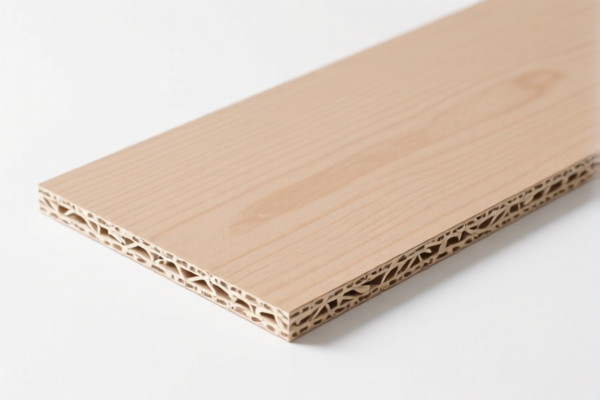
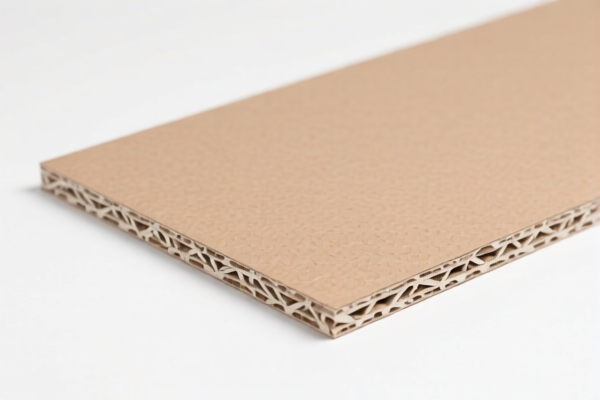
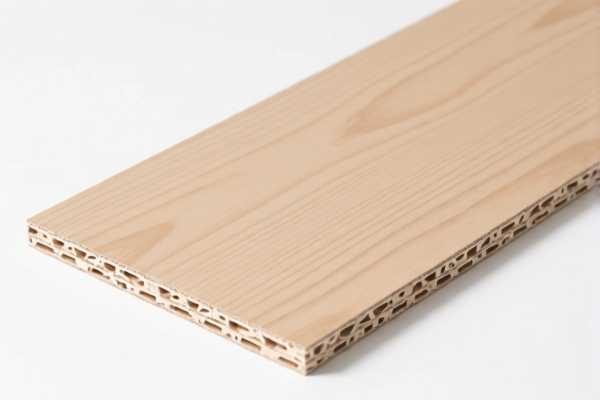
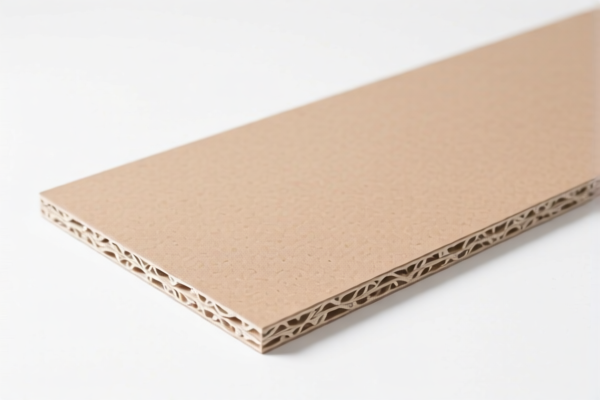
AI分析
🚗 Polycarbonate Automotive Interior Panel
🌐 HS Code Reference & Clearance Guide | 2026 Latest Tariff Analysis | Professional Customs Strategy
📌 One, Product Definition & Classification: Do You Really Understand "Plastic Panels"?
Polycarbonate (PC) and Polyamide (PA/Nylon) automotive interior panels are critical structural and aesthetic components in modern vehicles. In international trade, these are strictly classified under Chapter 39: Plastics and Articles Thereof.
The key distinction lies in the specific polymer type and general description: - Polycarbonate (PC) Panels: Often classified under Heading 3920 (Non-cellular plastics) or 3921 (Other plated/laminated/supported plastics), depending on specific sub-category definitions. - Polyamide (Nylon) Panels: Specifically noted in some descriptions as automotive interior trim, falling under 3921 (Other plastic plates/sheets).
⚠️ Key Classification Point:
- If the material is explicitly Polycarbonate and fits the description of "non-cellular plates," it may fall under 3920.99 or 3920.61.
- If it is a Polyamide (Nylon) or a general "other plastic" plate not elsewhere specified, it typically falls under 3921.90 or 3921.19.
- Do not confuse with finished automotive parts (Chapter 87); these are raw plastic plates/sheets intended for further processing into car interiors.
📦 Two, HS Code Classification Details (2026 Latest Tariff Authority Comparison)
| HS Code | Product Description | Application Scenario | Material Type |
|---|---|---|---|
3920.61.00.00 |
Polycarbonate plates, sheets, film, foil, and flat, in primary forms | PC-based interior trim panels, transparent/opaque PC sheets | ✅ Polycarbonate |
3921.90.50.50 |
Other plates, sheets, film, foil, and flat, of plastics; specifically Polyamide Automotive Interior Panels | Nylon/PA-based car door panels, dashboards, trim | ✅ Polyamide (Nylon) |
3921.19.00.90 |
Other plates, sheets, film, foil, and flat, of plastics; other plastic panels | General-purpose Polycarbonate or mixed plastic plates | ✅ Plastic (General) |
3920.99.50.00 |
Plates, sheets, film, foil, and flat, of other plastics; non-cellular, unreinforced | Other non-cellular Polycarbonate or plastic plates not elsewhere specified | ✅ Plastic (Non-cellular) |
🔍 Important Reminder:
- 3920.61.00.00 is specific to Polycarbonate. If your product is 100% PC, this is a strong candidate.
- 3921.90.50.50 explicitly mentions Polyamide (Nylon) automotive interior panels. If your panel is Nylon-based, this is the most accurate description.
- 3921.19.00.90 and 3920.99.50.00 are broader categories for "other plastics." Use these if the specific polymer isn't Polyamide or Polycarbonate, or if the specific sub-heading for PC doesn't perfectly fit your product's physical state (e.g., if it's laminated/coated).
💰 Three, 2026 Latest Tariff Rate Details (Including Surcharges, Policy Add-ons)
✅ Applicable Country: United States (US)
✅ Origin: China (CN)
✅ Effective Date: From November 10, 2025 (and subsequent imports)
🎯 1. 3920.61.00.00 —— Polycarbonate Plates (Polycarbonate Specific)
| Item | Content |
|---|---|
| Base Tariff Rate | 5.8% (ad valorem) |
| Section 301 Surcharge | +25.0% |
| Section 122 Tariff | +10.0% |
| Total Tariff Rate | 40.8% |
| Tax Calculation | CIF Value × 40.8% |
| De Minimis Exemption | ❌ Not Applicable |
| Legal Basis Path | USITC:3920.61.00.00 → Section 301 → Section 122 |
📌 Explanation:
- Base Rate 5.8%: Standard Most Favored Nation (MFN) rate for Polycarbonate plates.
- Section 301 (25%): Added tariff on Chinese goods under Trade Act of 1974, Section 301.
- Section 122 (10%): Additional tariff imposed under the International Emergency Economic Powers Act (IEEPA) or specific executive orders targeting Chinese imports.
- Total 40.8%: This is a high-cost category. Accurate material declaration is crucial to avoid misclassification penalties.
🎯 2. 3921.90.50.50 —— Polyamide (Nylon) Automotive Interior Panels
| Item | Content |
|---|---|
| Base Tariff Rate | 4.8% (ad valorem) |
| Section 301 Surcharge | +25.0% |
| Section 122 Tariff | +10.0% |
| Total Tariff Rate | 39.8% |
| Tax Calculation | CIF Value × 39.8% |
| De Minimis Exemption | ❌ Not Applicable |
| Legal Basis Path | USITC:3921.90.50.50 → Section 301 → Section 122 |
📌 Note:
- This HS Code explicitly covers Polyamide (Nylon) automotive interior panels.
- Base Rate 4.8%: Slightly lower than Polycarbonate due to different sub-heading classification.
- Total 39.8%: Still very high due to mandatory surcharges.
- Key Advantage: If your material is Nylon, this code is more descriptive and accurate than general "other plastics" codes.
🎯 3. 3921.19.00.90 —— Other Plastic Plates (General)
| Item | Content |
|---|---|
| Base Tariff Rate | 6.5% (ad valorem) |
| Section 301 Surcharge | +25.0% |
| Section 122 Tariff | +10.0% |
| Total Tariff Rate | 41.5% |
| Tax Calculation | CIF Value × 41.5% |
| De Minimis Exemption | ❌ Not Applicable |
| Legal Basis Path | USITC:3921.19.00.90 → Section 301 → Section 122 |
📌 Warning:
- This code has the highest total tariff (41.5%) among the options due to a higher base rate (6.5%).
- Use only if the product is a plastic plate but does not fit the specific descriptions of PC (3920.61) or Nylon Automotive Panels (3921.90.50.50).
- Avoid if possible due to higher cost, unless no other specific code applies.
🎯 4. 3920.99.50.00 —— Other Non-Cellular Plastic Plates
| Item | Content |
|---|---|
| Base Tariff Rate | 5.8% (ad valorem) |
| Section 301 Surcharge | +25.0% |
| Section 122 Tariff | +10.0% |
| Total Tariff Rate | 40.8% |
| Tax Calculation | CIF Value × 40.8% |
| De Minimis Exemption | ❌ Not Applicable |
| Legal Basis Path | USITC:3920.99.50.00 → Section 301 → Section 122 |
📌 Note:
- This code covers non-cellular, unreinforced plastic plates.
- If your Polycarbonate panel is not classified under 3920.61 (e.g., if it’s a composite or has specific treatments not covered by 3920.61), this may be the fallback.
- Total 40.8%: Same as PC-specific code, but with less descriptive accuracy. Ensure the product truly fits "non-cellular" and "unreinforced."
🛠️ Four, Customs Clearance Practical Advice (Pitfall Avoidance Guide)
✅ 1. Preparation Checklist (All Documents Required)
| Document | Required | Description |
|---|---|---|
| ✅ Product Specification Sheet | ✔️ | Must specify material (PC vs. PA/Nylon), dimensions, thickness, color, and finish. |
| ✅ Material Safety Data Sheet (MSDS) | ✔️ | To confirm chemical composition and ensure no restricted substances. |
| ✅ Product Photos | ✔️ | Clear images showing texture, edges, and any branding/mold marks. |
| ✅ Commercial Invoice | ✔️ | Must clearly state "Polycarbonate/Automotive Interior Panel" and HS Code. |
| ✅ Packing List | ✔️ | Detail weight, dimensions, and packaging type. |
| ✅ Certificate of Origin (CO) | ✔️ | Required for duty determination and potential exemption claims (if applicable). |
| ✅ Test Reports | ✔️ | If available, include flammability, durability, or chemical resistance tests relevant to automotive use. |
✅ 2. Declaration Tips (Key Mnemonics)
🔥 "Material First, Form Second, No De Minimis!"
| Scenario | Correct Declaration | Incorrect Practice |
|---|---|---|
| Polycarbonate Panel | 3920.61.00.00 or 3920.99.50.00 |
Declare as "Automotive Part" (Ch 87) → Severe Penalty |
| Nylon Panel | 3921.90.50.50 |
Declare as "General Plastic Plate" → 41.5% Tax |
| Laminated/Coated Panel | Check specific sub-headings | Assume all plastic plates are the same → Misclassification |
| Raw Sheets vs. Finished Parts | Clearly state "Plates/Sheets" | Call it "Car Door Trim" → Wrong Chapter |
📌 Critical Note:
- Do NOT declare these as "Automotive Interior Parts" (Chapter 87). They are raw plastic materials (Chapter 39).
- If you declare them as finished parts, you will face wrong HS code penalties and potentially different tariff rates (which may be higher or subject to different rules).
- Accuracy is Key: The difference between 39.8% and 41.5% is real money. Choose the most specific code.
✅ 3. Special Case Handling
| Scenario | Handling Advice |
|---|---|
| Mixed Materials | If the panel has metal inserts or other materials, it may no longer be a "plastic article." Consult a customs broker for potential Chapter 85/87 classification. |
| Sample Shipments | Even samples are subject to 40.8% tax. Do not declare as "Gift" or "Sample" to avoid customs seizure. |
| Re-export | If importing for manufacturing and re-exporting, consider Foreign Trade Zones (FTZ) or Bonded Warehouses to defer or reduce duties. |
| Pre-Ruling Request | For large volumes, request a Binding Tariff Information (BTI) or Ruling from CBP to confirm the correct HS code before shipment. |
🌍 Five, Global Market Comparison (2026 Latest)
| Country/Region | Recommended HS Code | Tariff (China Origin) | Certification Requirements | Notes |
|---|---|---|---|---|
| 🇺🇸 USA | 3920.61.00.00 / 3921.90.50.50 |
39.8% - 41.5% | None (Customs only) | High tariffs due to Section 301 & 122. |
| 🇨🇳 China | Same HS Codes | 5.8% - 6.5% | CCC (if applicable) | No Section 301 surcharges. |
| 🇪🇺 EU | 3920.61 / 3921.90 |
0% - 6.5% | REACH, RoHS | No major surcharges on plastics. |
| 🇲🇽 Mexico | 3920.61 / 3921.90 |
0% - 5% | NOM | USMCA may apply if origin is qualified. |
| 🇻🇳 Vietnam | 3920.61 / 3921.90 |
0% - 10% | Various | Potential supply chain diversification. |
📌 Conclusion:
- USA is the most challenging market due to high combined tariffs.
- Diversify Supply Chain: Consider sourcing from Vietnam, Mexico, or other non-China origins if targeting the US market to mitigate tariff risks.
- Cost Impact: A $10,000 shipment will incur $4,000+ in tariffs alone in the US.
📌 Six, Common Mistakes & Pitfalls (Lessons Learned)
❌ Mistake 1: Declaring plastic panels as "Automotive Parts" (Chapter 87)
👉 Consequence: Wrong classification, potential penalties of 100%+, and delays.
✅ Fix: Declare as "Plastic Plates/Sheets" (Chapter 39).
❌ Mistake 2: Ignoring the difference between Polycarbonate (PC) and Polyamide (PA)
👉 Consequence: Choosing the wrong HS Code (e.g., 3921.19.00.90 at 41.5% instead of 3921.90.50.50 at 39.8%).
✅ Fix: Verify material composition with the manufacturer.
❌ Mistake 3: Assuming De Minimis exemption applies to small shipments
👉 Consequence: Customs will assess full taxes on even small samples.
✅ Fix: Budget for taxes on all imports.
❌ Mistake 4: Incomplete Documentation
👉 Consequence: Customs hold, inspection delays, and storage fees.
✅ Fix: Provide detailed specs and material certifications.
🎯 Seven, Conclusion: Professional Declaration, Cost Optimization!
🎯 Remember the Mnemonics:
🔹 "PC is 40.8%, Nylon is 39.8%, Other is 41.5%."
🔹 "Plastic Plates, Not Car Parts! Avoid Chapter 87."
🔹 "Section 301 + Section 122 = High Cost. Plan Ahead."
📌 Pro Tip:
If you are importing large volumes, consider supply chain relocation to Vietnam or Mexico to benefit from lower tariffs or USMCA benefits.
Always request a Customs Ruling for your specific product to ensure compliance and avoid surprises.
📣 Immediate Action:
📞 Contact a licensed customs broker.
📄 Provide detailed product specifications.
🚀 Optimize your HS Code selection to minimize costs and ensure smooth clearance.
✨ Professional Customs Clearance Starts with Accurate Classification!
💼 Every Cent Saved is a Profit Gained!
用户评价
关于 HS 编码归类
协调制度(HS)是由世界海关组织(WCO)制定的国际贸易商品分类标准。全球 200 多个国家采用 HS 系统作为海关关税、贸易统计和进出口监管的基础。
每个 HS 编码遵循以下层级结构:
- 章(2 位)——商品大类(例如:第 84 章:机器和机械设备)
- 品目(4 位)——章内的更具体分类
- 子目(6 位)——国际通用细分,所有 WCO 成员国统一使用
- 本国细分(8-10 位)——各国自行扩展的细分编码,如美国 HTSUS 10 位编码
正确的 HS 编码归类对于顺利通关、准确缴纳关税和遵守贸易法规至关重要。错误归类可能导致海关延误、多缴关税或罚款。
从CN进口到US时,适用的关税税率可能包括:
- 最惠国(MFN)税率——适用于 WTO 成员国的标准关税税率
- 普通税率——适用于无贸易协定国家
- 贸易救济关税——附加关税,如 301 条款(反倾销)、232 条款(国家安全)或反补贴税
本页内容仅供参考。如需正式归类,请咨询当地海关或持牌报关代理。