Polyester Blended Plain Weave Fabric
CN → US| HS编码 | 关税税率 | 原产国 | 目的国 | 文档 |
|---|---|---|---|---|
| 5407820090 | 49.9% | CN | US | 官方文档 |
| 5407810090 | 49.9% | CN | US | 官方文档 |
| 5513110020 | 49.9% | CN | US | 官方文档 |
| 5514210020 | 49.9% | CN | US | 官方文档 |
| 5513210020 | 24.9% | CN | US | 官方文档 |
| 5514110020 | 49.9% | CN | US | 官方文档 |
商品图片
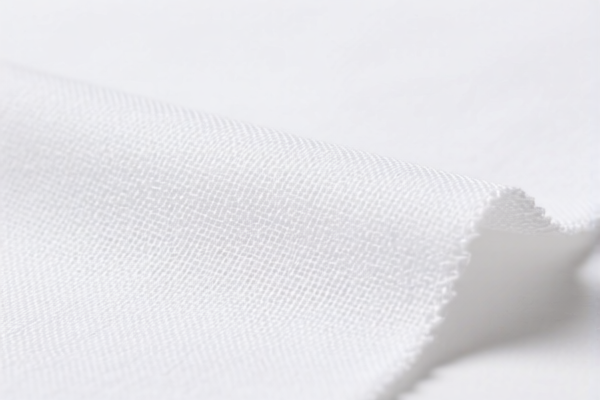
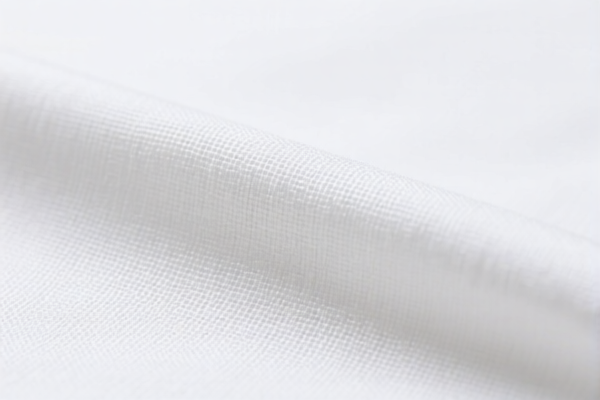
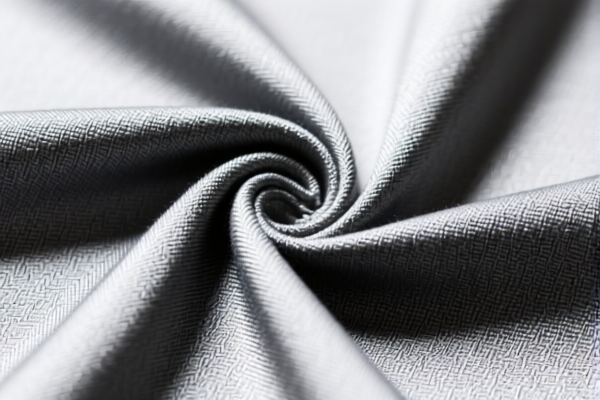
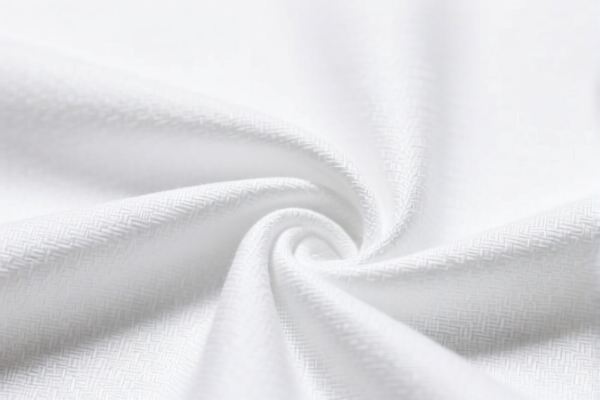
AI分析
🧵 Polyester Blended Plain Weave Fabric
🌐 HS Code Reference & Customs Clearance Guide | 2026 Latest Tariff Analysis | Professional Clearance Strategy
📌 I. Product Definition & Classification: What Exactly is "Polyester Blended Plain Weave Fabric"?
Polyester Blended Plain Weave Fabric refers to textiles primarily composed of synthetic fibers (polyester) and natural fibers (cotton), woven in a plain weave structure. In international trade, precise classification is critical because the fiber composition ratio determines the Harmonized System (HS) code and, consequently, the tariff burden.
⚠️ Key Distinction:
- If the fabric contains ≤ 85% synthetic fibers and is mainly or exclusively woven with cotton → It falls under different chapters (e.g., Chapter 55) with potentially lower附加 taxes.
- If the fabric contains > 85% synthetic fibers (or is mainly synthetic) but blended with cotton → It falls under Chapter 54, subject to higher additional tariffs (Section 301 & Section 122).
📦 II. HS Code Classification Details (2026 Latest Tariff Authority对照)
Based on the provided data, here are the specific HS codes applicable to Polyester-Cotton blended plain weave fabrics, categorized by their exact fiber characteristics and tax implications.
| HS Code | Product Description | Applicable Scenario | Fiber Content Key | Total Tax Rate |
|---|---|---|---|---|
5407.82.00.90 |
Polyester blended cotton fabric, synthetic fiber woven with cotton | General polyester-cotton blends where synthetic is dominant | Synthetic + Cotton Mix | 49.9% |
5407.81.00.90 |
Polyester-cotton woven fabric, matching synthetic-cotton blend characteristics | Standard poly-cotton plain weave | Synthetic + Cotton Mix | 49.9% |
5513.11.00.20 |
Polyester blended cotton plain weave fabric, requiring polyester staple fiber + cotton | Plain weave, polyester staple fiber specific | Polyester Staple + Cotton | 49.9% |
5514.21.00.20 |
Polyester-cotton woven fabric, mainly or exclusively woven with cotton | Blends where cotton is a significant component | Mainly Cotton Blend | 49.9% |
5513.21.00.20 |
Synthetic fiber < 85%, mainly/exclusively woven with cotton | Lower synthetic content (<85%) | Synthetic < 85% | 24.9% |
🔍 Critical Alert:
- Codes 5407.82, 5407.81, 5513.11, and 5514.21 all carry the highest combined tax rate of 49.9%.
- Only 5513.21.00.20 offers a reduced total tax rate of 24.9%, but this is strictly conditional on the synthetic fiber content being under 85%.
💰 III. 2026 Latest Tariff Rate Details (Including Surtaxes & Policy Surcharges)
✅ Applicable Country: United States (US)
✅ Origin: China (CN)
✅ Effective Time: Current (including subsequent imports)
🎯 1. High-Tax Category: 5407.82.00.90, 5407.81.00.90, 5513.11.00.20, 5514.21.00.20
| Item | Content |
|---|---|
| Base Duty Rate | 14.9% |
| Section 301 Surtax | +25.0% (US Trade Act Section 301) |
| Section 122 Surtax | +10.0% (Under U.S. Code Section 122) |
| Total Tax Rate | 49.9% |
| Tax Calculation | CIF Value × 49.9% |
| De Minimis Exemption | ❌ Not Applicable |
| Legal Basis Path | Base Tariff: 14.9% + Section 301: 25.0% + Section 122: 10.0% |
📌 Explanation:
- "Base Tariff 14.9%": Standard Most Favored Nation (MFN) rate for these textile categories.
- "Section 301 Surtax 25.0%": The punitive tariff imposed on Chinese goods under the Trump-era trade war, currently maintained.
- "Section 122 Surtax 10.0%": Additional tariff under Section 122 of the Trade Expansion Act, targeting specific textile imports.
- Total 49.9%: This is a prohibitive tax rate. Importers must factor this heavily into pricing strategies.
🎯 2. Lower-Tax Category: 5513.21.00.20
| Item | Content |
|---|---|
| Base Duty Rate | 14.9% |
| Section 301 Surtax | 0.0% (Exempt from Section 301 due to specific classification conditions) |
| Section 122 Surtax | +10.0% |
| Total Tax Rate | 24.9% |
| Tax Calculation | CIF Value × 24.9% |
| De Minimis Exemption | ❌ Not Applicable |
| Legal Basis Path | Base Tariff: 14.9% + Section 301: 0.0% + Section 122: 10.0% |
📌 Explanation:
- This code applies only if the synthetic fiber content is less than 85% AND it is mainly/exclusively woven with cotton.
- The 25% Section 301 surtax is waived for this specific subheading, resulting in a 50% tax reduction compared to other poly-cotton blends.
- Strict Compliance Required: Misclassifying a <85% synthetic blend into a >85% category will result in underpayment of 25%, leading to severe penalties.
🛠️ IV. Customs Clearance Operational Advice (Practical Pitfall Avoidance Guide)
✅ 1. Required Documentation Checklist (Non-negotiable)
| Document | Must Provide | Explanation |
|---|---|---|
| ✅ Composition Statement | ✔️ | Must explicitly state "% Polyester" and "% Cotton". Essential for determining if <85% (24.9%) or >85% (49.9%). |
| ✅ Weave Structure Confirmation | ✔️ | Confirm "Plain Weave" (one up, one down). Twill or Satin weaves may have different HS codes. |
| ✅ Product Photos | ✔️ | Clear images of the fabric surface to verify weave type and blend appearance. |
| ✅ Commercial Invoice | ✔️ | Must match the HS code description exactly. Do not use generic terms like "Cloth". |
| ✅ Packing List | ✔️ | Weight and dimensions must align with the declared value. |
| ✅ Lab Test Report | ✔️ | Recommended to prove fiber composition (e.g., from SGS, Intertek) if Customs questions the blend ratio. |
✅ 2. Declaration Tips (Key Mantras)
🔥 "Weave Type Check, Fiber Ratio Count, 85% Line is the Key, 25% Saved if Done Right!"
| Scenario | Correct Declaration | Wrong Practice |
|---|---|---|
| Polyester > 85% | 5407.82.00.90 or 5513.11.00.20 |
Mislabel as "Cotton-rich" → Underpayment Penalty |
| Polyester < 85% | 5513.21.00.20 |
Mislabel as generic poly-cotton → Pay 49.9% instead of 24.9% |
| Non-Plain Weave | Other HS Codes (e.g., 5513/5514 twill) | Declare as "Plain Weave" → Classification Error |
| Generic "Textile" | Specific HS Code + Description | Use "Other Textiles" → Highest Duty Rate Applied |
✅ 3. Special Situations Handling
| Situation | Handling Advice |
|---|---|
| OEM Custom Fabric | Provide customer order + design specs. Ensure the fiber blend is consistent with the declared HS code. |
| Mixed Shipment (Different Blends) | Separate Declarations Required. Do not combine <85% and >85% blends in one line item to avoid audit risks. |
| Dyed vs. Unbleached | If dyed, ensure the HS code accounts for finishing. Some codes are specific to unbleached; dyeing may shift classification. |
| Section 122 Applicability | Verify if the specific fabric type qualifies for the Section 122 exemption. Not all textiles are exempt. |
🌍 V. Global Main Market Clearance Comparison (2026 Latest)
| Country/Region | Recommended HS Code | Tariff (China Origin) | Certification Requirements | Notes |
|---|---|---|---|---|
| 🇺🇸 USA | 5513.21.00.20 (if <85%) |
24.9% | None specific | 49.9% if >85% synthetic. Section 301 is critical. |
| 🇨🇳 China | 5513.21.00.20 |
~5-10% (Variable) | None | Standard MFN or FTA rates may apply if from ASEAN. |
| 🇪🇺 EU | 5208/5513 range |
~0-9% | CE (if final product) | No Section 301 equivalent. Tariffs depend on exact fiber mix. |
| 🇬🇧 UK | 5513.21.00.20 |
~0-9% | UKCA (if final product) | Post-Brexit rules similar to EU but separate certification. |
| 🇨🇦 Canada | 5513.21.00.20 |
~0% (if under quota) | None | CUSMA may allow duty-free if meeting rules of origin. |
📌 Conclusion:
- The USA is the most challenging market due to the 25% Section 301 surtax on most poly-cotton blends.
- Optimization Strategy: If your product can be engineered to have <85% polyester, you save 25% in tariffs.
- Diversification: Consider sourcing from Vietnam or Bangladesh for US exports to avoid Section 301, though Section 122 may still apply depending on current trade laws.
📌 VI. Common Errors & Pitfall Avoidance Guide (Blood-teaching Lessons)
❌ Error 1: Assuming all "Polyester-Cotton" fabrics are taxed equally.
👉 Consequence: Paying 49.9% when you qualify for 24.9% due to misclassifying a <85% blend as >85%.
👉 Fix: Always verify the exact fiber percentage with a lab test.
❌ Error 2: Declaring "Plain Weave" when it is actually "Twill" or "Satin".
👉 Consequence: Customs rejects the entry, delays shipment, and imposes fines for misdeclaration.
👉 Fix: Provide weave structure diagrams or photos.
❌ Error 3: Ignoring Section 122 Tariffs.
👉 Consequence: Underestimating costs by 10%.
👉 Fix: Include the 10% Section 122 surtax in all cost calculations for US-bound textiles.
❌ Error 4: Using generic descriptions like "Fabric" or "Cloth".
👉 Consequence: Customs assigns the highest default duty rate or requests excessive documentation.
👉 Fix: Use precise descriptions: "100% Cotton Blended Plain Weave Fabric, Synthetic Fiber <85%".
✅ Correct Approach:
"Polyester-Cotton Blended Plain Weave Fabric, 65% Polyester, 35% Cotton, Unbleached, Model XYZ, Certified Composition"
🎯 VII. Conclusion: Precision Classification, Cost Control, Efficient Clearance!
🎯 Remember the Mantra:
🔹 "Weave plain? Check ratio. Under 85%? Save 25%. Over 85%? Brace for 49.9%!"
🔹 "HS Code defines your cost. A 1% composition shift can save thousands!"
📌 Pro Tip:
If your polyester content is close to 85%, consider blending adjustments or sourcing alternative fibers to stay under the threshold.
For US imports, always apply for an Advance Ruling if the classification is ambiguous to mitigate risk.
📣 Immediate Action:
📞 Contact your customs broker + Provide fabric composition report + Apply for HS Code Advance Ruling
🚀 Let your fabric clear smoothly, maximize profit, and expand globally!
✨ Professional Clearance Starts with Accurate Classification!
💼 Every cent of tax saved is pure profit!
用户评价
关于 HS 编码归类
协调制度(HS)是由世界海关组织(WCO)制定的国际贸易商品分类标准。全球 200 多个国家采用 HS 系统作为海关关税、贸易统计和进出口监管的基础。
每个 HS 编码遵循以下层级结构:
- 章(2 位)——商品大类(例如:第 84 章:机器和机械设备)
- 品目(4 位)——章内的更具体分类
- 子目(6 位)——国际通用细分,所有 WCO 成员国统一使用
- 本国细分(8-10 位)——各国自行扩展的细分编码,如美国 HTSUS 10 位编码
正确的 HS 编码归类对于顺利通关、准确缴纳关税和遵守贸易法规至关重要。错误归类可能导致海关延误、多缴关税或罚款。
从CN进口到US时,适用的关税税率可能包括:
- 最惠国(MFN)税率——适用于 WTO 成员国的标准关税税率
- 普通税率——适用于无贸易协定国家
- 贸易救济关税——附加关税,如 301 条款(反倾销)、232 条款(国家安全)或反补贴税
本页内容仅供参考。如需正式归类,请咨询当地海关或持牌报关代理。