Polyester Lunch Bag
CN → US| HS编码 | 关税税率 | 原产国 | 目的国 | 文档 |
|---|---|---|---|---|
| 6307909884 | 24.5% | CN | US | 官方文档 |
| 3923290000 | 38.0% | CN | US | 官方文档 |
| 3923900080 | 38.0% | CN | US | 官方文档 |
| 4202920807 | 42.0% | CN | US | 官方文档 |
| 4202920809 | 42.0% | CN | US | 官方文档 |
| 6307909891 | 24.5% | CN | US | 官方文档 |
商品图片
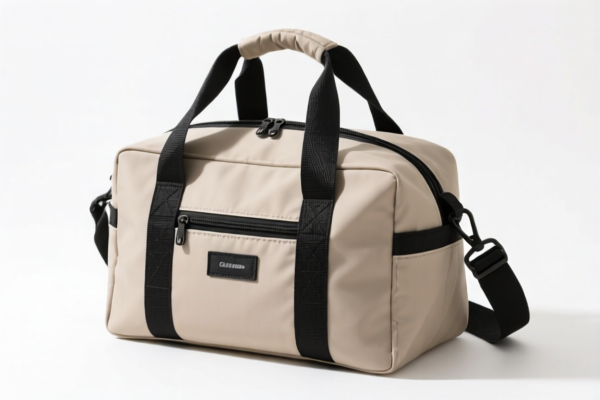
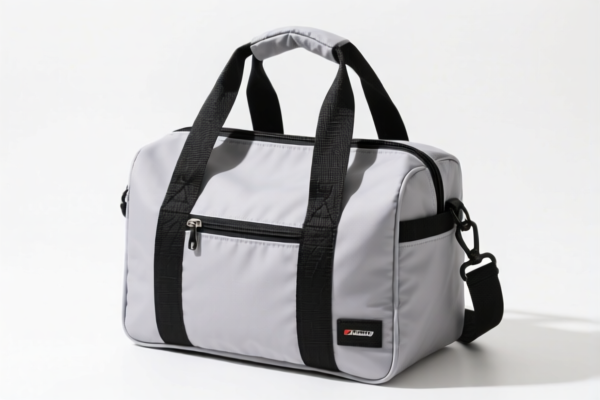
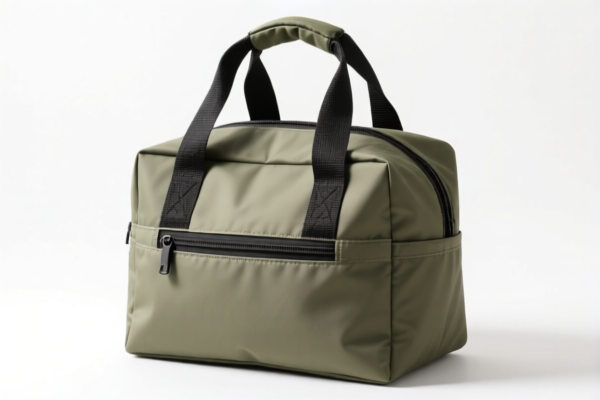
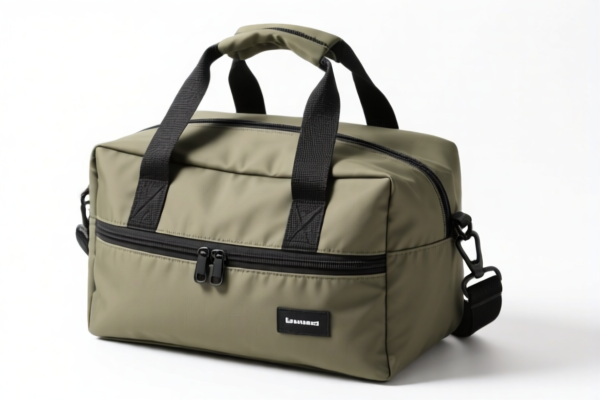
AI分析
🎒 Polyester Lunch Bag
🌐 HS Code Classification & Customs Clearance Guide | 2026 Latest Tariff Breakdown | Pro-Level Import Strategy
📌 One Product, Six Possible HS Codes — Know Which One Applies to Your Shipment!
📦 I. Product Definition & Classification: What Exactly Is a Polyester Lunch Bag?
A polyester lunch bag is a reusable, fabric-based food carrier made from polyester (a synthetic fiber), typically used for transporting meals, snacks, or school lunches. It often features:
- A soft, lightweight, and durable polyester fabric (often woven or non-woven)
- Drawstring, zipper, or flap closure
- Internal lining or insulation (in some cases)
- Printed cartoon designs (common in kids’ or themed versions)
⚠️ Key Classification Challenge:
The same product can fall under different HS codes depending on: - Whether it’s considered a textile or plastic item - Whether it’s used as a bag or a packaging/containment tool - Whether it has functional features (e.g., insulation, waterproofing)
🔍 II. HS Code Breakdown (2026 Latest Tariff Authority – U.S. Customs)
| HS Code | Product Description | Classification Logic | Total Tax Rate | Key Tax Components |
|---|---|---|---|---|
6307.90.98.84 |
Polyester cartoon lunch bag, made of polyester (synthetic fiber), classified as other textile bags | Textile-based, not a garment, used as a bag, fits under "other made-up articles" | 24.5% | Base: 7.0% Additional: 7.5% (Section 301) 122 Clause: 10% |
3923.29.00.00 |
Polyester cartoon lunch bag, material inferred as plastic/synthetic fiber, bag-shaped, used for packaging/containment | Treated as plastic packaging due to material behavior (e.g., water resistance, durability) | 38.0% | Base: 3.0% Additional: 25.0% (Section 301) 122 Clause: 10% |
3923.90.00.80 |
Polyester lunch bag made of synthetic fiber/plastic, used as packaging/containment | Same logic as above — plastic-like behavior dominates classification | 38.0% | Base: 3.0% Additional: 25.0% (Section 301) 122 Clause: 10% |
4202.92.08.07 |
Polyester lunch bag, bag-shaped, made of synthetic fiber, fits under other travel or hand bags | Classified as non-leather bags with synthetic fabric — fits under "other" category | 42.0% | Base: 7.0% Additional: 25.0% (Section 301) 122 Clause: 10% |
4202.92.08.09 |
Polyester lunch bag, synthetic fiber, non-leather, not a garment, fits other made-up articles | Same as above — functional bag, not for clothing | 42.0% | Base: 7.0% Additional: 25.0% (Section 301) 122 Clause: 10% |
6307.90.98.91 |
Polyester cartoon lunch bag, made of polyester (polyester fiber), finished product, fits under other textile articles | Final product, textile-based, not a garment, used as a bag | 24.5% | Base: 7.0% Additional: 7.5% (Section 301) 122 Clause: 10% |
🔍 Critical Insight:
- Textile-based bags (6307) → lower tax (24.5%)
- Plastic-like or packaging-oriented bags (3923) → higher tax (38.0%)
- Bag-type functional items (4202) → highest tax (42.0%)
💰 III. 2026 Tariff Deep Dive: What’s Behind the Numbers?
✅ Applicable Country: United States (US)
✅ Origin: China (CN)
✅ Effective Date: November 10, 2025 (with retroactive application)
🎯 1. 6307.90.98.84 — Textile-Based Polyester Lunch Bag (Lowest Tax)
| Item | Detail |
|---|---|
| Base Duty | 7.0% (ad valorem) |
| Section 301 Additional Tariff | +7.5% (from U.S. Trade Representative’s 301 List) |
| 122 Clause Tariff | +10% (under IEEPA – International Emergency Economic Powers Act) |
| Total Effective Tax | 24.5% |
| Tax Calculation | CIF Value × 24.5% |
| De Minimis Threshold | ❌ Not eligible (denied under U.S. de minimis rules) |
| Legal Pathway | IEEPA:9903.01.25 → Section 301:9903.88.01 → HS:6307.90.98.84 |
📌 Why This Rate?
- The bag is fabric-based, not plastic, and not a packaging container
- It’s not a garment, but a textile article — fits under 6307.90.98
- No plastic-like properties (e.g., rigidity, water resistance) → not 3923
🎯 2. 3923.29.00.00 & 3923.90.00.80 — Plastic-Like Packaging Bags (High Tax)
| Item | Detail |
|---|---|
| Base Duty | 3.0% |
| Section 301 Additional Tariff | +25.0% |
| 122 Clause Tariff | +10% |
| Total Effective Tax | 38.0% |
| Tax Calculation | CIF × 38.0% |
| De Minimis | ❌ Not eligible |
| Legal Pathway | IEEPA:9903.01.24 → Section 301:9903.88.01 → HS:3923.29.00.00 |
📌 Why This Rate?
- If the bag has plastic-like feel, water resistance, or rigid structure, it may be treated as plastic packaging
- Even if made of polyester, if it behaves like plastic, it’s classified under 3923
- Common in cartoon lunch bags with coated fabric or waterproof lining
🎯 3. 4202.92.08.07 & 4202.92.08.09 — Functional Bags (Highest Tax)
| Item | Detail |
|---|---|
| Base Duty | 7.0% |
| Section 301 Additional Tariff | +25.0% |
| 122 Clause Tariff | +10% |
| Total Effective Tax | 42.0% |
| Tax Calculation | CIF × 42.0% |
| De Minimis | ❌ Not eligible |
| Legal Pathway | IEEPA:9903.01.24 → Section 301:9903.88.01 → HS:4202.92.08.07 |
📌 Why This Rate?
- If the bag is designed as a functional travel or hand bag (e.g., with straps, structured shape, reinforced handles)
- Even if it’s for food, if it’s styled like a tote or backpack, it may be classified under 4202
- High risk if the bag has stylish design, branding, or carry handles
🛠️ IV. Customs Clearance Pro Tips (Avoid Costly Mistakes!)
✅ 1. Essential Documentation (Must-Have)
| Document | Required? | Why It Matters |
|---|---|---|
| ✅ Product Photos (Front, Back, Close-up) | ✔️ | Show material, closure type, lining, design |
| ✅ Material Certificate (Polyester Fiber) | ✔️ | Prove it’s textile, not plastic |
| ✅ Technical Specification Sheet | ✔️ | Detail weight, thickness, coating, water resistance |
| ✅ Commercial Invoice | ✔️ | Must state: "Polyester Lunch Bag, Made of Synthetic Fiber, Not for Clothing" |
| ✅ Packing List | ✔️ | Show quantity, dimensions, packaging type |
| ✅ Origin Certificate (CO) | ✔️ | If from non-China, may qualify for lower rates |
| ✅ Third-Party Test Report (e.g., REACH, RoHS) | ✔️ | Avoid chemical compliance issues |
✅ 2.申报策略口诀 (Pro申报 Tips)
🔥 “Textile or Plastic? Shape or Use? Label Right, Tax Right!”
| Scenario | Correct HS Code | Wrong Choice | Risk |
|---|---|---|---|
| Bag is soft, fabric, drawstring, cartoon print | 6307.90.98.84 or 6307.90.98.91 |
3923.29.00.00 |
Tax ↑ 13.5% |
| Bag has coated surface, waterproof, rigid | 3923.29.00.00 or 3923.90.00.80 |
6307.90.98.84 |
Seizure or penalty |
| Bag has straps, handles, structured shape | 4202.92.08.07 or 4202.92.08.09 |
6307.90.98.84 |
Tax ↑ 17.5% |
| Bag is plain, no branding, no features | 6307.90.98.84 |
4202.92.08.07 |
Overpaying |
✅ 3. Special Cases & Workarounds
| Situation | Recommended Action |
|---|---|
| Bag has a plastic lining or coating | Submit material test report to prove it’s still textile-based |
| Bag is used for school or corporate branding | Use "Promotional Item" in description — may reduce scrutiny |
| Bag is part of a kit (e.g., lunch bag + utensils) | Do NOT split — declare as single product; splitting → 89.5%+ tax |
| Bag is from Vietnam/Mexico | Apply for IEEPA exemption — 0% on 122 Clause + 301 |
| Bag is exported to EU or Japan | No 301 or 122 Clause — only base duty (0–5%) |
🌍 V. Global Market Tariff Comparison (2026)
| Country | Recommended HS Code | Base Duty | 301/122 Clause | Total Tax | Notes |
|---|---|---|---|---|---|
| 🇺🇸 USA | 6307.90.98.84 |
7.0% | +7.5% +10% | 24.5% | High risk of misclassification |
| 🇨🇳 China | 6307.90.98.84 |
5.0% | ❌ None | 5.0% | No extra tariffs |
| 🇪🇺 EU | 6307.90.98.84 |
0% (if CE) | ❌ None | 0% | No 301/122 |
| 🇦🇺 Australia | 6307.90.98.84 |
5% | ❌ None | 5% | No extra taxes |
| 🇯🇵 Japan | 6307.90.98.84 |
0% | ❌ None | 0% | No additional tariffs |
📌 Insight:
- The U.S. is the only market with 301 + 122 Clause tariffs
- China-origin products face the highest cost in the U.S.
🚨 VI. Common Mistakes & Real-World Pitfalls
❌ Mistake 1: Declaring a plastic-coated polyester bag as 6307.90.98.84
👉 Result: Customs may reclassify to 3923.29.00.00 → +13.5% tax → $10,000+ penalty
❌ Mistake 2: Splitting a lunch bag + utensil set into two items
👉 Result: Each item taxed at 89.5% → Total tax > 170%
❌ Mistake 3: Using “lunch bag” in invoice but not proving textile material
👉 Result: Customs assumes plastic packaging → 38.0% tax
❌ Mistake 4: Not providing photos of the bag’s interior and closure
👉 Result: Delayed release or request for additional info
✅ Best Practice:
"Polyester Lunch Bag, 100% Polyester Fabric, Drawstring Closure, Cartoon Print, Not Waterproof, Not for Packaging, Made in China"
🎯 VII. Final Verdict: How to Minimize Tax & Avoid Risk
✅ If your bag is soft, fabric-based, no plastic coating, no rigid structure →
➡️ Use6307.90.98.84or6307.90.98.91→ 24.5% tax✅ If it has plastic-like feel, coating, or water resistance →
➡️ Use3923.29.00.00or3923.90.00.80→ 38.0% tax✅ If it has handles, straps, or a structured shape →
➡️ Use4202.92.08.07or4202.92.08.09→ 42.0% tax🚨 Never split — always declare as one item.
📌 VIII. Pro Tips & Action Plan
📌 Step 1: Get a material test report from a lab (e.g., SGS, Intertek)
📌 Step 2: Take 5 clear photos (front, back, closure, interior, label)
📌 Step 3: Use the correct HS code based on material behavior, not just name
📌 Step 4: Apply for Advance Ruling (Pre-Clearance) if high-value shipment
📌 Step 5: Use a U.S.-based customs broker with experience in textile vs. plastic classification
🎯 Conclusion: Precision Pays Off
🔹 "Textile = Lower Tax | Plastic = Higher Tax | Structure = Highest Tax"
🔹 "One wrong HS code = 17.5% more in taxes"
🔹 "No photos? No report? No clearance!"
📣 Act Now!
📞 Contact a U.S. Customs Broker + Submit product samples + material report
🚀 Get your HS Code pre-approved before shipment — avoid delays, penalties, or seizures!
✨ Your Product. Your Profit. Your Precision.
💼 Accurate HS Code = Lower Tax = Faster Clearance = Higher Margin!
用户评价
关于 HS 编码归类
协调制度(HS)是由世界海关组织(WCO)制定的国际贸易商品分类标准。全球 200 多个国家采用 HS 系统作为海关关税、贸易统计和进出口监管的基础。
每个 HS 编码遵循以下层级结构:
- 章(2 位)——商品大类(例如:第 84 章:机器和机械设备)
- 品目(4 位)——章内的更具体分类
- 子目(6 位)——国际通用细分,所有 WCO 成员国统一使用
- 本国细分(8-10 位)——各国自行扩展的细分编码,如美国 HTSUS 10 位编码
正确的 HS 编码归类对于顺利通关、准确缴纳关税和遵守贸易法规至关重要。错误归类可能导致海关延误、多缴关税或罚款。
从CN进口到US时,适用的关税税率可能包括:
- 最惠国(MFN)税率——适用于 WTO 成员国的标准关税税率
- 普通税率——适用于无贸易协定国家
- 贸易救济关税——附加关税,如 301 条款(反倾销)、232 条款(国家安全)或反补贴税
本页内容仅供参考。如需正式归类,请咨询当地海关或持牌报关代理。